
Structural Health Monitoring and Retrofitting of Existing Steel Structures in Singapore
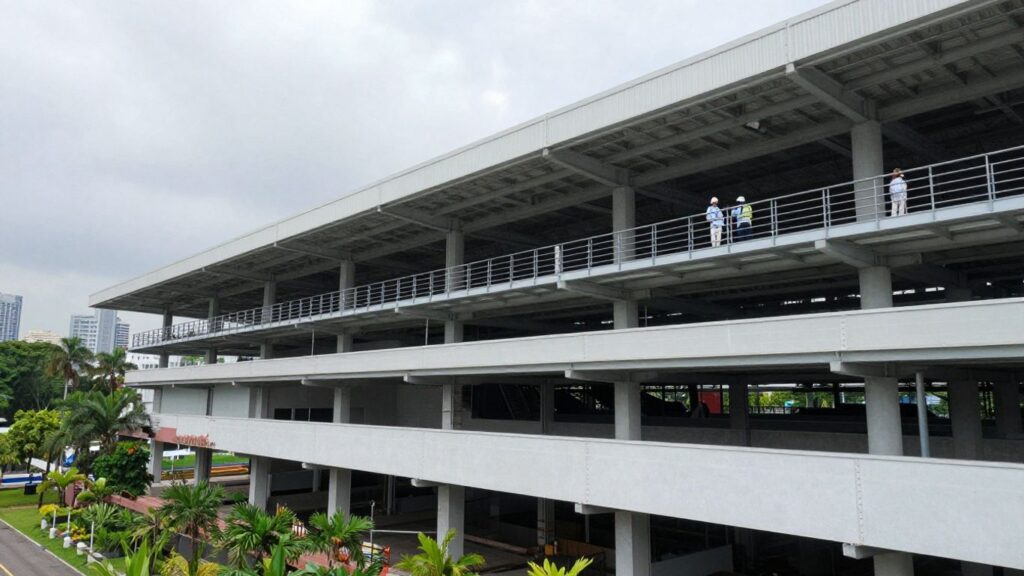
Key Takeaways Existing steel buildings need periodic assessment because corrosion, changing loads, fatigue, and alterations can gradually reduce their safety margins. A practical programme combines engineering judgment, targeted monitoring, sound records, and carefully sequenced retrofit work. Establish a documented baseline before deciding what to repair or monitor. Consider Singapore’s heat, humidity, rainfall, and coastal exposure […]
Generative Design and Topology Optimization for Structural Steel Components
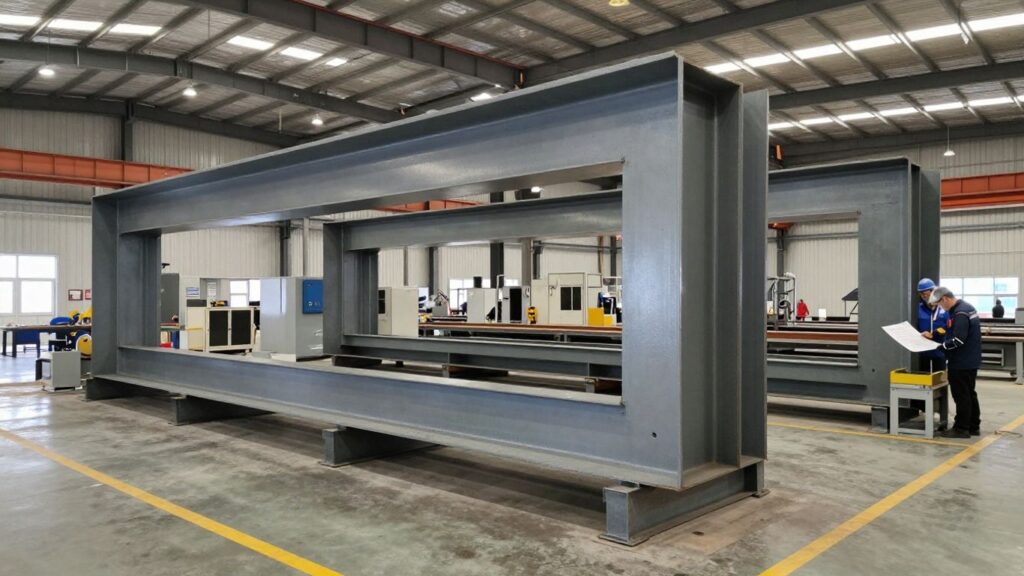
Key Takeaways Generative design can widen the range of structural steel concepts considered, but it does not replace engineering judgment or code-based verification. AI and FEA-driven topology optimization connects computational exploration with structural performance checks. Reliable results depend on accurate loads, supports, material data, mesh settings, and design boundaries. Steel-specific connection, stability, fabrication, and erection […]
Embodied Carbon Reduction in Steelwork: Optimization Strategies Using FEA
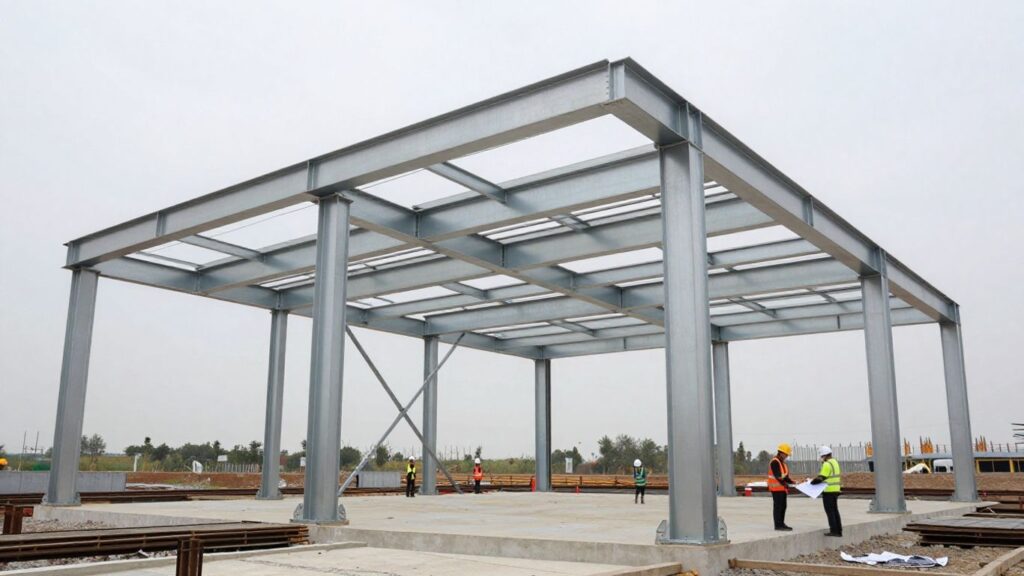
Key Takeaways Lower-carbon steelwork begins with sound structural decisions, not material reduction in isolation. FEA modelling can help engineers compare efficient, safe, and buildable alternatives while keeping embodied carbon visible throughout delivery. Establish a verified structural and carbon baseline before optimizing. Use FEA modelling to understand stress, stability, connections, and serviceability. Compare members, systems, and […]
Buckling Analysis Techniques: Linear Eigenvalue vs. Non-Linear Imperfection (GMNIA)
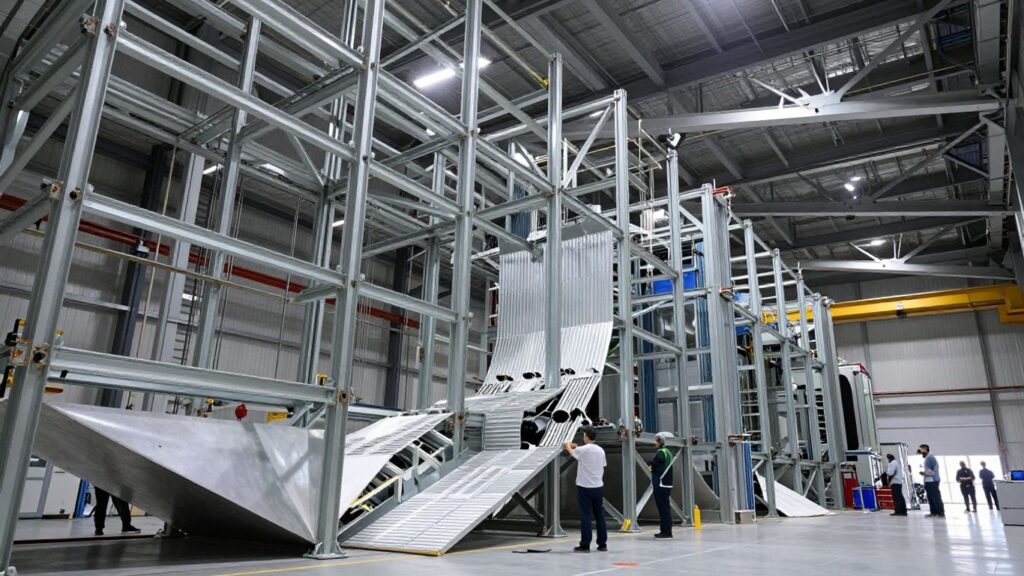
Key Takeaways Linear eigenvalue analysis is a fast elastic stability check, while GMNIA follows structural response with geometric and material nonlinearity and defined imperfections. Used together, they provide a clearer basis for buckling assessment and design decisions. Eigenvalue analysis identifies idealized critical load factors and likely buckling modes. GMNIA can account for large displacements, yielding, […]
FEA Applications in PPVC and MET Steel Modules for Singapore Megaprojects
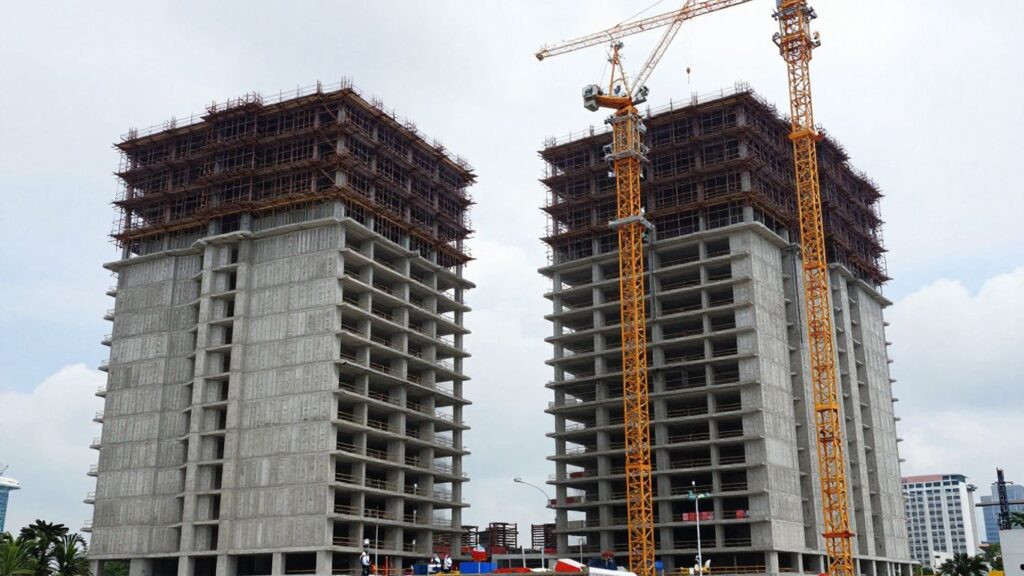
Key Takeaways Finite element analysis (FEA) helps modular construction teams test structural behavior before fabrication, lifting, transport, and installation. In Singapore, its value is greatest when it is connected to DfMA decisions, authority requirements, and practical fabrication constraints. FEA links structural design with manufacturing and assembly decisions. PPVC and MET steel modules require different modeling […]
Protecting Adjacent Sensitive Structures: Dilapidation Surveys and Building Impact Assessments (BIA)

Key Takeaways Adjacent structures can be affected by excavation, vibration, groundwater changes, temporary works, and construction loading. A carefully planned survey and building impact assessment creates a factual baseline for protection, monitoring, and fair resolution of disputes. Record existing conditions before construction begins. Assess both the building and the proposed construction effects. Give vulnerable structures […]
Sustainable Temporary Works: Embodying Low-Carbon Steel & Circularity in ERSS Design

Key Takeaways Sustainable ERSS design treats temporary steelwork as a recoverable engineering asset, not disposable site material. Set carbon boundaries and performance targets before selecting the retaining system. Reduce steel quantities through coordinated structural, geotechnical, and construction-stage design. Specify verified material data, including recycled content and environmental product declarations. Design for inspection, demounting, repeated deployment, […]
Common Reasons BCA Rejects Temporary ERSS Submissions (And How to Avoid Them)

Key Takeaways Temporary ERSS submissions are commonly returned when the technical evidence, drawings, design assumptions, and authority responses do not form one clear and verifiable package. Confirm that every required form, report, calculation, drawing, and supporting record is included. Base the ERSS design on current site investigation, groundwater, utility, and neighbouring-structure information. Show the design […]
The Cost of ERSS Submissions in Singapore: Breakdown of Consultant Fees, Checking Fees, and Testing

Key Takeaways ERSS costs depend on the excavation, ground conditions, design responsibility, checking requirements, and the level of construction-stage support needed. A useful budget separates professional fees from testing, monitoring, authority coordination, and risk allowances. ERSS is a temporary earth-retaining system used to support excavations and control ground movement. Consultant fees rise with excavation depth, […]
Importance of P&FM Submission for Diesel Tank
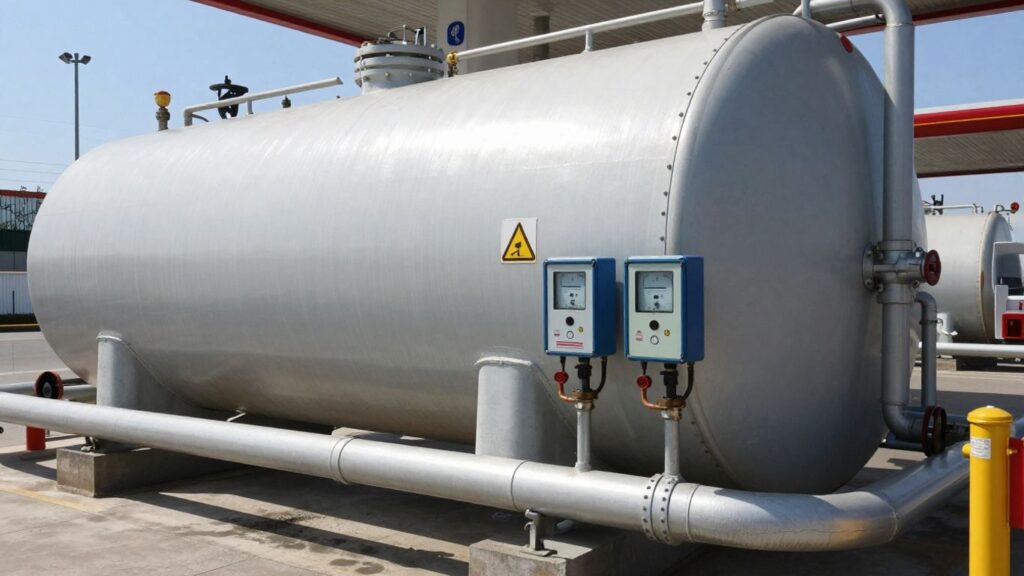
So, you’ve got diesel tanks to deal with, huh? It’s not exactly like setting up a coffee machine. There are rules, and they’re pretty serious, especially when you’re talking about flammable stuff. The Singapore Civil Defence Force, or SCDF, has a whole system for this, called the Petroleum & Flammable Material (P&FM) license. Getting this […]