
The Fire Certificate system operates under the Fire Safety Act (Chapter 109A) and its subsidiary legislation, particularly the Fire Safety (Fire Certificate) Regulations. These legal frameworks establish the mandatory requirements for obtaining, maintaining, and renewing Fire Certificates for designated premises in Singapore.
Annual FC is done by AMAN Engineering Consultancy Fire Engineers for all types of buildings in Singapore – residential, commerical, industrial, open land/farms, institutional, places of worship and others – Contact Us for the quote
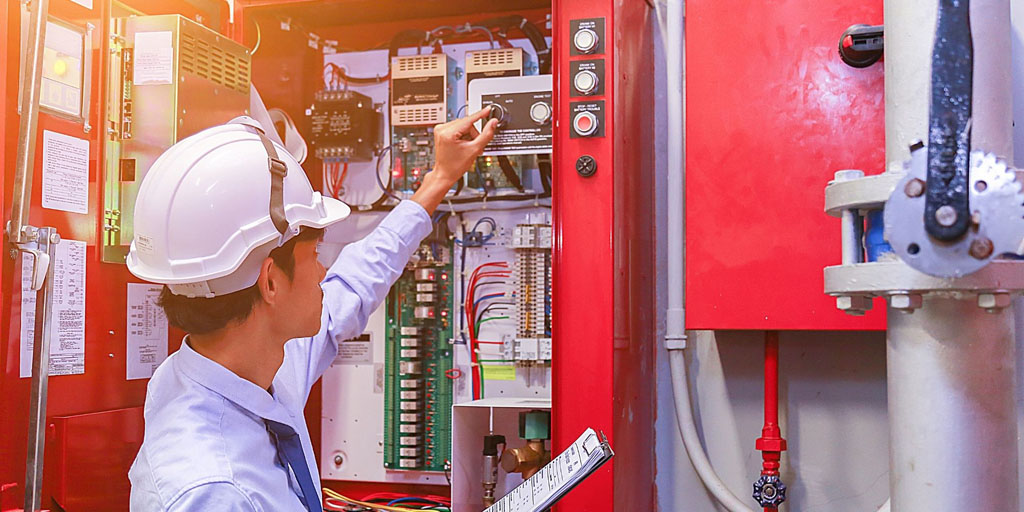
The primary importance of Fire Certificates lies in their role as life safety assurance mechanisms. Buildings in Singapore, particularly high-rise developments that dominate the skyline, present unique fire safety challenges. The Fire Certificate ensures that these structures have adequate means of escape, properly designed fire compartmentation, and reliable fire detection and suppression systems. Statistical analysis from SCDF demonstrates that buildings with valid Fire Certificates experience significantly lower casualty rates during fire incidents compared to non-compliant structures.
Before initiating the formal Fire Certificate application, extensive preparatory work is essential. This phase involves conducting a comprehensive fire safety audit of the building design, identifying all applicable Fire Code requirements, and developing a fire safety strategy that addresses both prescriptive and performance-based elements. Engineers must assemble a multidisciplinary team including fire safety engineers, mechanical and electrical engineers, and architectural coordinators to ensure all aspects of fire safety are adequately addressed.
The Fire Certificate application must be submitted by a Qualified Person registered with SCDF for fire safety works. The QP assumes significant legal and professional responsibility for the accuracy and completeness of the submission. Selection of an appropriate QP is crucial, as their expertise and track record can significantly influence the application’s success and processing time. The QP must possess specific competencies relevant to the project’s complexity and building type.
The technical submission for Fire Certificate application comprises multiple components, each requiring specific expertise and attention to detail. Fire safety plans must clearly indicate all fire safety provisions including compartment walls, fire doors, escape routes, and equipment locations. These plans must be coordinated with architectural, structural, and MEP drawings to ensure consistency and avoid conflicts during construction.
| Document Type | Key Information | Review Focus |
|---|---|---|
| Fire Safety Plan | Escape routes, fire compartmentation, equipment locations | Code compliance, travel distances |
| Sectional Details | Vertical escape provisions, fire-rated shafts | Continuity of fire separation |
| Fire Protection Layout | Sprinkler coverage, detector placement | System coverage and spacing |
| Smoke Control Plans | Smoke zones, extraction points, make-up air | Smoke management effectiveness |
| Emergency Lighting | Luminaire locations, lux levels, battery backup | Illumination adequacy |
Complex buildings or those employing Alternative Solutions require comprehensive fire engineering analysis. This includes computational fluid dynamics modeling for smoke movement, structural fire analysis for critical elements, and evacuation simulations for life safety assessment. These analyses must be conducted using recognized software and methodologies, with results presented in a clear, auditable format that demonstrates compliance with performance criteria.
Following initial submission, SCDF typically raises queries or requests clarifications on specific aspects of the design. This consultation process is critical for resolving technical issues and ensuring mutual understanding of fire safety objectives. Engineers must respond to queries within stipulated timeframes, typically 14 days, with comprehensive explanations and revised documents as necessary. Face-to-face consultation meetings may be required for complex issues or Alternative Solutions.
SCDF approval typically comes with specific conditions that must be fulfilled before the Fire Certificate is issued.
Before Fire Certificate issuance, SCDF conducts comprehensive site inspections to verify that installations match approved plans and function correctly. This inspection covers all fire safety systems including detection, suppression, emergency lighting, and smoke control. Engineers must ensure systems are fully commissioned and tested before requesting inspection, with all test certificates and commissioning reports available for review.
The integrated testing phase is particularly crucial, requiring demonstration that all fire safety systems work together as designed. This includes scenario testing where multiple systems are activated simultaneously to verify proper sequencing and coordination. For example, activation of a fire detector must trigger appropriate responses from the fire alarm system, pressurization fans, lift recall systems, and emergency lighting within specified timeframes.
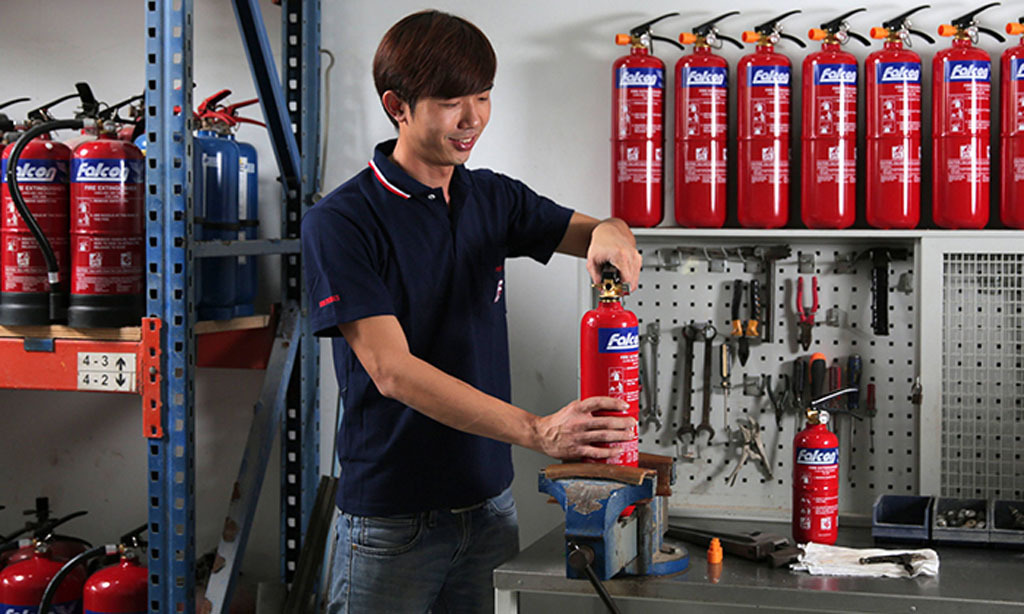
Testing requirements for fire safety systems are comprehensively defined in various Singapore Standards and SCDF regulations. Each system type requires specific testing procedures, frequencies, and acceptance criteria. For example, automatic fire detection systems require monthly functional testing of at least 25% of detectors on a rotating basis, ensuring all devices are tested quarterly. Sprinkler systems need weekly visual inspection of control valves, monthly water flow tests, and annual full functional tests including flow measurements at hydraulically remote points.
| System Component | Testing Frequency | Test Type | Pass Criteria | Documentation Required |
|---|---|---|---|---|
| Smoke Detectors | Monthly (25% rotating) | Functional test with smoke/test gas | Activation within 30 seconds | Test log with device IDs and response times |
| Sprinkler System | Weekly/Monthly/Annual | Visual/Water flow/Full functional | Design flow and pressure achieved | Flow test reports, pressure recordings |
| Emergency Lighting | Monthly/Annual | Function test/Duration test | 3-hour duration at required lux levels | Lux measurements, battery performance |
| Fire Doors | Quarterly | Operational check | Self-closing from fully open position | Defect reports, repair records |
| Smoke Control System | Semi-annual | Functional test all modes | Design airflow rates achieved | Airflow measurements, sequence testing |