
Finite Element Analysis (FEA) represents one of the most powerful computational tools in modern structural engineering, revolutionizing how engineers in Singapore approach complex structural design challenges. This sophisticated numerical method transforms continuous structures into discrete elements, enabling precise analysis of stress distributions, deformations, and structural behavior under various loading conditions.
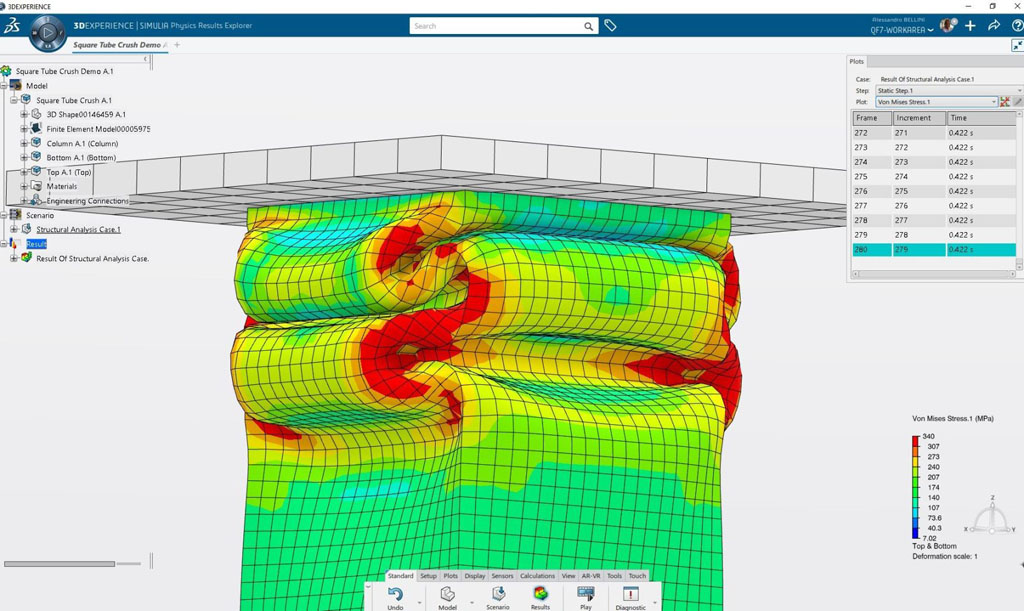
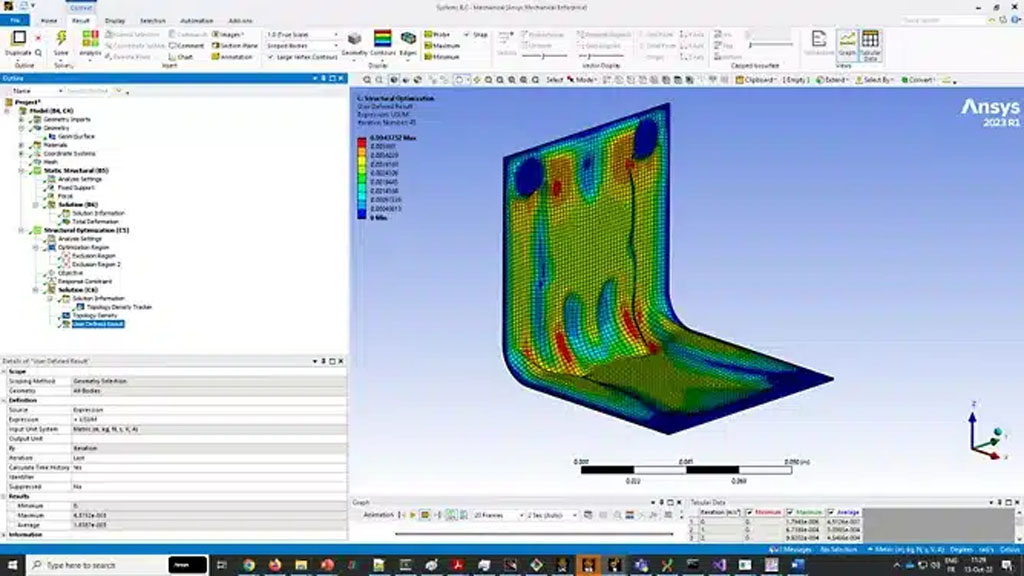
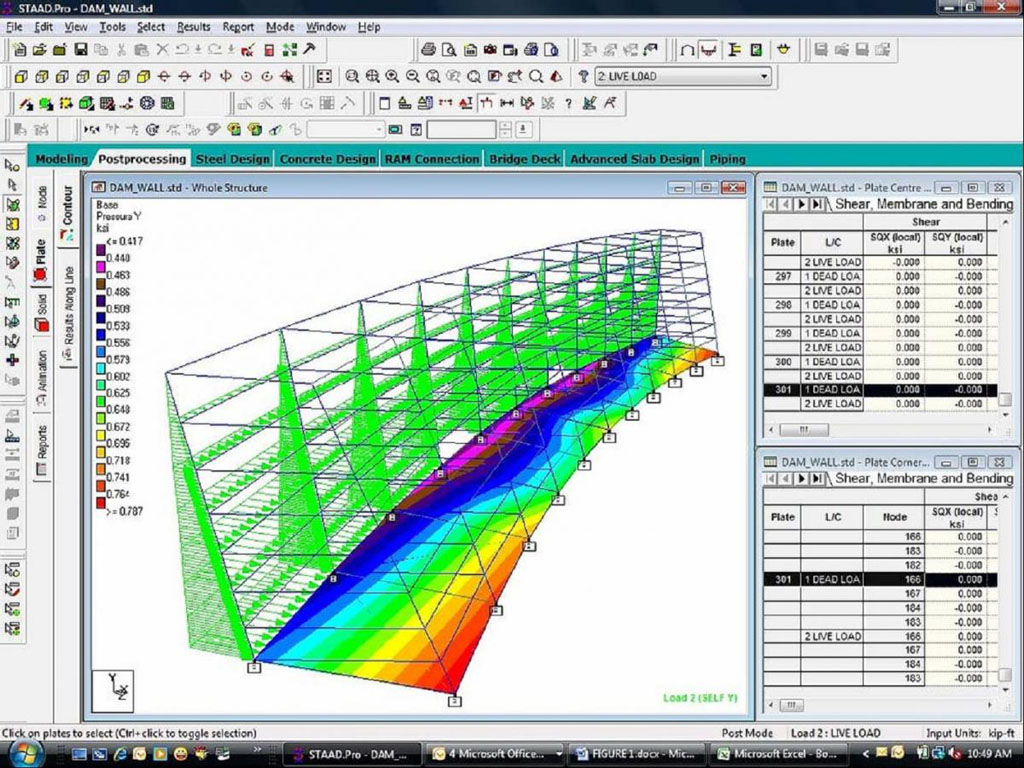
The fundamental principle underlying FEA involves discretizing complex geometries into smaller, manageable elements connected at nodes, creating a mesh that approximates the continuous structure. Each element’s behavior is governed by mathematical equations derived from fundamental principles of mechanics, including equilibrium conditions, compatibility requirements, and material constitutive relationships. Through systematic assembly of element equations and application of boundary conditions, FEA generates comprehensive solutions for displacement fields, stress distributions, and strain patterns throughout the structure. This computational approach enables engineers to predict structural responses with remarkable accuracy, identifying potential failure modes, stress concentrations, and optimization opportunities that would be impossible to detect through traditional analytical methods.
The Building and Construction Authority (BCA) of Singapore mandates rigorous structural analysis for all major construction projects, particularly for buildings exceeding certain height thresholds or incorporating innovative structural systems. FEA provides the analytical framework necessary to demonstrate compliance with Eurocodes, British Standards, and local regulations, offering detailed documentation of structural performance under prescribed loading conditions.
FEA serves as a crucial tool for economic optimization. By enabling precise analysis of stress distributions and load paths, FEA helps engineers minimize material usage while maintaining required safety factors, directly translating to cost savings in materials, transportation, and construction time. This optimization extends beyond initial construction costs to encompass life-cycle considerations, including maintenance requirements, durability performance, and eventual demolition or renovation scenarios.
Reinforced concrete structures dominate Singapore’s skyline, from HDB residential blocks to iconic commercial towers, making their accurate analysis through FEA essential for structural safety and performance. The heterogeneous nature of reinforced concrete, combining concrete’s compression strength with steel’s tensile capacity, presents unique modeling challenges that FEA addresses through various sophisticated approaches. Discrete modeling techniques represent reinforcement bars as individual truss or beam elements embedded within concrete solid elements, allowing precise evaluation of bond-slip behavior, crack propagation, and reinforcement yielding. This detailed approach proves particularly valuable for analyzing critical regions such as beam-column joints, corbels, and deep beams where complex stress states develop.
Smeared reinforcement approaches offer computational efficiency for large-scale structures by distributing reinforcement properties throughout concrete elements according to reinforcement ratios and orientations. This technique, widely adopted for analyzing entire building structures, provides reasonable accuracy for global behavior assessment while significantly reducing computational demands. Advanced constitutive models for concrete, including damage plasticity, microplane models, and fracture mechanics approaches, capture the material’s complex nonlinear behavior under various loading conditions. These models account for concrete cracking, crushing, and post-peak softening, essential for ultimate strength assessment and ductility evaluation required by Singapore’s seismic design provisions.
Comprehensive modeling of tall buildings including wind effects, P-Delta analysis, and differential shortening
Advanced analysis of prestressed concrete bridges, including time-dependent effects and moving loads
Soil-structure interaction modeling for pile foundations and raft systems in Singapore's varied geology
Post-tensioned concrete systems have gained significant popularity in Singapore’s construction industry, offering enhanced structural efficiency for long-span floors, transfer beams, and parking structures. FEA modeling of post-tensioned systems requires sophisticated approaches to capture the complex interaction between prestressing tendons and concrete, including friction losses, anchorage zone stresses, and time-dependent prestress variations. Three-dimensional tendon profiles, accurately representing parabolic and reverse parabolic layouts, must be incorporated into FEA models to predict correct prestressing effects and secondary moments. The analysis must account for construction staging, as prestressing is typically applied when concrete reaches specified strength, influencing subsequent load distributions and long-term behavior.
FEA enables comprehensive analysis of steel frames, accounting for geometric nonlinearities, material plasticity, and stability phenomena critical for economic and safe design. Second-order analysis, incorporating P-Delta and P-delta effects, reveals how axial forces in members amplify lateral deflections and moments, particularly important for tall steel structures subjected to significant wind loads in Singapore’s coastal environment. Advanced analysis methods, including direct analysis and inelastic analysis approaches, provide more accurate assessment of frame capacity compared to traditional elastic analysis with effective length factors.
Connection design represents one of the most complex aspects of steel structure engineering, where force transfer mechanisms involve multiple components including bolts, welds, plates, and stiffeners. FEA offers unparalleled insight into connection behavior, revealing stress distributions, contact pressures, and slip phenomena that simplified analytical methods cannot capture. Three-dimensional solid modeling of connections, incorporating bolt pretension, friction coefficients, and weld properties, enables accurate prediction of connection stiffness, strength, and ductility. This detailed analysis proves essential for moment connections, where rotational stiffness significantly influences frame behavior and must be accurately characterized for reliable structural analysis.
| Connection Type | FEA Modeling Approach | Critical Parameters | Applications |
|---|---|---|---|
| Moment Connections | 3D solid elements with contact | Bolt pretension, weld size, plate thickness | High-rise steel frames, industrial buildings |
| Base Plates | Shell/solid elements with springs | Anchor bolt capacity, concrete bearing | Equipment foundations, column bases |
| Bracing Connections | Combined shell and beam elements | Gusset plate stability, weld patterns | Lateral force resisting systems |
| Composite Connections | Multi-material contact models | Shear stud capacity, concrete cracking | Composite floor systems, bridges |
| Modular Connections | Detailed solid models with gaps | Tolerance effects, progressive collapse | Prefabricated modular construction |
Aluminum structures have gained prominence in Singapore’s architectural landscape, particularly for facade systems, canopy structures, and lightweight roofing applications where corrosion resistance and aesthetic appeal are paramount. The material’s distinct mechanical properties, including lower elastic modulus, absence of a defined yield point, and significant strain hardening, necessitate specialized FEA approaches different from steel structure analysis. Heat-affected zones near welded connections experience significant strength reduction, requiring detailed modeling to capture localized material property variations that influence overall structural performance. The Eurocode 9 provisions for aluminum structures, adopted in Singapore, provide design guidelines that FEA models must validate through comprehensive analysis.
Buckling phenomena assume greater importance in aluminum structures due to the material’s lower elastic modulus, making stability analysis through FEA essential for slender members and thin-walled sections. Geometric imperfections, whether from manufacturing tolerances or installation variations, significantly influence buckling capacity and must be incorporated through eigenvalue analyses and nonlinear solution procedures. The interaction between local plate buckling, distortional buckling, and global member buckling in complex aluminum sections requires sophisticated FEA models that capture these coupled instability modes. Post-buckling behavior, particularly relevant for aluminum panels and shells, can be evaluated through FEA to identify reserve capacity beyond initial buckling.
Fatigue considerations dominate aluminum structure design for applications subjected to cyclic wind loads, thermal movements, or vibrations from mechanical equipment. FEA-based fatigue assessment evaluates stress ranges at critical locations, particularly near connections where stress concentrations and heat-affected zones coincide.
The brittle nature of glass, combined with its sensitivity to surface flaws and stress concentrations, demands sophisticated FEA approaches that account for statistical strength variations and failure probability. The analysis must consider different glass types, including annealed, heat-strengthened, and fully tempered glass, each with distinct strength characteristics and failure patterns. Laminated glass configurations, essential for safety and post-breakage performance, require modeling techniques that capture the composite behavior of glass plies and interlayer materials.
Probabilistic design approaches for glass structures utilize FEA results to evaluate failure probability under various loading scenarios, ensuring acceptable safety levels for different applications and occupancy categories.
ANSYS represents the gold standard in FEA software, offering comprehensive capabilities for structural, thermal, and coupled-physics analyses. Widely adopted by Singapore’s leading engineering consultancies, ANSYS provides advanced nonlinear analysis capabilities, extensive material models, and sophisticated contact algorithms essential for complex structural problems.
ABAQUS excels in advanced nonlinear analysis, particularly for concrete structures, geotechnical problems, and progressive collapse scenarios. Singapore’s research institutions and specialized consultancies leverage ABAQUS for challenging projects requiring sophisticated constitutive models and solution algorithms.
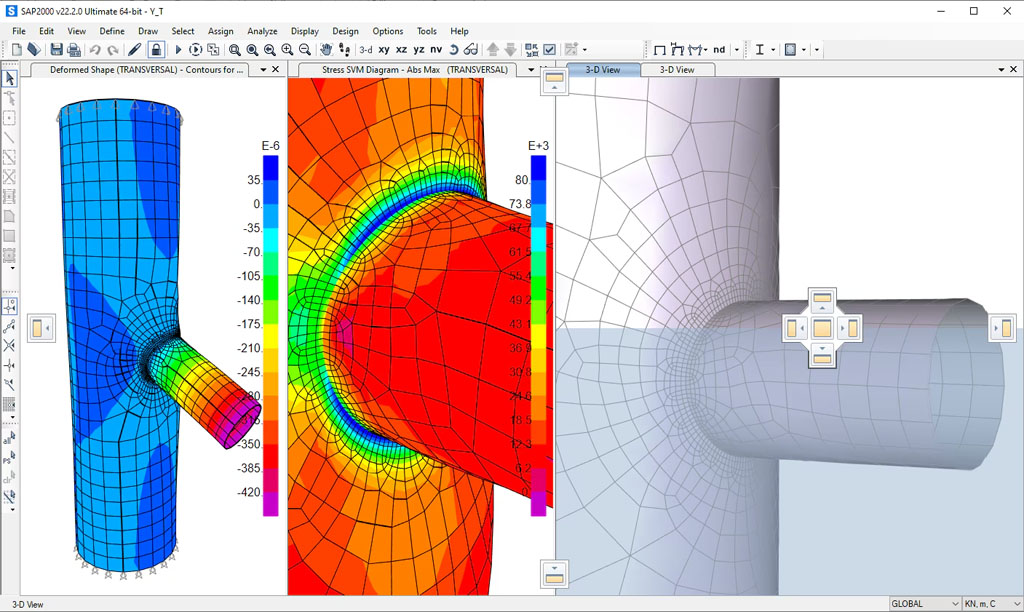
SAP2000 dominates Singapore’s structural engineering practice for building analysis and design, offering integrated modeling, analysis, and code-checking capabilities. Its user-friendly interface and comprehensive design modules for concrete and steel structures streamline the design process.
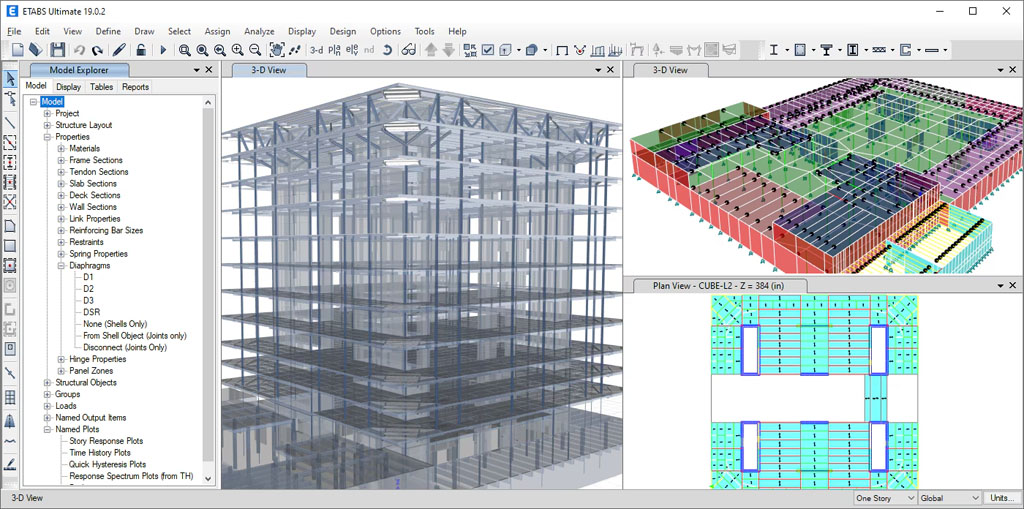
ETABS specializes in building structure analysis and design, particularly for high-rise buildings common in Singapore’s skyline. Its specialized features for floor diaphragms, shear walls, and foundation systems make it invaluable for efficient building design.
STAAD.Pro offers versatile structural analysis and design capabilities with strong integration into BIM workflows. Popular among Singapore’s industrial and infrastructure projects, it provides comprehensive international design code support.
Additional specialized software used in Singapore includes MIDAS for bridge engineering, PLAXIS for geotechnical analysis, ADAPT for post-tensioned concrete, and ROBOT Structural Analysis for BIM-integrated workflows.
Systematic verification of geometry, materials, loads, and boundary conditions ensures model accuracy
Mesh refinement and solution convergence analysis confirms numerical accuracy
Independent checks and benchmarking validates FEA predictions