
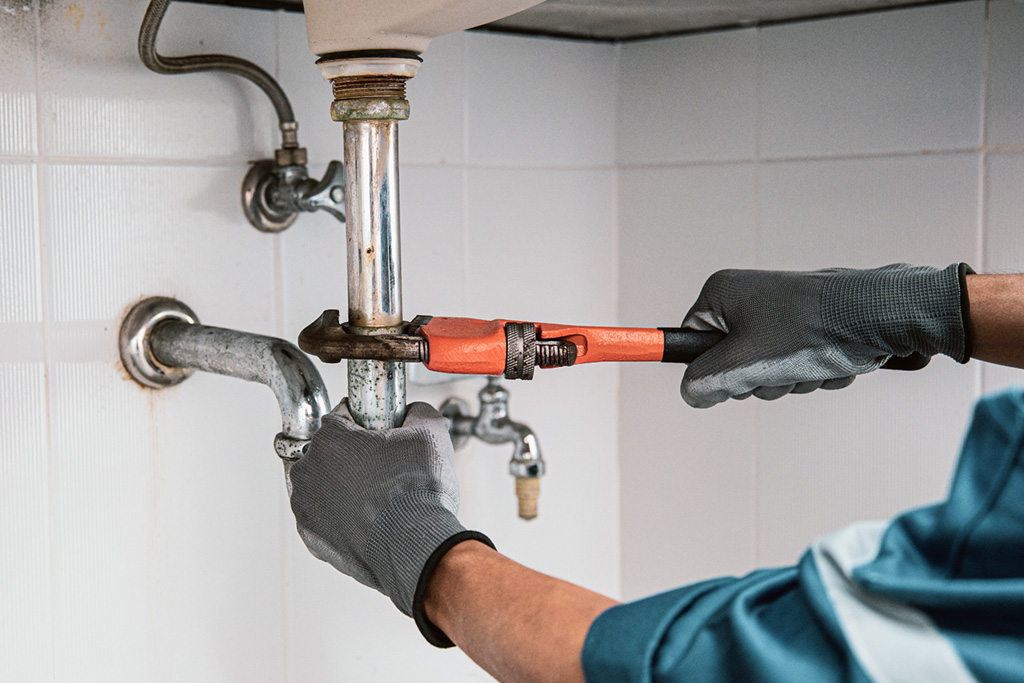
Licensed plumbers play a crucial role in Singapore’s water management ecosystem. They are professionals who have undergone rigorous training and certification processes to ensure they possess the necessary knowledge and skills to carry out plumbing works in compliance with PUB regulations. The importance of engaging licensed plumbers cannot be overstated, as improper plumbing works can lead to serious consequences including water contamination, structural damage, and public health hazards.
The scope of works that licensed plumbers in Singapore are authorized to undertake is extensive and covers all aspects of water supply, drainage, and sewerage systems. Understanding this scope is crucial for property owners, developers, and contractors to ensure that they engage the right professionals for their specific needs.
Licensed plumbers are responsible for the installation, maintenance, and repair of water supply systems in residential, commercial, and industrial properties. This includes the installation of water pipes, valves, meters, and associated fittings. They must ensure that all installations comply with PUB's requirements for materials, pressure ratings, and connection methods. The work also encompasses the testing of water supply systems to ensure they are leak-free and meet the required performance standards.
Sanitary plumbing involves the installation and maintenance of fixtures and fittings that handle wastewater from toilets, basins, showers, and other sanitary appliances. Licensed plumbers must ensure proper gradients for waste pipes, adequate ventilation systems, and appropriate trap installations to prevent sewer gases from entering buildings. This work requires detailed knowledge of hydraulic principles and building codes to ensure efficient waste removal while maintaining hygiene standards.
The design and installation of drainage systems is a critical component of licensed plumber works. This includes both surface water drainage (stormwater) and foul water drainage systems. Plumbers must calculate appropriate pipe sizes, gradients, and layouts to ensure efficient water flow and prevent flooding. They must also consider factors such as catchment areas, rainfall intensity, and connection points to public drains when designing these systems.
Connecting private sewerage systems to public sewers requires specialized knowledge and authorization from PUB. Licensed plumbers must follow strict procedures when making these connections, including obtaining necessary permits, coordinating with PUB inspectors, and ensuring that connections are made at approved locations and depths. The work involves excavation, pipe laying, and restoration of affected areas to original conditions.
In situations where gravity drainage is not feasible, licensed plumbers install and maintain pump systems for both water supply and sewerage applications. This includes submersible pumps, booster pumps, and sewage ejector systems. The work requires electrical coordination, control system setup, and regular maintenance schedules to ensure reliable operation.
PUB’s Code of Practice (COP) on Sewerage and Drainage Works serves as the primary reference document for licensed plumbers. This comprehensive guide outlines best practices, design principles, and installation requirements for all sewerage and drainage works. The COP is regularly updated to incorporate new technologies, materials, and methodologies, ensuring that Singapore’s plumbing standards remain at the forefront of international best practices.
In addition to the COP, licensed plumbers must also be familiar with relevant Singapore Standards (SS) that apply to plumbing works. These include standards for pipe materials, testing procedures, and installation practices. Compliance with these standards is mandatory and forms part of the inspection criteria used by PUB officers when approving completed works.
The submission process for drainage and sewerage works to PUB is a critical component of any plumbing project in Singapore. This process ensures that all proposed works comply with regulatory requirements and technical standards before implementation. Understanding the submission process thoroughly is essential for licensed plumbers to avoid delays and ensure smooth project execution.
Gather all necessary documents including site plans, plumbing layouts, and calculations
Submit application through PUB’s Building Plan Management System (BPMS)
PUB officers review submission and raise queries if clarification needed
Address all queries and resubmit revised documents as required
Receive approval letter and permits to commence works
Execute works according to approved plans and specifications
Conduct required tests and prepare commissioning reports
PUB inspection and issuance of clearance certificate
Shows the overall development layout, existing and proposed drainage systems, connection points to public sewers, and site boundaries
Design calculations for pipe sizing, pump selections (if applicable), and drainage capacity assessments
Floor-by-floor layouts showing all sanitary fixtures, waste pipes, vent pipes, and drainage routes with pipe sizes and gradients clearly marked
Detailed specifications of materials, installation methods, and testing procedures to be employed
Riser diagrams for multi-story buildings showing vertical pipe arrangements, sizes, and connections between floors
Endorsement from registered Professional Engineer for complex projects or as required by regulations
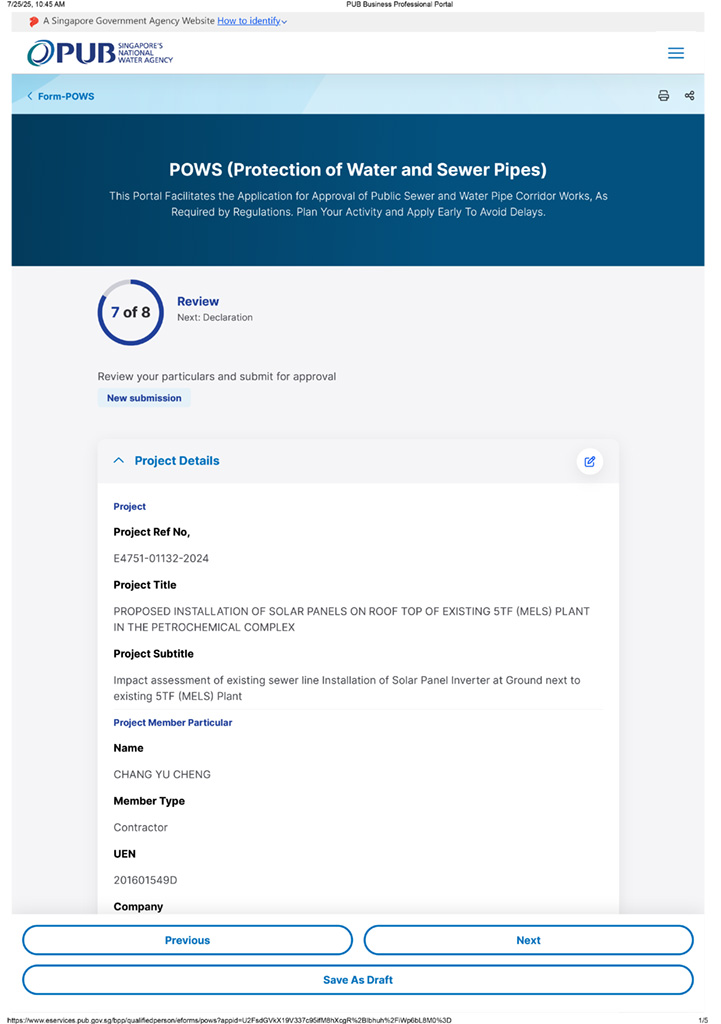
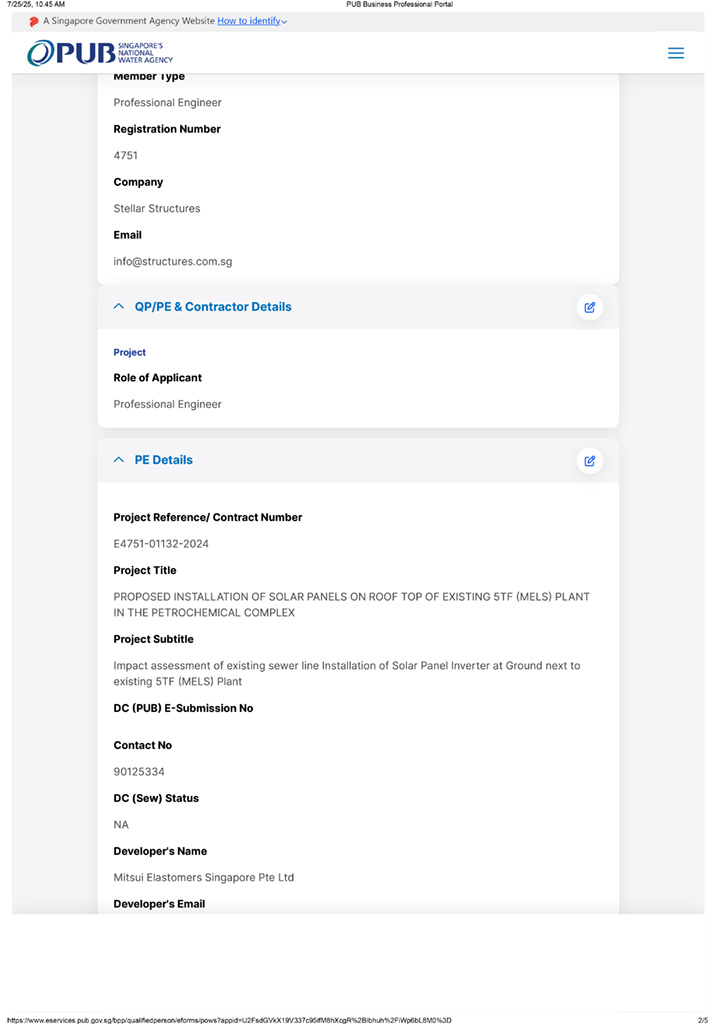
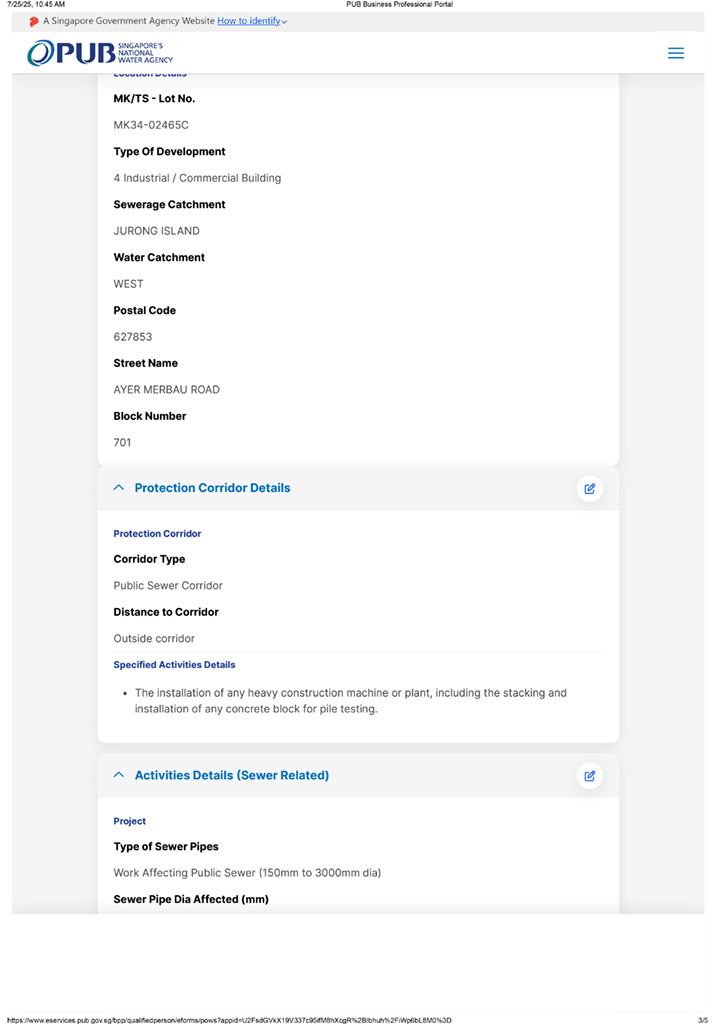
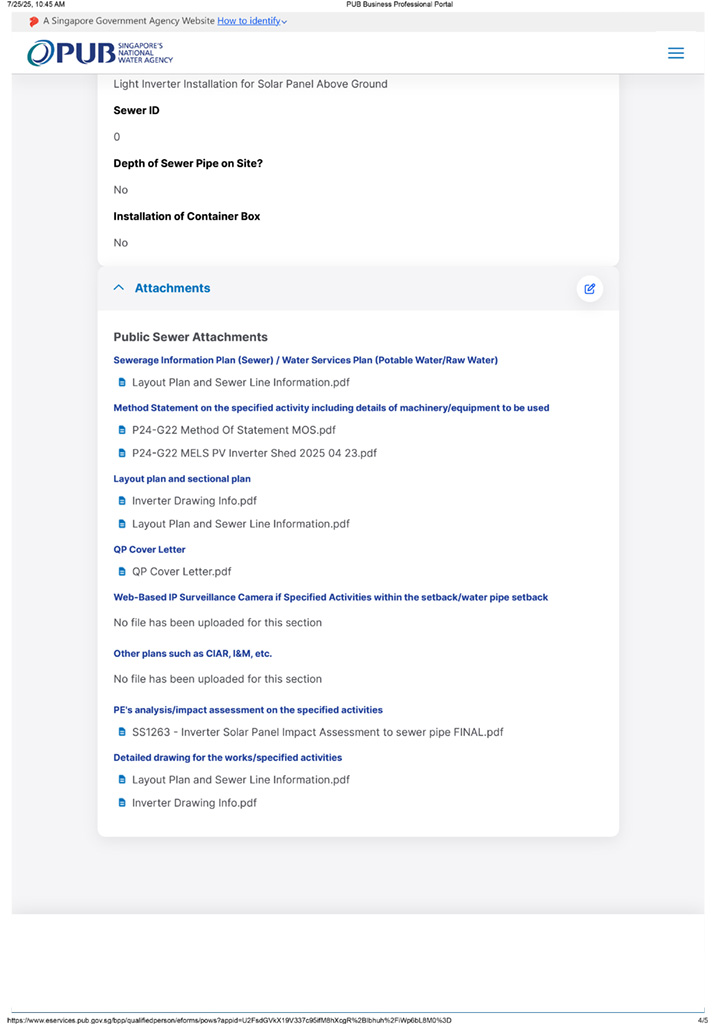

PUB has digitalized the submission process through the Building Plan Management System (BPMS), which interfaces with the Construction and Real Estate Network (CORENET) system. Licensed plumbers must be registered users of this system and maintain their digital certificates for authentication. The online platform streamlines the submission process but requires familiarity with digital documentation standards and file formatting requirements.
PUB’s Code of Practice (COP) on Sewerage and Drainage Works serves as the primary reference document for licensed plumbers. This comprehensive guide outlines best practices, design principles, and installation requirements for all sewerage and drainage works. The COP is regularly updated to incorporate new technologies, materials, and methodologies, ensuring that Singapore’s plumbing standards remain at the forefront of international best practices.
In addition to the COP, licensed plumbers must also be familiar with relevant Singapore Standards (SS) that apply to plumbing works. These include standards for pipe materials, testing procedures, and installation practices. Compliance with these standards is mandatory and forms part of the inspection criteria used by PUB officers when approving completed works.