
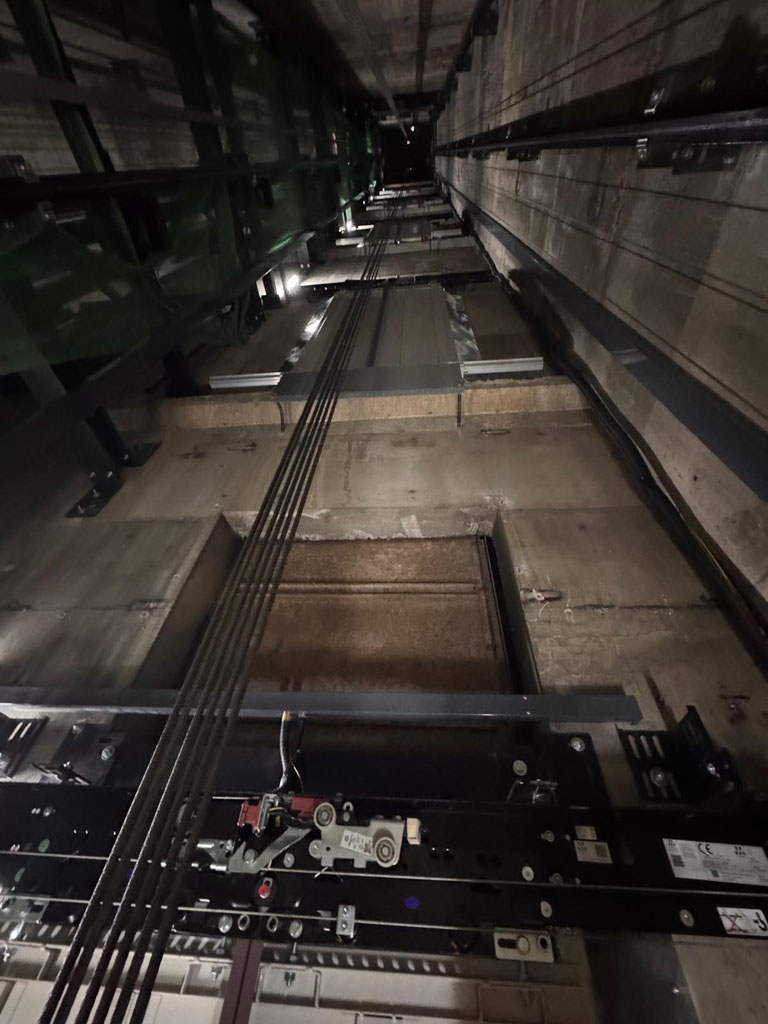
Comprehensive analysis of structural failures including collapse investigations, progressive collapse analysis, and determination of failure mechanisms. Our experts employ advanced analytical techniques and field investigations to identify root causes and contributing factors.
Detailed examination of construction defects including poor workmanship, material deficiencies, and design errors. We provide thorough documentation and expert testimony for resolution of construction disputes.
State-of-the-art diagnostic services using non-destructive testing methods, structural health monitoring, and performance evaluation to assess building condition and identify potential issues before they become critical.
Provision of expert testimony in legal proceedings related to construction disputes, insurance claims, and liability cases. Our experts provide clear, unbiased technical explanations to support fair resolution of complex engineering matters.
Rapid response damage assessment following natural disasters, accidents, or other incidents. We provide immediate structural safety evaluations and detailed damage quantification for insurance and repair purposes.
Development of innovative remedial solutions for structural deficiencies, including strengthening designs, repair specifications, and rehabilitation strategies that restore structural integrity while minimizing disruption.
With Singapore’s emphasis on architectural innovation and the prevalence of high-rise buildings with complex façade systems, specialized façade investigation services have become increasingly important. Following several high-profile incidents involving falling façade elements, the BCA introduced mandatory periodic façade inspection requirements for buildings above a certain height and age.
Forensic engineers specializing in façade investigations employ a range of techniques including visual inspections, tap testing, pull-off tests, and infrared thermography to assess the condition of external wall systems. These investigations focus on identifying potential safety hazards such as spalling concrete, corroded fixings, degraded sealants, and delaminated cladding materials.
The complexity of modern façade systems, which may incorporate multiple materials and sophisticated attachment systems, requires forensic engineers to possess deep knowledge of material science, structural behavior, and weathering mechanisms. Investigations must consider the interactive effects of thermal movement, moisture infiltration, and structural deformation on façade performance.
Singapore’s challenging geotechnical conditions, including areas of reclaimed land, marine clay deposits, and variable soil conditions, make foundation forensics a critical specialty area. Forensic engineers investigating foundation-related problems must understand the complex interactions between structures, foundations, and supporting soils.
Foundation investigations often involve sophisticated techniques such as pile integrity testing, cross-hole sonic logging, and ground penetrating radar surveys. These non-destructive methods allow engineers to assess the condition of deep foundations without extensive excavation, minimizing disruption to building operations.
Settlement monitoring and analysis forms a crucial component of foundation forensics in Singapore. With many buildings constructed on compressible soils or near ongoing construction activities, forensic engineers must be able to distinguish between acceptable settlement patterns and those indicating potential structural distress.
Singapore’s tropical climate, characterized by high rainfall and humidity, makes water ingress investigations a frequent requirement. Forensic engineers specializing in building envelope performance must understand the complex mechanisms of water penetration and the various pathways through which moisture can enter buildings.
These investigations employ a systematic approach that begins with comprehensive visual inspections and documentation of water damage patterns. Advanced diagnostic techniques such as water testing, thermal imaging, and moisture mapping help identify the sources and pathways of water infiltration.
The investigation process often includes review of design details, construction records, and maintenance history to understand how building envelope systems were intended to function and how they may have been compromised. Forensic engineers must also consider the effects of aging, weathering, and modifications on building envelope performance.
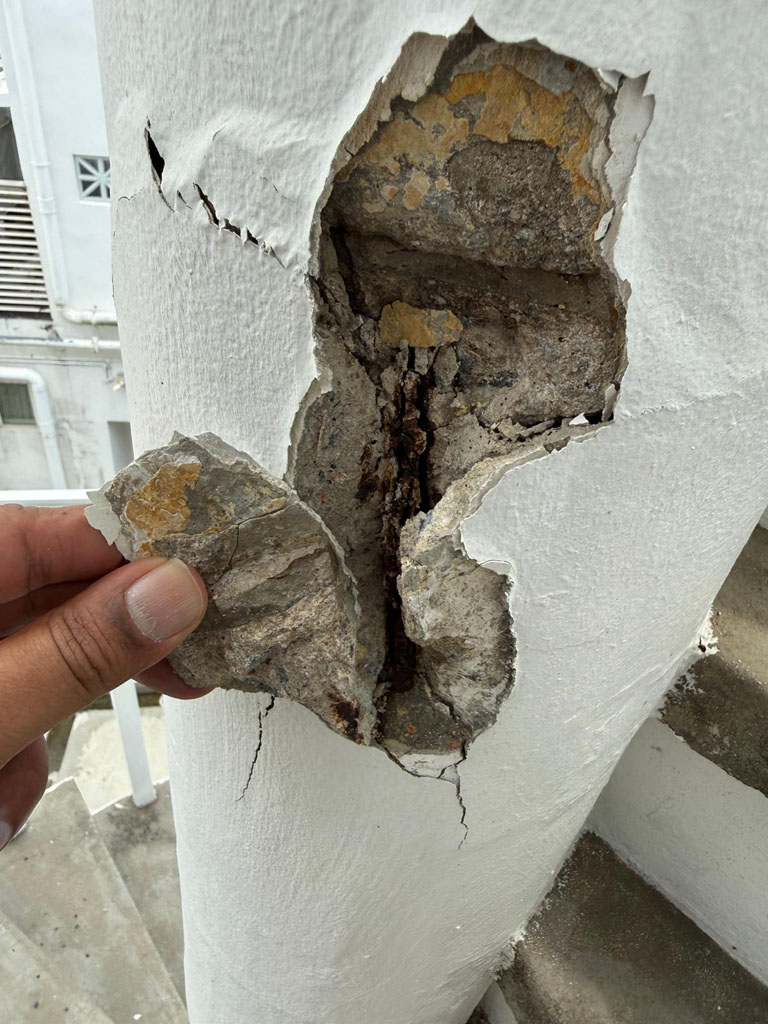
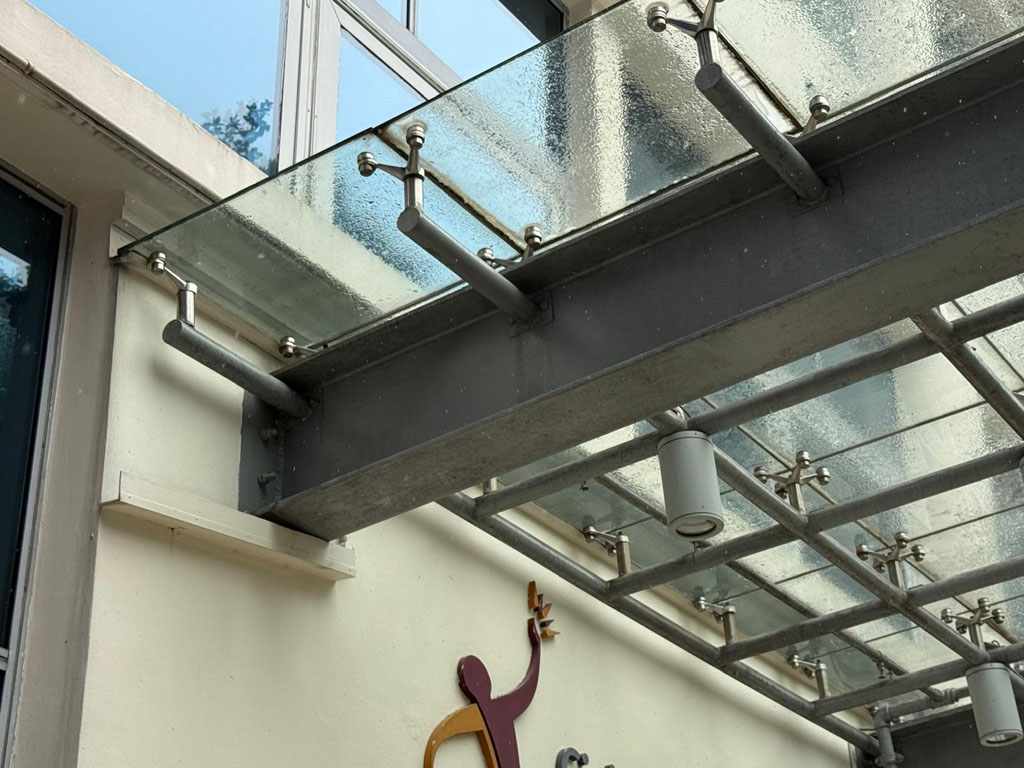
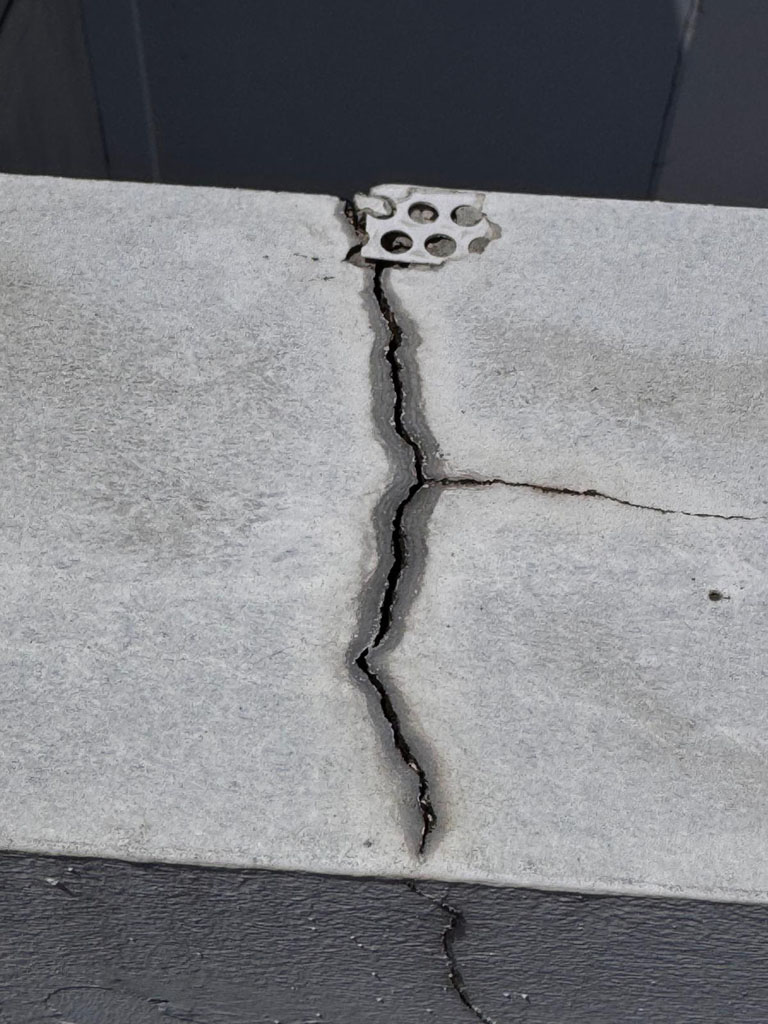
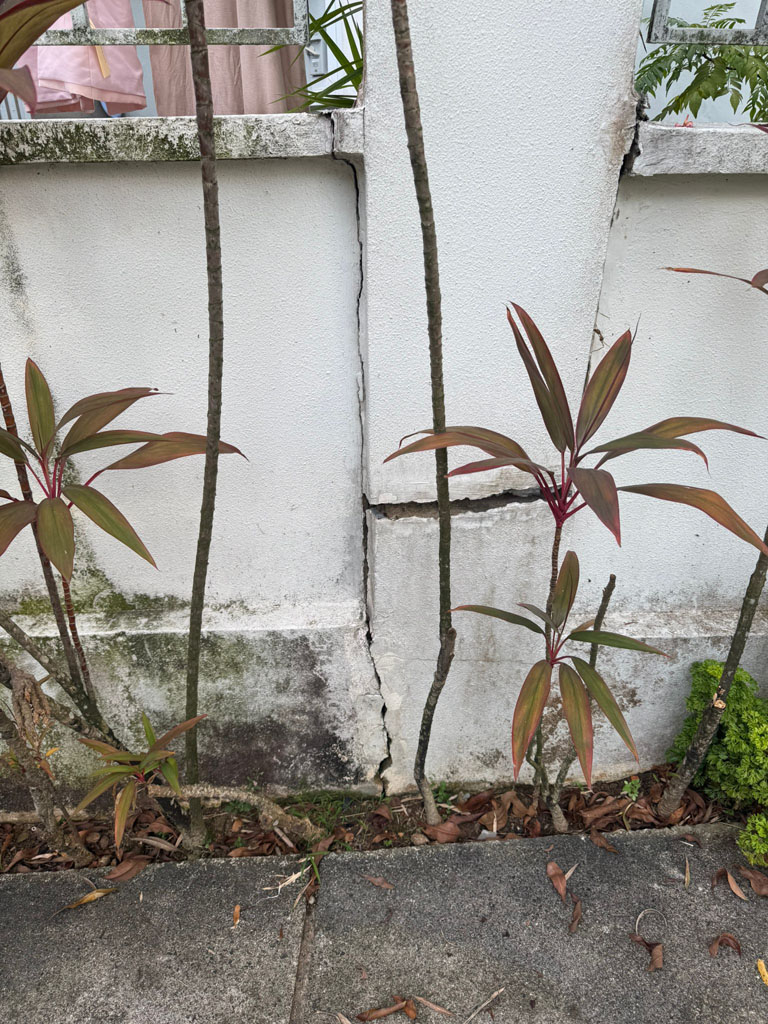
During preliminary assessments, forensic engineers document visible signs of distress, identify potential safety hazards, and evaluate access requirements for detailed investigations. They may also conduct initial measurements and photographic documentation to establish baseline conditions and guide the development of detailed investigation plans.
The detailed visual inspection represents the cornerstone of forensic engineering investigations. Despite advances in technology and testing methods, the trained eye of an experienced forensic engineer remains one of the most valuable diagnostic tools. These inspections involve systematic examination of all accessible areas of the structure, with particular attention to areas of reported distress or suspected deficiency.
Forensic engineers employ standardized documentation methods to ensure comprehensive and consistent recording of observations. This typically includes detailed sketches, measurements of crack widths and patterns, photographic documentation with scale references, and written descriptions of observed conditions. The use of standardized forms and checklists helps ensure that no critical observations are overlooked.
Non-destructive testing methods have revolutionized forensic engineering practice by allowing detailed investigation of structural conditions without damaging the building fabric. These sophisticated techniques provide quantitative data about material properties, hidden defects, and structural integrity that cannot be obtained through visual inspection alone.
Common NDT methods employed in Singapore include ultrasonic pulse velocity testing for concrete quality assessment, rebound hammer testing for surface hardness evaluation, and cover meter surveys for reinforcement location and depth determination. More advanced techniques such as impact echo testing, ground penetrating radar, and infrared thermography are increasingly used for specialized investigations.
In cases where structural capacity is in question, forensic engineers may recommend load testing to directly assess structural performance. These tests involve applying controlled loads to structural elements while monitoring deflections, strains, and other response parameters. Load testing provides direct evidence of structural capacity and can validate or refute theoretical analyses.
Forensic investigations often require sophisticated structural analysis to understand failure mechanisms and assess remaining capacity. Modern forensic engineers employ advanced finite element analysis software to model complex structural behaviors and investigate various failure scenarios. These analyses must account for actual material properties, support conditions, and loading patterns determined through field investigations.
The modeling process in forensic engineering differs significantly from design-phase analysis. Forensic engineers must account for deterioration, construction defects, and actual versus designed conditions. This requires iterative refinement of models based on field observations and test results, with sensitivity analyses to understand the influence of various parameters on structural behavior.
The investigation of corroded marine structures often begins with detailed condition mapping to identify different exposure zones and corrosion patterns. Splash zones typically experience the most severe deterioration, while submerged zones may show different corrosion mechanisms. Forensic engineers must understand these spatial variations to develop appropriate sampling and testing strategies.
Cathodic protection systems, commonly used to protect marine structures, require specialized expertise to investigate. Forensic engineers must assess whether these systems are functioning properly and providing adequate protection. This involves measurement of structure-to-electrolyte potentials, assessment of anode consumption, and evaluation of current distribution. Failures in cathodic protection can lead to rapid deterioration of marine structures.
Common issues investigated in bridge structures include concrete spalling due to reinforcement corrosion, fatigue cracking in steel elements, and bearing failures. The investigation process must consider the critical nature of these structures and often involves night work to minimize traffic disruption. Rapid assessment techniques are essential for identifying safety-critical defects that require immediate attention.
The use of advanced monitoring systems on critical bridges allows forensic engineers to track structural performance over time. Strain gauges, accelerometers, and displacement transducers provide data on how structures respond to traffic loads and environmental conditions. This information is invaluable for calibrating analytical models and predicting remaining service life.
| Investigation Type | Common Issues | Key Methods |
|---|---|---|
| Building Facade | Spalling, water leakage, falling elements | Visual inspection, tap testing, IR thermography |
| Structural Concrete | Cracks, corrosion, strength deficiency | Core testing, carbonation depth, chloride content |
| Steel Structures | Corrosion, connection failures, fatigue | UT thickness, dye penetrant, load testing |
| Foundation | Settlement, bearing capacity, pile defects | PIT, crosshole sonic, load testing |
| Water Ingress | Roof leaks, facade leaks, basement seepage | Water testing, thermal imaging, moisture mapping |