
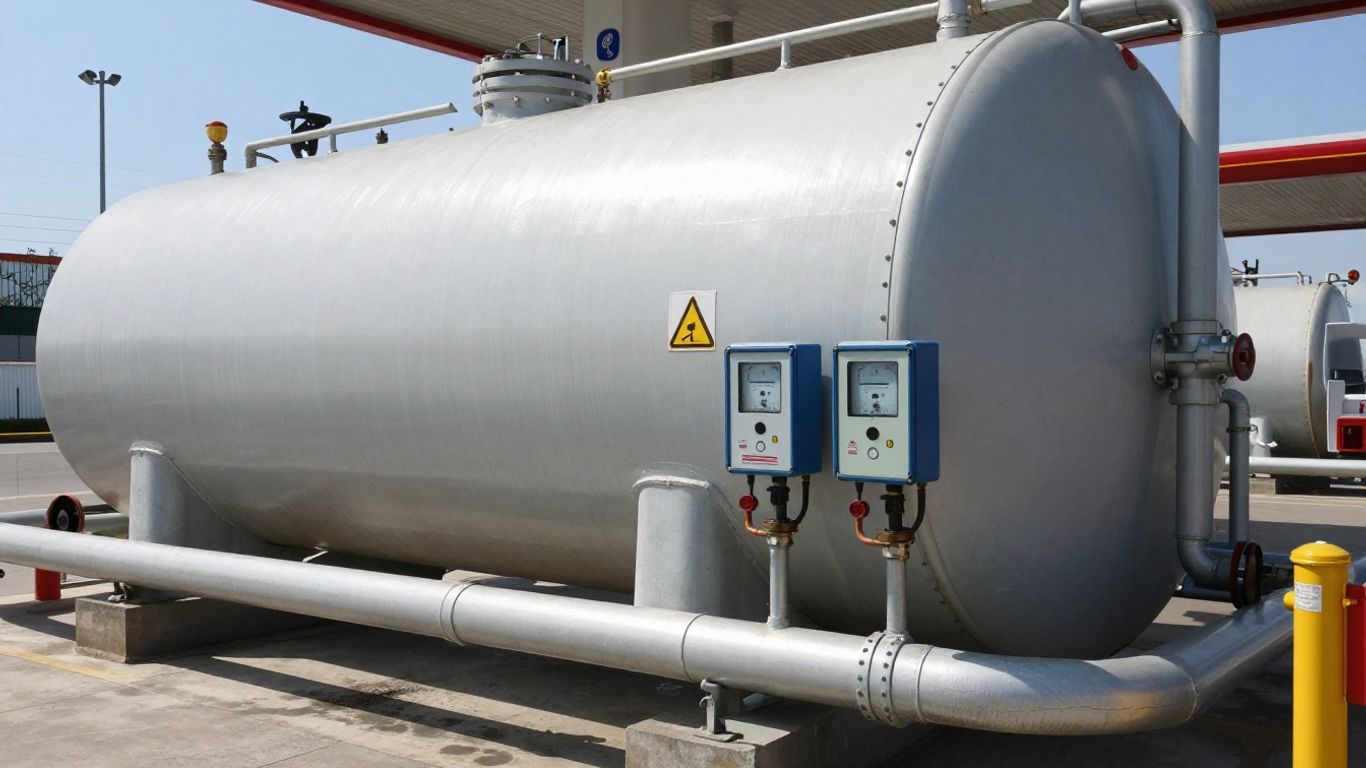
So, you’ve got diesel tanks to deal with, huh? It’s not exactly like setting up a coffee machine. There are rules, and they’re pretty serious, especially when you’re talking about flammable stuff. The Singapore Civil Defence Force, or SCDF, has a whole system for this, called the Petroleum & Flammable Material (P&FM) license. Getting this sorted for your SCDF diesel tank setup is super important. It’s all about making sure things don’t go boom or catch fire, which, let’s face it, would be a really bad day for everyone.
Key Takeaways
- Getting the SCDF P&FM storage license is mandatory for storing certain amounts of diesel and other flammable materials. It’s a key part of fire safety.
- The application process involves detailed technical submissions, site assessments, and often requires working with qualified professionals like engineers and inspectors.
- SCDF regulations are based on a risk-based approach, meaning the stricter the potential danger, the more safety measures are needed.
- Proper documentation, including drawings and calculations, is vital for your SCDF diesel tank submission to be approved.
- Ongoing compliance, like keeping records accurate and exits clear, is just as important as the initial submission.
Understanding SCDF P&FM Regulations for Diesel Tank Installations
So, you’ve got diesel tanks to manage. That means you’re going to run into the Singapore Civil Defence Force (SCDF) and their rules about Petroleum and Flammable Materials, or P&FM for short. It’s not just about having a tank; it’s about making sure it’s stored and handled in a way that keeps everyone safe. Think of it as a necessary step to avoid any nasty surprises, like fires or explosions.
The Role of the Fire Safety Act in P&FM Regulation
The whole system for handling flammable stuff in Singapore is built on the Fire Safety Act. This is the main law that sets the stage. Specifically, there are parts of it that deal directly with petroleum and flammable materials. It’s the foundation for all the detailed rules and guidelines the SCDF puts out. So, when we talk about P&FM, we’re really talking about following the safety principles laid out in this Act. It’s the bedrock for everything else.
Key Objectives of P&FM Licensing
Why all the fuss about licenses? It boils down to safety, plain and simple. The SCDF wants to prevent fires and explosions before they even have a chance to start. This means they need to be sure that any facility storing these materials has the right setup, follows the right procedures, and has people who know what they’re doing. It’s all about protecting people, the community, and the environment. They’re aiming for a secure environment, and the licensing process is their way of making sure that happens.
Distinguishing SCDF P&FM from Other Regulatory Bodies
It’s easy to get confused with different government agencies, but when it comes to storing flammable materials, the SCDF is the main authority. Other groups might look at environmental impact or general worker safety, but the SCDF’s P&FM licensing is laser-focused on the fire and explosion risks specific to these substances. They have their own set of standards, like those found in guides for P&FM storage licenses, that are designed for these particular hazards. So, if you’re storing anything that falls under the P&FM umbrella, the SCDF is who you need to work with. Their approach is very much risk-based, meaning the higher the potential danger, the more strict the safety measures need to be. It’s a sensible way to manage risks, making sure efforts are concentrated where they’re needed most. For example, while UL Certified tanks are important for safety, the SCDF regulations dictate the specific requirements for their use and installation. Double-wall FRP underground fuel storage tanks are a good example of technology meeting these standards.
Navigating the SCDF P&FM Storage License Application Process
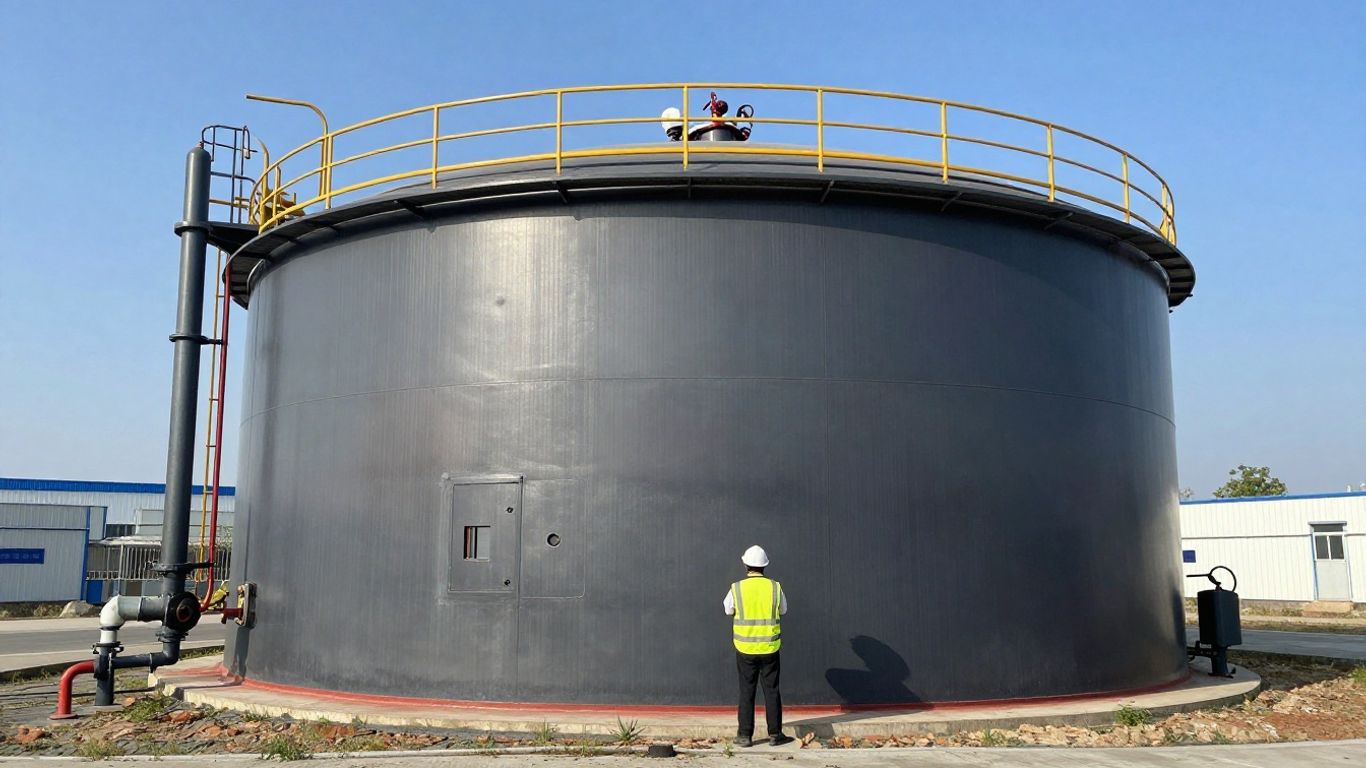
Getting the green light from the Singapore Civil Defence Force (SCDF) for storing petroleum and flammable materials (P&FM) involves a structured process. It’s not just about filling out a form; it’s a detailed procedure designed to ensure safety. Think of it as a roadmap you need to follow carefully. The whole point is to make sure that any facility handling these materials does so in a way that minimizes risks to people and property. This means a lot of attention to detail is needed from the very beginning.
P&FM License Application Workflow
The journey to obtaining a P&FM storage license has several key stages. It’s a good idea to get familiar with these steps so you know what to expect. Most of the process is handled online, which can streamline things, but you still need to be prepared.
- Initial Consultation: Before diving deep, it’s wise to have a preliminary chat. This is where you can discuss your project, understand specific requirements, and flag any potential issues early on. Sometimes, you might need to check if a Quantitative Risk Assessment (QRA) is necessary, which is usually determined by the Major Hazards Department.
- Engaging Qualified Persons (QP): You’ll need to bring in professionals. A Qualified Person, often a registered architect or engineer, is essential. They’re responsible for preparing the building plans, making sure they meet all the fire safety codes and SCDF standards. They’ll be your technical guide through much of this.
- Design and Submission: With your QP on board, detailed designs are developed. These plans, along with other required documents, are then submitted through the relevant systems. This is where you officially present your proposed setup to the SCDF for review. The SCDF submission for diesel tank facilities is a detailed and complex procedure. It demands careful planning and a high level of attention to ensure all requirements are met.
- SCDF Review and Approval: The SCDF will go over your submitted plans. They might ask for clarifications or revisions. Once they’re satisfied that everything aligns with safety regulations, they’ll approve the plans.
- Construction and Inspection: After plan approval, construction or modifications can begin. Once completed, a Registered Inspector (RI) will come in to certify that the work matches the approved plans and meets all safety standards.
- License Issuance: With the Fire Safety Certificate in hand and all other requirements met, you can then apply for the P&FM Storage License, often through the GoBusiness Portal. The SCDF will provide an outcome to P&FM Storage Licence application within 19 working days, when submission and site inspection are in order.
The entire application process is designed to be thorough. It’s not just about ticking boxes; it’s about building a safe environment from the ground up. Missing a step or providing incomplete information can lead to delays, so staying organized is key.
Engaging Qualified Persons and Registered Inspectors
Finding the right professionals is a big part of this. A Qualified Person (QP) is a registered professional who has the technical know-how to design your facility according to the stringent fire safety codes. They prepare and submit the necessary plans. On the other hand, a Registered Inspector (RI) is crucial for the final checks. They are independent professionals who certify that the construction and installed systems comply with the approved plans and regulations before the SCDF issues the final license. You can’t really get far in this process without them.
Technical Submission Requirements
When you submit your application, the technical documents are what the SCDF will scrutinize. This isn’t just a simple drawing; it’s a package of detailed information. You’ll need to provide architectural drawings showing the layout, tank locations, secondary containment, and fire protection equipment. Structural drawings and calculations are also vital, proving that your tanks and supporting structures are sound and can withstand potential stresses. Fire safety plans need to clearly map out escape routes, fire compartmentation, and the location of safety equipment. All of this needs to be presented in a format that meets SCDF’s specific standards. All storage of P&FM must be indicated in building plans submitted to SCDF for approval.
Fundamental Principles of P&FM Regulation
The whole idea behind regulating petroleum and flammable materials (P&FM) storage isn’t just about ticking boxes; it’s built on some pretty solid ideas to keep everyone safe. The Singapore Civil Defence Force (SCDF) uses a risk-based approach as the main way to figure things out. This means they look at what you’re storing, how much of it you have, and where it is, then decide how strict the safety rules need to be. It’s a smart way to focus on the biggest dangers.
Risk-Based Approach to Safety
This approach is all about tailoring safety measures to the actual danger. A small amount of something less risky won’t need the same level of control as a huge tank of highly flammable liquid. The SCDF assesses the potential hazards – like fire or explosion – and then applies rules that match that specific risk. It’s not a one-size-fits-all situation. This makes sure that safety efforts are put where they’re most needed, making the whole system more effective.
Classification of Petroleum and Flammable Materials
To manage risks properly, you first need to know what you’re dealing with. P&FM are grouped into different classes based on how easily they can ignite and burn. This classification is super important because it directly affects how much you can store before needing a license and what kind of safety precautions are required. For example, Class 0 petroleum, which ignites very easily, has much lower storage limits compared to Class II petroleum.
Here’s a quick look at some common thresholds:
| Material Class | Storage Type | Threshold Quantity | License Required Above |
|---|---|---|---|
| Class 0 Petroleum | Above-ground | 5,000 liters | Yes |
| Class 0 Petroleum | Underground | 20,000 liters | Yes |
| Class I Petroleum | Above-ground | 20,000 liters | Yes |
| Class I Petroleum | Underground | 40,000 liters | Yes |
| Flammable Gases | Aggregate | 1,000 liters | Yes |
Key Threshold Quantities for Common Materials
Knowing these numbers is really the first step in figuring out your licensing needs. If you’re storing diesel, for instance, you’ll need to know its classification and compare your total volume against these limits. It’s not just about one tank either; the SCDF often looks at the total amount stored on a site. Exceeding these amounts means you’ll need to go through the process of getting a P&FM transportation licence or a storage license, depending on your activity. It’s better to be aware of these limits upfront to avoid any surprises or penalties down the line. You might need to consult with DSTA for guidance on specific submissions depending on your location and project type.
The entire system is designed to prevent major incidents. By understanding how materials are classified and what quantities trigger regulatory attention, businesses can better prepare their facilities and operations to meet safety standards. It’s about proactive safety management, not just reacting to problems.
Technical Standards and Design Considerations for SCDF Diesel Tank Facilities
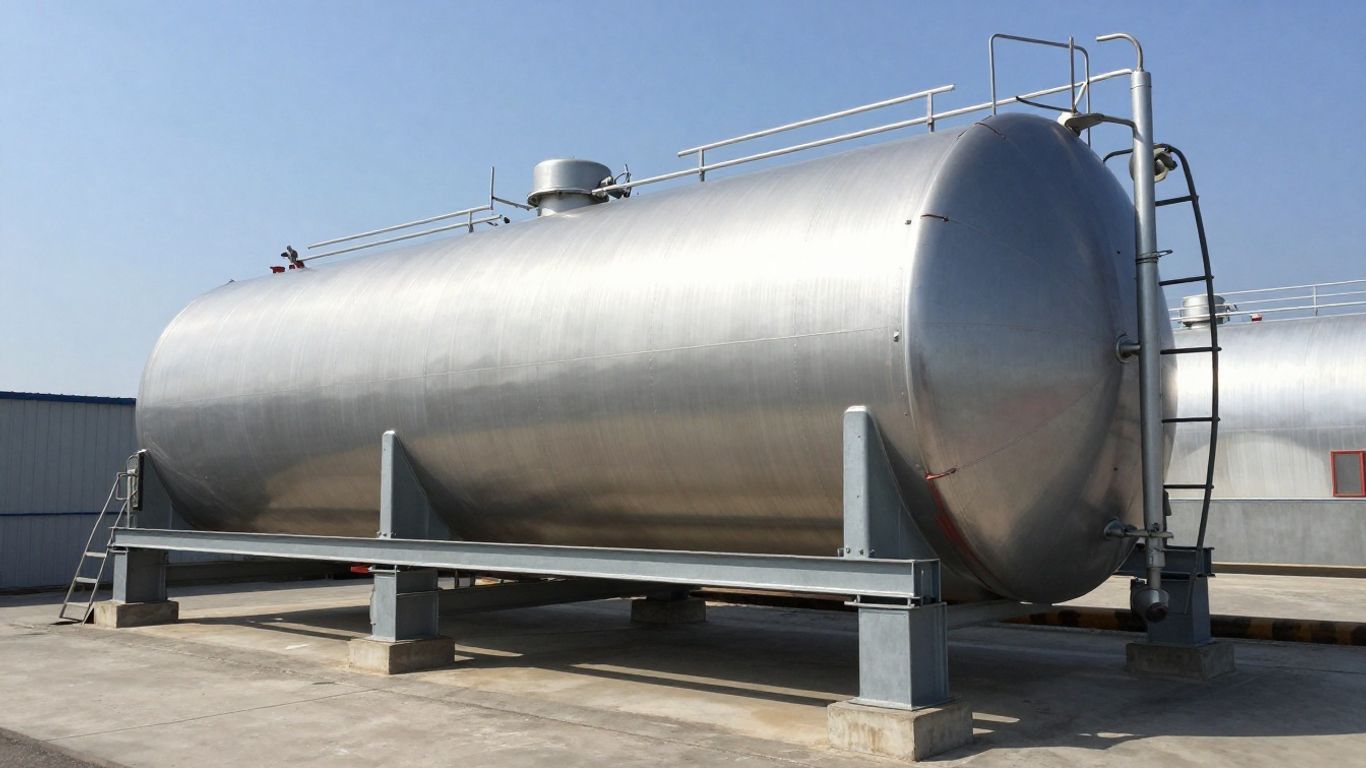
When you’re setting up diesel tanks, especially for industrial or commercial use, there are some pretty specific technical standards and design ideas you’ve got to keep in mind. It’s not just about digging a hole and dropping a tank in; there’s a whole lot more to it to make sure everything is safe and meets the Singapore Civil Defence Force (SCDF) requirements. They’ve got rules for a reason, and understanding them is key to getting your P&FM license sorted.
Technical Standards and Codes of Practice
Singapore uses a mix of local and international standards to make sure these facilities are built right. The main local one is the Singapore Standard SS 532, which covers pretty much everything from how the tanks themselves are made and installed to the piping, fire protection, and even how you should be checking things over time. It’s updated regularly, so it’s always a good idea to check for the latest version. Beyond that, you’ll often see international standards referenced, like those from the National Fire Protection Association (NFPA), especially NFPA 30 for flammable liquids. These provide detailed guidance that complements the local rules. Following these standards is non-negotiable for SCDF approval.
Site Assessment and Geotechnical Investigations
Before you even think about pouring concrete, you need to really look at the site. Where is it located? What’s the land like? Is it flat or sloped? All these things matter. The topography affects how water will drain and how easy it is for emergency vehicles to get around. Then there’s the ground itself. You’ve got to do geotechnical investigations to figure out the soil conditions. This is super important because those big diesel tanks, especially when full, weigh a ton. You need to know if the ground can handle that weight without sinking or causing problems. If you’re in an area with soft soil, which is common in some parts of Singapore, you might need special foundations. This groundwork is critical for the stability and safety of the entire facility.
Secondary Containment Systems Design
This is a big one. Secondary containment is basically a backup plan in case the main tank leaks. Think of it as a big basin or bund wall around the tank. The SCDF has specific rules about how big this containment area needs to be. Generally, it needs to hold a certain percentage of the largest tank’s volume, or a combination of volumes, to catch any spills. The design has to be robust enough to hold the liquid and withstand potential impacts, like a tank failure. The floor of the containment area also needs attention; it should be sealed and sloped towards a collection point, and made of materials that won’t break down if diesel gets on them. This system is vital for preventing environmental contamination. You can find more details on P&FM storage licenses and their requirements.
Designing these systems isn’t just about meeting a minimum volume requirement. It’s about creating a reliable barrier that protects the environment and allows for safe cleanup if a spill ever occurs. The materials used, the construction methods, and the drainage arrangements all need careful consideration to ensure the system functions as intended under various conditions.
Documentation and Review for P&FM Diesel Tank Submissions
Getting your diesel tank setup approved by the SCDF involves a lot of paperwork and a thorough look-over by the authorities. It’s not just about having the tank; it’s about proving it’s safe and meets all the requirements. This part of the process can feel a bit daunting, but understanding what’s needed makes it much smoother.
Documentation Requirements for Submissions
When you submit your plans for a diesel tank installation, you’re essentially presenting a detailed case for why it’s safe. This means providing a whole package of documents. Think of it like building a portfolio for your project. You’ll need architectural drawings that clearly show where everything is – the tanks, the access roads, even the drainage. These drawings need to be precise, with all the right scales and labels. Then there are the structural drawings and calculations. These prove that the tanks and their foundations are solid and can handle the weight and any environmental stresses. All these calculations need to be signed off by a Qualified Person (QP).
Here’s a quick rundown of what’s typically required:
- Architectural Drawings: Site layout, tank locations, secondary containment, fire equipment, access routes, and drainage.
- Structural Drawings & Calculations: Foundation design, tank integrity, seismic considerations, and structural fire protection.
- Process Flow Diagrams: Showing how the fuel will be handled and transferred.
- Fire Safety Plans: Detailing fire detection, suppression systems, and emergency exits.
- Risk Assessment Reports: Outlining potential hazards and mitigation strategies.
Technical Review Process by SCDF
Once you’ve submitted all your documents, they go to the SCDF for a technical review. This isn’t a quick glance; it’s a deep dive by specialists. They’ve got folks who know fire safety inside and out, chemical engineers, and structural experts all looking at your submission. This review can take a few weeks, sometimes longer for really complex projects. They’re checking everything from the ground up – the structural soundness, the fire protection systems, how materials are classified, and your operational safety procedures. It’s a multi-faceted check to make sure no stone is left unturned. They want to be sure your facility is safe for everyone.
The SCDF’s review process is designed to be thorough, examining your submission from various technical angles to confirm it aligns with safety standards and regulations. This detailed scrutiny is vital for preventing potential incidents.
Computational Fluid Dynamics (CFD) Modeling
For some submissions, especially those involving complex layouts or unique fire scenarios, you might need to use Computational Fluid Dynamics (CFD) modeling. This is a pretty advanced computer simulation that shows exactly how fire and smoke would behave in your specific setup. It solves complex equations to predict things like temperature changes and how smoke would spread. It’s a powerful tool for analyzing smoke control in large spaces or tricky areas where simpler methods just won’t cut it. Using CFD helps demonstrate that your safety measures will actually work when they’re needed most. You can find more details on P&FM storage licenses and their requirements.
This detailed documentation and review process is all part of the effort to get a Petroleum and Flammable Material Storage License and keep your diesel tank operations safe and compliant.
Ensuring Ongoing Compliance with P&FM SCDF Standards
So, you’ve got your P&FM storage license sorted, or you’re in the process. That’s great! But holding the license is just the first part. The real work is keeping things safe day-to-day. The Singapore Civil Defence Force (SCDF) has a list of rules, and you absolutely have to follow them. It’s not just about avoiding fines; it’s about making sure nobody gets hurt and nothing catches fire.
Maintaining an Accurate Chemical Register
First off, you need to know exactly what you have. This means keeping a detailed list, or a chemical register, of all the petroleum and flammable materials stored on your premises. This isn’t just a headcount; it needs to include quantities, where they came from, where they’re going, and importantly, their safety data sheets (SDS). Think of it as your facility’s inventory, but with a much bigger emphasis on safety. This register is your first line of defense in understanding your risks. It helps you track potential hazards and ensures you’re not storing more than you’re allowed. Keeping this up-to-date is a key part of your P&FM storage license requirements.
Ensuring Unobstructed Exits and Passageways
This one seems pretty obvious, right? Keep the exits clear. But it’s more than just not blocking the doors. All pathways, corridors, and emergency exits need to be completely free of any obstructions. This is critical for two reasons: quick evacuation if something goes wrong, and easy access for firefighters and emergency responders. Imagine a fire starting, and people can’t get out because a pallet of supplies is in the way. Or worse, the fire trucks can’t get close enough because equipment is blocking the access route. It’s a non-negotiable rule.
Adhering to Safe Stacking and Cleanliness Standards
How you stack your materials matters a lot. You can’t just pile things up haphazardly. There are specific guidelines for stacking containers to ensure stability and prevent them from toppling over, especially if there’s a tremor or impact. This helps limit how quickly a fire can spread. Alongside stacking, cleanliness is key. Your storage area needs to be kept tidy, free from any waste, debris, or anything that could easily catch fire. Think of it as keeping your workspace clean, but with much higher stakes. Regular inspections will check these points, so it’s best to stay on top of them.
Keeping your facility compliant with SCDF regulations isn’t a one-time task. It requires ongoing attention to detail and a commitment to safety protocols. Regularly reviewing your chemical register, checking that all exits are clear, and maintaining a clean, well-organized storage area are all part of this continuous process. It’s about building a safety culture within your operations.
These conditions are part of the broader requirements for any facility holding a P&FM Storage License. Staying compliant means fewer headaches and a safer environment for everyone. Remember, proper documentation is essential for SCDF submissions and ongoing compliance management.
Quantitative Risk Assessments and Safety Measures for Flammable Sites
The Importance of Quantitative Risk Assessments (QRAs)
When you’re dealing with large amounts of diesel or other flammable stuff, just having a plan isn’t always enough. You really need to dig into what could go wrong and how bad it might get. That’s where Quantitative Risk Assessments, or QRAs, come in. These aren’t just a formality; they’re a deep dive into potential problems like fires or explosions. They help figure out the chances of something happening and what the fallout might be, not just on your property but for the surrounding areas too. The SCDF uses these assessments to see if your setup is safe enough or if you need to add more safety features. If your stored quantities hit certain levels, a QRA is a requirement. It’s a detailed look at what could happen outside your site, and it gives the authorities a clearer picture of your safety measures. You can find more details on P&FM storage licenses and their requirements.
Safety Measures for Preventing and Mitigating Diesel Tank Fires and Explosions
Preventing fires and explosions with diesel tanks is all about being proactive. It’s not just about having the right equipment, but also about having solid procedures in place.
- Regular Inspections: Keep an eye out for leaks, corrosion, or any damage to the tanks and surrounding pipes. Catching small issues early can prevent big problems.
- Fire Suppression Systems: Make sure you have working fire suppression systems, like sprinklers or foam systems, and emergency shutdown valves that can be quickly activated.
- Personnel Training: Your team needs to know what to do if something goes wrong. Regular training on emergency response and fire safety is a must.
- Ignition Source Control: Keep flammable vapors away from sparks or heat. This means proper ventilation and making sure electrical equipment is safe for hazardous areas.
A well-thought-out emergency response plan is critical. It needs to be practiced regularly through drills so everyone knows their role. This isn’t just about following rules; it’s about being prepared to act fast when it matters most.
Implementing Emergency Response Plans for P&FM SCDF Compliance
Having a solid emergency response plan is non-negotiable for P&FM SCDF compliance. It’s your roadmap for what to do when things go sideways. This plan needs to cover:
- Evacuation Procedures: Clear steps for getting everyone safely away from the danger zone.
- Communication Protocols: How you’ll alert staff, emergency services, and potentially the public.
- Containment and Mitigation: Actions to stop spills from spreading or to control a fire.
- Post-Incident Actions: Steps for recovery, reporting, and reviewing what happened to prevent future incidents.
Remember, a plan is only as good as the people who execute it. Regular drills and reviews are key to making sure your team is ready. This proactive approach is what the SCDF looks for to ensure your site is as safe as possible. For more on risk management, check out Process Hazard Analyses.
Wrapping It Up
So, getting your diesel tank sorted with the SCDF P&FM submission is a big deal. It’s not just about ticking boxes for the authorities; it’s really about keeping everyone safe. Think about it – these tanks hold a lot of fuel, and if something goes wrong, it could be really bad. Following the rules, making sure your paperwork is right, and keeping everything up to code means you’re doing your part to prevent fires and other nasty accidents. It might seem like a hassle sometimes, but in the end, it’s all worth it for peace of mind and a safer environment for everyone around.
Frequently Asked Questions
What is the SCDF P&FM license, and why is it important for diesel tanks?
The SCDF P&FM license is a permit from the Singapore Civil Defence Force that you need if you store certain amounts of flammable stuff, like diesel fuel. It’s super important because it shows you’re following safety rules designed to prevent fires and explosions, keeping people and the environment safe.
Do I always need a P&FM license for my diesel tank?
Not always! You only need a license if you store more than a specific amount of diesel. The exact amount depends on factors like whether the tank is above or below ground. It’s best to check the official rules to see if your storage quantity requires a license.
What kind of documents do I need to submit for a P&FM license for a diesel tank?
You’ll need to submit detailed plans of your diesel tank setup. This includes drawings showing the tank’s location, how it’s built, safety features like spill containment, and emergency access routes. You’ll also need calculations proving your design meets safety standards.
Who can help me with the P&FM submission process?
It’s highly recommended to work with a Qualified Person (QP), like a registered engineer or architect. They know all the rules and can help design your facility correctly and prepare the necessary documents. A Registered Inspector (RI) will also check that the construction matches the approved plans.
What happens after I submit my application for the P&FM license?
After you submit everything, the SCDF will review your plans carefully. They check if your design meets all the safety requirements. If everything is in order, they’ll approve it and issue your license. If not, they’ll tell you what needs to be changed.
Is getting the license a one-time thing, or do I need to do anything later?
Getting the license is just the start. You need to keep following the safety rules all the time. This means keeping your facility clean, making sure exits are clear, maintaining your equipment, and keeping an updated record of all the materials you store. Regular checks might happen to make sure you’re still compliant.