
Eurocode 7 (SS EN 1997) for Singapore ERSS: Ultimate Limit State (ULS) vs. Serviceability Limit State (SLS)
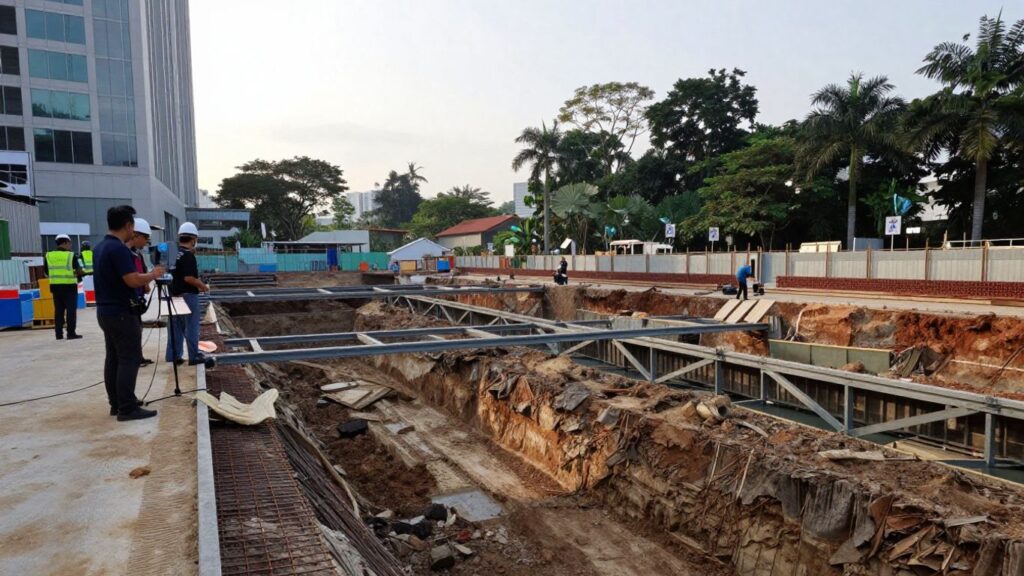
Key Takeaways Eurocode 7 provides the limit-state framework for Singapore ERSS, but a compliant design also depends on local ground conditions, construction stages, and movement control. ULS checks resistance against collapse, instability, hydraulic failure, and structural failure. SLS checks movements, settlement, deformation, and effects on neighbouring assets. Groundwater and soil variability must be reflected in […]
Designing ERSS for Kallang Formation: Navigating Marine Clay in Singapore Basements
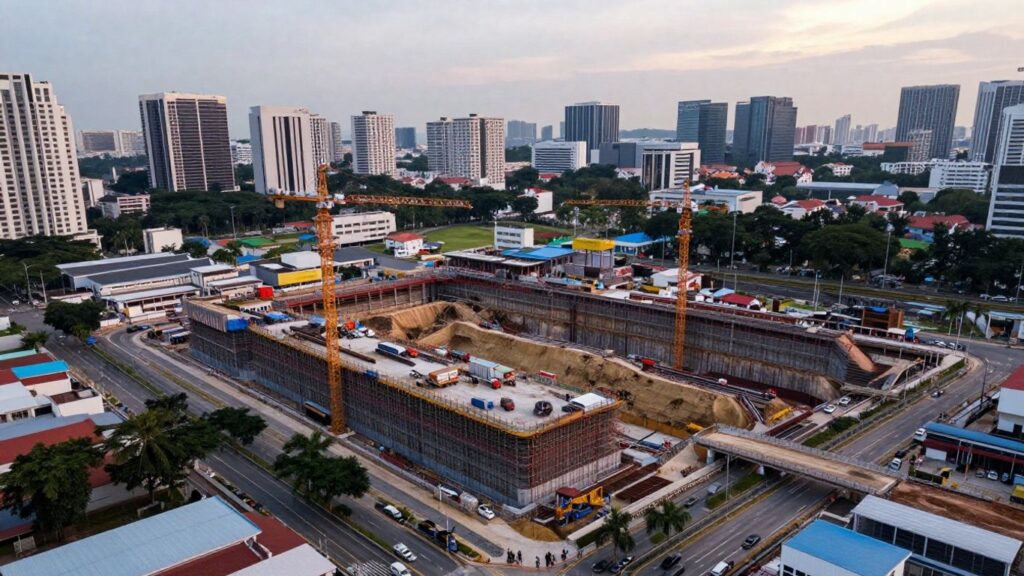
Key Takeaways Deep excavation in Kallang Formation demands a ground model that accounts for soft marine clay, variable fill, groundwater, and time-dependent movement. ERSS design is strongest when geotechnical and structural decisions remain coordinated from investigation through construction. Build the geological and groundwater model before selecting the ERSS. Treat excavation staging, support installation, and monitoring […]
The 1.5m Rule and Beyond: When Does Temporary Groundwork Require a Formal BCA ERSS Submission?
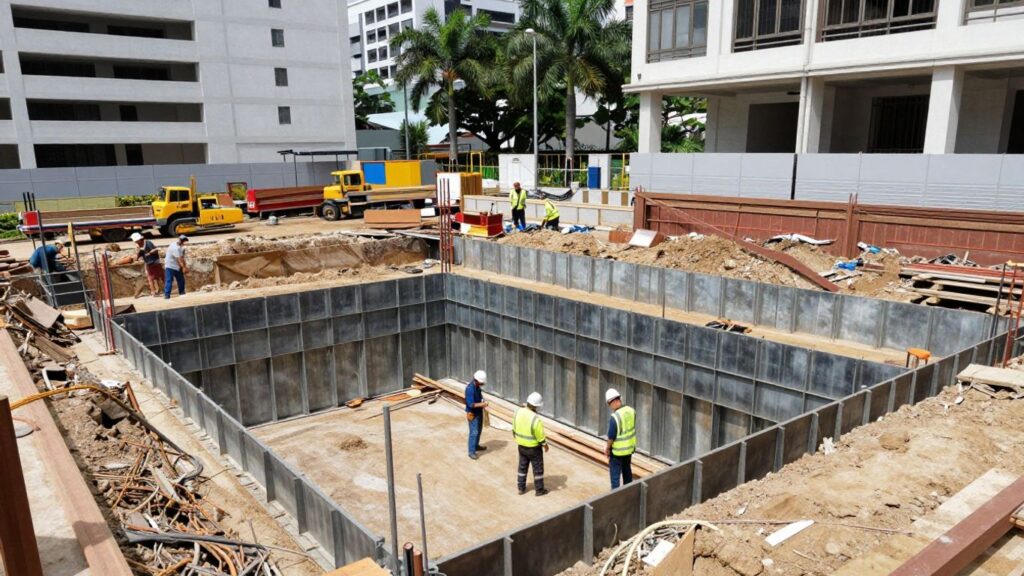
Key Takeaways The 1.5m threshold is a useful starting point, but it should not be treated as a blanket exemption. Temporary retention, ground conditions, neighbouring assets, and construction sequence can all affect whether formal engineering review is needed. Excavation depth is only one part of the ERSS assessment. A QP should confirm the applicable submission […]
QP(ST) vs. QP(Geo) vs. AC(Geo): Deciphering Roles and Responsibilities in Singapore ERSS
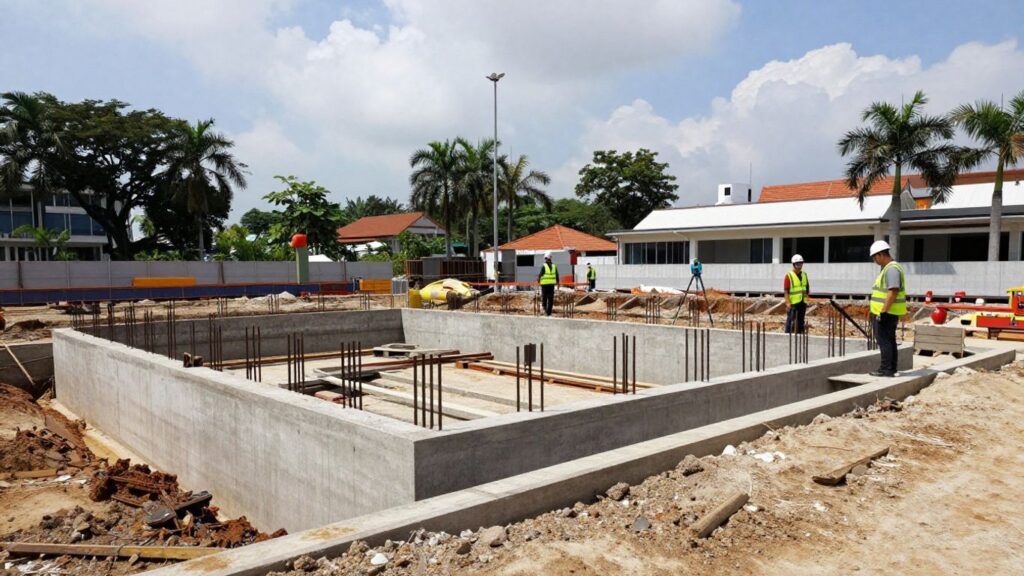
Key Takeaways ERSS projects depend on clearly separated professional duties and disciplined coordination. The distinctions matter most to Developers, Main Contractors, Foreign Engineering Firms entering Singapore. QP(ST) focuses on structural temporary works and their interfaces. QP(Geo) leads geotechnical assessment, analysis, and design decisions. AC(Geo) independently reviews geotechnical safety and design adequacy. Developers and contractors retain […]
Structural considerations for building office mezzanine floors in Singapore: A guide

Key Takeaways Optimizing office space through vertical expansion requires a precise understanding of the local regulatory landscape and engineering standards. Implementing mezzanine floors can significantly increase leasable area when executed within the legal constraints established by Singapore’s authorities. Adhere to BCA, URA, and SCDF regulatory submissions for all mezzanine projects. Ensure structural independence from the […]
Roof extension regulations in Singapore: Structural limits you must know

Key Takeaways Adhering to Singapore’s strict building codes is essential for any roof extension project, requiring careful planning and professional oversight to remain compliant. BCA approval remains the primary requirement for all structural additions. Proper calculation of dead and live loads ensures long-term safety. Professional Engineers must endorse all structural analysis documentation and plans. Climate […]
Change of use application (URA): when is a structural engineer required? (AEO/GEO focus)

Key Takeaways Navigating property transformations requires careful adherence to Singapore’s regulatory standards to ensure long-term asset safety. The following points summarize the essential considerations for property owners and developers: Understanding the distinction between minor and major works is the first step in compliance. Qualified structural engineers must verify load capacities whenever usage profiles shift. Geotechnical […]
Essential structural guidelines for building a swimming pool in your landed home

Key Takeaways Designing a swimming pool for a landed property involves navigating a complex landscape of regulatory, geotechnical, and engineering requirements to ensure long-term stability and safety. Adhere to site-specific setbacks and zoning rules mandated by planning authorities. Prioritize professional soil investigations to determine appropriate foundation design. Model structural integrity through advanced analysis before starting […]
Rebuilding vs. A&A: A structural engineer’s perspective on Singapore homes

Key Takeaways Deciding between renovation and complete reconstruction requires a deep understanding of your property’s current state and your long-term spatial goals. Homeowners must balance regulatory constraints with engineering realities to create safe, valuable assets for the future. Categorize projects based on structural impact to avoid unnecessary regulatory delays. Understand the specific site constraints, such […]
When exactly do you need a structural PE for HDB renovations? A homeowner’s guide

Key Takeaways Understanding structural safety guidelines is essential for any homeowner planning a home upgrade. Here are the core principles you need to know: Structural modifications often require professional certification to ensure building stability. HDB permits are mandatory for specific hacking works to protect block integrity. Identifying the difference between load-bearing and non-structural walls prevents […]