
Key Takeaways
Designing a swimming pool for a landed property involves navigating a complex landscape of regulatory, geotechnical, and engineering requirements to ensure long-term stability and safety.
- Adhere to site-specific setbacks and zoning rules mandated by planning authorities.
- Prioritize professional soil investigations to determine appropriate foundation design.
- Model structural integrity through advanced analysis before starting any concrete works.
- Implement multi-layered waterproofing systems to prevent subterranean structural degradation.
- Maintain continuous supervision and rigorous quality control throughout the construction phase.
Planning and regulatory requirements
Building a new private pool requires a structured approach to stay compliant with local statutes. Developers must coordinate with various government agencies to ensure that structural, safety, and land-use aspects are fully documented and approved before a single shovel hits the ground.
URA planning permission and setback requirements
Before finalizing your design, you must verify that your proposed pool location complies with plot ratio and boundary setback guidelines set by the Urban Redevelopment Authority. These setbacks exist to maintain neighborhood aesthetics and prevent encroachment on adjacent properties. Even minor adjustments to pool boundaries can necessitate a full resubmission of your architectural drawings.
BCA building plan submissions for residential pools
All residential pool projects require detailed building plans to demonstrate compliance with safety standards and life-cycle efficiency. The submission process involves demonstrating that the structural system, fire safety, and accessibility features are sound. You can refer to the APSP Builders Manual for a comprehensive overview of the design stages required in professional pool construction.
Engaging a professional engineer for compliance
Engaging a qualified professional to oversee your structural design is mandatory for ensuring safe load-bearing outcomes. A professional engineer translates regulatory requirements into technical plans that account for site constraints. This partnership helps you navigate the intricacies of municipal codes while ensuring your pool installation remains within structural safety margins throughout its lifespan.
Navigating neighborhood conservation and heritage guidelines
For properties located in designated conservation areas, special attention must be paid to how your pool installation impacts the existing heritage character of the home. Modifications that are simple in modern builds often require extensive assessment in conserved structures to prevent damage to historical foundations. Balancing modern amenity with legacy architecture requires precise, customized structural planning.
Geotechnical and site considerations
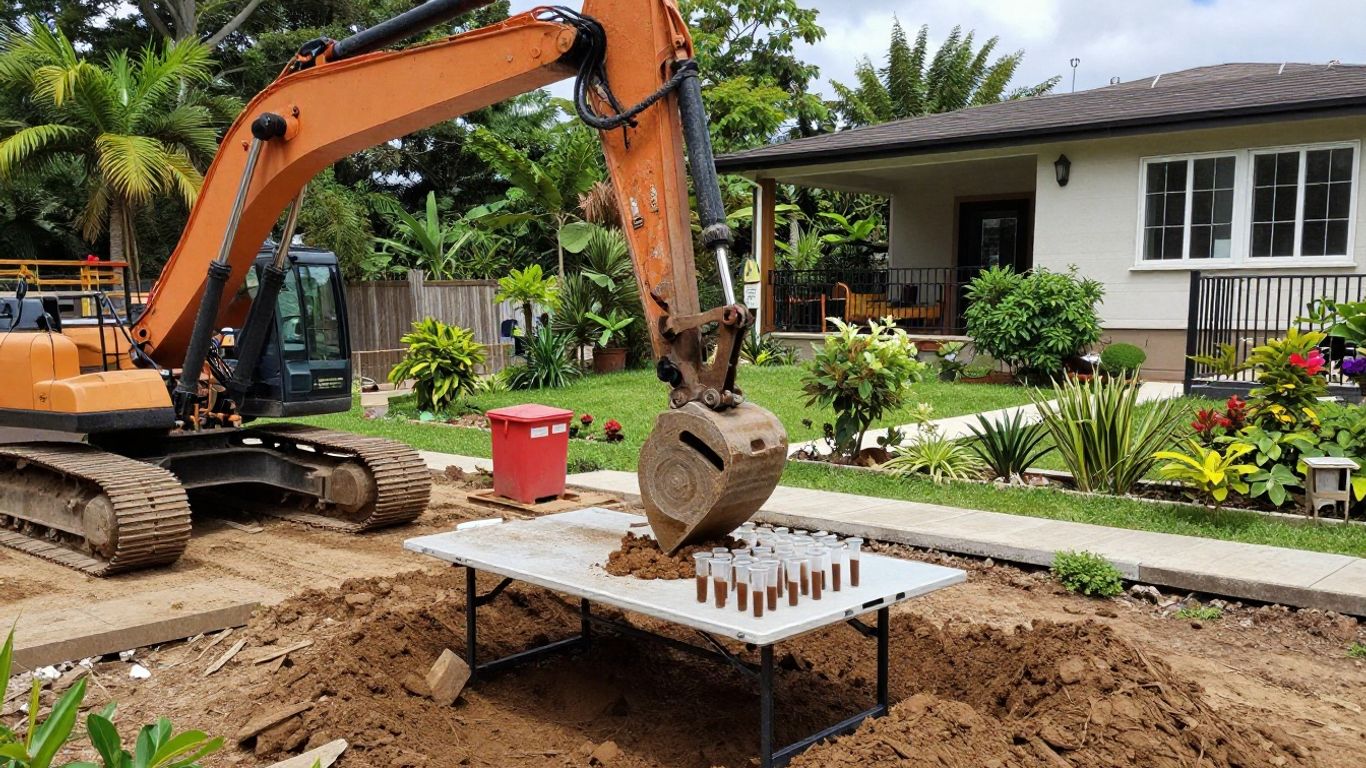
Understanding the ground underneath your home is the most important step before construction begins. Professional geotechnical assessments reveal critical data points, including water tables and soil bearing capacity, which dictate, among other things, the type of foundation you need and the potential for shifts during deeper excavation.
Conducting site-specific soil investigation tests
Engineers start by coordinating comprehensive geotechnical investigations, which often include soil boring and laboratory tests of samples. These results establish the baseline for design, flagging potential hazards that could compromise construction. Without this data, your foundation design may lack the necessary support during ground movement.
Assessing bearing capacity for ground-level versus elevated pools
Comparing different pool types helps you understand how structural loads are transferred to the ground or the house frame. Each strategy requires specific reinforcement techniques to prevent instability over time.
| Pool Type | Primary Consideration | Reinforcement Focus |
|---|---|---|
| Ground-Level | Hydrostatic pressure | Soil stability and drainage |
| Elevated/Rooftop | Structural load paths | Beam and column capacity |
| Infinity Edge | Edge stability | Lateral load reinforcement |
Selecting the right approach involves balancing these variables against your site’s physical load-bearing capabilities.
Managing groundwater levels and hydrostatic pressure
Groundwater management is vital in coastal or low-lying areas where high tables can push against your pool shell. Poorly managed pressure often leads to structural cracking or even the flotation of the entire vessel. Effective dewatering and drainage systems are mandatory to safeguard the structural integrity of your pool.
Protecting adjacent structures during site excavation
During excavation, preventing soil movement remains a high priority to ensure your neighbors’ foundations stay secure. This process often involves installing earth retention systems to maintain a stable perimeter around your dig site. Ensuring these systems are monitored carefully is a crucial component of structural safety throughout the life of the project.
Structural engineering design principles
Engineers must ensure the pool shell can endure both the weight of the water and the environmental stressors of the local climate. Creating a robust shell requires careful attention to load paths and the specific materials chosen for reinforcement.
Finite element analysis for pool shell integrity
Advanced software modeling allows engineers to simulate how the pool structure will react under static and dynamic loading. This analysis identifies potential stress points that could lead to cracks or leaks. By refining the design in this digital space, you can anticipate failure modes and reinforce critical zones before construction begins.
Reinforcement detailing for reinforced concrete pools
Concrete provides the primary structural strength for most residential pools, but its long-term performance hinges on precise reinforcement detailing. Professionals use high-tensile steel bars to resist the massive outward forces exerted by deep water volumes. Designing these connections with care ensures your pool maintains its dimensions and shape for decades.
Managing thermal expansion and movement joints
Temperature fluctuations will inevitably cause concrete to expand and contract, necessitating the strategic placement of movement joints. These gaps allow for natural shifts without transferring stress to the main shell. Failing to plan for this movement often results in persistent leaks that are difficult to repair later.
Load calculations for rooftop or elevated pool structures
Elevated pools require a complex calculation of dead loads—the weight of materials—and live loads, including the water mass and occupants. These structures must tie into the home’s main support columns, effectively becoming a part of the structural frame. You should review the design professional requirements to ensure your rooftop or elevated pool follows all local load safety stipulations.
Waterproofing and drainage systems
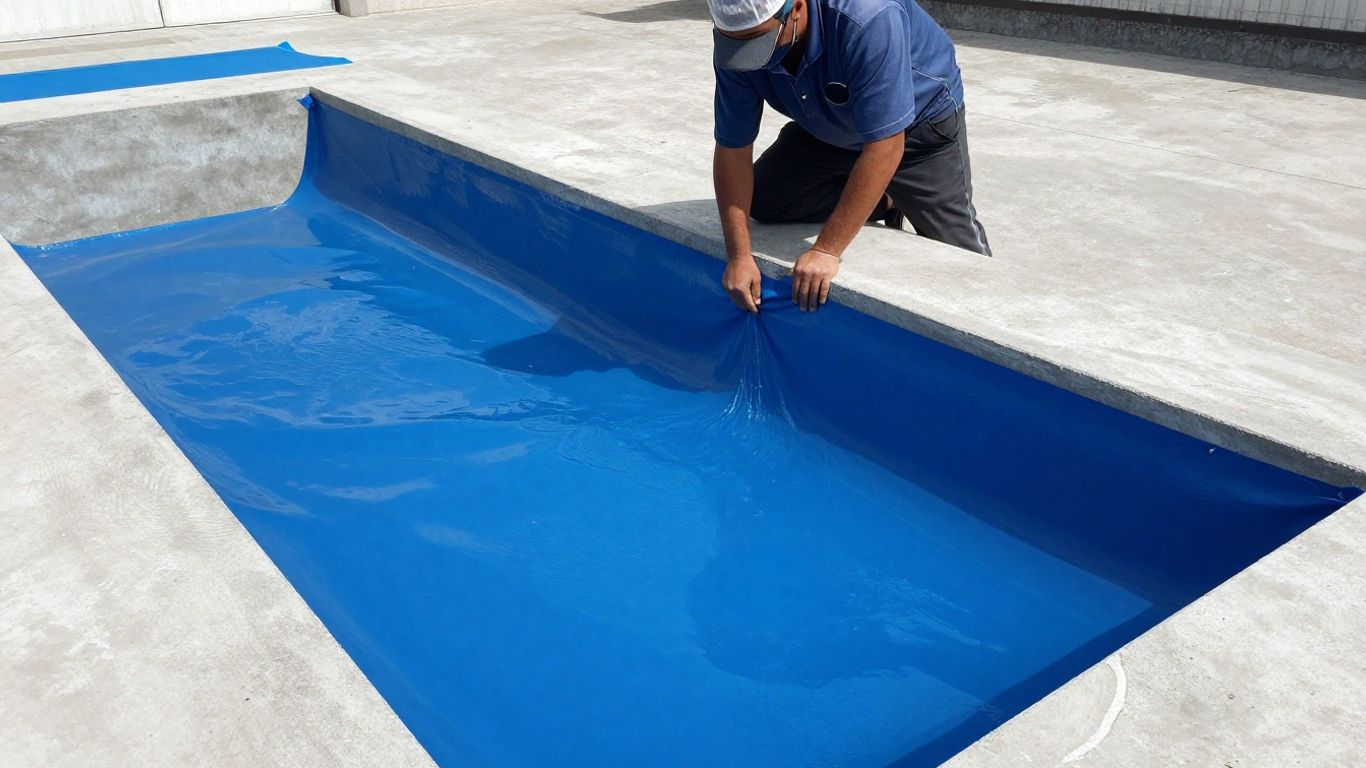
Waterproofing defines the long-term longevity of your investment. Because moisture infiltration can corrode steel reinforcement within the concrete shell, a high-performance barrier is essential. Effective drainage is arguably just as important as the waterproof layer itself in preventing hydrostatic buildup.
Selection of high-performance waterproofing membranes
High-performance membranes create a durable, flexible seal that stands up to the chemicals and pressure found in a residential pool environment. Choosing the right material depends on factors like substrate type and anticipated movement. A robust approach includes the following essential steps:
- Thorough inspection of all concrete surfaces for minor cracks.
- Removal of surface debris and contaminants before application.
- Application of a multi-layer membrane system with reinforced edges.
- Verification tests through vacuum or pressure checks.
Following these steps ensures that the waterproofing keeps the structure as watertight as possible for many years.
Designing effective surface water drainage systems
Surface drainage must divert rain away from the pool area to prevent overflow and soil saturation. In regions with frequent heavy rainfall, you need an integrated system of channels and catch basins for your landscape. This proactive water management protects your pool deck and the structural foundation below.
Preventing leakage into subterranean foundations
Leaks often originate from hidden gaps in the plumbing or seams between the pool and the home. Ensuring a watertight connection between different structural elements prevents long-term erosion of the foundation. A detail-oriented installer will check these zones during every stage of the waterproofing process.
Periodic testing and structural integrity verification
Regular checks on the pool’s waterproofing and drainage help catch issues before they turn into major structural repairs. Consistent maintenance protocols, including specialized swimming pool statistics and data monitoring, assist owners in identifying early warnings of leaks or structural movement.
Mechanical, electrical, and efficiency standards
Modern pool systems must balance performance with energy efficiency. Integration of these systems requires meticulous electrical and plumbing planning to keep the facility safe for all users.
Compliance with standards for water treatment systems
Every pool in a residential setting must meet sanitation standards to ensure the water remains safe for occupants. Proper treatment involves balancing turnover rates and system capacity to ensure the water stays clear and clean. Regular filtration checks and certified chemical dosing protocols are fundamental to this standard.
Energy-efficient pump and filtration system integration
Advanced pump systems use variable speed technology to minimize energy waste while maintaining effective turnover rates. By choosing energy-efficient units, you reduce the operational footprint of your home. The modern market offers many solutions that pair high performance with strict efficiency metrics, making it easier to manage long-term costs.
Electrical safety and lightning protection requirements
Pools involve water and electricity, so all electrical connections must be fully sealed and grounded by certified professionals. Proper lightning protection systems are also required to prevent damage to mechanical components during severe storms. These safety layers protect both your aquatic facility and the rest of your home’s infrastructure.
Sustainable heating and solar integration options
Heating and solar integration can significantly extend the usable season of your outdoor pool. By placing heating components strategically, you can optimize thermal transfer without overloading your electrical grid. Integrating these systems requires careful coordination with your specialized pool SEO professional if you are also considering future resale or digital marketing for your property value.
Construction supervision and safety protocols
Supervision ensures that the plans on paper match the actual execution in the field. From pouring the concrete to the final inspection, each day represents a potential risk that needs management and oversight.
Best practices in formwork and concrete pouring
Quality construction begins with sturdy formwork that can withstand the weight of liquid concrete. Pouring in continuous segments ensures there are no cold joints, which are common leakage points. Meticulous supervision during this period guarantees the strength and consistency of the concrete structure.
Monitoring protocols for structural movement
Even after the concrete cures, the structure may shift slightly during the initial setting period. Professionals install sensors or monitoring indicators to track this movement and confirm it stays within acceptable tolerance ranges. This data-driven approach confirms that your pool remains stable after the weight of the water is introduced.
Essential safety barriers and fencing compliance
Safety is a non-negotiable requirement for all residential pool installations. You must install barriers that meet specific height and latching requirements to prevent unauthorized access by small children or pets. Confirming these safety features are in place is a key step before you receive your final project completion certificate.
Commissioning, inspection, and obtaining certificates of completion
Before opening your pool, the final process involves thorough commissioning of all mechanical systems. This final round of safety checks includes pressure tests and structural reviews to verify everything is in order. Once cleared, you obtain your formal certificate of completion, which is necessary for legal occupancy of your property.
Conclusion
Building a private pool is an investment in your home that requires careful attention to the intersection of structural engineering, regulatory standards, and long-term site management. By prioritizing professional design, site-specific geotechnical investigations, and rigorous safety protocols, you create a space that offers both lasting pleasure and structural durability. Maintaining this standard throughout the construction phase ensures that every element, from the deep-layer foundation to the surface waterproofing, remains secure and functional for many years to come.
Frequently Asked Questions
Why is a professional engineer required for a pool project?
A professional engineer is required to ensure that the pool’s structural design accounts for ground conditions, specific loading requirements, and local safety codes.
How long does a typical pool construction and inspection process take?
Construction timelines vary based on the complexity of the site and the pool design, usually taking several months to complete through the design, excavation, structure, and system commissioning phases.
What are the risks of ignoring building setbacks?
Ignoring setbacks can lead to heavy fines, legal disputes with neighbors, and mandatory requirements to dismantle or relocate the pool, causing significant financial and structural loss.
What role does hydrostatic pressure play in pool construction?
Hydrostatic pressure refers to the force exerted by groundwater against the pool walls and floor, which requires careful drainage design to prevent the structure from cracking or floating.
Are there specific rules for rooftop pools in landed homes?
Rooftop pools impose substantial dead and live loads on the building and require specialized structural reinforcement and complex waterproofing to protect the home’s interior beneath the water feature.
How often should a finished pool be inspected for structural health?
Pool inspections for structural health should occur periodically, especially after severe weather events, to monitor for cracks or damage to the waterproofing or mechanical components.
Can I use existing walls as part of my pool structure?
Using existing walls is generally discouraged without an extensive structural assessment, as they were likely not designed to handle the load and moisture conditions specific to a swimming pool.