
Building code compliance in Singapore: A practical guide to approvals and standards

Key Takeaways Building code compliance Singapore depends on understanding how planning, building, fire safety, and utility approvals fit together. Early coordination helps a project move from design through construction and handover with fewer avoidable surprises. Confirm land use and planning controls before fixing the design. Identify the agencies and codes that apply to the specific […]
Structural Health Monitoring and Retrofitting of Existing Steel Structures in Singapore
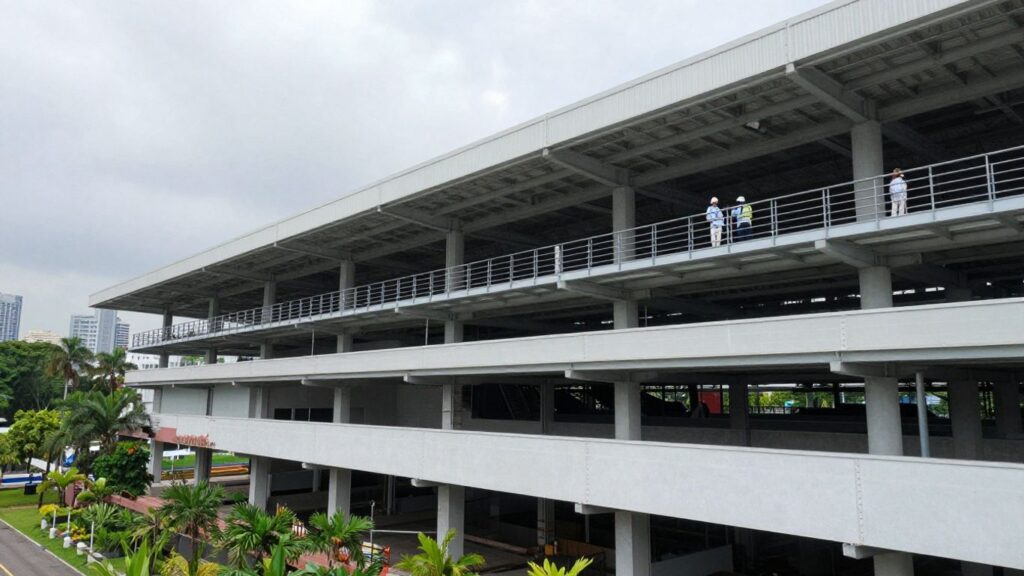
Key Takeaways Existing steel buildings need periodic assessment because corrosion, changing loads, fatigue, and alterations can gradually reduce their safety margins. A practical programme combines engineering judgment, targeted monitoring, sound records, and carefully sequenced retrofit work. Establish a documented baseline before deciding what to repair or monitor. Consider Singapore’s heat, humidity, rainfall, and coastal exposure […]
Fatigue Analysis of Welded Steel Joints in Infrastructure Projects
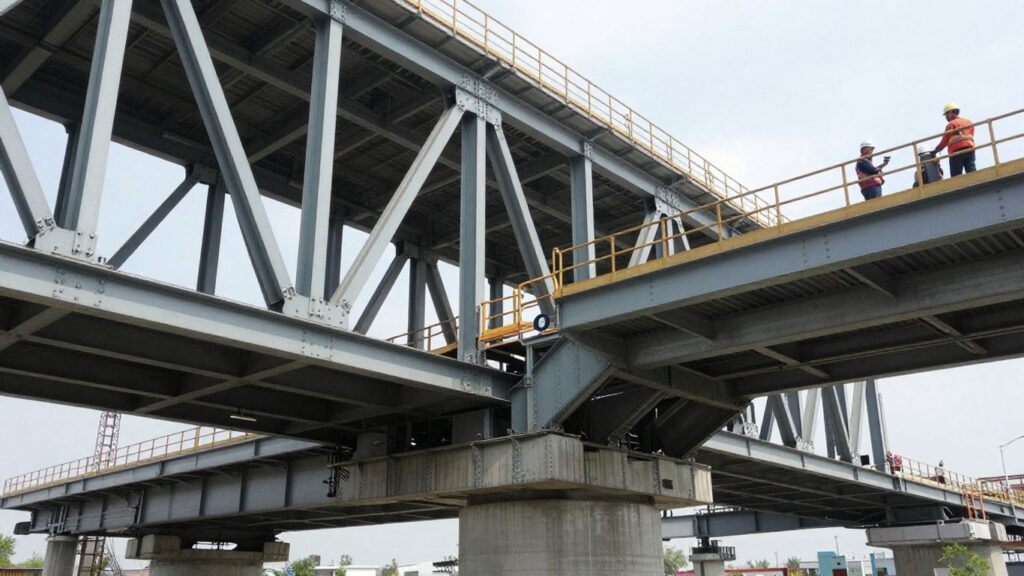
Key Takeaways Fatigue assessment of welded steel infrastructure depends on the relationship between repeated loading, local stress, weld geometry, fabrication quality, and inspection evidence. Repeated stress ranges, rather than static strength alone, often govern service life. Weld toes, roots, attachments, and terminations require careful fatigue classification. Stress concentration factors help explain local amplification but do […]
Design of Long-Span Roof Trusses and Canopies for Singapore’s Tropical Climate

Key Takeaways Long-span roofs and canopies in Singapore demand more than a strength check. Their design must respond to wind, intense rainfall, humidity, fire safety, drainage, construction sequencing, and long-term access. Establish the roof’s function, geometry, exposure, working life, and regulatory basis before analysis. Apply SS EN 1991-1-4 using appropriate wind velocity, terrain, pressure, edge-zone, […]
FEA Verification & Validation for BCA Submissions: What Checking Engineers Look For

Key Takeaways A credible finite element analysis submission is more than a colourful model or a long output file. It should allow the design and checking engineers to follow the assumptions, test the model’s behaviour, and connect the results to code-compliant construction details. Define the structural system, restraints, materials, and load paths clearly. Verify loads, […]
Eurocode 4 Composite Steel-Concrete Design in High-Rise Singapore Construction

Key Takeaways Eurocode 4 provides the framework for designing composite steel-concrete structures, but successful Singapore projects depend on coordinated code selection, detailing, construction planning, and statutory review. Establish the applicable Singapore Standard, National Annex, and design situations before analysis begins. Confirm composite action through suitable materials, shear connectors, effective widths, and staged analysis. Design floors, […]
Slope Stabilisation & Soil Nailing: Submission Workflows for Temporary Hillside Excavations

Key Takeaways A defensible hillside excavation submission connects the ground model, temporary works design, authority requirements, and construction controls from the beginning. Define the temporary and permanent works interfaces before design responsibility becomes unclear. Investigate soil, rock, groundwater, drainage, adjacent assets, and existing utilities proportionately to risk. Verify soil nailing against local and global failure […]
Common Reasons BCA Rejects Temporary ERSS Submissions (And How to Avoid Them)

Key Takeaways Temporary ERSS submissions are commonly returned when the technical evidence, drawings, design assumptions, and authority responses do not form one clear and verifiable package. Confirm that every required form, report, calculation, drawing, and supporting record is included. Base the ERSS design on current site investigation, groundwater, utility, and neighbouring-structure information. Show the design […]
The Annex C & Annex E Workflow: On-Site ERSS Compliance During Execution

Key Takeaways ERSS compliance during execution depends on disciplined supervision, clear authority, and records that connect site actions to approved design and monitoring requirements. Annex C controls the construction and inspection workflow for ERSS works. Annex E provides the monitoring, threshold, and response framework. The RE, RTO, and Site Manager need distinct but coordinated responsibilities. […]
Formulating an Instrumentation & Monitoring (I&M) Plan for BCA ERSS Approval

Key Takeaways A sound I&M plan connects ERSS design assumptions with measurable site behaviour and clear decisions. It should be prepared as a working safety document, not merely as an attachment to an approval submission. Define the plan’s purpose, scope, responsibilities, and approval pathway before construction. Base monitoring locations and instrument types on ground conditions, […]