
Design of Long-Span Roof Trusses and Canopies for Singapore’s Tropical Climate
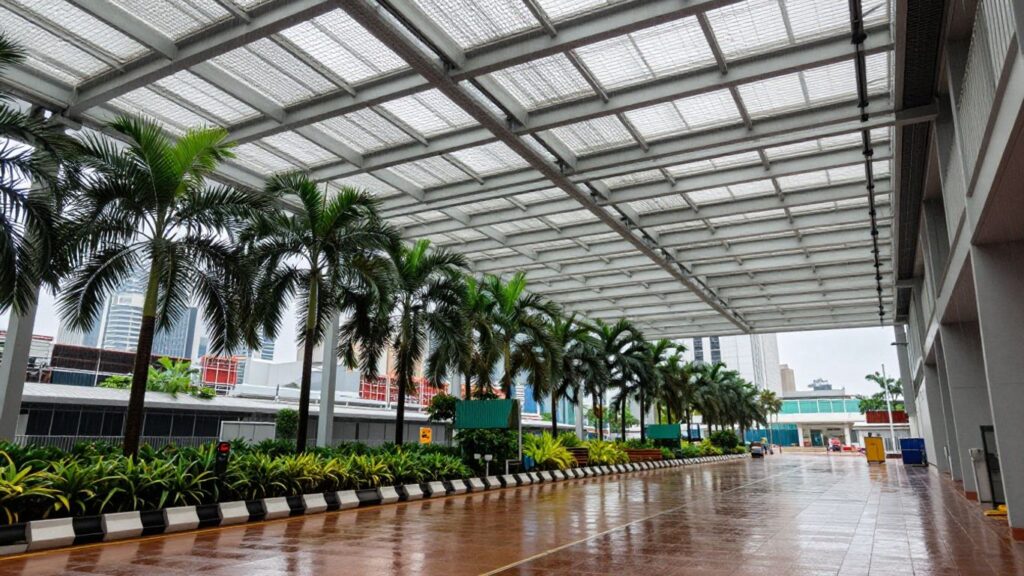
Key Takeaways Long-span roofs and canopies in Singapore demand more than a strength check. Their design must respond to wind, intense rainfall, humidity, fire safety, drainage, construction sequencing, and long-term access. Establish the roof’s function, geometry, exposure, working life, and regulatory basis before analysis. Apply SS EN 1991-1-4 using appropriate wind velocity, terrain, pressure, edge-zone, […]
Eurocode 4 Composite Steel-Concrete Design in High-Rise Singapore Construction
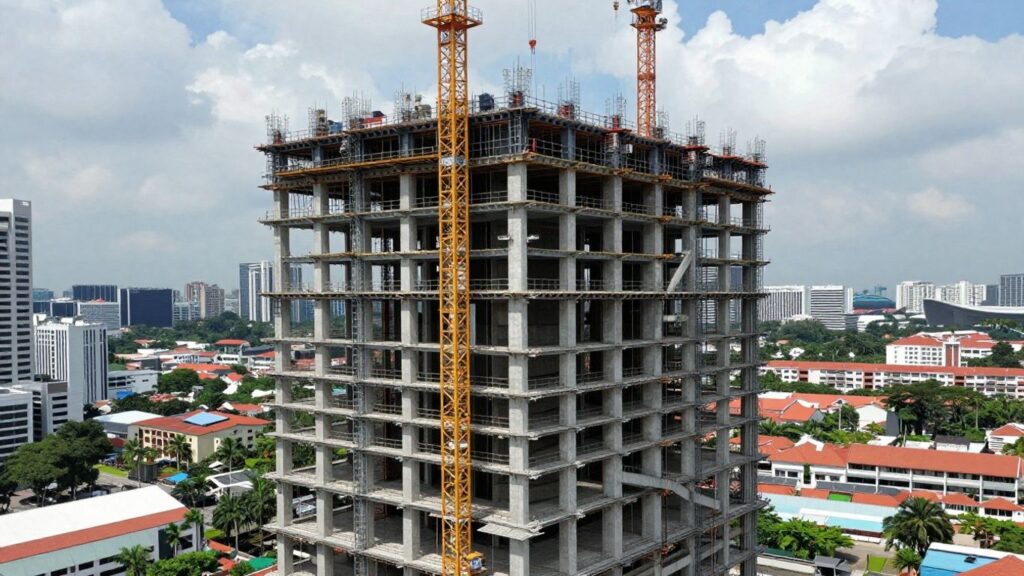
Key Takeaways Eurocode 4 provides the framework for designing composite steel-concrete structures, but successful Singapore projects depend on coordinated code selection, detailing, construction planning, and statutory review. Establish the applicable Singapore Standard, National Annex, and design situations before analysis begins. Confirm composite action through suitable materials, shear connectors, effective widths, and staged analysis. Design floors, […]
FEA Applications in PPVC and MET Steel Modules for Singapore Megaprojects
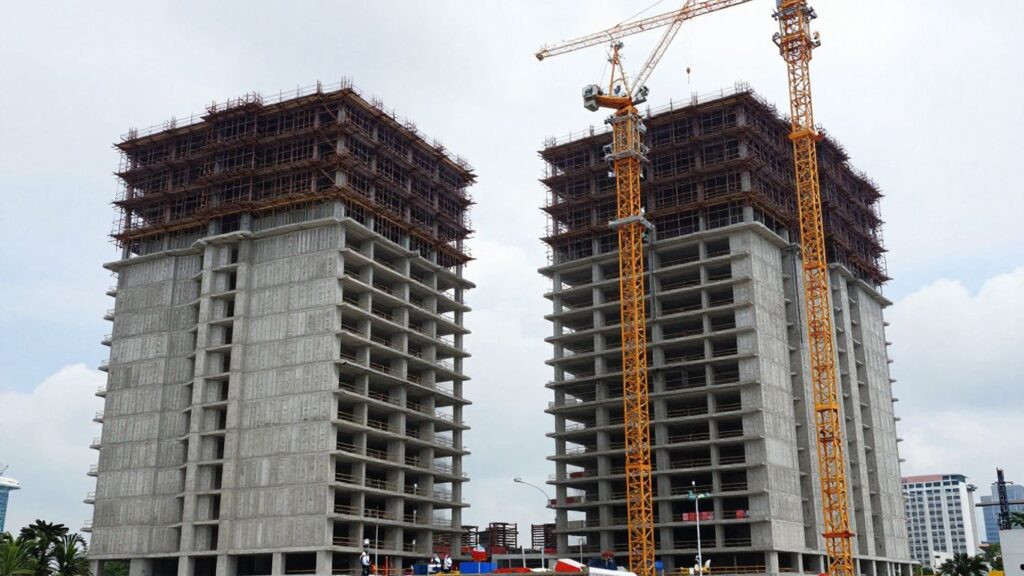
Key Takeaways Finite element analysis (FEA) helps modular construction teams test structural behavior before fabrication, lifting, transport, and installation. In Singapore, its value is greatest when it is connected to DfMA decisions, authority requirements, and practical fabrication constraints. FEA links structural design with manufacturing and assembly decisions. PPVC and MET steel modules require different modeling […]
Slope Stabilisation & Soil Nailing: Submission Workflows for Temporary Hillside Excavations

Key Takeaways A defensible hillside excavation submission connects the ground model, temporary works design, authority requirements, and construction controls from the beginning. Define the temporary and permanent works interfaces before design responsibility becomes unclear. Investigate soil, rock, groundwater, drainage, adjacent assets, and existing utilities proportionately to risk. Verify soil nailing against local and global failure […]
Sustainable Temporary Works: Embodying Low-Carbon Steel & Circularity in ERSS Design

Key Takeaways Sustainable ERSS design treats temporary steelwork as a recoverable engineering asset, not disposable site material. Set carbon boundaries and performance targets before selecting the retaining system. Reduce steel quantities through coordinated structural, geotechnical, and construction-stage design. Specify verified material data, including recycled content and environmental product declarations. Design for inspection, demounting, repeated deployment, […]
The Annex C & Annex E Workflow: On-Site ERSS Compliance During Execution

Key Takeaways ERSS compliance during execution depends on disciplined supervision, clear authority, and records that connect site actions to approved design and monitoring requirements. Annex C controls the construction and inspection workflow for ERSS works. Annex E provides the monitoring, threshold, and response framework. The RE, RTO, and Site Manager need distinct but coordinated responsibilities. […]
The Cost of ERSS Submissions in Singapore: Breakdown of Consultant Fees, Checking Fees, and Testing

Key Takeaways ERSS costs depend on the excavation, ground conditions, design responsibility, checking requirements, and the level of construction-stage support needed. A useful budget separates professional fees from testing, monitoring, authority coordination, and risk allowances. ERSS is a temporary earth-retaining system used to support excavations and control ground movement. Consultant fees rise with excavation depth, […]
Formulating an Instrumentation & Monitoring (I&M) Plan for BCA ERSS Approval

Key Takeaways A sound I&M plan connects ERSS design assumptions with measurable site behaviour and clear decisions. It should be prepared as a working safety document, not merely as an attachment to an approval submission. Define the plan’s purpose, scope, responsibilities, and approval pathway before construction. Base monitoring locations and instrument types on ground conditions, […]
Eurocode 7 Application: Sizing Permanent ERSS using SS EN 1997-1 Singapore National Annex

Key Takeaways Permanent ERSS design in Singapore requires more than selecting a wall section. It depends on a clear design basis, reliable ground and groundwater information, correct Eurocode 7 design approaches, and coordinated construction-stage controls. Define the retaining system, design life, design situations, and movement criteria before sizing members. Build characteristic soil and groundwater parameters […]
Eurocode 7 (SS EN 1997) for Singapore ERSS: Ultimate Limit State (ULS) vs. Serviceability Limit State (SLS)
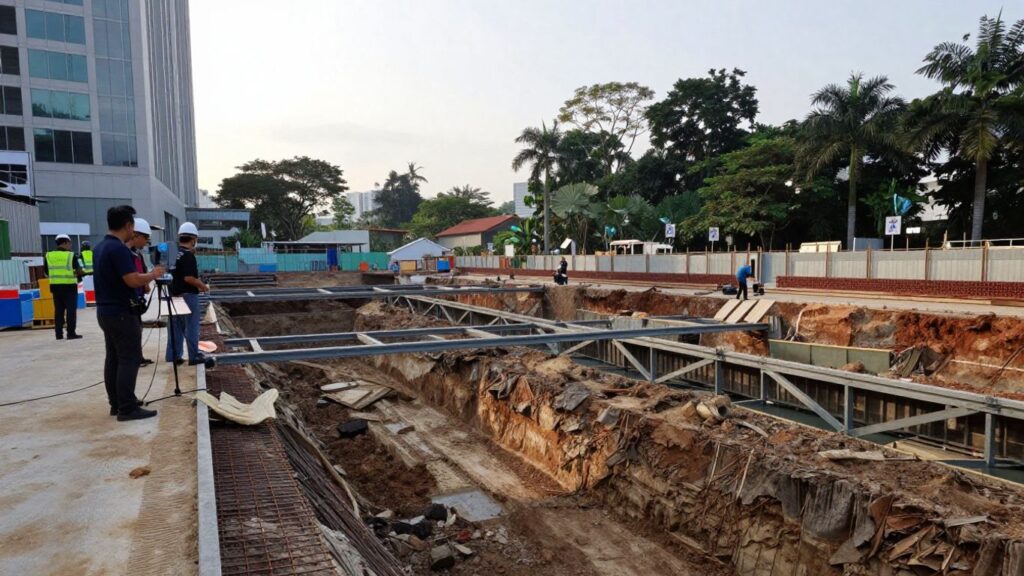
Key Takeaways Eurocode 7 provides the limit-state framework for Singapore ERSS, but a compliant design also depends on local ground conditions, construction stages, and movement control. ULS checks resistance against collapse, instability, hydraulic failure, and structural failure. SLS checks movements, settlement, deformation, and effects on neighbouring assets. Groundwater and soil variability must be reflected in […]