
Designing ERSS for Kallang Formation: Navigating Marine Clay in Singapore Basements
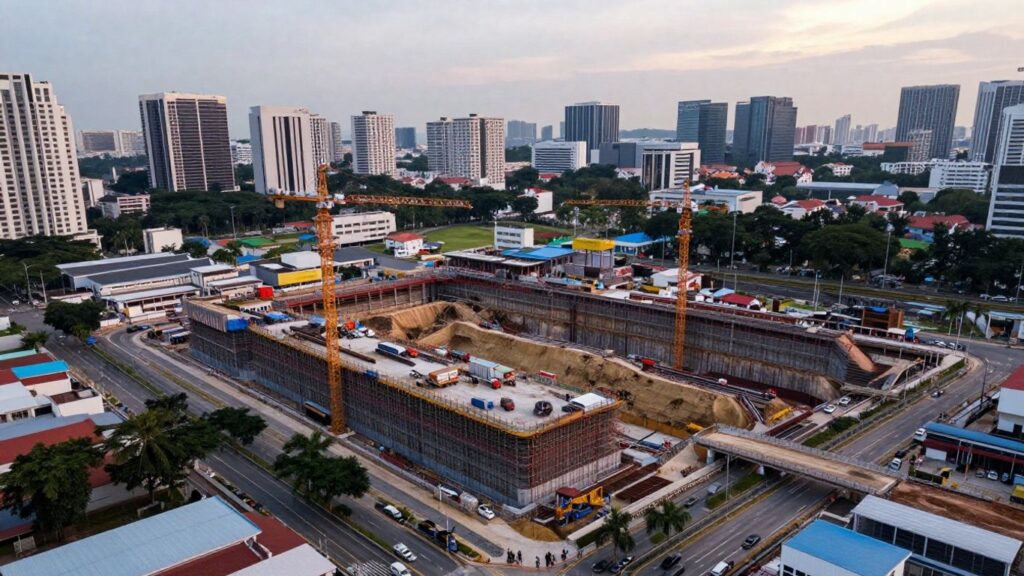
Key Takeaways Deep excavation in Kallang Formation demands a ground model that accounts for soft marine clay, variable fill, groundwater, and time-dependent movement. ERSS design is strongest when geotechnical and structural decisions remain coordinated from investigation through construction. Build the geological and groundwater model before selecting the ERSS. Treat excavation staging, support installation, and monitoring […]
Temporary King Post and Strutting Systems: Structural Detailing for BCA Approval
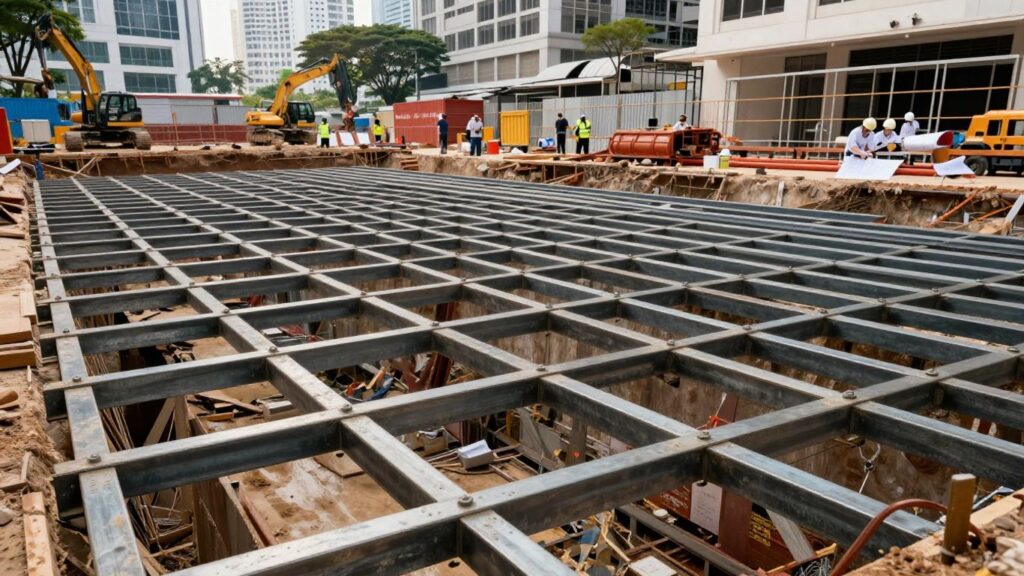
Key Takeaways A temporary king post and strutting system is only as reliable as its design basis, connections, construction sequence, and site control. BCA approval depends on a coordinated package that explains both the engineering and how the system will be built. Define the ground, loading, geometry, and construction stages before detailing steel. Check member […]
PLAXIS 2D/3D Best Practices for BCA ERSS Design Reports
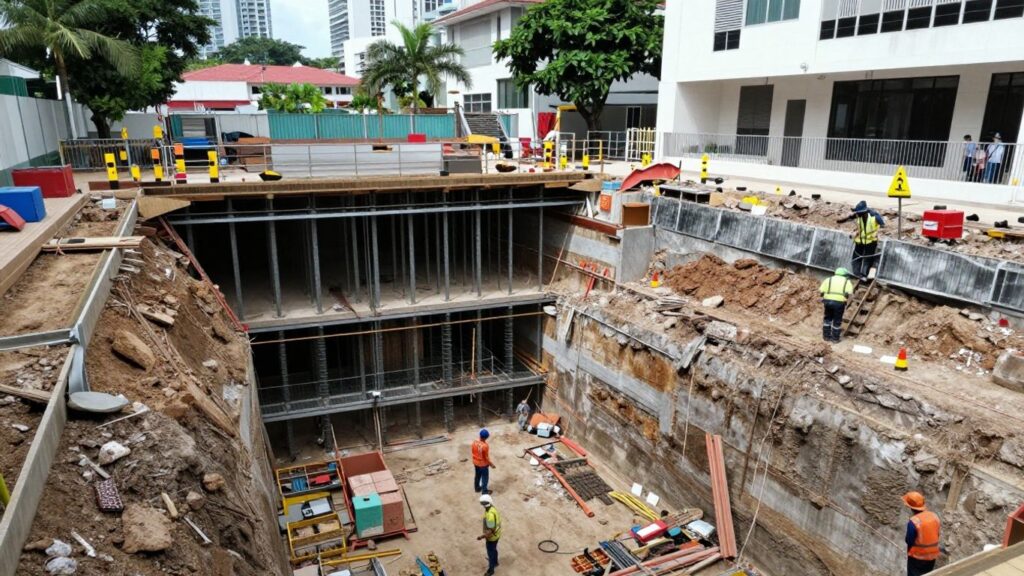
Key Takeaways A dependable BCA ERSS report is built on traceable assumptions, realistic staging, and clear interpretation of ground–structure interaction. Establish the design basis, project constraints, and submission responsibilities before modeling. Convert investigation data into a layered ground model with documented uncertainty. Select two-dimensional or three-dimensional analysis according to geometry, loading, and interaction effects. Simulate […]
The 1.5m Rule and Beyond: When Does Temporary Groundwork Require a Formal BCA ERSS Submission?
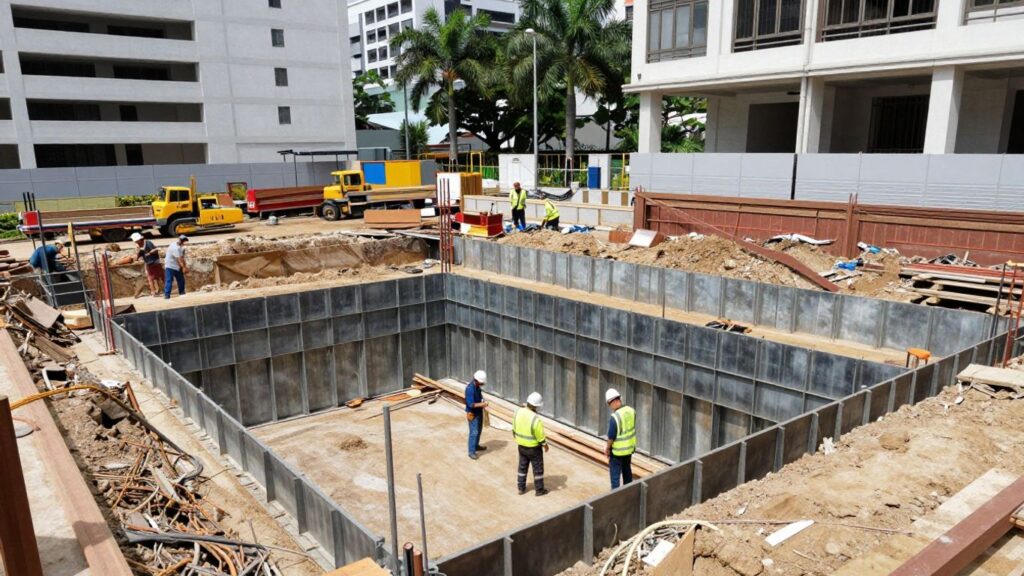
Key Takeaways The 1.5m threshold is a useful starting point, but it should not be treated as a blanket exemption. Temporary retention, ground conditions, neighbouring assets, and construction sequence can all affect whether formal engineering review is needed. Excavation depth is only one part of the ERSS assessment. A QP should confirm the applicable submission […]
CORENET-X Transition Guide: Submitting Temporary ERSS via Singapore’s OpenBIM Engine
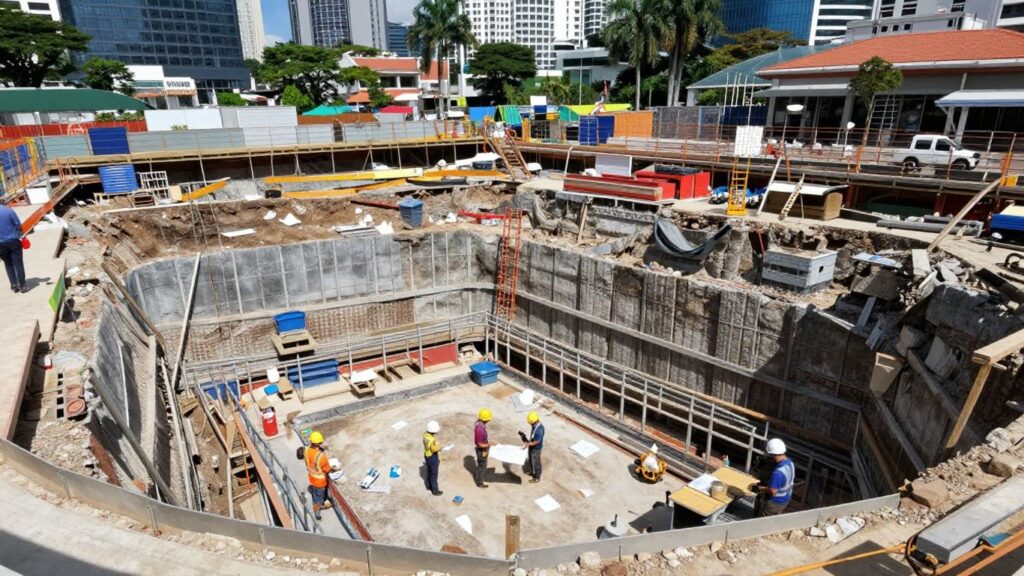
Key Takeaways Temporary ERSS submissions require more than a well-designed retaining system. They depend on clear professional accountability, coordinated OpenBIM information, disciplined quality checks, and reliable revision control from design through removal. Confirm the CORENET-X submission scope and transition requirements early. Define responsibilities among Qualified Persons (QPs), C&S Consultants, BIM Managers, and the wider project […]
QP(ST) vs. QP(Geo) vs. AC(Geo): Deciphering Roles and Responsibilities in Singapore ERSS
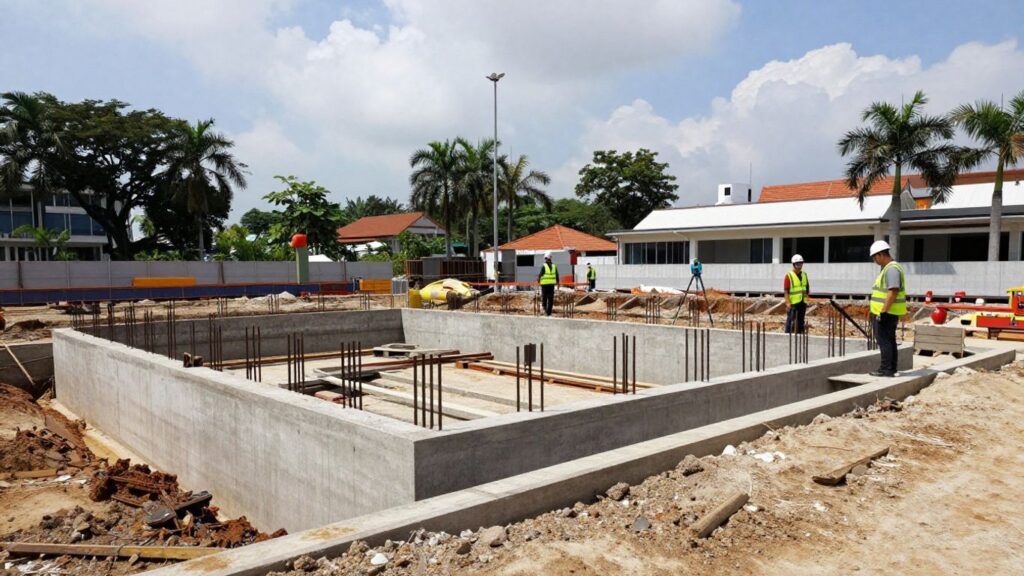
Key Takeaways ERSS projects depend on clearly separated professional duties and disciplined coordination. The distinctions matter most to Developers, Main Contractors, Foreign Engineering Firms entering Singapore. QP(ST) focuses on structural temporary works and their interfaces. QP(Geo) leads geotechnical assessment, analysis, and design decisions. AC(Geo) independently reviews geotechnical safety and design adequacy. Developers and contractors retain […]
Structural Upgrades for Installing Overhead Cranes in Existing Warehouses SEO Focus: Complete Engineering Guide
Introduction Installing overhead cranes in existing warehouses demands far more than bolting equipment to the ceiling-most building structures are not designed to handle the loads imposed by cranes, making comprehensive structural upgrades essential before any crane installation can proceed. In Singapore’s industrial landscape, where warehouse operators face increasing pressure to handle heavy loads and streamline […]
Roof extension regulations in Singapore: Structural limits you must know

Key Takeaways Adhering to Singapore’s strict building codes is essential for any roof extension project, requiring careful planning and professional oversight to remain compliant. BCA approval remains the primary requirement for all structural additions. Proper calculation of dead and live loads ensures long-term safety. Professional Engineers must endorse all structural analysis documentation and plans. Climate […]
Periodic Facade Inspection (PFI) Singapore: A compliance guide for aging buildings

Key Takeaways Staying ahead of regulatory maintenance is vital for property owners managing aging building stock. This overview summarizes critical steps, roles, and technical considerations involved in maintaining safe, compliant structures in Singapore. Mandatory PFI applies to buildings over 13 years old, requiring inspection every 7 years. Qualified Persons (QP) are legally responsible for conducting […]
Rebuilding vs. A&A: A structural engineer’s perspective on Singapore homes

Key Takeaways Deciding between renovation and complete reconstruction requires a deep understanding of your property’s current state and your long-term spatial goals. Homeowners must balance regulatory constraints with engineering realities to create safe, valuable assets for the future. Categorize projects based on structural impact to avoid unnecessary regulatory delays. Understand the specific site constraints, such […]