
Civil engineering: A guide to disciplines, design, and project delivery
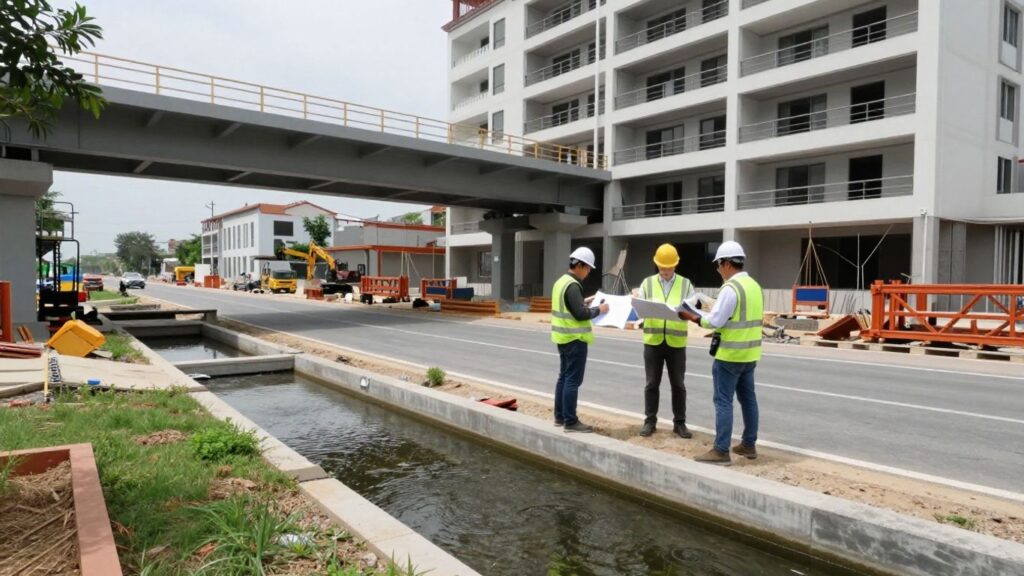
Key Takeaways Civil engineering connects technical design with the practical demands of building and maintaining infrastructure. Its work is shaped by site conditions, coordination, regulation, and long-term performance. Civil engineering spans buildings, transportation, water systems, and other infrastructure. Structural, geotechnical, environmental, and transportation specialists address different parts of a project. Surveys and investigations inform early […]
Engineering: A practical guide to disciplines, design, and professional practice
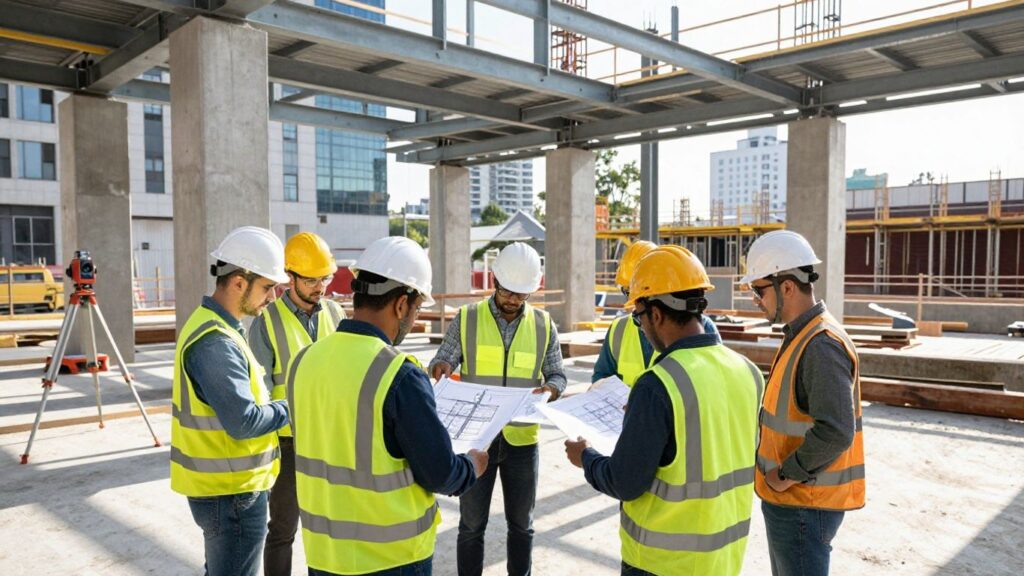
Key Takeaways Engineering turns practical needs into solutions that can be designed, checked, built, and maintained. Its disciplines overlap, but each brings a distinct body of knowledge to a project. Engineering choices connect performance, safety, cost, and long-term use. Built-environment disciplines address structures, ground, building services, and water or environmental systems. Site information and clear […]
Integrating BIM (Tekla/Revit) with FEA Solvers (SAP2000/ANSYS/ETABS): Workflow Best Practices
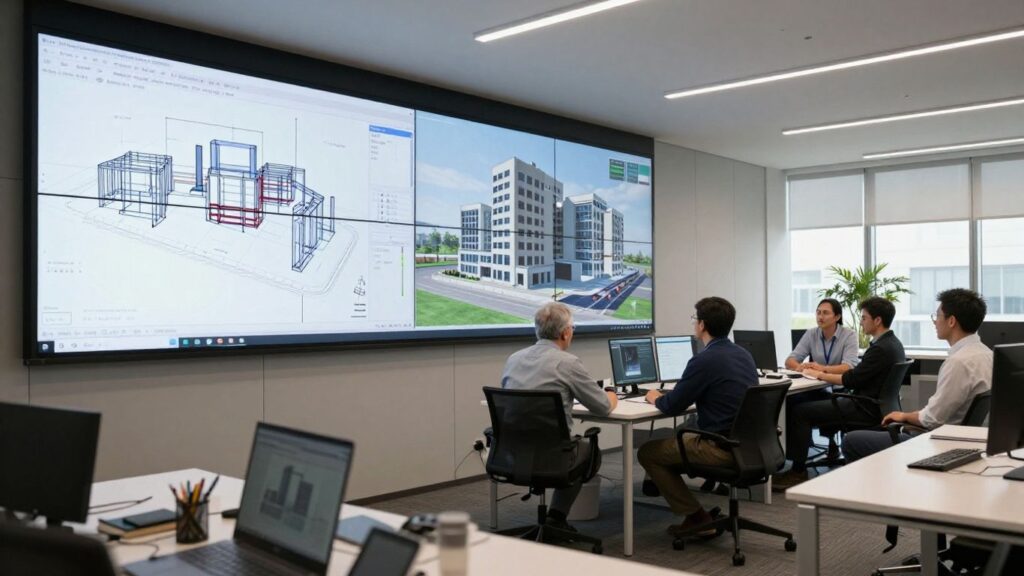
Key Takeaways A reliable BIM to FEA workflow depends less on a perfect file exchange than on clear engineering decisions before, during, and after the transfer. Define analysis objectives, responsibilities, model uses, and exchange rules before modeling begins. Separate physical BIM geometry from the simplified analytical geometry required by the solver. Check coordinates, connectivity, materials, […]
Generative Design and Topology Optimization for Structural Steel Components
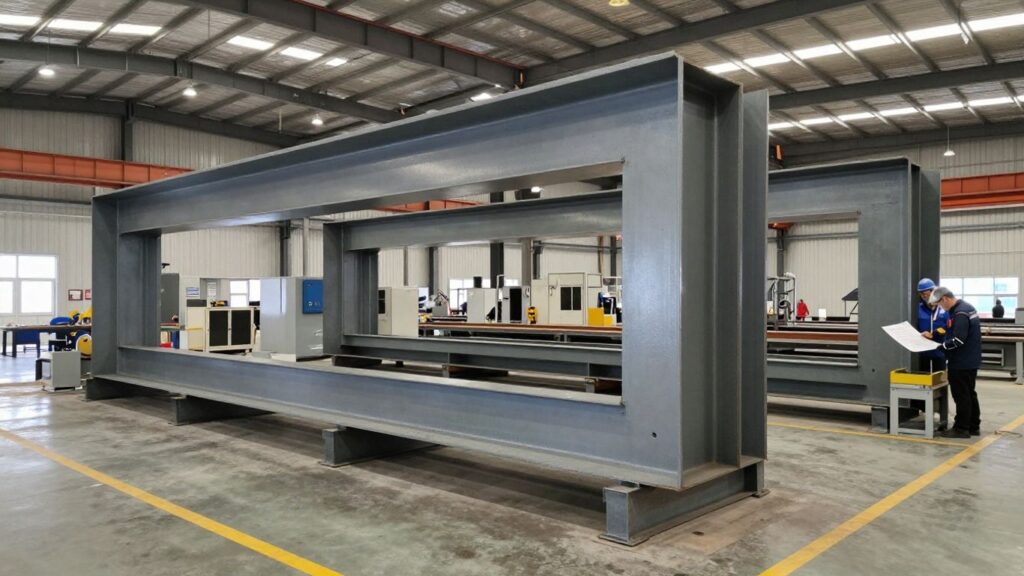
Key Takeaways Generative design can widen the range of structural steel concepts considered, but it does not replace engineering judgment or code-based verification. AI and FEA-driven topology optimization connects computational exploration with structural performance checks. Reliable results depend on accurate loads, supports, material data, mesh settings, and design boundaries. Steel-specific connection, stability, fabrication, and erection […]
High-Strength Steel (S460 to S690) in Singapore Construction: Opportunities and FEA Challenges
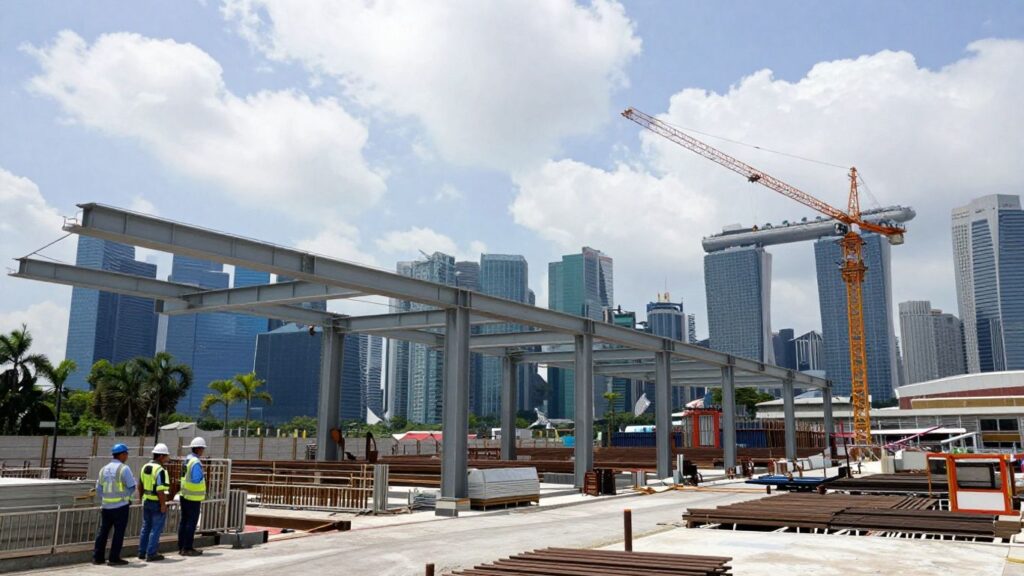
Key Takeaways High-strength steel can reduce structural weight and support ambitious spans, but its benefits depend on disciplined design, detailing, procurement, and analysis. S460 through S690 grades offer increasing yield strength, with corresponding questions about ductility, toughness, and weldability. Smaller members can improve usable floor area and reduce lifting or handling demands, although fabrication costs […]
Human-Induced Vibration Analysis in Long-Span Steel Pedestrian Bridges in Singapore

Key Takeaways Human-induced vibration is primarily a serviceability issue, but it must be assessed alongside strength, stability, durability, and constructability. A disciplined FEA workflow helps connect pedestrian behaviour, structural dynamics, comfort criteria, and practical design decisions. Slender steel bridges can respond noticeably to ordinary pedestrian activity. Natural frequencies, mode shapes, damping, and mass distribution govern […]
Temporary Works Design: Modelling Heavy Steel Strutting Systems for Deep Excavations
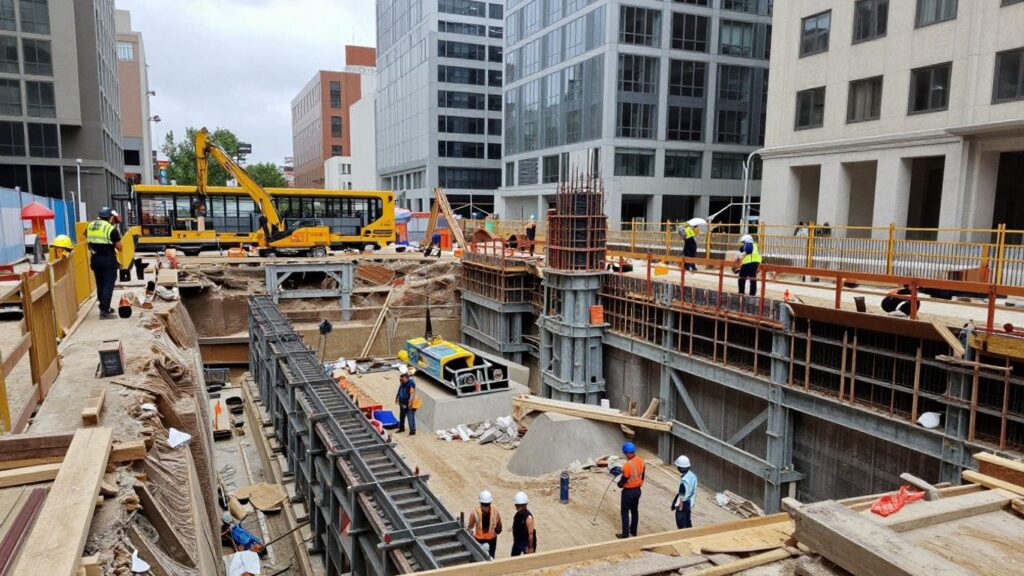
Key Takeaways Deep excavation support design depends on a clear ground model, realistic staging, and disciplined interpretation of structural results. Define geometry, soil, groundwater, adjacent assets, and construction sequence before modelling. Use two-dimensional or three-dimensional FEA simulation according to the excavation geometry and risk profile. Represent soil–structure interaction, preload, dewatering, stress relief, and construction tolerances […]
Fatigue Analysis of Welded Steel Joints in Infrastructure Projects
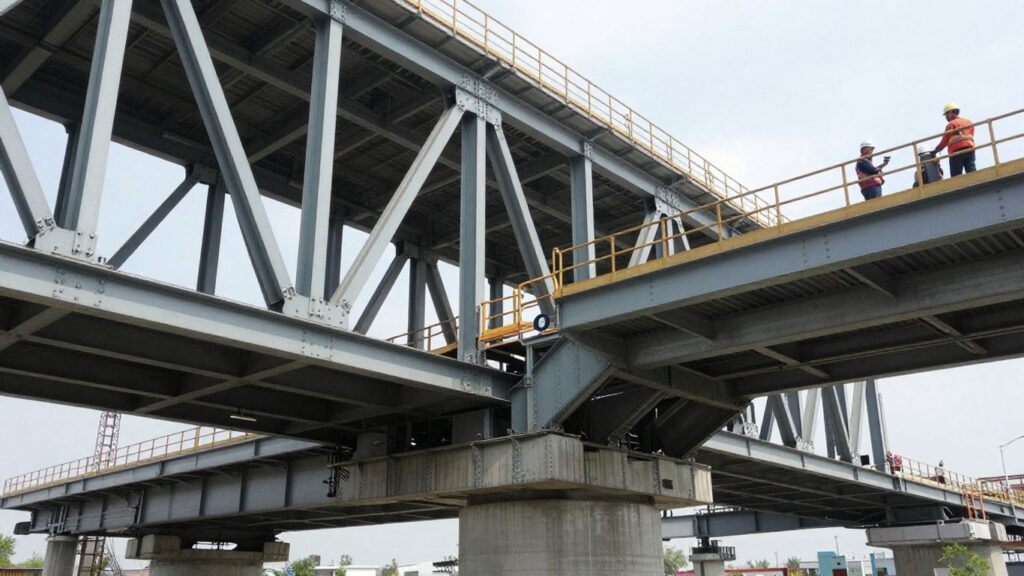
Key Takeaways Fatigue assessment of welded steel infrastructure depends on the relationship between repeated loading, local stress, weld geometry, fabrication quality, and inspection evidence. Repeated stress ranges, rather than static strength alone, often govern service life. Weld toes, roots, attachments, and terminations require careful fatigue classification. Stress concentration factors help explain local amplification but do […]
Design of Long-Span Roof Trusses and Canopies for Singapore’s Tropical Climate
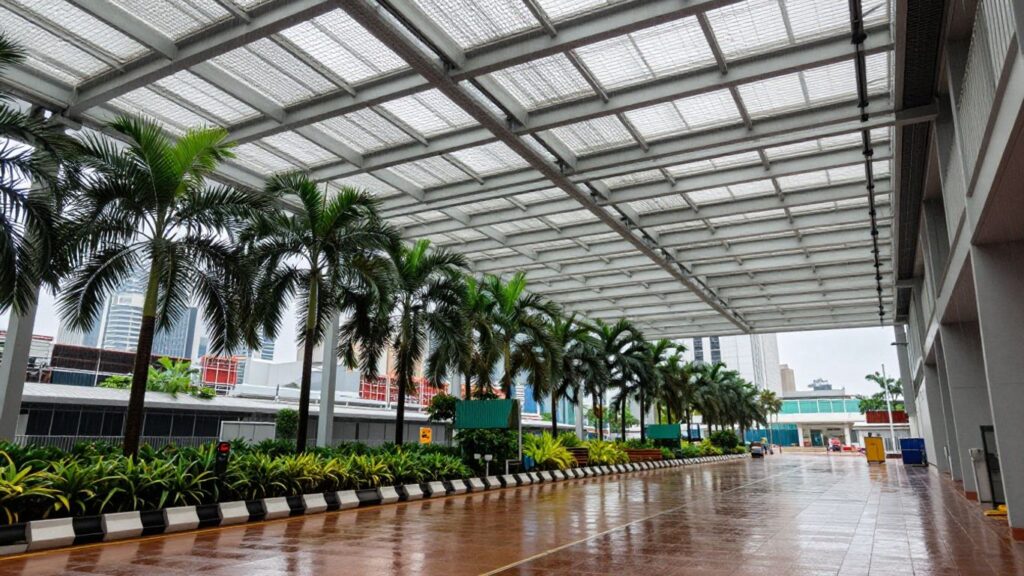
Key Takeaways Long-span roofs and canopies in Singapore demand more than a strength check. Their design must respond to wind, intense rainfall, humidity, fire safety, drainage, construction sequencing, and long-term access. Establish the roof’s function, geometry, exposure, working life, and regulatory basis before analysis. Apply SS EN 1991-1-4 using appropriate wind velocity, terrain, pressure, edge-zone, […]
Buckling Analysis Techniques: Linear Eigenvalue vs. Non-Linear Imperfection (GMNIA)
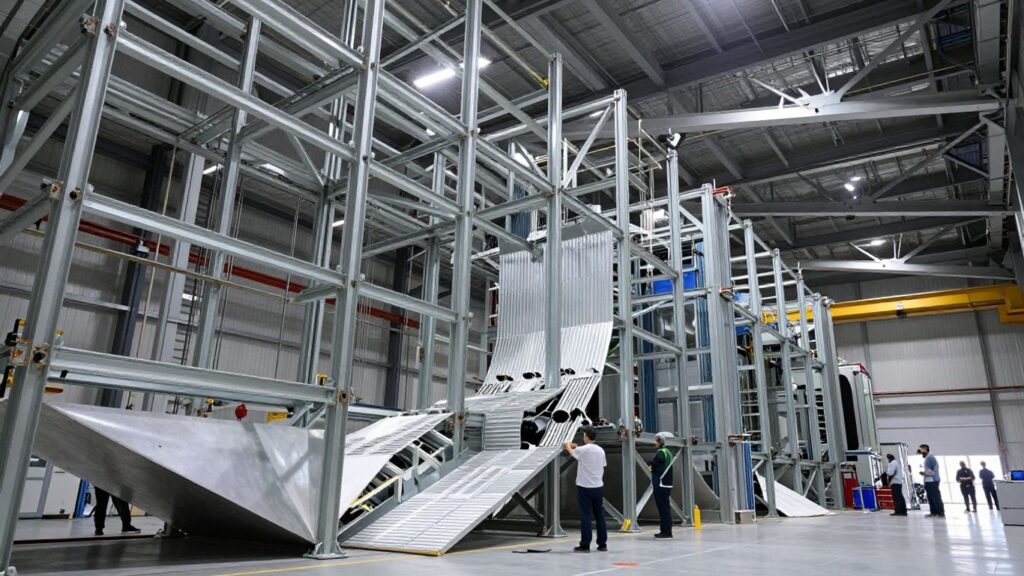
Key Takeaways Linear eigenvalue analysis is a fast elastic stability check, while GMNIA follows structural response with geometric and material nonlinearity and defined imperfections. Used together, they provide a clearer basis for buckling assessment and design decisions. Eigenvalue analysis identifies idealized critical load factors and likely buckling modes. GMNIA can account for large displacements, yielding, […]