
Integrating BIM (Tekla/Revit) with FEA Solvers (SAP2000/ANSYS/ETABS): Workflow Best Practices

Key Takeaways A reliable BIM to FEA workflow depends less on a perfect file exchange than on clear engineering decisions before, during, and after the transfer. Define analysis objectives, responsibilities, model uses, and exchange rules before modeling begins. Separate physical BIM geometry from the simplified analytical geometry required by the solver. Check coordinates, connectivity, materials, […]
Buckling Analysis Techniques: Linear Eigenvalue vs. Non-Linear Imperfection (GMNIA)
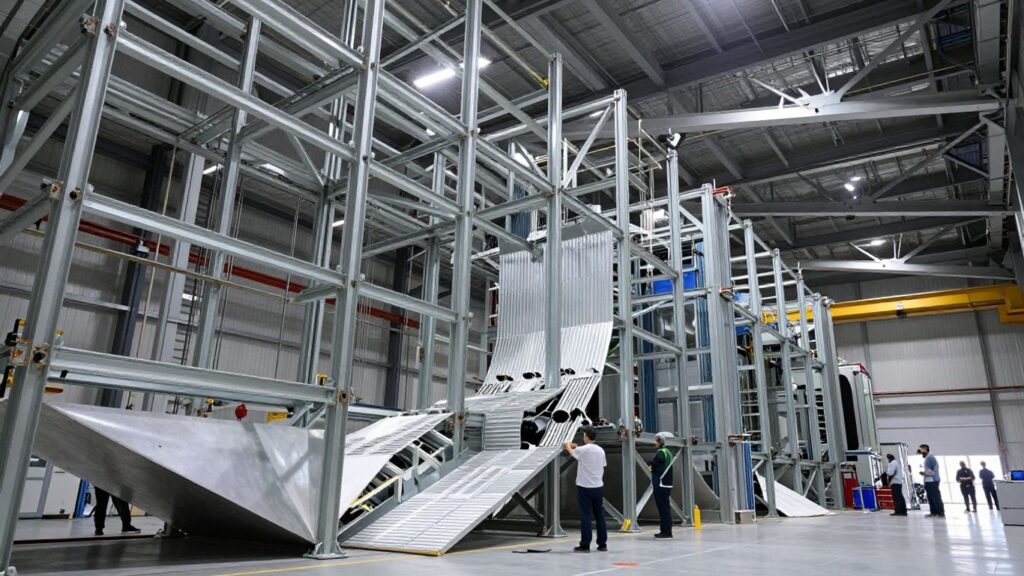
Key Takeaways Linear eigenvalue analysis is a fast elastic stability check, while GMNIA follows structural response with geometric and material nonlinearity and defined imperfections. Used together, they provide a clearer basis for buckling assessment and design decisions. Eigenvalue analysis identifies idealized critical load factors and likely buckling modes. GMNIA can account for large displacements, yielding, […]
Common Reasons BCA Rejects Temporary ERSS Submissions (And How to Avoid Them)

Key Takeaways Temporary ERSS submissions are commonly returned when the technical evidence, drawings, design assumptions, and authority responses do not form one clear and verifiable package. Confirm that every required form, report, calculation, drawing, and supporting record is included. Base the ERSS design on current site investigation, groundwater, utility, and neighbouring-structure information. Show the design […]
Eurocode 7 (SS EN 1997) for Singapore ERSS: Ultimate Limit State (ULS) vs. Serviceability Limit State (SLS)
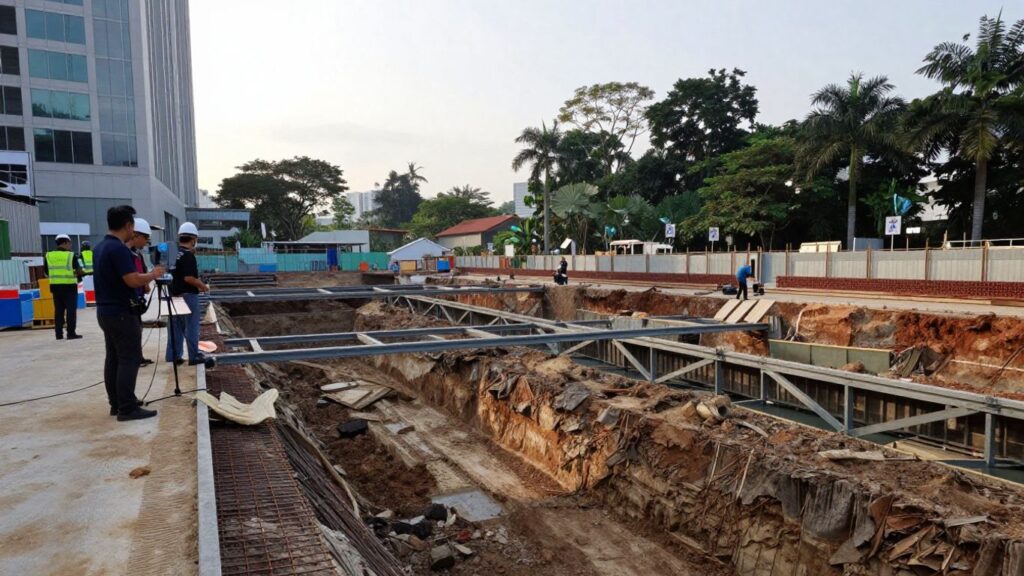
Key Takeaways Eurocode 7 provides the limit-state framework for Singapore ERSS, but a compliant design also depends on local ground conditions, construction stages, and movement control. ULS checks resistance against collapse, instability, hydraulic failure, and structural failure. SLS checks movements, settlement, deformation, and effects on neighbouring assets. Groundwater and soil variability must be reflected in […]
Temporary King Post and Strutting Systems: Structural Detailing for BCA Approval
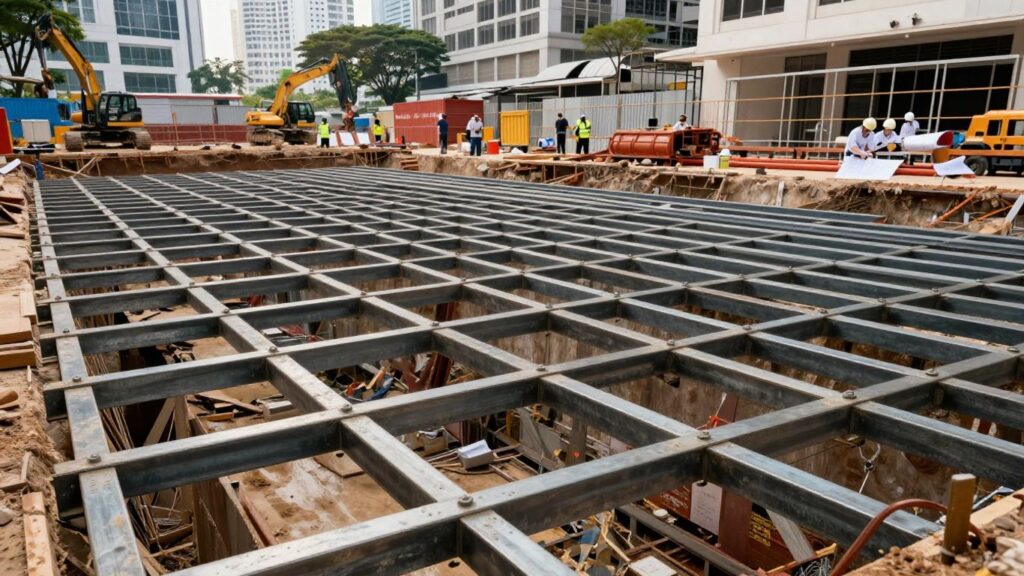
Key Takeaways A temporary king post and strutting system is only as reliable as its design basis, connections, construction sequence, and site control. BCA approval depends on a coordinated package that explains both the engineering and how the system will be built. Define the ground, loading, geometry, and construction stages before detailing steel. Check member […]
Roof extension regulations in Singapore: Structural limits you must know

Key Takeaways Adhering to Singapore’s strict building codes is essential for any roof extension project, requiring careful planning and professional oversight to remain compliant. BCA approval remains the primary requirement for all structural additions. Proper calculation of dead and live loads ensures long-term safety. Professional Engineers must endorse all structural analysis documentation and plans. Climate […]
Rebuilding vs. A&A: A structural engineer’s perspective on Singapore homes

Key Takeaways Deciding between renovation and complete reconstruction requires a deep understanding of your property’s current state and your long-term spatial goals. Homeowners must balance regulatory constraints with engineering realities to create safe, valuable assets for the future. Categorize projects based on structural impact to avoid unnecessary regulatory delays. Understand the specific site constraints, such […]
When exactly do you need a structural PE for HDB renovations? A homeowner’s guide

Key Takeaways Understanding structural safety guidelines is essential for any homeowner planning a home upgrade. Here are the core principles you need to know: Structural modifications often require professional certification to ensure building stability. HDB permits are mandatory for specific hacking works to protect block integrity. Identifying the difference between load-bearing and non-structural walls prevents […]
Boosting Construction Safety: Insights from Tung Ching Yew

Workplace safety in Singapore has seen some positive movement, with a notable drop in fatalities in the first half of the year compared to last year. This improvement is partly thanks to a "Heightened Safety Period." While this is good news, the Manpower Ministry points out that there’s still work to do, especially in the […]
Building Safely: A New Approach to Construction Design
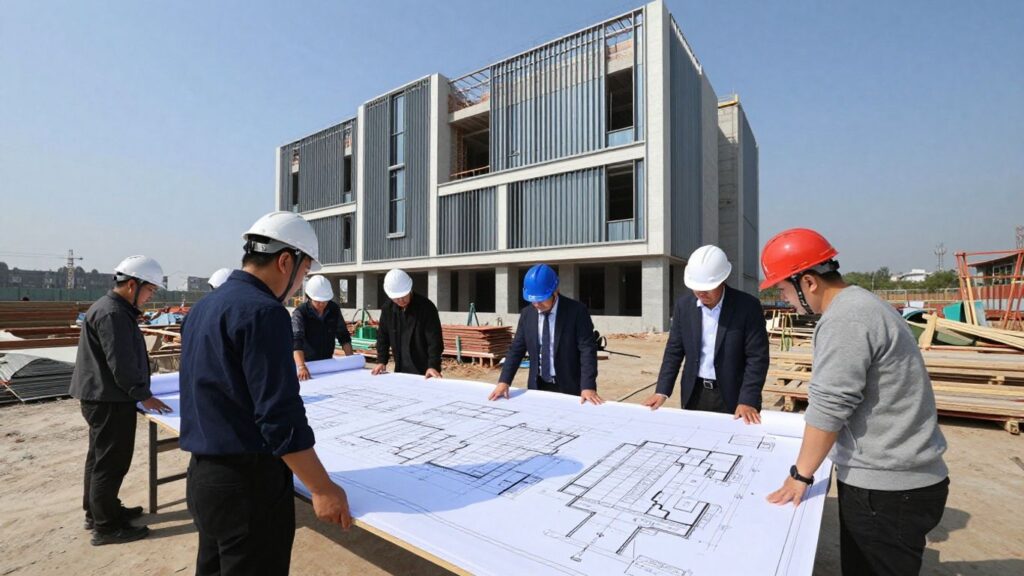
Singapore has a big goal: to create a safe and healthy workplace for everyone. They’re aiming not just to match the safety records of developed countries, but to be among the best in the world. One way they’re working towards this is with new guidelines for designing buildings and structures safely. These guidelines focus on […]