
Introduction
The cost of obtaining an SCDF fire safety certificate for a shopping mall in Singapore ranges from approximately S$700,000 to over S$12 million, depending on the mall’s size, complexity, and whether it is a new build or retrofit. Most building owners are surprised to learn that the Singapore Civil Defence Force statutory fees themselves – typically a few hundred to a few hundred thousand dollars – represent less than 5% of total expenditure. The bulk of the cost sits in professional consultancy, registered inspector fees, and fire protection systems installation or rectification works.
This article focuses on enclosed shopping malls and large retail complexes in Singapore – not individual strata shop units or small kiosk tenants operating within an already-certified mall. If you are a mall owner, REIT asset manager, developer, facility manager, or architect planning a new mall or major alteration and addition (A&A) works, this guide is built for you.
Understanding full fire safety certificate FSC costs matters because it directly affects CAPEX and OPEX budgeting, your timeline to temporary occupation permit or statutory completion, investor reporting, and your exposure to enforcement action. Penalties for non-compliance can include fines up to $10,000, and delays to opening dates carry significant intangible costs including lost rental income and reputational damage.
Here is what you will gain from this article:
-
Typical cost components that make up an SCDF fire safety certificate package for a shopping mall
-
How SCDF statutory fees differ from consultancy and inspection fees
-
How mall size, height, and fire safety systems complexity affect total cost
-
What a realistic budget looks like for 2026 projects and renewals
-
How AMAN Engineering Consultancy can help optimise cost while staying compliant
Understanding SCDF Fire Safety Certificates for Shopping Malls
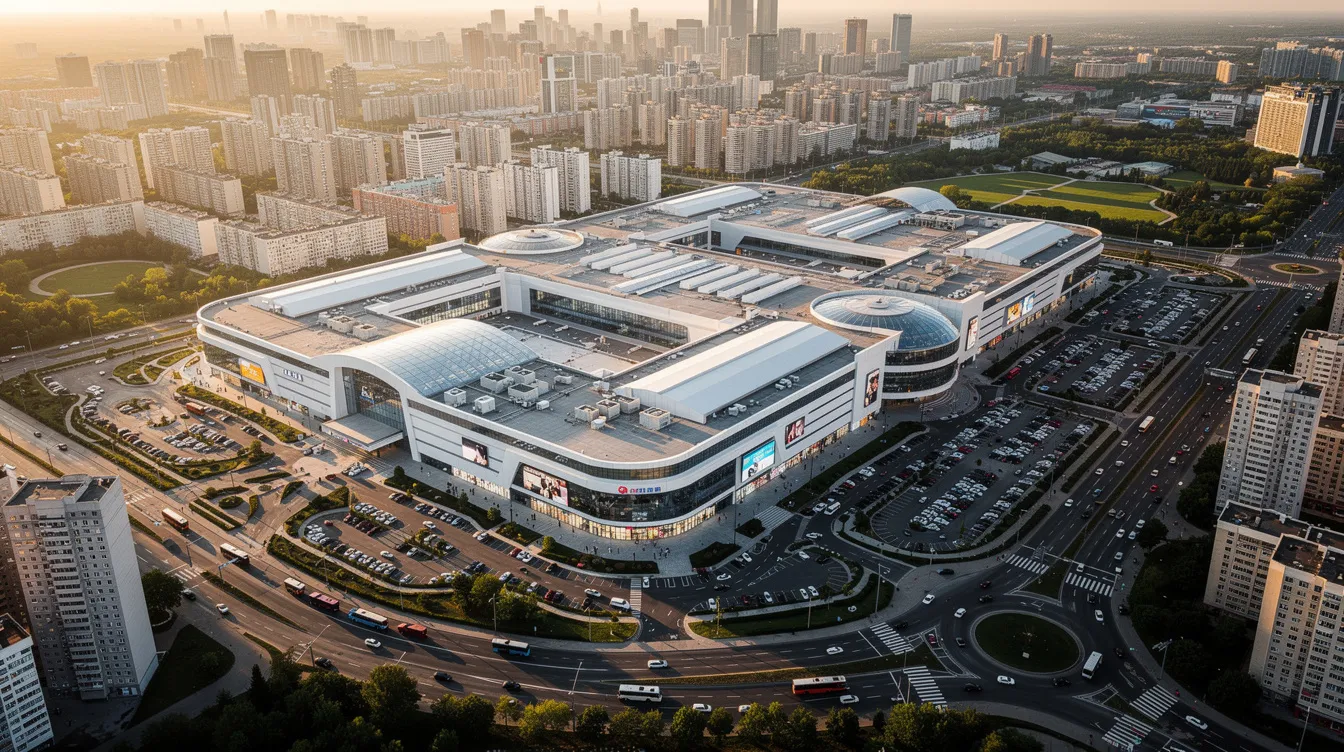
A fire safety certificate is the formal approval issued by the civil defence force SCDF confirming that a building’s fire safety works have been completed, inspected, and meet all requirements under the Fire Safety Act. For a shopping mall, obtaining a valid fire safety certificate is a legal prerequisite before the building can be occupied. Singapore has two main types of fire safety certificates, and the distinction between Fire Safety Certificates and Fire Certificates is essential for compliance.
The Fire Safety Certificate (FSC) is a one time certification issued at completion of fire safety works – typically before the building receives its temporary occupation permit or certificate of statutory completion for new or renovated buildings. A Fire Certificate (FC) applies to certain high-occupancy premises and covers ongoing compliance and maintenance obligations. Buildings with over 200 occupants need a Fire Certificate. Fire Certificates apply to hospitals, hotels, and schools, as well as to shopping complexes, industrial buildings, and other commercial buildings with high occupant load. From 1 April 2026, non residential buildings including malls will obtain Fire Certificates valid for three years under the new SCDF regime, reducing administrative burden while requiring owners to ensure ongoing compliance throughout the validity period.
Shopping malls are classified as public building premises under the Fire Safety Act 1993, placing them in a higher fire safety obligation category. The reasons are straightforward: malls combine high occupant load, complex multi-storey layouts, mixed uses such as F&B kitchens and cinemas, extensive basement carparks, and large atrium volumes – all of which create significant fire risk and evacuation complexity.
What Exactly Does the FSC Cover in a Shopping Mall?
When SCDF evaluates a fire safety certificate application for a mall, the scope extends across every critical fire safety provision in the building. This includes automatic sprinkler and drencher systems, smoke control and pressurisation systems, fire alarm systems and fire detection networks, voice communication systems, emergency lighting and signage, and emergency power supplies. Fire safety inspections are mandatory before certificate issuance, and shopping malls require extensive testing due to integrated fire protection systems.
Beyond active systems, SCDF examines egress routes and their capacity relative to occupant load, atrium design and its impact on smoke spread, fire compartmentation including fire rated walls and floor separations, fire lifts, refuge floors, and the overall fire safety provisions designed into the building. Fire protection systems in malls are complex and demand thorough inspections across every storey and zone.
The cost of a fire safety certificate is therefore tied to the design, installation, testing, and certification of all these fire safety installations – not simply to the application fee for the certificate itself. AMAN’s role in mall projects often includes coordinating authority submissions to SCDF and BCA and integrating fire engineering with architectural and M&E design to meet the fire code efficiently.
When Does a Shopping Mall Need an FSC (and When Don’t Individual Tenants Need One)?
A fire safety certificate is required before building occupancy in the following situations: new mall developments before TOP/CSC and opening to the public, and major A&A or change-of-use works that alter means of escape, fire load, or key fire safety systems. The fire safety act requires that any designated building undergoing significant renovation must obtain fresh certification.
Individual shops inside a mall normally operate under the mall’s existing certificate. However, tenant fit-outs that affect fire safety equipment – such as relocating sprinkler heads, modifying fire alarm zones, or adding kitchen exhaust ductwork – still require SCDF plan submission and approval, and may incur separate consultancy costs. A temporary fire permit allows temporary building occupation during phased works, but this is distinct from the full FSC.
The scale and timing of works – new build versus retrofit versus tenant fit-out – fundamentally changes the order of magnitude of costs, which is where we turn next.
Cost Breakdown: What You Actually Pay for an SCDF FSC in a Shopping Mall
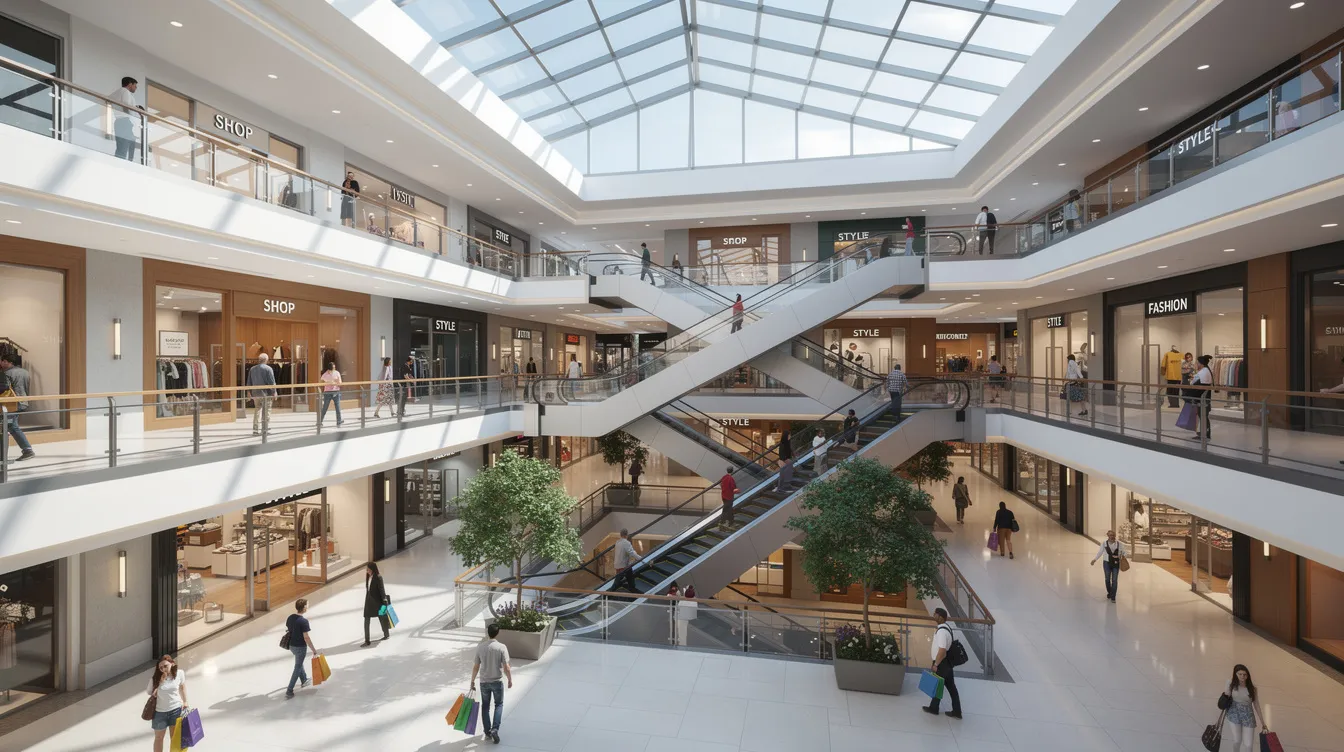
For 2026 projects, here are indicative total cost ranges for the full FSC package. A mid-size suburban mall of approximately 20,000–40,000 m² GFA across 5–8 storeys typically faces total FSC-related costs of S$700,000 to S$2,000,000. A large regional mall exceeding 60,000 m² GFA with multiple atria and basements can expect S$2.5 million to S$12 million or more. These figures are ballpark estimates and costs vary significantly with design choices, existing building conditions, and complexity of fire safety measures.
Obtaining or renewing a Fire Certificate for a shopping mall involves multiple costs that fall into three main buckets: SCDF statutory fees, professional and consultancy fees, and hardware/rectification costs. Federal fees are minimal while professional services constitute the bulk of costs.
1. SCDF Statutory Fees for Mall FSC
SCDF levies fees based on the number of storeys in a building and the scope of fire safety works. The key statutory fees include:
-
Plan submission fees: S$160 per 100 m² (or part thereof) of floor area where prescribed fire safety measures such as sprinklers, smoke control, and fire lifts are present. For areas without prescribed measures, the rate is S$100 per 100 m².
-
Fire Certificate fees: S$36 per storey for non residential buildings under the 2026 three-year regime (compared with S$11 per storey for private residential buildings).
-
A&A and change-of-use submissions (where no floor area increase occurs): approximately S$90 per storey.
-
Applications for Fire Safety Certificates must be submitted via CORENET, and SCDF typically responds to applications within three working days.
SCDF application fees are modest but vary by building type. For a mid-size mall, plan approval fees might total S$50,000–80,000 depending on area. For a large regional mall, these can reach S$200,000–400,000+. Even at the upper end, SCDF statutory fees generally represent a small single-digit percentage of total FSC expenditure. AMAN includes clear disclosure of all revised application fees payable in our authority submission proposals so there are no surprises.
2. Professional & Consultancy Fees (Fire Engineer, QP, BIM, Authority Submissions)
For shopping complexes, professional fees are typically a major controllable part of FSC-related cost. Professional fees vary based on the expertise required and project scale. The services usually required include:
-
Fire safety design and performance-based engineering – evacuation modelling, smoke control simulations, and fire engineering approaches for atria and complex spaces. AMAN’s team follows the fire engineering approach when prescriptive solutions would be impractical or unnecessarily costly.
-
Qualified Person (QP) services for SCDF, BCA, URA, and LTA submissions. Qualifying persons must oversee fire safety submissions for regulatory compliance.
-
BIM and 3D modelling using tools like Revit and Tekla to coordinate services in dense ceiling zones and vertical shafts, preventing costly clashes during construction.
-
Registered Inspector (RI) inspections and Professional Engineer (PE) endorsements for all fire protection systems. Engaging a Registered Inspector costs between S$2,000 to S$15,000 for smaller scopes, but for an entire large mall covering all systems, RI fees typically range from S$30,000 to S$80,000.
Realistic 2026 fee bands for mall projects:
-
Concept-to-FSC fire engineering/QP package for a new mid-size mall: S$150,000 to S$300,000
-
FSC-related consultancy for major retrofit of an existing mall: S$100,000 to S$300,000, generally lower than a full new-build scope but still substantial due to gap analysis and legacy system assessment
-
Full fire engineering, QP, RI, and PE package for a large regional mall: S$300,000 to S$600,000+
Bundling authority submissions – covering BCA, SCDF, and other agencies – with one consultancy like AMAN reduces duplication, minimises RFIs, and avoids the indirect costs of fragmented coordination.
3. Fire Protection Systems, Upgrades and Rectification Costs
For new malls, fire safety installations costs are embedded in the overall M&E and fit-out budget. For existing malls undergoing A&A works, these costs often surface as unplanned rectification when fire safety inspections reveal non-compliance with current fire code requirements. Faulty components increase costs for fire safety servicing and repairs, sometimes dramatically.
Typical items include:
-
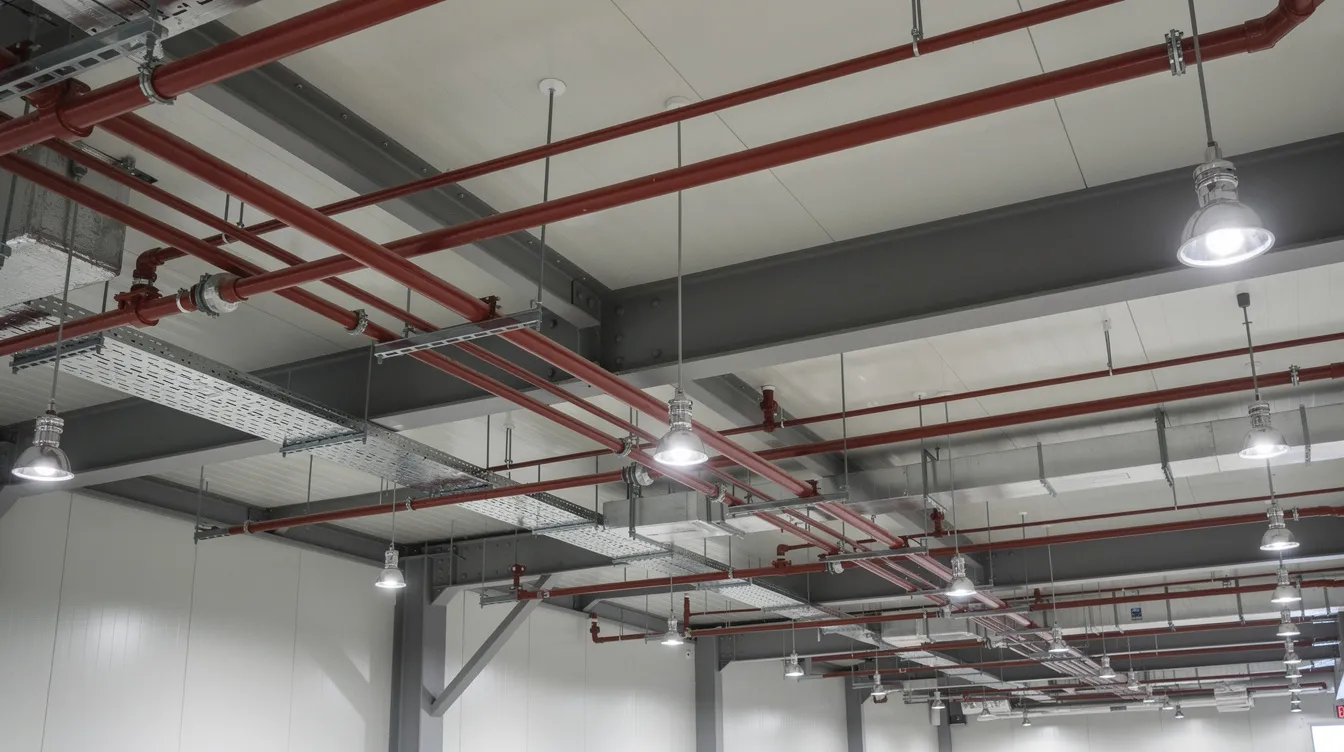
Sprinkler and hydrant system upgrades, replacement of corroded pipes, and pump replacements
-
Fire alarm and PA/VA system rewiring, panel upgrades to meet newer Fire Code editions
-
Smoke control modifications, replacement or addition of fire doors, and fire-stopping of penetrations through fire rated walls and floor slabs
-
Replacement of expired fire safety equipment such as extinguishers, hose reels, and emergency lighting units
Indicative 2026 ranges for system works:
-
Minor rectification for a well-maintained mall (replacing expired components, limited rewiring, valve replacements): S$500,000 to S$1,500,000
-
Major system overhaul in an older mall built before the current fire code, where smoke control, alarm panels, and sprinkler networks require wholesale replacement: S$2,000,000 to S$10,000,000+
Inspection and testing costs vary widely based on the complexity of the system. The condition of existing fire safety systems is often the single biggest variable determining whether your project lands at the low or high end of these ranges.
Key Cost Drivers for Mall Fire Safety Certificates in Singapore
Two malls with identical GFA can have vastly different FSC-related costs depending on their layout, risk profile, and project strategy. Understanding the following criteria helps building owners and developers set more accurate budgets.
Mall Size, Height, and Layout Complexity
Larger GFA means more horizontal sprinkler piping, more fire alarm zones, more smoke compartments, and more RI inspection time. Additional basements are especially cost-sensitive: basement carparks and interconnected atria are the most complex areas for smoke control and egress design because smoke behaviour in tall void spaces and below-grade environments requires sophisticated engineering and often performance-based solutions.
Vertical circulation elements – escalator voids, link bridges to MRT stations, overhead linkways between buildings – add fire code constraints that frequently require bespoke fire safety measures. Each additional storey also increases the SCDF statutory fee (S$36 per storey for non residential buildings) and multiplies RI inspection scope.
AMAN often uses BIM coordination to simulate and coordinate these complex areas efficiently, preventing late-stage rework costs that arise from clashes between ductwork, sprinkler mains, and architectural soffits.
Mix of Uses Inside the Mall (F&B, Cinemas, Supermarkets, Entertainment)
Certain tenant types significantly increase fire load and system requirements. Large F&B clusters and food courts generate kitchen exhaust with grease-laden ducts, requiring dedicated suppression systems and fire-rated enclosures. Cinemas, arcades, and indoor entertainment venues have higher occupant density and more demanding evacuation constraints. Hypermarkets and big-box retail tenants store combustible goods at scale.
These uses may require additional fire detection devices, isolation zones, dedicated suppression systems, or more intensive evacuation modelling – all requiring deeper coordination with SCDF on crowd management and emergency response planning assumptions. Fire Safety Managers are legally required for shopping malls in Singapore, and Fire Safety Managers conduct routine compliance and fire drills in malls with these complex use mixes.
Early involvement of fire safety consultants at the leasing concept stage can allow smarter zoning of high-risk uses, sometimes reducing overall cost while maintaining full fire safety compliance.
New Build vs A&A / Retrofit of Existing Malls
New build:
-
Fire safety is integrated from concept stage; cost is predictable and included in the base build budget
-
The FSC process runs in parallel with BCA approvals and the TOP/CSC timeline
-
Fire safety plans can be optimised before construction begins, reducing waste
Retrofit:
-
Legacy fire safety systems, hidden defects, and partial upgrades from previous tenant fit-outs can make FSC-related costs unpredictable
-
Night-only works, phasing around ongoing mall operations, and temporary fire protection measures add premiums of 15–30% over standard construction rates
-
Documentation and regulatory compliance are essential for Fire Safety Certificate approval, and older buildings frequently lack complete maintenance records or approved plans for previous modifications
Building owners budgeting for major A&A should include a contingency of 15–25% specifically for unforeseen fire safety rectifications discovered during the site survey and inspection phase.
Documentation Quality, BIM Coordination, and Authority Strategy
Well-coordinated design and documentation reduce RFIs, prevent redesign during installation, and minimise failed inspections. Cost-saving best practices include:
-
Using coordinated BIM models to identify and resolve clashes between ductwork, sprinkler piping, electrical cabling, and architectural elements before construction begins
-
Submitting clear, complete packages to SCDF and other authorities from the outset – a late or incomplete submission triggers review delays and potential re-submission fees
-
Aligning fire engineering strategies with long-term leasing plans, particularly the percentage of F&B and entertainment the mall will support
AMAN integrates architectural, structural, and fire safety design for malls so that authority submissions are smoother, supporting documents are comprehensive, and change orders during construction are minimised.
From Design to Certificate: Costed Steps in the FSC Process for Malls
Every step from concept design to SCDF inspection has cost implications. Planning these upfront prevents budget shocks and schedule disruptions. The following walkthrough covers a typical new mall journey, highlighting where spend occurs and what each phase costs.
Step-by-Step FSC Journey and Where Costs Arise
1. Concept and schematic design
Early fire strategy workshops establish the fire safety framework: fire code compliance checking against the latest SCDF requirements, initial evacuation strategy, and cost benchmarking for fire safety systems. Professional fees at this stage typically represent 10–15% of total consultancy cost. This is also when the fire safety manager role should be defined and emergency response planning assumptions set.
2. Detailed design and BIM coordination
Full fire safety plan preparation begins, with integration into architectural and MEP models. Authority submission drafting includes pre-consultation with SCDF on complex features such as atria, smoke control strategies, and performance-based solutions. This phase typically accounts for 30–40% of professional fees. Using BIM in Singapore at this stage catches coordination issues before they become expensive site problems.
3. SCDF plan submission and review
Fire safety plans must be submitted to SCDF for approval via the CORENET/APEX platform. SCDF statutory fees are incurred here – the plan submission fees based on floor area and prescribed fire safety measures. SCDF typically responds to applications within three working days, but complex malls may trigger RFIs requiring additional modelling or design adjustments. Any changes to approved plans require re-submission and potentially additional fees.
4. Construction, testing, and commissioning
Installation of all fire protection systems proceeds according to approved plans. Budget items include contractor preliminaries, testing and commissioning (T&C) teams, mock fire drills, and fine-tuning of control logic for integrated systems like smoke control dampers linked to fire alarm systems. This phase contains the largest hardware expenditure.
5. RI/PE inspection and FSC application
The registered inspector conducts comprehensive inspections across all fire safety installations – sprinklers, alarms, smoke control, fire doors, emergency lighting, fire lifts, and signage. Re-inspections may be required if deficiencies are found. The professional engineer endorses system performance. This phase also involves consolidating as-built documents, test reports, and statutory forms for the fire safety certificate application to SCDF.
6. SCDF final inspection and rectification round
SCDF conducts its own inspection. Potential minor works at this stage include additional signage, adjustment of door closers, or relocation of fire safety equipment. If rectifications are required, delay costs can be significant – impacting opening dates, rent-free periods for tenants, and marketing campaigns. Each additional SCDF inspection visit adds both direct fees and contractor mobilisation costs.
AMAN plans these steps as a single integrated programme so that building owners see both time and cost implications from the earliest stage.
Illustrative Cost Ranges: Mid-Size vs Large Regional Mall
Scenario A: New mid-size suburban mall (~30,000 m² GFA, 1 basement carpark, 5 storeys)
-
SCDF statutory fees (plan approvals, FC): approximately S$50,000–80,000
-
Consultancy and inspection fees (fire engineering, QP, RI, PE, documentation): S$150,000–300,000
-
Fire protection installations and rectification (portion of M&E budget attributable to fire safety compliance): S$500,000–1,500,000
-
Total FSC-related cost: approximately S$700,000 to S$2,000,000
Scenario B: Large regional mall (~80,000 m² GFA, 2–3 basements, cinemas, extensive F&B)
-
SCDF statutory fees: S$200,000–400,000+
-
Consultancy and professional services: S$300,000–600,000+
-
Fire protection systems and major installations: S$2,000,000–10,000,000+
-
Total FSC-related cost: approximately S$2.5 million to S$12 million+
Costs scale non-linearly because larger malls introduce multiple atria requiring independent smoke control systems, more RI inspection time across dozens of zones, and more complex interactions between building systems. Early, accurate scoping with a qualified consultancy is the only reliable way to arrive at project-specific numbers.
Total project compliance costs for a shopping mall can range from SGD $5,000 to over $30,000 for the administrative and statutory fee components alone, before professional and hardware costs are added.

Common Cost Pitfalls for Mall FSC Projects – and How to Avoid Them
Many FSC cost overruns are not caused by SCDF changing requirements mid-project. They stem from late design changes, poor documentation, or neglected fire safety systems that reveal expensive surprises during building inspections.
Underestimating Rectification in Older Malls
Decades of tenant fit-outs and piecemeal renovation works can leave fire safety systems fragmented or undocumented. Typical surprises include unsealed penetrations through fire rated walls, blocked smoke extraction ducts behind tenant partitions, outdated fire alarm panels with discontinued parts, and missing test and maintenance records that make it impossible to verify whether systems were properly maintained.
The solution is to commission a pre-FSC condition survey and gap analysis from a qualified engineering consultancy before setting budgets. This produces a prioritised rectification plan that can spread CAPEX across phases while still achieving SCDF acceptance. For brownfield malls, this site survey is not optional – it is the foundation of any realistic cost estimate.
Changing Leasing Strategy After Fire Design Is Finalised
A common and costly scenario: the leasing team decides to increase the F&B percentage from 15% to 35%, or to add a cinema complex, after fire safety design is substantially complete. The impact cascades – smoke control studies must be redone, sprinkler and kitchen exhaust designs revised, and fire safety plans re-submitted to SCDF. Each of these changes carries both direct cost (redesign fees, new equipment) and time penalties.
The solution is to bring fire engineers and leasing teams together at concept stage to set realistic and durable use-mix assumptions. AMAN regularly facilitates these early workshops to prevent exactly this type of mid-project disruption.
Inadequate Testing & Commissioning Before SCDF Inspection
Failing the SCDF inspection leads to additional RI visits, overtime charges for contractors, and potentially delayed opening. Beyond direct costs, there are intangible consequences: damage to brand image, strained tenant relations, and lost rental days during what should be the launch period.
The recommended approach is to conduct internal pre-inspections and dry-runs involving the facility management team, contractors, and consultants. Clear punch lists with assigned accountability should be completed before booking SCDF inspection dates. Fire drills and system integration tests should verify that all fire safety systems operate as designed under realistic scenarios.
Working with AMAN Engineering Consultancy to Optimise FSC Costs
AMAN Engineering Consultancy Pte Ltd is a Singapore-based multi-disciplinary consultancy with deep experience in commercial and retail developments, including shopping complexes and offices hospitals shopping complexes across the island. Our integrated approach – combining architecture, fire safety engineering, structural design, M&E coordination, and BIM services – helps mall clients in several important ways:
-
Design malls that meet SCDF requirements without over-engineering – avoiding unnecessary safety measures that inflate cost without improving outcomes
-
Align authority submissions (SCDF, BCA, URA, LTA, PUB) to reduce conflicting requirements and prevent costly redesign
-
Use BIM/Tekla to coordinate services and detect clashes before construction, avoiding expensive late-stage relocations of sprinkler piping, ductwork, or cable trays
Specific ways AMAN supports mall clients throughout the FSC journey:
-
Early-stage FSC cost planning and value engineering options to benchmark realistic budgets
-
Preparation and management of all SCDF fire safety submissions and RFI responses
-
Coordination of qualified professionals including Registered Inspectors and Professional Engineers through inspections and rectifications
-
Ongoing advisory for Fire Certificate renewals once the mall is in operation, including managing the inspection schedule, renewal application timelines, and supporting documents to ensure ongoing compliance under the new three-year FC regime
Conclusion and Practical Next Steps for Mall Owners
Fire safety certificate costs for shopping malls in Singapore are significant but manageable when planned from the earliest project stages. Most expenditure sits in design, coordination, and fire protection hardware – not in the SCDF statutory fee. The key cost drivers are mall size and layout complexity, use mix (especially F&B and entertainment density), existing condition of fire safety systems, and the quality of design documentation and authority strategy.
Here are practical next steps for any building owner or developer approaching an FSC project:
-
Gather basic data on your mall: GFA, number of storeys and basements, intended use mix, building age, and the fc status of existing fire safety systems
-
Commission a preliminary fire safety and cost review from a qualified consultancy like AMAN to establish a realistic 2026 budget – this initial scoping exercise typically pays for itself many times over by preventing budget surprises
-
Map out your FSC timeline backwards from intended opening or statutory completion dates, including buffer for rectifications and re-inspections
-
Align leasing strategy and design assumptions – especially F&B, entertainment, and anchor tenant uses – with the fire engineering strategy before detailed design begins
-
Set up a plan for ongoing fire certificate and maintenance costs after initial FSC is issued, including the renewal application cycle (submitted at least two months before expiry), fire safety inspections, and maintenance records to maintain a good compliance track record
Related topics mall owners may wish to explore include BCA periodic façade inspections for shopping malls, periodic structural inspections, and BIM coordination strategies for complex commercial buildings.
Frequently Asked Questions About FSC Costs for Shopping Malls in Singapore
These FAQs address the cost- and process-specific questions mall owners and developers most frequently ask in 2026.
How much should I budget for the FSC component of a new shopping mall in 2026?
For professional and inspection fees alone, budget S$150,000–S$600,000+ depending on mall size and complexity. SCDF statutory fees typically add S$50,000–S$400,000 depending on total floor area and the number of prescribed fire safety systems. Fire protection installations attributable to fire safety compliance typically represent 8–15% of the total M&E budget for a new mall. AMAN typically refines these into a project-specific budget after a short feasibility review using your stacking diagrams and early floor plans.
Are SCDF fees themselves a major part of the cost?
No. SCDF statutory fees – including plan submission fees, fire safety certificate application fees, and fire certificate fees – are generally modest compared with professional services and system installation costs. For most mall projects, SCDF fees represent 1–5% of total FSC-related expenditure. Focusing only on the “SCDF fee” significantly underestimates true project cost. Fire Certificate renewal costs S$36 per storey for non-residential buildings and S$11 per storey for residential buildings, giving a sense of the scale difference between statutory charges and total compliance investment.
Is it cheaper to phase fire safety works by wing or level?
Phasing can reduce immediate CAPEX and allow parts of the mall to continue operating, but it often increases overall professional and inspection costs. Each phase requires its own plan submission, RI inspections, and potentially separate SCDF visits. Operational disruption and repeated mobilisation of contractors add indirect costs. In some cases, a fire hazard abatement notice could be issued for non-compliant zones during phased works if interim safety measures are inadequate. AMAN can model different phasing options for brownfield malls and advise on the strategy that balances cost, risk, and operational continuity.
How early should I engage a fire safety consultant for a new mall?
Engage at concept planning or earliest schematic design stage – ideally before architectural layouts are locked. At this point, fire engineering input can shape atrium dimensions, egress widths, smoke zone planning, and F&B cluster placement in ways that reduce both system costs and authority submission complexity. Waiting until detailed design to bring in fire consultants consistently leads to more expensive redesign and longer approval timelines.
Can I reuse existing fire systems when redeveloping an old mall to save money?
Partial reuse is often possible but must be justified technically. SCDF and your registered inspector will consider whether the existing certificate and its underlying systems comply with the current fire code, whether the remaining useful life of pumps, panels, and pipework is adequate, and whether the new layout or tenant uses outstrip the original design assumptions. A professional condition survey is essential – it identifies which components can be retained (with certification), which need upgrading, and which must be fully replaced. Blindly assuming reuse without this assessment creates compliance risk and can lead to failed inspections and costly emergency replacements. Fire Safety Certificates must be renewed annually in Singapore (or every three years under the new regime for non residential buildings), so any reused systems must meet standards for the full renewal cycle.
How can AMAN Engineering Consultancy give me a more accurate FSC cost estimate?
AMAN typically requests the following information to prepare a tailored authority submission and fire engineering fee proposal:
-
Proposed GFA, number of storeys and basements, and early floor plans or stacking diagrams
-
Intended tenant mix including percentage of F&B, entertainment, and anchor tenants
-
Existing as-built drawings, fire system records, and insurance coverage documentation for retrofit projects
-
Timeline constraints including target TOP/CSC dates and any phasing requirements
With this data, AMAN prepares a detailed scope covering all SCDF fire safety submissions, fire engineering design, RI and PE coordination, and indicative system and rectification cost bands – giving you a reliable basis for budgeting and investor reporting. Reach out to our team to begin the scoping conversation.