
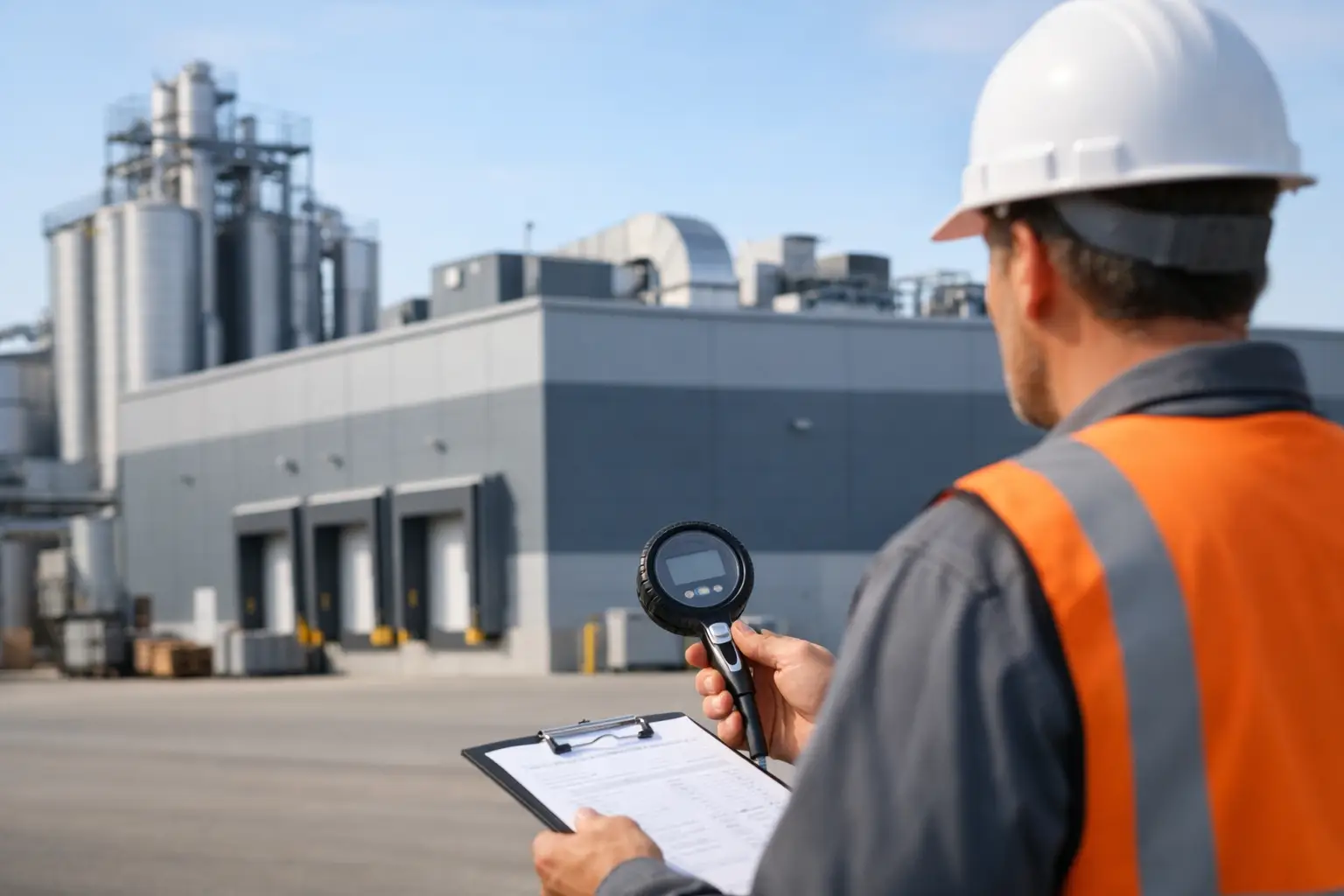
A cracked loading bay slab, water intrusion at a precast wall joint, or corrosion showing at steel members near process areas usually raises the same question fast: when do industrial buildings need PSI? For owners, operators, and asset managers, the answer is not just about spotting visible defects. It is about understanding when a Periodic Structural Inspection becomes a statutory requirement, when a building condition calls for a targeted engineering review, and when delaying action creates avoidable safety and compliance risk.
What PSI means for industrial buildings
PSI refers to Periodic Structural Inspection. In practical terms, it is a formal structural inspection regime used to assess whether a building remains safe and serviceable over time. For industrial assets, this matters more than many owners expect because these buildings often carry heavier operational demands than typical commercial premises. Forklift traffic, equipment vibration, mezzanine loading, production heat, chemical exposure, and frequent alterations can all accelerate wear or introduce structural stress that was not part of the original design assumptions.
A PSI is not the same as a routine maintenance walk-through. It is a structured engineering exercise carried out to identify deterioration, distress, damage, or signs that the structure may no longer be performing as intended. Depending on the building type, age, and local regulatory framework, it may also require submission, endorsement, or follow-up rectification.
When do industrial buildings need PSI under statutory requirements?
The short answer is that industrial buildings need PSI when they fall within the category of buildings subject to mandatory periodic structural inspection under the applicable authority rules. The exact trigger depends on jurisdiction, building classification, and whether the asset has reached the prescribed inspection age.
For many industrial property stakeholders, the practical trigger is age. Once a building reaches the threshold where periodic structural inspections become compulsory, the owner must arrange for the inspection through the appropriate qualified professional. Missing that timeline can create compliance exposure, delay transactions, and complicate other submissions tied to additions, alterations, tenancy works, or change-of-use reviews.
That said, age is only one part of the picture. Even where a formal PSI cycle is not yet due, industrial buildings may still need a structural inspection because of building condition, operational changes, or authority requirements linked to another application.
Common triggers beyond the routine PSI cycle
Visible structural distress
If an industrial building shows major cracks, slab deflection, spalling concrete, exposed reinforcement, corrosion, settlement, or deformation at steel members, a structural inspection should not wait for the next periodic cycle. These signs may or may not indicate serious structural weakness, but they do require engineering assessment.
There is an important distinction here. Hairline non-structural cracking in finishes is different from load-related cracking in beams, columns, transfer structures, or industrial floor slabs. An experienced engineer will assess location, crack pattern, width, progression, and associated symptoms before deciding whether the issue is cosmetic, durability-related, or structurally significant.
Additions, alterations, or increased loading
Industrial facilities are frequently modified. New machinery, racking systems, suspended services, process platforms, mezzanines, rooftop equipment, and production line changes can all affect structural demand. In these cases, the question is not only when do industrial buildings need PSI, but whether they also need a targeted structural assessment for the new load conditions.
A building that was safe for warehouse storage may not be adequate for heavy manufacturing equipment without verification. Likewise, converting an open production zone into a concentrated storage area can change imposed load requirements significantly. If the intended use has changed, the original structural design assumptions should not be taken for granted.
Fire, impact, flooding, or other incidents
After a fire, vehicle collision, significant flooding, chemical attack, or accidental overloading event, a formal structural inspection is often necessary. Industrial buildings are especially exposed to this issue because of dock operations, process hazards, and large service installations. Even when damage appears localized, hidden distress can exist at connections, slabs, or supporting members.
In these cases, the inspection scope usually goes beyond ordinary visual review. It may include material testing, intrusive opening-up, crack monitoring, deflection checks, or load evaluation to support repair decisions and authority coordination.
Purchase, sale, or asset due diligence
A buyer evaluating an older factory, warehouse, or production facility may request a structural inspection even if no immediate statutory deadline is due. This is a commercial decision, but a sensible one. Deferred maintenance, undocumented alterations, unauthorized penetrations, and long-term corrosion are common findings in industrial stock.
For sellers, a pre-sale structural review can also reduce transaction friction. It is easier to address known issues early than have them surface during technical due diligence and affect valuation, negotiation, or financing.
Why industrial buildings face higher PSI risk
Industrial buildings are not uniform. Some are simple single-story warehouses. Others have transfer slabs, heavy plant bases, crane systems, long-span roofs, chemical process zones, or mixed office-production occupancy. That variation affects inspection urgency.
Buildings with aggressive operating environments generally need closer attention. Moisture, heat, corrosive substances, vibration, repetitive loading, and impact from industrial activity can degrade structural elements faster than in standard office settings. Unauthorized modifications are another recurring issue. Penetrations through beams, hacked slab zones, removed bracing, and ad hoc support frames installed by tenants can introduce real structural problems.
This is why a PSI should not be treated as a paperwork exercise. A proper inspection helps owners understand whether the building is simply aging normally or whether it is moving into a condition that requires repair, strengthening, load restriction, or further forensic review.
What a PSI typically looks at
A competent PSI for an industrial building usually reviews the main structural system, including slabs, beams, columns, walls, roof framing, staircases, and other accessible load-bearing components. The inspection also considers signs of distress such as cracking, corrosion, water ingress, spalling, deformation, settlement, and deterioration at joints or supports.
For industrial assets, the engineer will often pay close attention to floor performance, equipment support areas, loading zones, and areas affected by moisture or chemical exposure. If building records are incomplete, part of the exercise may involve reconstructing likely structural behavior from drawings, site observations, and selective verification.
Where defects are found, the next step depends on severity. Some findings lead to routine repair recommendations. Others require immediate temporary measures, load control, a more detailed structural analysis, or authority submission support.
What owners often get wrong
A common mistake is assuming that if operations have continued for years, the structure must be fine. Industrial buildings can tolerate distress for a long time before the risk becomes obvious. Another mistake is relying on contractor opinion alone for structural issues. Contractors are essential for repairs, but the diagnosis, safety assessment, and any required endorsement should come from the right engineering professional.
Owners also tend to underestimate the effect of undocumented tenant fit-outs. Partitioning, storage changes, MEP installations, suspended systems, and equipment anchorage can alter load paths or conceal defects. When these modifications accumulate over time, the original building documentation may no longer reflect actual site conditions.
How to know if your building should be assessed now
If you manage an industrial building, a practical threshold is this: arrange a professional review if the building is due under statutory PSI rules, if there are visible structural defects, if operations or loading have changed, or if a transaction, insurance review, or authority application requires structural clarity. Waiting for obvious failure is not a strategy.
The right approach usually starts with a document review and site inspection. From there, the consultant can advise whether the situation is a standard periodic inspection, a condition assessment, a defect investigation, or a broader compliance exercise involving submissions, rectification, and certification. That distinction matters because it affects scope, timeline, and cost.
For clients handling industrial assets, this is where an execution-focused consultancy adds value. A firm such as Aman Engineering Consultancy can bridge the gap between inspection findings and the next steps – whether that means structural assessment, repair detailing, authority coordination, or support for additions and alterations that triggered the issue in the first place.
The real question is not just when
When do industrial buildings need PSI? Formally, they need it when the law, the building age, or the authority process requires it. Operationally, they need it earlier whenever the structure shows distress, the use has changed, or risk is no longer well understood.
A timely PSI does more than satisfy compliance. It gives owners a defensible basis for decisions about safety, repairs, asset planning, and continued use. In industrial property, that kind of clarity is rarely optional for long.