
Sheet Piles vs. Contiguous Bored Piles (CBP) vs. Secant Piles: Choosing the Right Temporary Wall Type
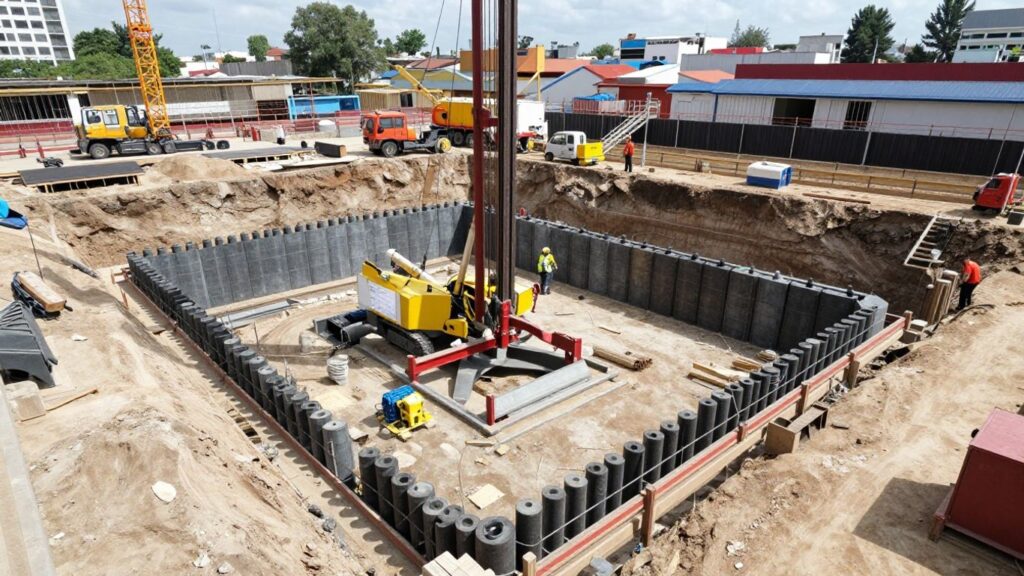
Key Takeaways Temporary excavation walls should be selected from the interaction of soil, groundwater, depth, neighboring assets, access, and construction sequence—not from wall type alone. Sheet piles can suit fast, reversible works where driving disturbance and water control are manageable. Contiguous bored piles provide reinforced concrete support but leave drainage gaps between piles. Secant piles […]
Designing ERSS for Kallang Formation: Navigating Marine Clay in Singapore Basements
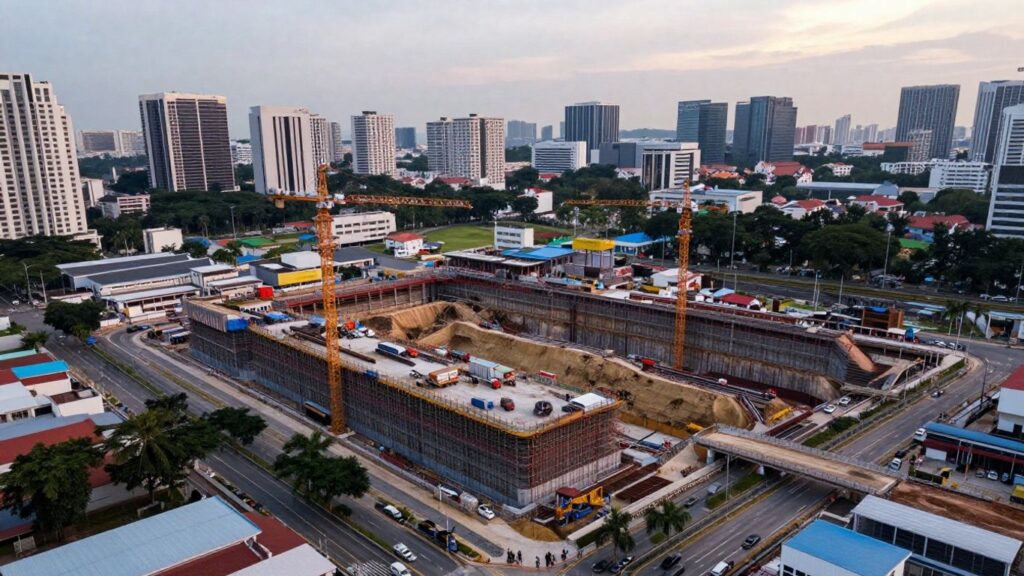
Key Takeaways Deep excavation in Kallang Formation demands a ground model that accounts for soft marine clay, variable fill, groundwater, and time-dependent movement. ERSS design is strongest when geotechnical and structural decisions remain coordinated from investigation through construction. Build the geological and groundwater model before selecting the ERSS. Treat excavation staging, support installation, and monitoring […]
Temporary King Post and Strutting Systems: Structural Detailing for BCA Approval
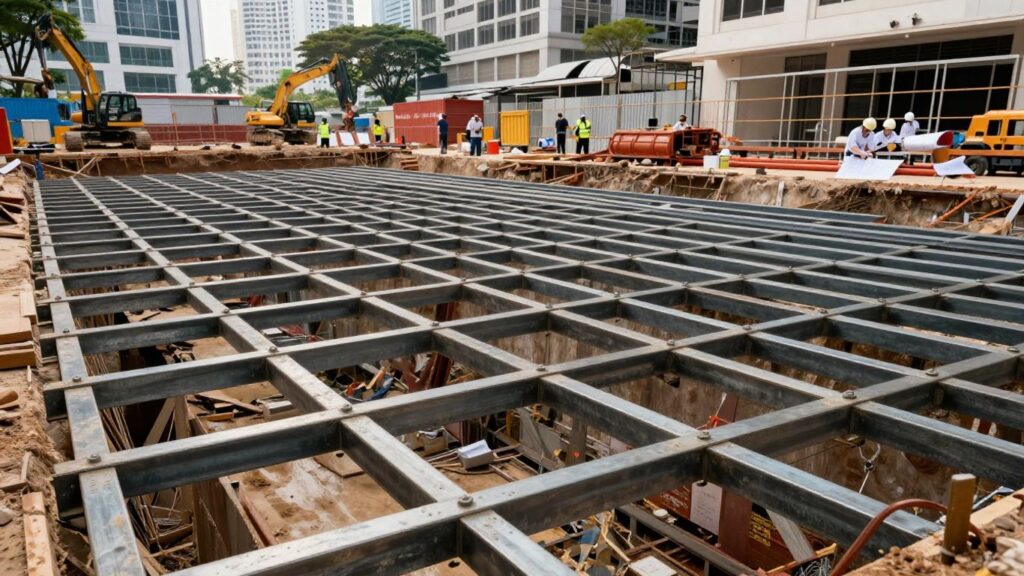
Key Takeaways A temporary king post and strutting system is only as reliable as its design basis, connections, construction sequence, and site control. BCA approval depends on a coordinated package that explains both the engineering and how the system will be built. Define the ground, loading, geometry, and construction stages before detailing steel. Check member […]
Temporary Ground Anchors vs. Strutting Systems: Selection Criteria and BCA Approval Constraints
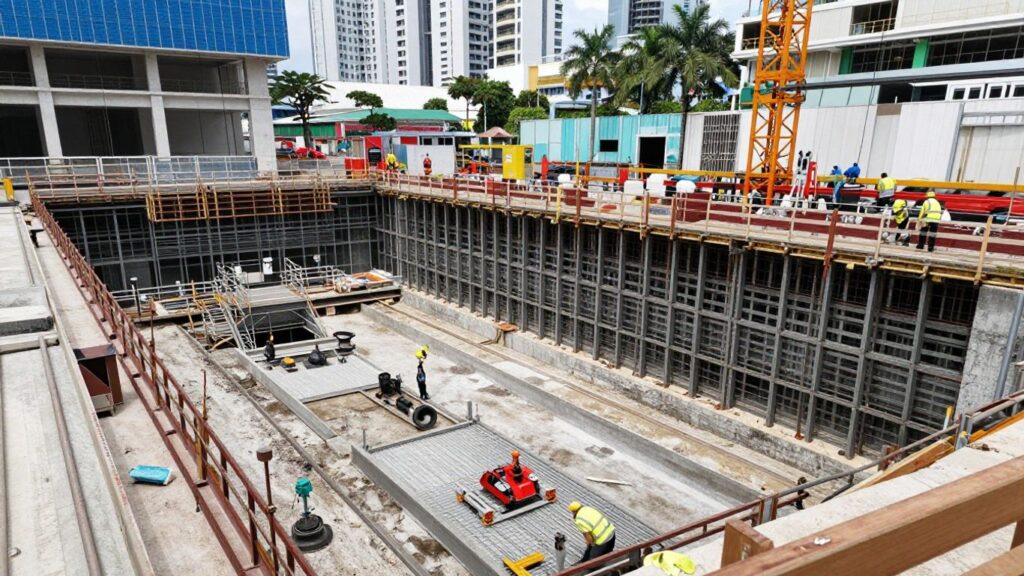
Key Takeaways Temporary excavation support should be selected from the ground model, movement limits, land rights, and construction sequence—not from price alone. The Technical Directors, C&S Consultants, Estimators must align the engineering, approval, and commercial decisions early. Anchors preserve internal excavation space but require suitable ground and legal rights beyond the site boundary. Strutting keeps […]
QP(ST) vs. QP(Geo) vs. AC(Geo): Deciphering Roles and Responsibilities in Singapore ERSS
Key Takeaways ERSS projects depend on clearly separated professional duties and disciplined coordination. The distinctions matter most to Developers, Main Contractors, Foreign Engineering Firms entering Singapore. QP(ST) focuses on structural temporary works and their interfaces. QP(Geo) leads geotechnical assessment, analysis, and design decisions. AC(Geo) independently reviews geotechnical safety and design adequacy. Developers and contractors retain […]
Setting Alert Thresholds for Construction Monitoring Instruments: A Comprehensive Guide to FEA-Aligned Safety Parameters
Introduction Alert thresholds for inclinometers, piezometers, and ground settlement markers determine whether an excavation proceeds safely or triggers a work suspension. In Singapore, the Building and Construction Authority (BCA) requires every Earth Retaining and Stabilising Structures (ERSS) plan to specify these thresholds before excavation begins. Getting them wrong costs time if set too tight (false […]
Deep Excavation Shafts in Rock: Permanent Retention Design in the Jurong Formation
Introduction Permanent retention design for deep excavation shafts in the Jurong Formation demands an integrated approach to rock socketing, wedge stability analysis, and groundwater management across one of the most geologically variable sedimentary rock masses in Southeast Asia. Singapore’s sedimentary Jurong Formation – dating back to the Late Triassic period with LA ICP-MS U-Pb zircon […]
Fire Safety Certificate (FSC) & structural engineering: the connection explained

Key Takeaways The Fire Safety Certificate (FSC) represents a critical milestone in building lifecycle management, linking structural performance to occupant safety. Understanding this connection is vital for project success and long-term regulatory compliance. Structural design must align with fire code requirements regarding load-bearing capacity and material resilience. Early integration of fire safety in building plans […]
Essential structural guidelines for building a swimming pool in your landed home

Key Takeaways Designing a swimming pool for a landed property involves navigating a complex landscape of regulatory, geotechnical, and engineering requirements to ensure long-term stability and safety. Adhere to site-specific setbacks and zoning rules mandated by planning authorities. Prioritize professional soil investigations to determine appropriate foundation design. Model structural integrity through advanced analysis before starting […]
Rebuilding vs. A&A: A structural engineer’s perspective on Singapore homes

Key Takeaways Deciding between renovation and complete reconstruction requires a deep understanding of your property’s current state and your long-term spatial goals. Homeowners must balance regulatory constraints with engineering realities to create safe, valuable assets for the future. Categorize projects based on structural impact to avoid unnecessary regulatory delays. Understand the specific site constraints, such […]