
Structural engineering services Singapore: A guide to scope, approvals, and project delivery

Key Takeaways Structural engineering in Singapore spans design, assessment, construction support, and regulatory coordination. The right scope depends on the project, the site, and the approvals required. Engage an engineer early for new builds, major alterations, or signs of structural distress. Share existing drawings, site information, and project requirements at the outset. Coordinate structural design […]
Structural engineering firm Singapore: services, approvals, and how to choose

Key Takeaways A structural engineering firm helps turn a project brief into safe, buildable structural work and supports the approvals and construction steps that follow. The right appointment depends on your project’s complexity, scope, and regulatory needs. Structural engineers assess loads, materials, foundations, and the behavior of new or altered structures. Renovations, excavations, and temporary […]
Structural engineering consultancy Singapore: services, approvals, and how to choose
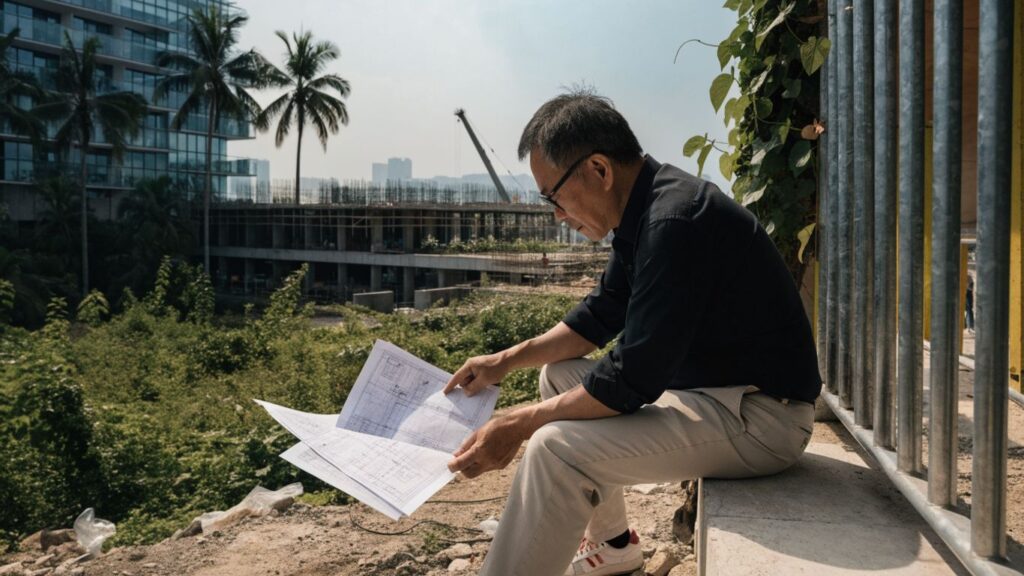
Key Takeaways Structural engineering advice can be useful from early planning through construction and inspection of an existing property. The right scope depends on the work, the site, and the approvals that apply. Engage a structural consultant early when a new build or major alteration is being planned. Existing buildings may need checks before renovation, […]
Building code compliance in Singapore: A practical guide to approvals and standards

Key Takeaways Building code compliance Singapore depends on understanding how planning, building, fire safety, and utility approvals fit together. Early coordination helps a project move from design through construction and handover with fewer avoidable surprises. Confirm land use and planning controls before fixing the design. Identify the agencies and codes that apply to the specific […]
FEA Verification & Validation for BCA Submissions: What Checking Engineers Look For

Key Takeaways A credible finite element analysis submission is more than a colourful model or a long output file. It should allow the design and checking engineers to follow the assumptions, test the model’s behaviour, and connect the results to code-compliant construction details. Define the structural system, restraints, materials, and load paths clearly. Verify loads, […]
Slope Stabilisation & Soil Nailing: Submission Workflows for Temporary Hillside Excavations

Key Takeaways A defensible hillside excavation submission connects the ground model, temporary works design, authority requirements, and construction controls from the beginning. Define the temporary and permanent works interfaces before design responsibility becomes unclear. Investigate soil, rock, groundwater, drainage, adjacent assets, and existing utilities proportionately to risk. Verify soil nailing against local and global failure […]
Common Reasons BCA Rejects Temporary ERSS Submissions (And How to Avoid Them)

Key Takeaways Temporary ERSS submissions are commonly returned when the technical evidence, drawings, design assumptions, and authority responses do not form one clear and verifiable package. Confirm that every required form, report, calculation, drawing, and supporting record is included. Base the ERSS design on current site investigation, groundwater, utility, and neighbouring-structure information. Show the design […]
The Annex C & Annex E Workflow: On-Site ERSS Compliance During Execution

Key Takeaways ERSS compliance during execution depends on disciplined supervision, clear authority, and records that connect site actions to approved design and monitoring requirements. Annex C controls the construction and inspection workflow for ERSS works. Annex E provides the monitoring, threshold, and response framework. The RE, RTO, and Site Manager need distinct but coordinated responsibilities. […]
Formulating an Instrumentation & Monitoring (I&M) Plan for BCA ERSS Approval

Key Takeaways A sound I&M plan connects ERSS design assumptions with measurable site behaviour and clear decisions. It should be prepared as a working safety document, not merely as an attachment to an approval submission. Define the plan’s purpose, scope, responsibilities, and approval pathway before construction. Base monitoring locations and instrument types on ground conditions, […]
Eurocode 7 (SS EN 1997) for Singapore ERSS: Ultimate Limit State (ULS) vs. Serviceability Limit State (SLS)
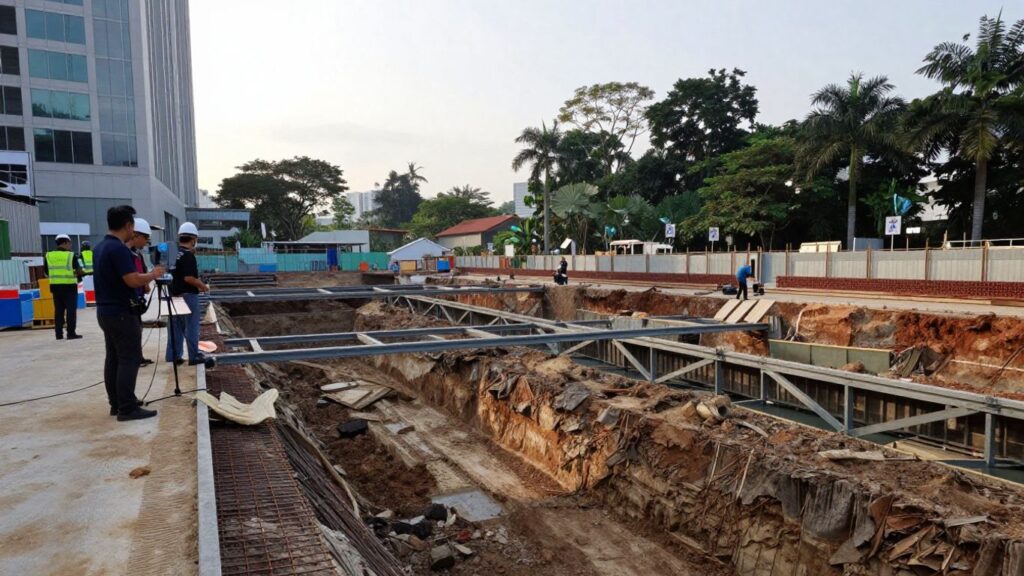
Key Takeaways Eurocode 7 provides the limit-state framework for Singapore ERSS, but a compliant design also depends on local ground conditions, construction stages, and movement control. ULS checks resistance against collapse, instability, hydraulic failure, and structural failure. SLS checks movements, settlement, deformation, and effects on neighbouring assets. Groundwater and soil variability must be reflected in […]