
Eurocode 7 Application: Sizing Permanent ERSS using SS EN 1997-1 Singapore National Annex

Key Takeaways Permanent ERSS design in Singapore requires more than selecting a wall section. It depends on a clear design basis, reliable ground and groundwater information, correct Eurocode 7 design approaches, and coordinated construction-stage controls. Define the retaining system, design life, design situations, and movement criteria before sizing members. Build characteristic soil and groundwater parameters […]
Encroachment & Boundary Constraints: Permanent Tie-Back Anchors vs. Strutting Systems

Key Takeaways Deep excavations beside property boundaries require the retaining system, construction sequence, approvals, and monitoring plan to be considered together. Permanent tie-back anchors can preserve internal working space but may require rights beyond the site boundary. Strutting keeps support within the site, reducing dependence on neighboring land and easement approvals. Soil, groundwater, excavation depth, […]
Eurocode 7 (SS EN 1997) for Singapore ERSS: Ultimate Limit State (ULS) vs. Serviceability Limit State (SLS)
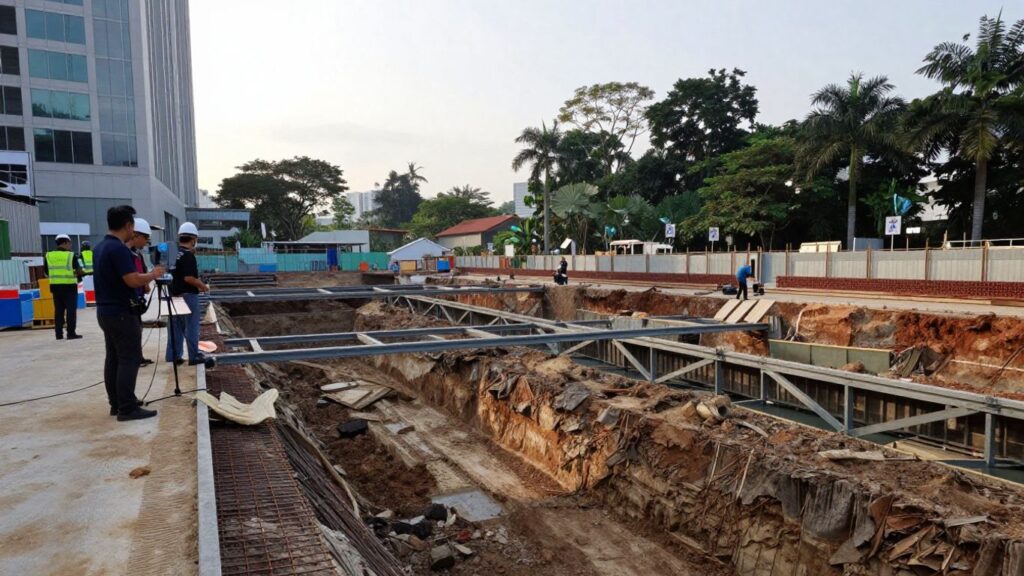
Key Takeaways Eurocode 7 provides the limit-state framework for Singapore ERSS, but a compliant design also depends on local ground conditions, construction stages, and movement control. ULS checks resistance against collapse, instability, hydraulic failure, and structural failure. SLS checks movements, settlement, deformation, and effects on neighbouring assets. Groundwater and soil variability must be reflected in […]
Sheet Piles vs. Contiguous Bored Piles (CBP) vs. Secant Piles: Choosing the Right Temporary Wall Type
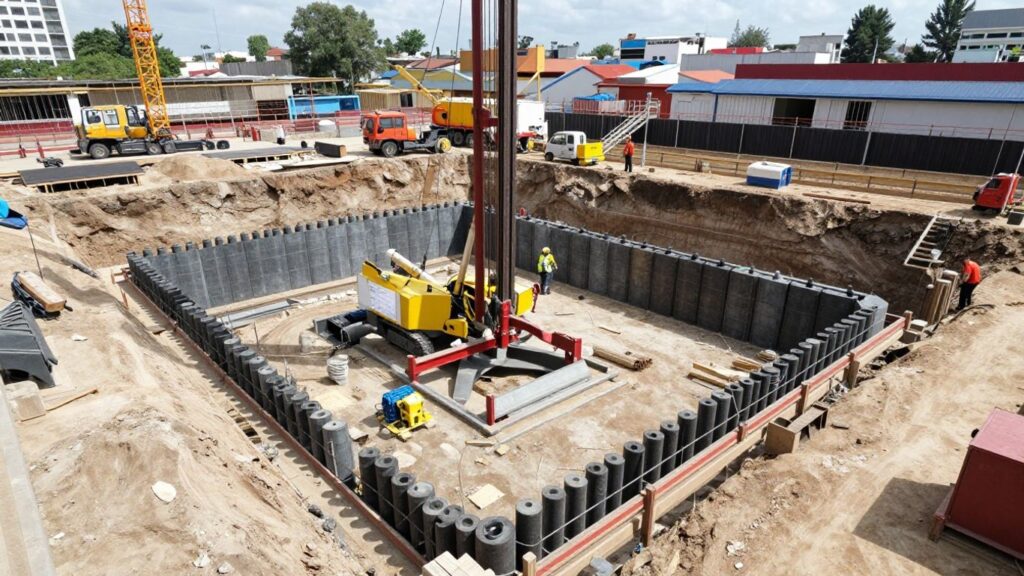
Key Takeaways Temporary excavation walls should be selected from the interaction of soil, groundwater, depth, neighboring assets, access, and construction sequence—not from wall type alone. Sheet piles can suit fast, reversible works where driving disturbance and water control are manageable. Contiguous bored piles provide reinforced concrete support but leave drainage gaps between piles. Secant piles […]
Designing ERSS for Kallang Formation: Navigating Marine Clay in Singapore Basements
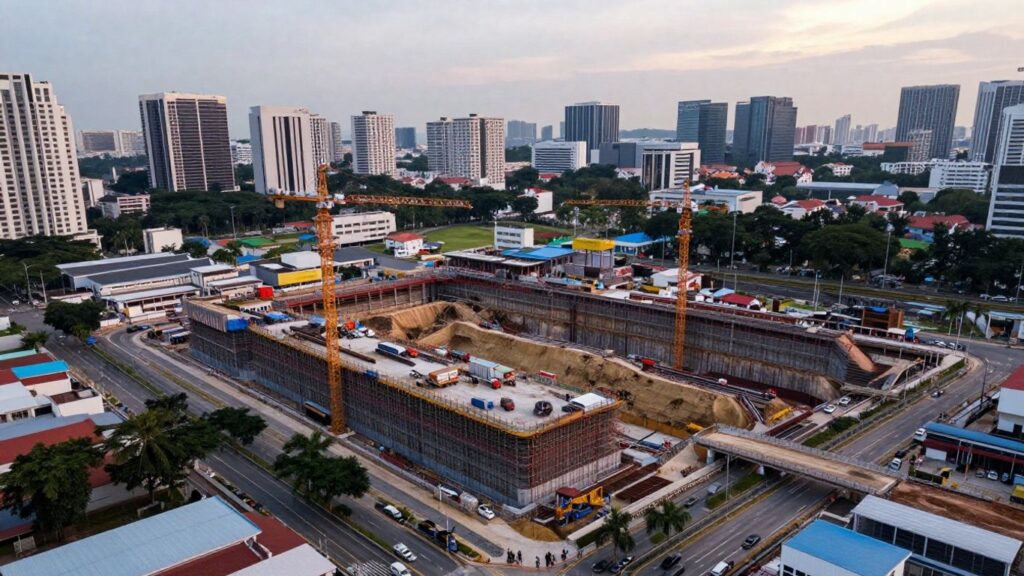
Key Takeaways Deep excavation in Kallang Formation demands a ground model that accounts for soft marine clay, variable fill, groundwater, and time-dependent movement. ERSS design is strongest when geotechnical and structural decisions remain coordinated from investigation through construction. Build the geological and groundwater model before selecting the ERSS. Treat excavation staging, support installation, and monitoring […]
Temporary King Post and Strutting Systems: Structural Detailing for BCA Approval
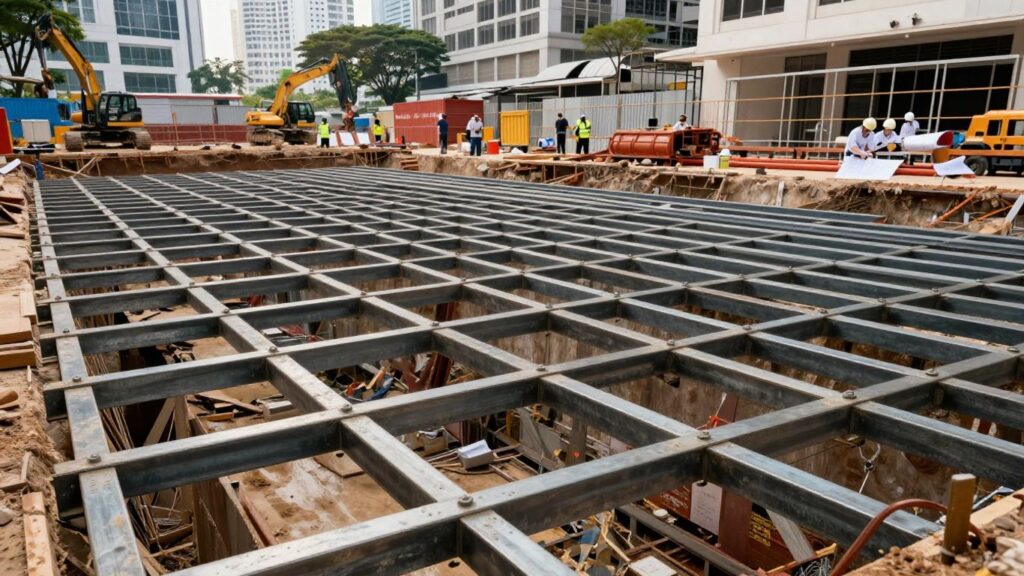
Key Takeaways A temporary king post and strutting system is only as reliable as its design basis, connections, construction sequence, and site control. BCA approval depends on a coordinated package that explains both the engineering and how the system will be built. Define the ground, loading, geometry, and construction stages before detailing steel. Check member […]
Temporary Ground Anchors vs. Strutting Systems: Selection Criteria and BCA Approval Constraints
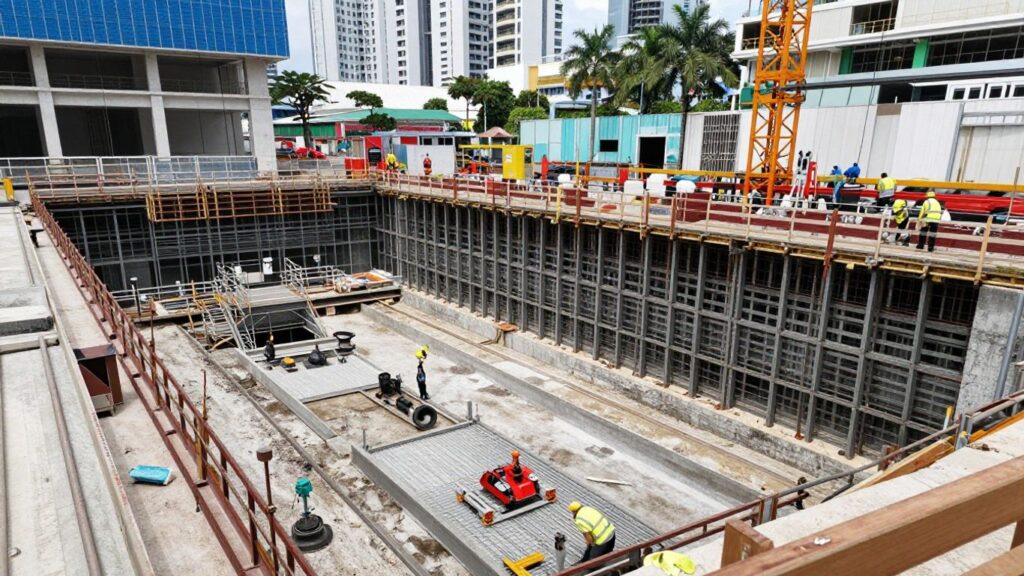
Key Takeaways Temporary excavation support should be selected from the ground model, movement limits, land rights, and construction sequence—not from price alone. The Technical Directors, C&S Consultants, Estimators must align the engineering, approval, and commercial decisions early. Anchors preserve internal excavation space but require suitable ground and legal rights beyond the site boundary. Strutting keeps […]
PLAXIS 2D/3D Best Practices for BCA ERSS Design Reports
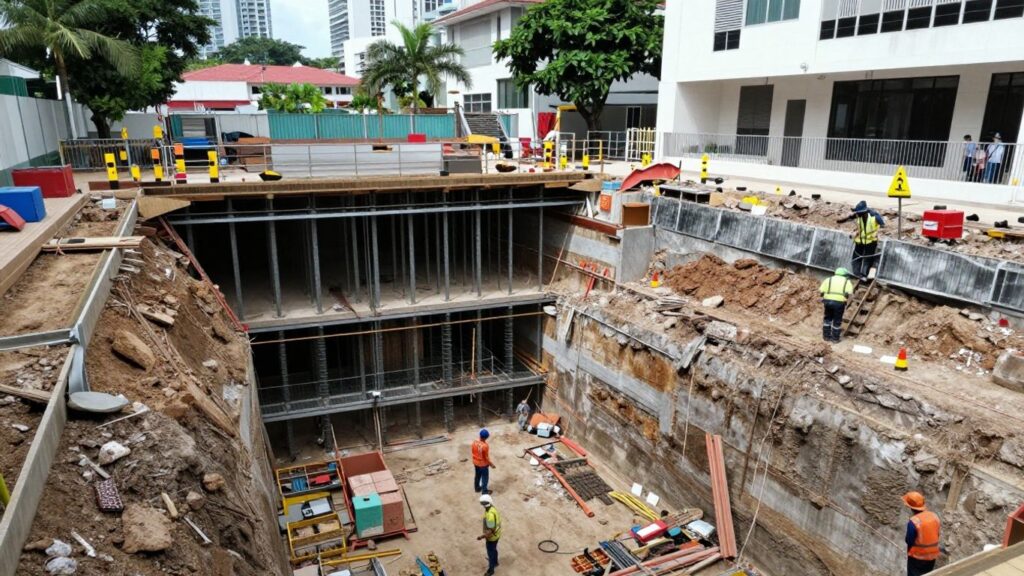
Key Takeaways A dependable BCA ERSS report is built on traceable assumptions, realistic staging, and clear interpretation of ground–structure interaction. Establish the design basis, project constraints, and submission responsibilities before modeling. Convert investigation data into a layered ground model with documented uncertainty. Select two-dimensional or three-dimensional analysis according to geometry, loading, and interaction effects. Simulate […]
Roof extension regulations in Singapore: Structural limits you must know

Key Takeaways Adhering to Singapore’s strict building codes is essential for any roof extension project, requiring careful planning and professional oversight to remain compliant. BCA approval remains the primary requirement for all structural additions. Proper calculation of dead and live loads ensures long-term safety. Professional Engineers must endorse all structural analysis documentation and plans. Climate […]
Essential structural guidelines for building a swimming pool in your landed home

Key Takeaways Designing a swimming pool for a landed property involves navigating a complex landscape of regulatory, geotechnical, and engineering requirements to ensure long-term stability and safety. Adhere to site-specific setbacks and zoning rules mandated by planning authorities. Prioritize professional soil investigations to determine appropriate foundation design. Model structural integrity through advanced analysis before starting […]