
Building Safely: A New Approach to Construction Design
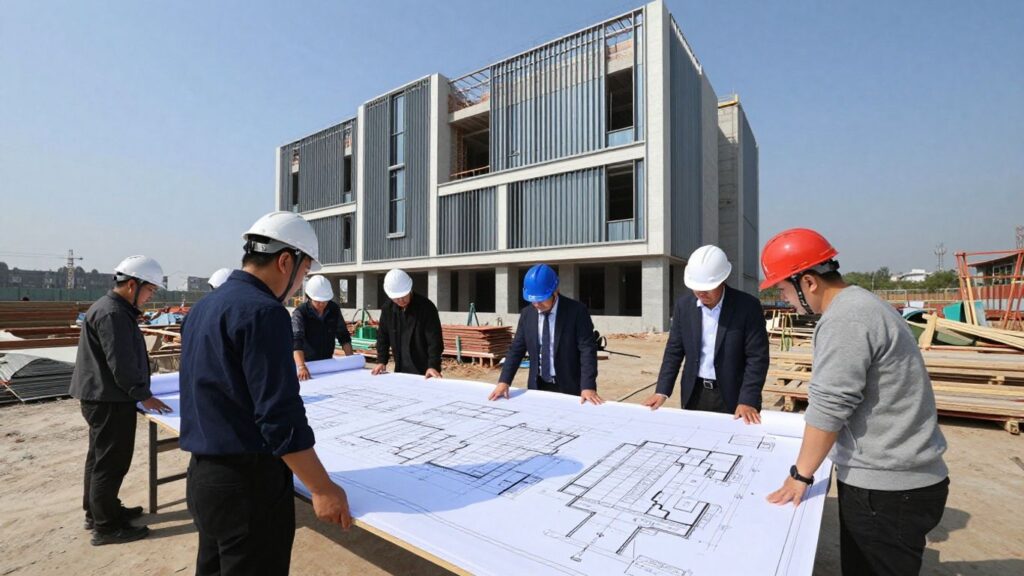
Singapore has a big goal: to create a safe and healthy workplace for everyone. They’re aiming not just to match the safety records of developed countries, but to be among the best in the world. One way they’re working towards this is with new guidelines for designing buildings and structures safely. These guidelines focus on […]
Why you need a Civil and Structural Engineering for your renovation works in Singapore
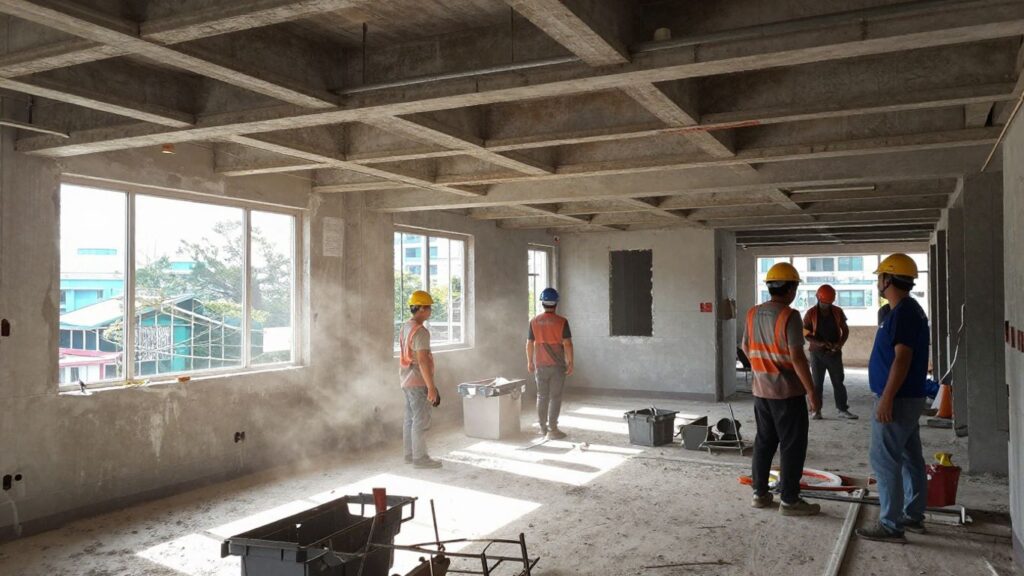
Thinking about renovating your place in Singapore? It’s exciting, right? But hold on a sec. What looks like a simple change, like knocking down a wall, can actually get pretty complicated. There are rules, safety stuff, and things you just wouldn’t think about. That’s where a Singapore Structural Engineer comes in. They’re the pros who […]
Employing an experienced design for safety professional in Singapore for any projects above 10 Million Dollars
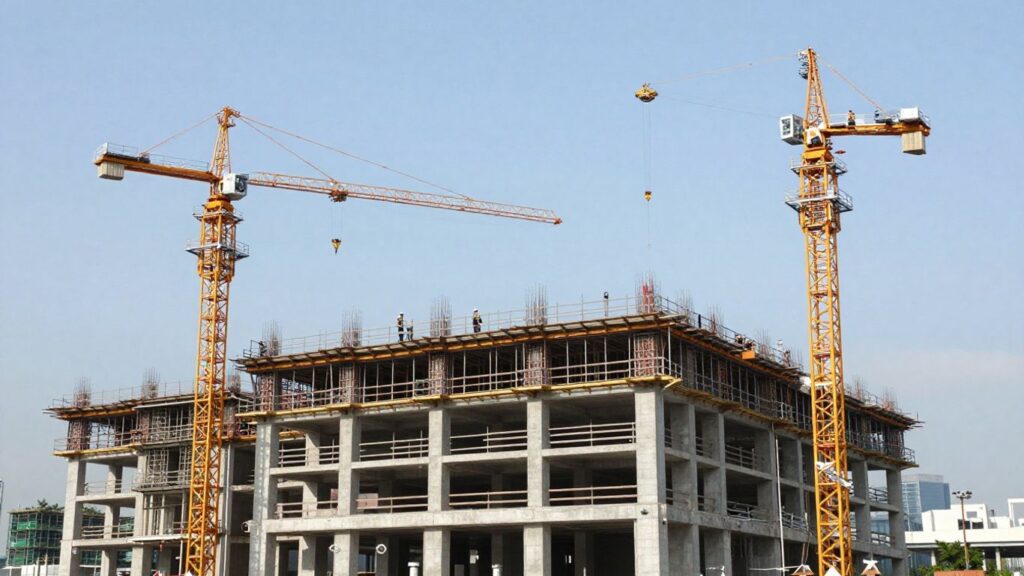
When you’re working on big projects in Singapore, especially those costing over 10 million dollars, there’s a lot to think about. Safety is obviously a huge part of it, and frankly, it’s way better to sort out potential problems early on, right when you’re designing things. That’s where a Design for Safety Professional comes in. […]
PE endorsement for Civil and Structural works in Singapore
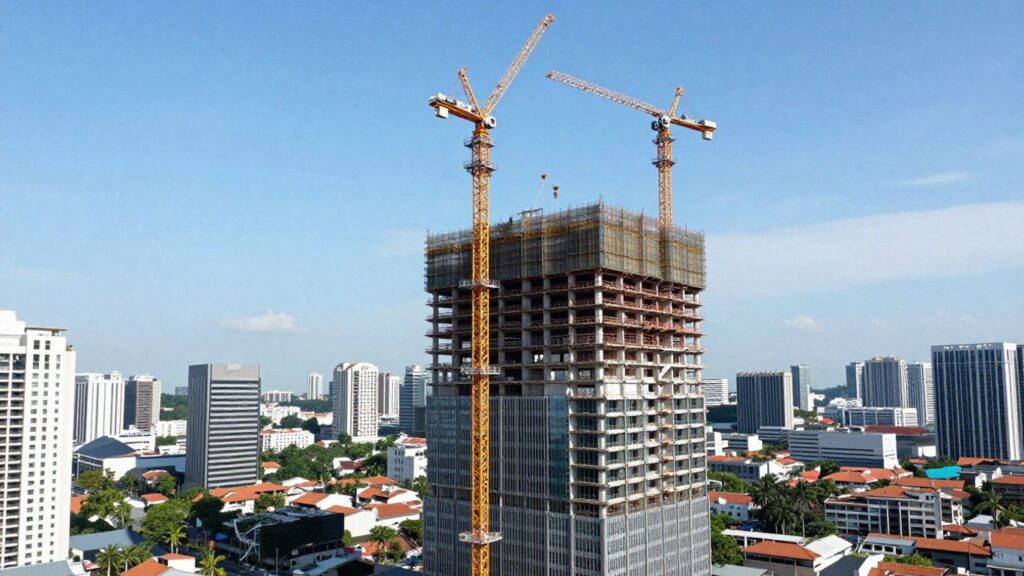
So, you’re looking into getting a PE endorsement for civil and structural works in Singapore? It sounds like a big deal, and honestly, it is. It’s basically a stamp of approval from a registered Professional Engineer (PE) that says your plans are good to go. This whole process is governed by the Professional Engineers Act […]
FSC for requirements of fire insurance in every development in Singapore

So, you’re building something in Singapore? That means you’ll definitely need to get familiar with the Singapore Civil Defence Force (SCDF) and their rules. It’s not just about putting up walls; it’s about making sure everything is safe, especially when it comes to fire. Getting the right paperwork, like the SCDF fire safety certificate, is […]
Importance of P&FM Submission for Diesel Tank
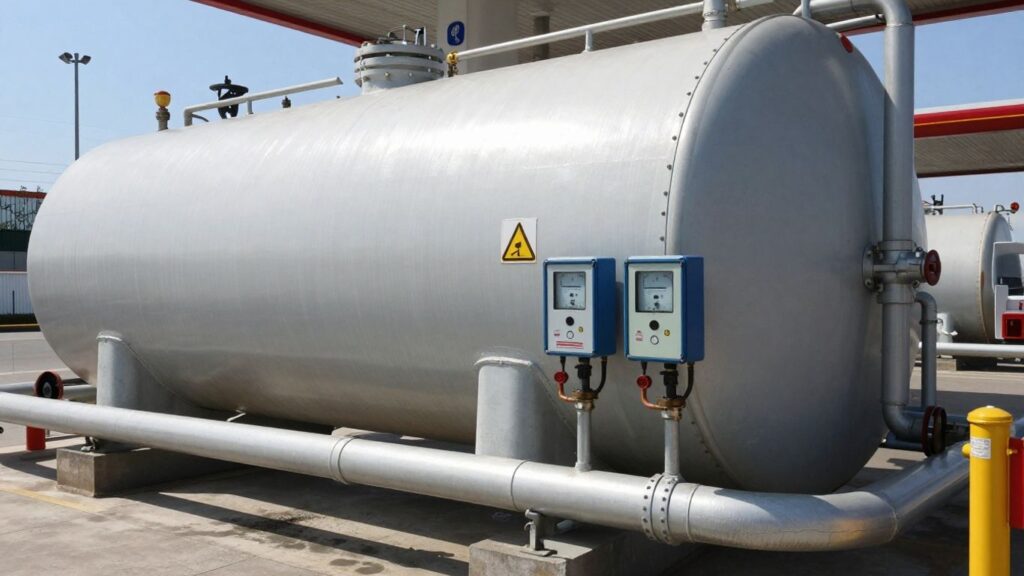
So, you’ve got diesel tanks to deal with, huh? It’s not exactly like setting up a coffee machine. There are rules, and they’re pretty serious, especially when you’re talking about flammable stuff. The Singapore Civil Defence Force, or SCDF, has a whole system for this, called the Petroleum & Flammable Material (P&FM) license. Getting this […]
Keeping Singapore’s Buildings Safe: A Look at Inspection Tech
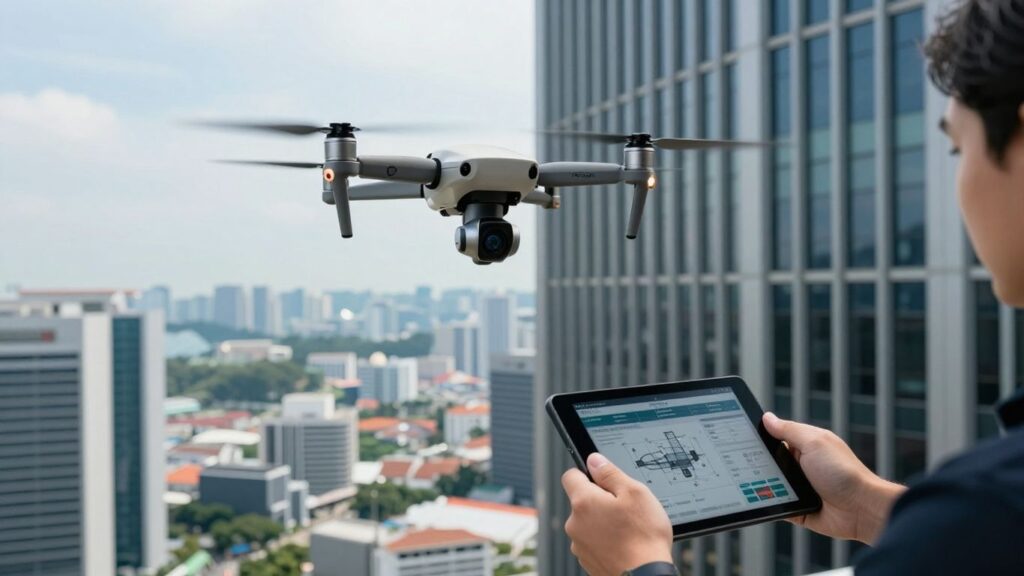
Singapore is looking ahead to ensure its buildings and infrastructure stay safe as they age. With a significant portion of buildings already over 30 years old, and that number set to double in the next decade, regular check-ups are becoming more important than ever. Just like people need regular health check-ups, buildings need inspections and […]
Property facility management audit: Avoiding Common Non-Compliance Issues in 2026
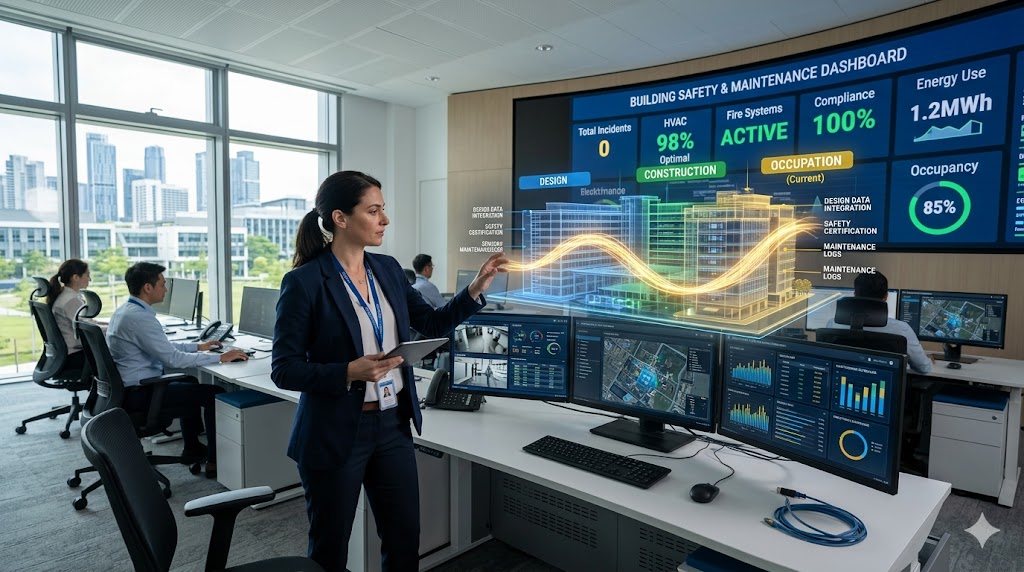
The Annual P&FM Audit: Avoiding Common Non-Compliance Issues Executive Summary Commercial properties represent massive financial investments for modern corporate businesses. Furthermore, they constitute significant ongoing daily operational expenses.1 These complex physical assets require continuous, rigorous, and highly structured oversight. Consequently, facilities must remain safe, highly efficient, and fully compliant.1 Poorly managed facilities escalate into high […]