
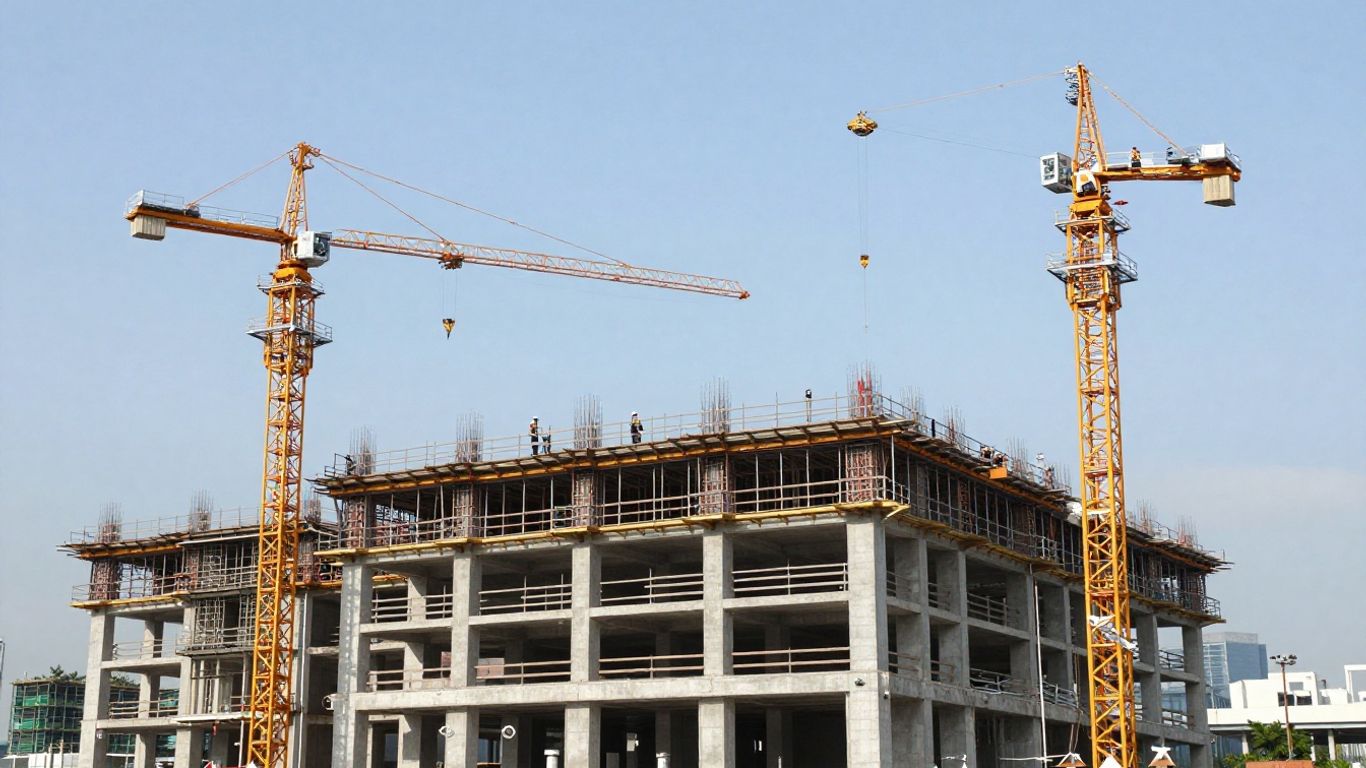
When you’re working on big projects in Singapore, especially those costing over 10 million dollars, there’s a lot to think about. Safety is obviously a huge part of it, and frankly, it’s way better to sort out potential problems early on, right when you’re designing things. That’s where a Design for Safety Professional comes in. They’re the ones who help make sure safety is built into the project from the very start, not just tacked on later. It makes a big difference, trust me.
Key Takeaways
- For projects in Singapore worth more than $10 million, having a Design for Safety Professional is now a legal requirement. This role is all about spotting and fixing safety issues during the design phase, not after construction has started.
- A Design for Safety Professional helps make sure safety is considered from the very beginning of a project. This means fewer accidents and a safer workplace for everyone involved.
- These professionals need a good mix of practical experience in construction, a solid understanding of Singapore’s safety laws, and the ability to talk to and work with everyone on the project team.
- Engaging an experienced Design for Safety Professional early on can actually save money and time by preventing costly mistakes and delays down the road.
- The main goal is to reduce risks at the source by embedding safety into the design itself, making the whole project safer and more efficient.
Understanding The Role Of A Design For Safety Professional
The Mandate For Design For Safety In Singapore
In Singapore, the push for safer construction sites isn’t just a good idea; it’s a legal requirement, especially for larger projects. The Workplace Safety and Health (WSH) Act, along with specific regulations like the Design for Safety Regulations 2015, lays down the law. For any project clocking in at over $10 million, there’s a clear mandate to integrate safety right from the drawing board. This isn’t about tacking on safety measures after the fact. It’s about building safety into the very DNA of a project before a single shovel hits the ground. The goal is to proactively identify and eliminate or reduce risks at their source, which is the design itself. This approach is a significant shift from older methods where safety was often an afterthought, dealt with on-site by safety officers. The focus now is upstream, on preventing hazards before they even have a chance to manifest during construction or later use. This proactive stance is key to Singapore’s vision of creating a safer working environment for everyone involved in the building process.
Key Responsibilities Of A Design For Safety Professional
So, what exactly does a Design for Safety Professional (DFSP) do? Think of them as a strategic partner, not just a paper-pusher. Their primary job is to help the developer systematically identify, assess, and manage safety risks that pop up during the design phase. This covers the entire life of the building – from the workers putting it up, to the people using it, and even those who might take it down later. They’re also the central hub for all safety information. They make sure that crucial details about hazards and how to control them get passed around to everyone who needs to know, from the architects and engineers to the contractors on site and the facility managers. It’s a multifaceted role that requires a blend of technical know-how, regulatory smarts, and the ability to get different groups of people talking and working together. They don’t manage day-to-day site safety; that’s for others. Their focus is purely on the design and its safety implications. This role is quite different from a traditional safety officer; it’s more about process management and expert guidance. You can find more details about the DfSP role and responsibilities in Singapore’s construction industry.
Integrating Safety From The Design Stage
Integrating safety from the design stage is all about being smart and forward-thinking. It means bringing safety considerations into play right at the very beginning of a project, during the conceptual and feasibility stages. Why? Because making changes early on is way cheaper and more effective than trying to fix things later. Imagine trying to add a safety railing to a building that’s already half-built – it’s a nightmare! But if you design it in from the start, it’s just part of the plan. The DFSP helps facilitate this by working with developers and designers to spot potential hazards. They look at the big picture – things like the construction methods planned, the materials used, and how the building will be maintained. This early involvement helps to eliminate risks before they become real problems. It’s a structured process, often involving reviews at key project milestones, to make sure safety isn’t overlooked. This approach moves projects from a reactive mode of dealing with accidents to a proactive one of preventing them altogether. It’s a smarter way to build, plain and simple.
Legal Framework And Regulatory Requirements
The Workplace Safety and Health Act
The Workplace Safety and Health Act (WSH Act) is the main law in Singapore that sets the rules for safety and health at work. It’s the foundation for all other safety regulations, including those specifically for design. The Act puts a general duty on employers and employees to make sure workplaces are safe. For projects, especially larger ones, this means thinking about safety right from the start. The WSH Act also has a penalty system for when things go wrong, and breaking other safety rules, like those for design, can lead to serious consequences under this Act. It’s all about making sure everyone goes home safe at the end of the day.
The Design for Safety Regulations 2015
These regulations are a big deal for construction projects in Singapore. They really push for safety to be considered from the very beginning of a project, during the design phase. The core idea is to catch and fix potential safety problems before they even get to the construction site. This means developers, designers, and contractors all have specific jobs to do.
Here’s a breakdown of some key duties:
- Developer’s Duty: You, as the developer, have to make sure the project is designed safely. This includes appointing competent people and making sure they have enough time and resources to do their safety jobs properly.
- Designer’s Duty: Designers must try to get rid of any foreseeable design risks. If a risk can’t be completely removed, they need to reduce it as much as possible and tell the developer about what’s left.
- Contractor’s Duty: Contractors need to spot any design risks that become obvious when they start building and report them back.
The regulations require specific actions to be taken, like holding design-for-safety review meetings and keeping a Design for Safety Register. This register is a really important document. It’s where all identified risks and how you plan to deal with them are written down. If there’s an accident, this register is looked at closely to see if everyone did what they were supposed to do. It’s not just paperwork; it’s a legal record of your safety efforts.
The WSH (Design for Safety) Regulations 2015 are not just about ticking boxes. They are designed to create a structured, documented, and collaborative process for managing risks from the earliest stages of a project. This proactive approach is key to preventing accidents and ensuring the well-being of everyone involved throughout the project lifecycle.
Applicability To Projects Above Ten Million Dollars
So, when do these Design for Safety (DfS) rules really kick in with full force? For projects with a contract value of S$10 million or more, there are specific requirements that must be met. This threshold means that appointing a Design for Safety Professional (DfSP) and maintaining a formal DfS Register become mandatory legal obligations. It’s not that safety isn’t important for smaller projects, but the law recognizes that larger, more complex projects carry higher risks and therefore require a more structured and documented approach to safety management from the design stage. This requirement helps to ensure that significant projects have dedicated oversight to identify and mitigate potential hazards early on, preventing costly and dangerous issues down the line. You can find more details on these requirements and the general safety management approach in Singapore on the Building and Construction Authority (BCA) website. While the S$10 million mark is a trigger for formal DfS processes, the principles of designing for safety should ideally be applied to all projects, regardless of their value, to cultivate a strong safety culture across the industry.
Benefits Of Engaging An Experienced Design For Safety Professional
Bringing in someone who really knows their stuff when it comes to designing for safety can make a huge difference on big projects, especially those costing over $10 million. It’s not just about ticking boxes; it’s about making sure everyone goes home safe at the end of the day.
Mitigating Risks At The Source
Think about it – most accidents happen because of how something was built or designed in the first place. An experienced Design for Safety Professional (DFSP) looks at the plans before construction even starts. They can spot potential problems that others might miss, like tricky access points for maintenance or structural weaknesses that could cause issues down the line. By identifying and fixing these hazards early in the design phase, you’re essentially stopping accidents before they even have a chance to happen. This proactive approach is way more effective than trying to deal with problems after they’ve occurred. It’s about building safety right into the foundation of the project, not just adding it as an afterthought. This is where the concept of designing for construction safety really shines.
Enhancing Project Efficiency And Cost-Effectiveness
It might seem counterintuitive, but spending money on a safety professional upfront can actually save you a lot in the long run. When you catch design flaws early, you avoid costly rework during construction. Imagine having to tear down a section of a building because a safety issue was discovered too late – that’s a massive waste of time and money. A good DFSP helps prevent these kinds of expensive surprises. Plus, projects that are designed with safety in mind tend to run more smoothly. Fewer accidents mean fewer delays, which keeps the project on schedule and within budget. It’s a win-win situation that benefits everyone involved.
Improving Overall Project Safety Culture
Having an experienced DFSP on board does more than just improve the technical aspects of safety; it also helps shape the entire team’s attitude towards safety. When a dedicated professional is actively involved in making safety a priority from the very beginning, it sends a clear message to everyone on the project. This can encourage better communication about safety concerns and promote a more collaborative environment where everyone feels responsible for safety. It helps build a stronger, more positive safety culture that can extend beyond a single project. A good DFSP acts as a catalyst, encouraging a mindset where safety is considered a core part of the project’s success, not just a regulatory hurdle. This focus on safety professionals is a key part of what WSH professionals do.
Here’s a quick look at how a DFSP contributes:
- Early Hazard Identification: Pinpointing risks during the design stage, where they are easiest and cheapest to fix.
- Risk Reduction Strategies: Developing practical solutions to eliminate or minimize identified hazards.
- Compliance Assurance: Making sure the design meets all relevant safety regulations and standards.
- Stakeholder Communication: Facilitating clear communication about safety aspects among all parties involved.
- Documentation: Creating essential safety documents like the Design for Safety Register.
Key Competencies For A Design For Safety Professional
Deep Industry Experience And Technical Knowledge
To effectively integrate safety into the design process, a Design for Safety Professional (DFSP) needs more than just a basic understanding of construction. They should have a solid background in the industry, knowing how buildings and infrastructure are actually put together. This means understanding different construction methods, materials, and potential hazards that can pop up during building. It’s not just about knowing the rules; it’s about knowing how those rules apply in real-world scenarios. Think about it like a chef who knows all the recipes but also understands how ingredients behave under heat and pressure. A good DFSP can spot potential problems early because they’ve seen similar situations before, or they understand the technical implications of a design choice.
Regulatory Expertise And Compliance
Navigating Singapore’s safety regulations is a big part of the job. The DFSP must be up-to-date with the Workplace Safety and Health Act and the specific Design for Safety Regulations 2015. This isn’t just about knowing what the laws say, but how to apply them correctly to projects, especially those over $10 million. They need to make sure that all design decisions meet these legal requirements, acting as a guide for the entire project team. This involves a lot of attention to detail and a commitment to staying current with any changes in legislation. It’s a role that requires a sharp mind for compliance and a proactive approach to risk management.
Facilitation And Communication Skills
Beyond technical know-how, a DFSP has to be a good communicator and facilitator. They often work with many different people – architects, engineers, contractors, and clients – who might have different priorities. The DFSP needs to bring everyone together, making sure safety is discussed openly and effectively. This means being able to explain complex safety issues in a way that everyone can understand, and encouraging collaboration. They need to create an environment where people feel comfortable raising concerns without fear of blame. This collaborative spirit is key to identifying and fixing safety issues before they become serious problems. A DFSP is essentially a bridge, connecting different disciplines to achieve a common safety goal. The ability to manage meetings, document discussions, and follow up on actions is also vital for effective project coordination.
A DFSP acts as a specialized facilitator and expert guide, bridging the often-siloed worlds of design, construction, and safety. They are the central node in the DfS communication network, ensuring that insights from all stakeholders are captured, debated, and resolved within the design process.
The Design For Safety Process In Practice
Risk Identification and Assessment
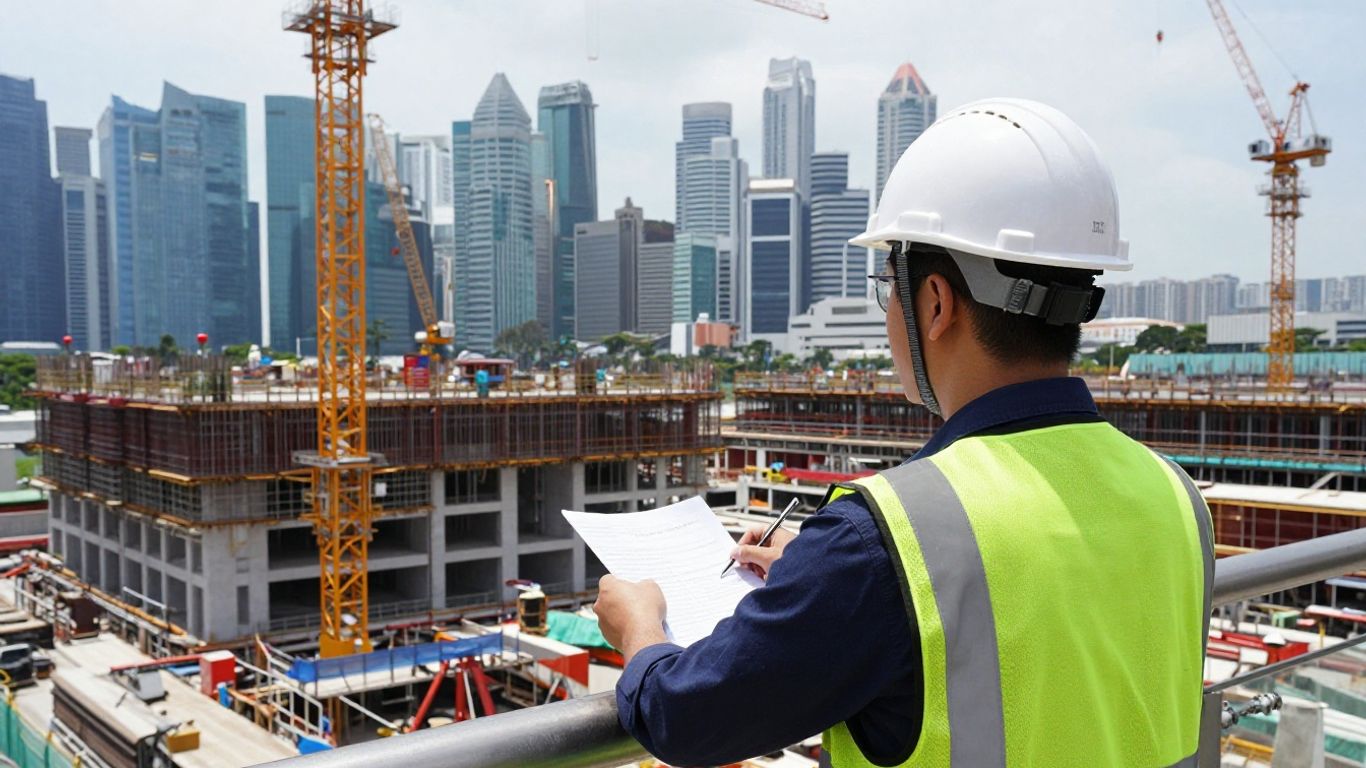
This is where the real work begins. Before any concrete is poured or steel is erected, we need to figure out what could go wrong. It’s about looking at the plans with a critical eye and asking ‘what if?’. We’re not just talking about obvious dangers like working at height, but also less apparent risks that might pop up during construction or even later during maintenance. Think about how a particular design choice might make it harder to access certain areas for repairs, or if a material specified could create hazardous fumes when cut. The goal is to catch these potential problems early, when they are easiest and cheapest to fix. This involves a systematic approach, often using tools like HAZOP studies or what-if analyses to brainstorm potential issues. It’s a collaborative effort, bringing together different perspectives to make sure nothing slips through the cracks. This proactive step is key to preventing accidents before they even have a chance to happen.
Developing the Design for Safety Register
Once we’ve identified potential risks, we need to document them. This is where the Design for Safety (DfS) Register comes in. It’s essentially a logbook of all the safety concerns identified during the design phase. For each risk, we detail what it is, how likely it is to occur, and what the potential consequences could be. More importantly, the register outlines the specific measures that will be put in place to control or eliminate that risk. This isn’t just a theoretical exercise; these are concrete actions that will be incorporated into the project’s execution plan. The register acts as a roadmap for safety throughout the project lifecycle, ensuring that everyone involved is aware of the hazards and the controls in place. It’s a living document, too, meaning it gets updated as the project progresses and new information becomes available. Having a well-maintained register is a clear sign of a well-managed project.
Collaboration Across Project Stakeholders
Safety isn’t a one-person job, and neither is the design process. Effective Design for Safety relies heavily on getting everyone on the same page. This means architects, engineers, contractors, and even the client need to be involved. Regular meetings and workshops are crucial for discussing the DfS register, reviewing design changes, and addressing any new safety concerns that arise. It’s about creating an environment where people feel comfortable speaking up about safety issues without fear of blame. When all parties collaborate, sharing their unique insights and concerns, the resulting design is far more robust and safer. This open communication helps to integrate safety considerations into every decision, from the big picture down to the smallest detail. It’s this teamwork that truly makes the difference in creating a safe working environment from the ground up. This approach aligns with the broader principles of Design for Safety in Singapore.
| Risk Category | Identified Hazard | Likelihood | Consequence | Mitigation Measure | Owner |
|---|---|---|---|---|---|
| Working at Height | Fall from scaffolding | Medium | Severe | Install guardrails and safety nets | Site Supervisor |
| Electrical | Accidental contact with live wires | Low | Critical | Implement lockout/tagout procedures | Electrician |
| Structural | Inadequate support during excavation | Medium | Severe | Conduct soil investigation and use temporary propping | Structural Engineer |
Selecting The Right Design For Safety Professional

Finding the right Design for Safety Professional (DFSP) is a big deal, especially for projects hitting that $10 million mark. It’s not just about ticking a box; it’s about bringing someone onto the team who genuinely understands how to weave safety into the very fabric of a project from the get-go. Think of it like hiring a specialist chef for a complex banquet – you need someone who knows the ingredients, the techniques, and how to make everything come together perfectly, safely.
Evaluating Qualifications And Certifications
First off, you need to look at their credentials. The Workplace Safety and Health (Design for Safety) Regulations 2015 in Singapore lays out some pretty specific requirements. A DFSP isn’t just any safety person; they’re expected to have a solid background. This usually means being a registered Professional Engineer (PE) or a registered Architect with a valid practicing certificate. It’s a way to ensure they’ve already got a high level of professional standing and a deep dive into design principles. Beyond that, there are specific courses and certifications they need to complete. It’s worth checking if they’ve gone through the Design for Safety Professional (DfSP) Course or similar training, as this shows they’re up-to-date with the latest regulations and best practices.
Assessing Track Record And Experience
Credentials are one thing, but what have they actually done? You want someone with a proven history of working on projects similar in scale and complexity to yours. Ask for examples of past projects, and don’t be afraid to dig into their role. Did they just show up, or were they actively involved in identifying risks and suggesting practical solutions? A good DFSP will have a portfolio that demonstrates their ability to integrate safety considerations early in the design process, not just as an afterthought. It’s also helpful if they have experience working with various project stakeholders, from developers and architects to contractors and regulatory bodies. A solid track record means they know the Singaporean construction landscape and its unique challenges.
Ensuring A Proactive And Collaborative Approach
This is where you move beyond paper qualifications and look at how they operate. A DFSP should be proactive, not reactive. They should be identifying potential hazards and risks before they become problems on site. This means they need to be good communicators and collaborators. Can they effectively discuss safety concerns with design teams, engineers, and site personnel? Do they encourage open dialogue and feedback? You’re looking for someone who acts as a partner, working with the project team to build safety in, rather than just enforcing rules. A DFSP who is approachable and willing to work through challenges collaboratively will make a huge difference in the project’s overall safety culture and success. Remember, the goal is to mitigate risks at the source, and that requires a team effort.
Wrapping It Up
So, when you’ve got a project that’s hitting that $10 million mark or more in Singapore, it’s really worth thinking about bringing in someone with a solid background in Design for Safety. It’s not just about ticking a box; it’s about making sure everyone stays safe from the get-go and that the project runs as smoothly as possible. Having a pro on board who understands all the ins and outs of safety regulations and how to build that into the design from the start can make a huge difference. It’s an investment that pays off in fewer headaches, safer work sites, and ultimately, a better-built project.
Frequently Asked Questions
What is a Design for Safety Professional and why do I need one for big projects in Singapore?
A Design for Safety Professional (DfSP) is an expert who checks if a building or project design is safe. They focus on finding and fixing potential dangers right from the start, on paper, before construction even begins. In Singapore, for any project costing over $10 million, having a DfSP is required by law. This is because bigger projects have more risks, and it’s much safer and cheaper to fix problems on the drawing board than during construction.
What does a Design for Safety Professional actually do on a project?
Their main job is to look closely at the project plans and designs to spot any safety issues. They work with architects and engineers to make sure that the design itself doesn’t create hazards for workers during building or for people using the building later. They help create a special document called a ‘Design for Safety Register’ which lists all the safety concerns and how they will be managed. Think of them as a safety detective for the design phase.
How is this different from a regular safety officer on a construction site?
A regular safety officer usually deals with safety on the actual construction site, making sure workers follow rules and wear protective gear. A Design for Safety Professional works much earlier, focusing on the design itself. They prevent hazards from being included in the plans in the first place. It’s like preventing a problem before it starts, rather than cleaning up a mess that has already been made.
What kind of experience does a good Design for Safety Professional need to have?
They need to know a lot about building and construction, not just safety rules. This means they should have solid experience in the industry, understand engineering and design principles, and be very familiar with Singapore’s safety laws, like the WSH Act and the Design for Safety Regulations. Good communication skills are also super important because they have to talk to many different people involved in the project.
Does having a DfSP make projects more expensive?
While there’s a cost to hiring a DfSP, it usually saves money in the long run. Finding and fixing safety problems during the design stage is much cheaper than dealing with accidents, delays, or major rework during construction. It also helps avoid fines and legal issues. So, it’s an investment that makes the whole project safer and more cost-effective.
What are the main laws in Singapore that require a Design for Safety Professional?
The main law is the Workplace Safety and Health (WSH) Act. Under this Act, there are specific rules called the ‘Design for Safety Regulations 2015’. These regulations clearly state that for construction projects with a contract value of $10 million or more, a Design for Safety Professional must be appointed to help manage safety risks from the very beginning of the design process.