
SS code structural engineering: A guide to Singapore standards and compliance

Key Takeaways SS code structural engineering is about more than identifying a list of standards: engineers must apply the relevant rules to a project’s materials, loads, site, and approval pathway. SS EN standards in Singapore are based on the Eurocode framework, with local requirements and National Annexes to consider. SS EN 1990, SS EN 1991, […]
Building code compliance in Singapore: A practical guide to approvals and standards

Key Takeaways Building code compliance Singapore depends on understanding how planning, building, fire safety, and utility approvals fit together. Early coordination helps a project move from design through construction and handover with fewer avoidable surprises. Confirm land use and planning controls before fixing the design. Identify the agencies and codes that apply to the specific […]
BS standard structural engineering: A practical guide to codes and compliance

Key Takeaways BS standards provide a structured basis for design, but the right references depend on the project, its location, and the applicable regulatory framework. Confirm the full standard titles, editions, amendments, and project-specific requirements before relying on them. Identify the standards that apply to the structure’s materials, use, and location. Distinguish standards and codes […]
BS standard engineering design: A practical guide to codes, calculations, and compliance

Key Takeaways A reliable BS standard engineering design starts with choosing the right references and carrying their requirements through analysis, detailing, and review. Confirm which standards, editions, amendments, and national requirements apply to the project. Match standards to the materials, structural system, design actions, and limit states. Establish clear site data, design criteria, and coordinated […]
BS standard engineering consultancy: Services, compliance, and project support

Key Takeaways A BS standard engineering consultancy helps translate applicable engineering standards into design decisions, submissions, and construction support. The right scope depends on the project, its location, and the approvals it requires. Confirm which standards and local requirements govern the project before design work advances. Match engineering services and professional credentials to the project’s […]
Civil engineering: A guide to disciplines, design, and project delivery
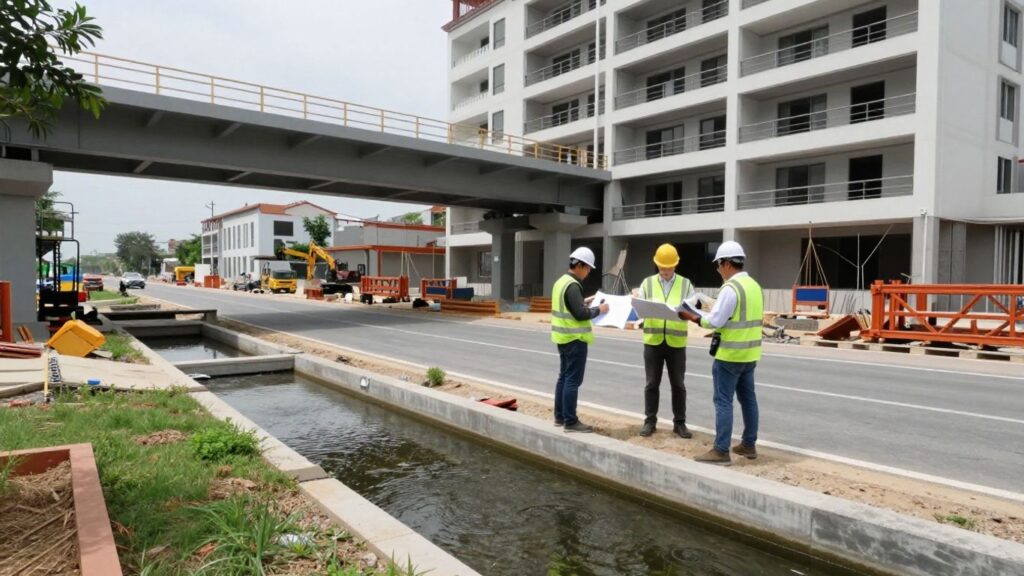
Key Takeaways Civil engineering connects technical design with the practical demands of building and maintaining infrastructure. Its work is shaped by site conditions, coordination, regulation, and long-term performance. Civil engineering spans buildings, transportation, water systems, and other infrastructure. Structural, geotechnical, environmental, and transportation specialists address different parts of a project. Surveys and investigations inform early […]
Structural Health Monitoring and Retrofitting of Existing Steel Structures in Singapore
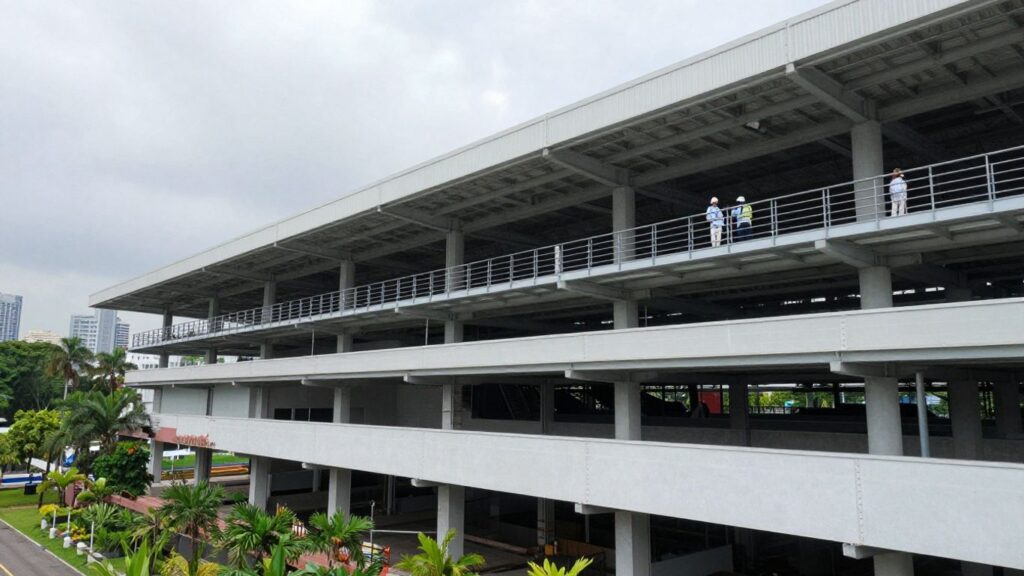
Key Takeaways Existing steel buildings need periodic assessment because corrosion, changing loads, fatigue, and alterations can gradually reduce their safety margins. A practical programme combines engineering judgment, targeted monitoring, sound records, and carefully sequenced retrofit work. Establish a documented baseline before deciding what to repair or monitor. Consider Singapore’s heat, humidity, rainfall, and coastal exposure […]
Generative Design and Topology Optimization for Structural Steel Components
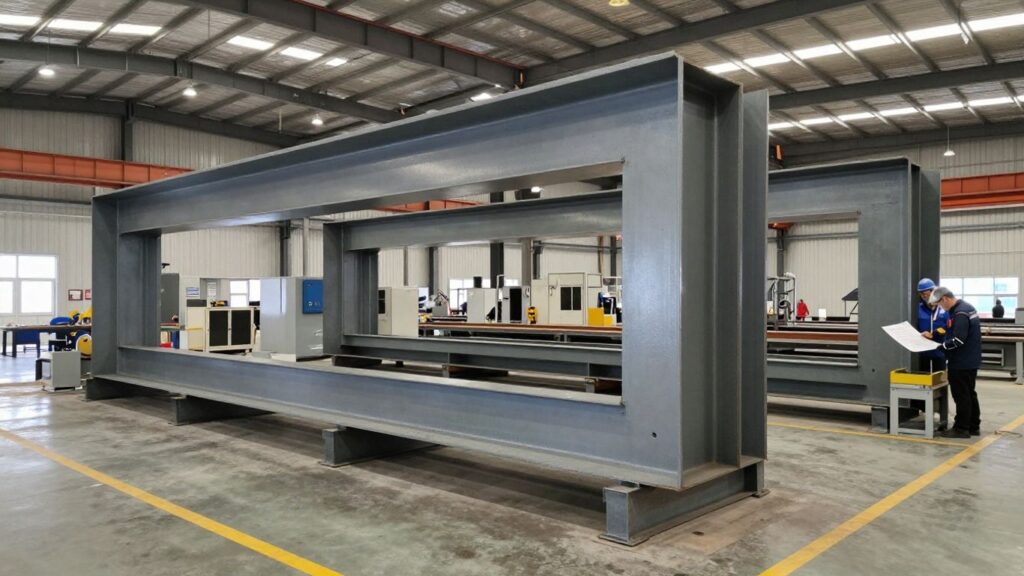
Key Takeaways Generative design can widen the range of structural steel concepts considered, but it does not replace engineering judgment or code-based verification. AI and FEA-driven topology optimization connects computational exploration with structural performance checks. Reliable results depend on accurate loads, supports, material data, mesh settings, and design boundaries. Steel-specific connection, stability, fabrication, and erection […]
High-Strength Steel (S460 to S690) in Singapore Construction: Opportunities and FEA Challenges
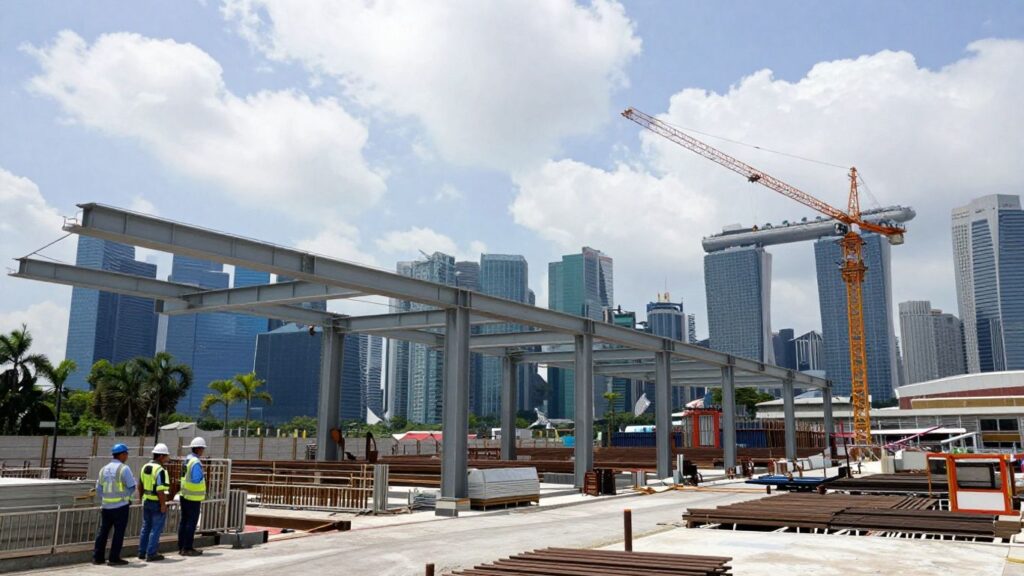
Key Takeaways High-strength steel can reduce structural weight and support ambitious spans, but its benefits depend on disciplined design, detailing, procurement, and analysis. S460 through S690 grades offer increasing yield strength, with corresponding questions about ductility, toughness, and weldability. Smaller members can improve usable floor area and reduce lifting or handling demands, although fabrication costs […]
Embodied Carbon Reduction in Steelwork: Optimization Strategies Using FEA
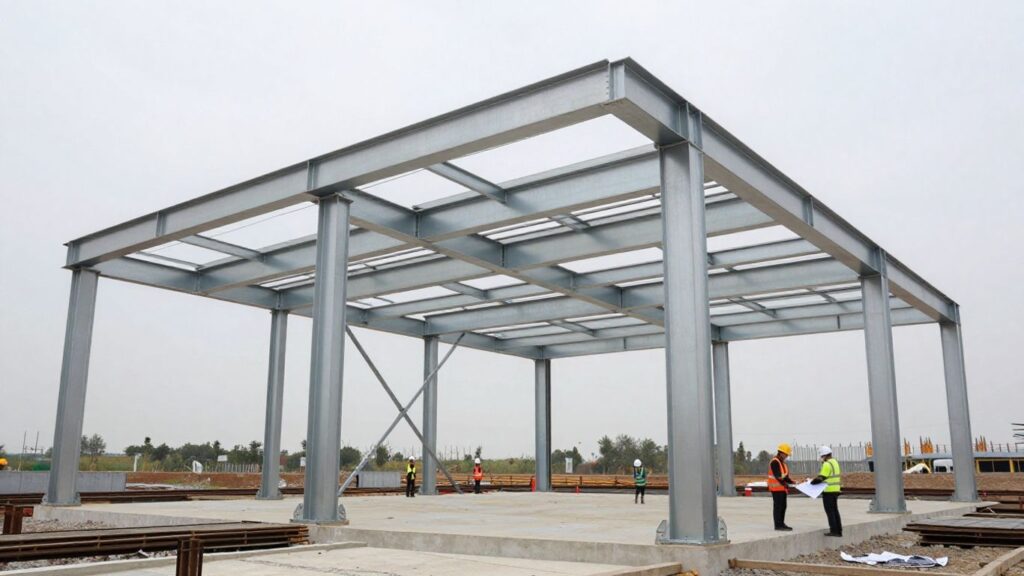
Key Takeaways Lower-carbon steelwork begins with sound structural decisions, not material reduction in isolation. FEA modelling can help engineers compare efficient, safe, and buildable alternatives while keeping embodied carbon visible throughout delivery. Establish a verified structural and carbon baseline before optimizing. Use FEA modelling to understand stress, stability, connections, and serviceability. Compare members, systems, and […]