
Introduction
Active construction sites across Singapore face a critical compliance window as the northeast monsoon 2026 season approaches, expected to run from late November 2026 through early March 2027. During this period, heavy rainfall intensity and prolonged wet spells dramatically increase the risk of erosion, silt accumulation, and silty water discharge from sites with exposed earth – making statutory earth control measures (ECM) and drainage duties not just regulatory formalities but operational imperatives. Understanding the northeast monsoon 2026 statutory ECM and drainage duties for active sites is essential for every project team managing live earthworks heading into Q4 2026.
This article focuses specifically on Singapore infrastructure and building construction projects subject to regulations enforced by PUB (Singapore’s national water agency), BCA, LTA, and related authorities. It does not cover regional climate science or non-construction flood management. The target readers are developers, main contractors, Resident Engineers, Registered Temporary Occupation Permit holders, qualified erosion control professional practitioners, and earth control measures officer personnel who need to ensure their sites are monsoon-ready and compliant.
In short: your core statutory duties during the northeast monsoon are to maintain your PUB-approved ECM plan with all devices functioning at design capacity, ensure total suspended solids remain below 50 mg/L at every discharge point into public drains, keep all drainage systems free-flowing and clear of debris, operate CCTV and SIDS monitoring continuously, and maintain defensible documentation throughout the monsoon season.
By reading this article, you will gain:
-
Clarity on 2026 monsoon-season ECM and drainage obligations under current regulatory requirements
-
A step-by-step pre-monsoon preparation checklist your site team can act on from August–October 2026
-
Insight into common failure modes during heavy rain and how to avoid fines or stop-work orders
-
Understanding of how roles and responsibilities intensify during the monsoon period
-
How AMAN Engineering Consultancy Pte Ltd can assist with ECM design, inspection, and authority submission
Understanding Monsoon-Season Earth Control Measures (ECM) and Drainage Compliance
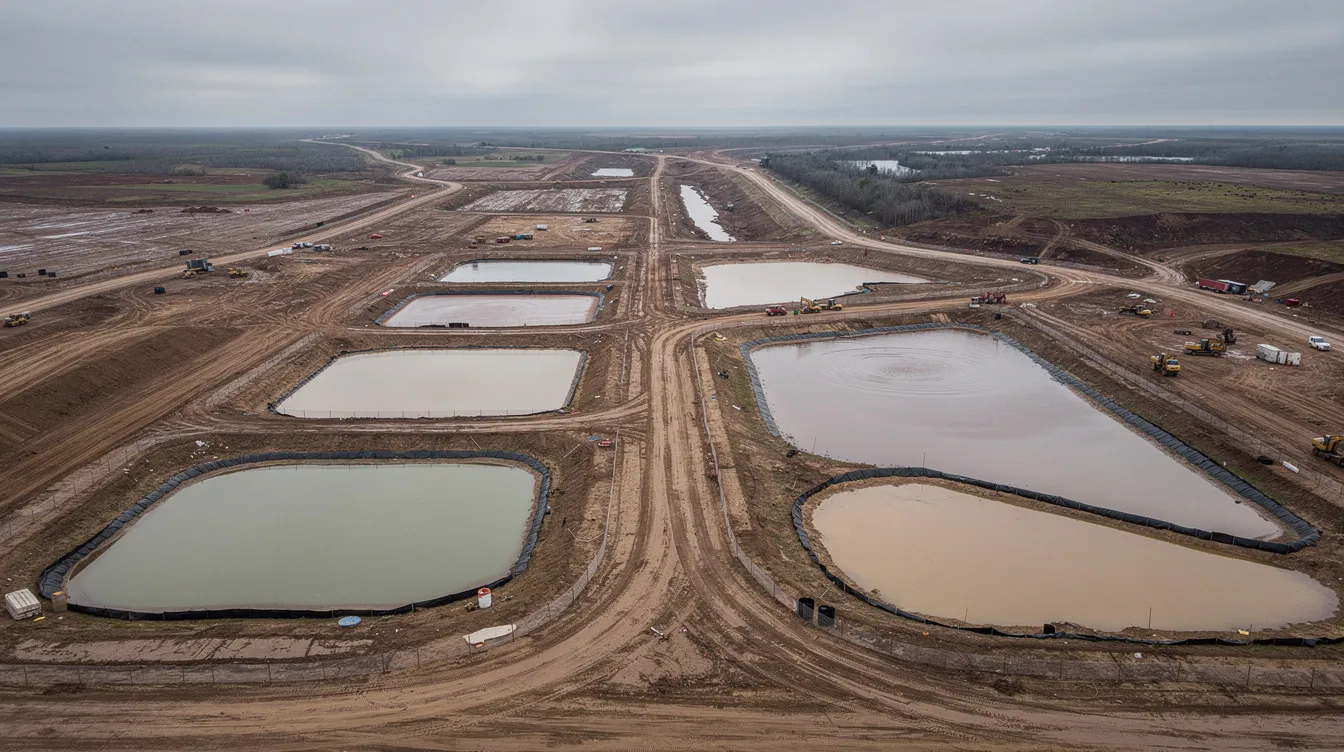
Earth control measures are the suite of physical installations, treatment systems, and monitoring protocols that construction sites must deploy to prevent silty discharge from reaching Singapore’s waterways and public drains. ECM became mandatory in Singapore in 2006, recognising that construction pollution poses a direct threat to water resources across Singapore’s land area. Drainage management works hand-in-hand with ECM, covering the conveyance capacity, freeboard, and safe discharge of rainwater and runoff from active sites into the public stormwater network.
The northeast monsoon specifically stresses these systems because it brings the heaviest and most sustained rainfall of Singapore’s year. Historical data shows mean monthly rainfall in December exceeds 330 mm – among the highest of any month. Monsoon surges can deliver intense, prolonged downpours that test every element of a site’s sediment control and drainage infrastructure. For live infrastructure projects – road works, MRT station boxes, tunnel portals, utility trenches – this period concentrates risk because these sites typically have large exposed earth surfaces, complex drainage layouts, and deep excavations that collect water rapidly.
While ECM targets sediment and silt control to prevent silty runoff from contaminating waterways, drainage duties extend to maintaining conveyance capacity, ensuring freeboard in ponds and excavations, and guaranteeing safe discharge into public drains without causing offsite flooding. Both must function simultaneously under peak monsoon loads.
Key Regulatory Frameworks Affecting Monsoon Operations
The regulatory backbone for ECM and surface water drainage compliance in Singapore is PUB’s Code of Practice on Surface Water Drainage (7th Edition, December 2018, with Addendum No. 3 April 2025). This document, together with the ECM Submission Guidelines, sets out statutory obligations for drainage design, ECM plan preparation, treatment standards, and enforcement provisions. Key frameworks include:
-
PUB’s ECM requirements under Clause 6.3 of COPSWD: Governs sediment control design, treatment train sizing (minimum 1-in-5-year storm return period), and QECP endorsement of all ECM plans. ECM plans must include a topographical survey and hydrology calculations.
-
TSS discharge standards: Silty rainwater runoff must have TSS below 50 mg/L before entering public stormwater drains. ECM protects Singapore’s water resources from construction pollution.
-
Sewerage and Drainage Act: Contractors face heavy penalties for non-compliance with discharge standards under the Sewerage and Drainage Act, including fines up to $15,000 and potential stop-work orders.
-
CCTV and monitoring mandates: For sites of 0.2 hectares or larger, CCTV systems linked to Silt Imagery Detection Systems are required. CCTV must capture 1280×720 snapshots every five minutes, with footage retained for at least 15 days. PUB requires continuous visual monitoring at discharge points.
-
Related authority requirements: BCA, LTA, NEA, and SCDF have intersecting requirements covering temporary structures, site access, environmental health, and ensuring emergency egress is not blocked by ponding or obstructed drains.
Monsoon-season duties are not new or “special” regulations. They represent stricter enforcement of existing statutory duties because the risk of ECM failure and flooding is highest during this period. Heavy rainfall during the northeast monsoon increases the risk of silt runoff, necessitating stricter oversight. Sites in water catchment areas or flood-prone zones should expect heightened scrutiny and potentially additional PUB conditions.
Roles and Responsibilities: Who Owns ECM and Drainage Duties?
Clear accountability is essential, as multiple parties share overlapping but distinct responsibilities for ECM and drainage on active construction sites:
Developer / Owner – The developer holds ultimate legal responsibility for compliance and must ensure adequate resourcing for ECM design, monitoring, and corrective works. This includes engaging qualified professionals, allocating budget for monsoon upgrades, and ensuring the construction programme allows ECM and drainage duty execution without shortcuts.
Main Contractor – The main contractor is responsible for day-to-day implementation and maintenance of all ECM devices, temporary drainage systems, and monitoring equipment. Contractor crews must adhere to inspection schedules, maintain records, and respond in real time to rainfall events. Contractors must take proactive measures to maintain effective drainage systems throughout the monsoon season.
Qualified Erosion Control Professional (QECP) – A qualified erosion control professional must endorse the ECM plan before earthworks commence. The QECP designs or reviews the ECM strategy, endorses submissions to PUB, conducts periodic site inspections, and must formally re-endorse the plan if the earthworks scope or site layout changes during the monsoon.
Earth Control Measures Officer (ECMO) – The earth control measures officer oversees daily site operations, ensuring silt fences, cut-off drains, bunds, and ponds are functioning correctly. The ECMO conducts checks after every significant rain event, is authorised to halt operations if ECM is breached, and reports upward to the contractor and developer.
Consultants such as AMAN Engineering – Specialist consultants support design coordination, authority submissions, periodic audits, BIM-based drainage modelling, and value engineering to balance cost and compliance.
These responsibilities intensify – they do not relax – during the northeast monsoon 2026, because every system is tested at peak loads. The next section translates these responsibilities into specific monsoon-season obligations and planning actions.
Statutory ECM and Drainage Duties for Northeast Monsoon 2026
With the regulatory framework and roles established, the focus now shifts to the concrete, monsoon-specific duties that every active site must have in place before the first major storm burst – not after flooding or silty discharge has already occurred. Sites with ongoing earthworks after October 2026 must treat these obligations as non-negotiable.
Core ECM Obligations During Monsoon Months
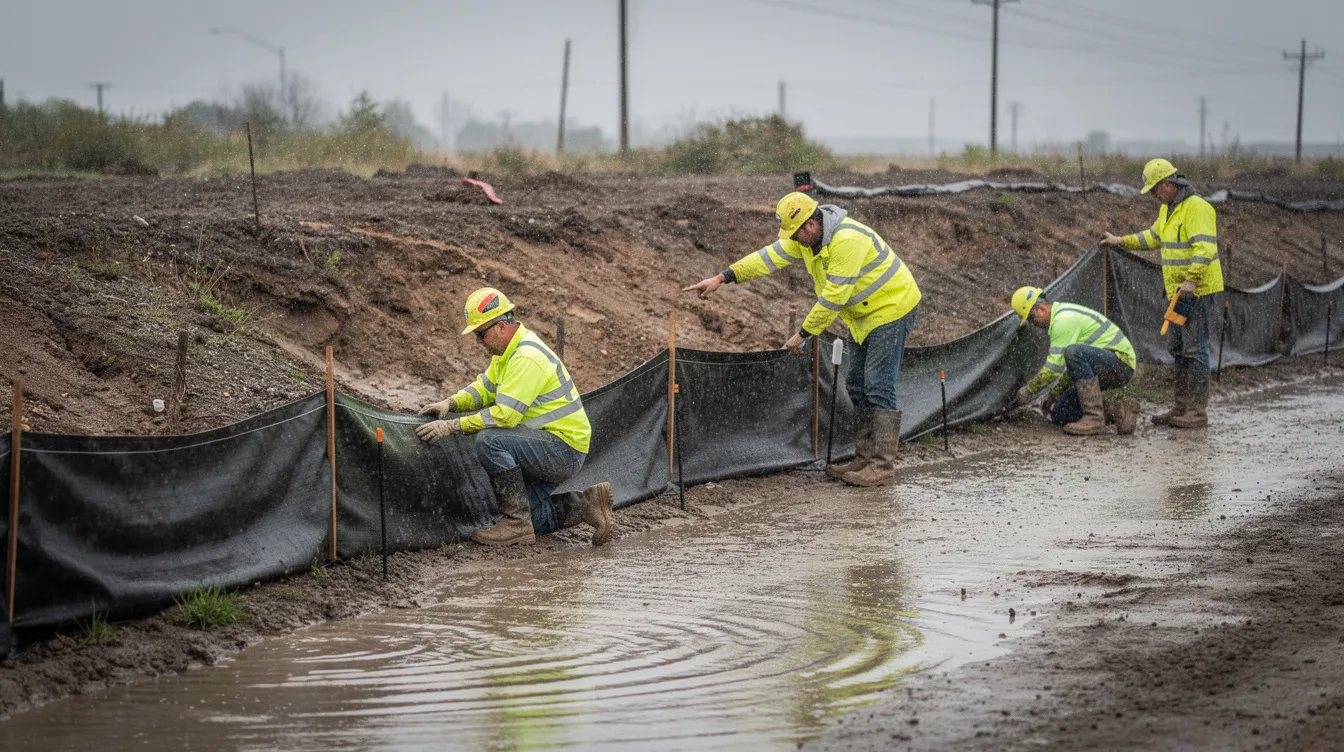
All ECM installations on site must match the latest PUB-approved QECP-endorsed ECM plan. Any deviation – whether from expanded bare areas, altered site layouts, or new earthworks phases – requires formal re-endorsement by the QECP and resubmission to PUB. During the monsoon period, deviations without approval are among the most frequent triggers for enforcement action.
Core obligations include:
-
TSS discharge compliance: ECM plans must ensure TSS below 50 mg/L at all discharge points into public drains. Treatment trains must include silt fences, sedimentation tanks or ponds, flocculation dosing where necessary, and filter bags – all sized to handle monsoon-intensity rainfall based on a minimum 1-in-5-year storm return period.
-
Daily ECMO inspections during wet spells: During heavy rainfall weeks, the ECMO must conduct daily checks covering silt fence condition, pond freeboard, bypass risks, bund integrity, and emergency pump readiness. These inspections must be documented with timestamps.
-
Process water segregation: Surface runoffs must be managed separately from public drainage systems to prevent siltation. Slurry from tunnelling, concrete wash water, and curing water cannot be co-mingled with rainwater treatment trains. Dedicated treatment (settling tanks, chemical-assisted dosing) is required.
-
Minimum bare surface exposure: The construction programme should be managed to reduce exposed soil during peak rainfall months. Where exposure is unavoidable, temporary cover, hydroseeding, or geotextile protection must be applied.
-
Post-rainfall clearance: Holding sumps and treatment plants must be cleared within 10 hours after rainfall stops, ensuring capacity is restored before the next storm event.
Drainage and Flood-Prevention Duties for Active Construction Sites
ECM without proper temporary drainage still leads to ponding and offsite impacts. Construction sites must implement proper drainage systems to handle heavy rainfall and prevent flooding. Drainage duties for active sites include:
-
Maintaining clear flow paths from site drains, culverts, and sumps to legal discharge points. Any blockage by spoil, debris, or temporary works must be cleared immediately.
-
Preventing obstruction of public drains, canals, and roadside drains by stockpiles, scaffolding, or temporary access ramps. Inspectors from PUB conduct inspections without advance notice for compliance checks, and blocked public drains are a common finding.
-
Maintaining design freeboard in detention ponds and excavations, especially for sites below surrounding road level where gravity drainage is compromised.
-
Installing and maintaining temporary pumps with backup power for deep shafts, underpasses, and basement excavations. Pump redundancy is critical – a single pump failure during a monsoon surge can flood an entire excavation in hours.
-
Ensuring safe access and egress during intense rainfall for workers and emergency services. Ponding near site entrances or along haul roads must be managed so that it does not create a safety risk or block fire engine access.
Contractors must remain vigilant about drain maintenance throughout the monsoon season, not just during the initial setup. Weekly clearing schedules should escalate to daily during heavy rainfall weeks.
CCTV, SIDS/TSS Monitoring, and Record-Keeping Requirements
Monitoring and documentation are where many sites fall short during the monsoon – and where enforcement consequences are most severe. Real-time monitoring systems were introduced in 2008, and PUB’s requirements have grown progressively stricter since then.
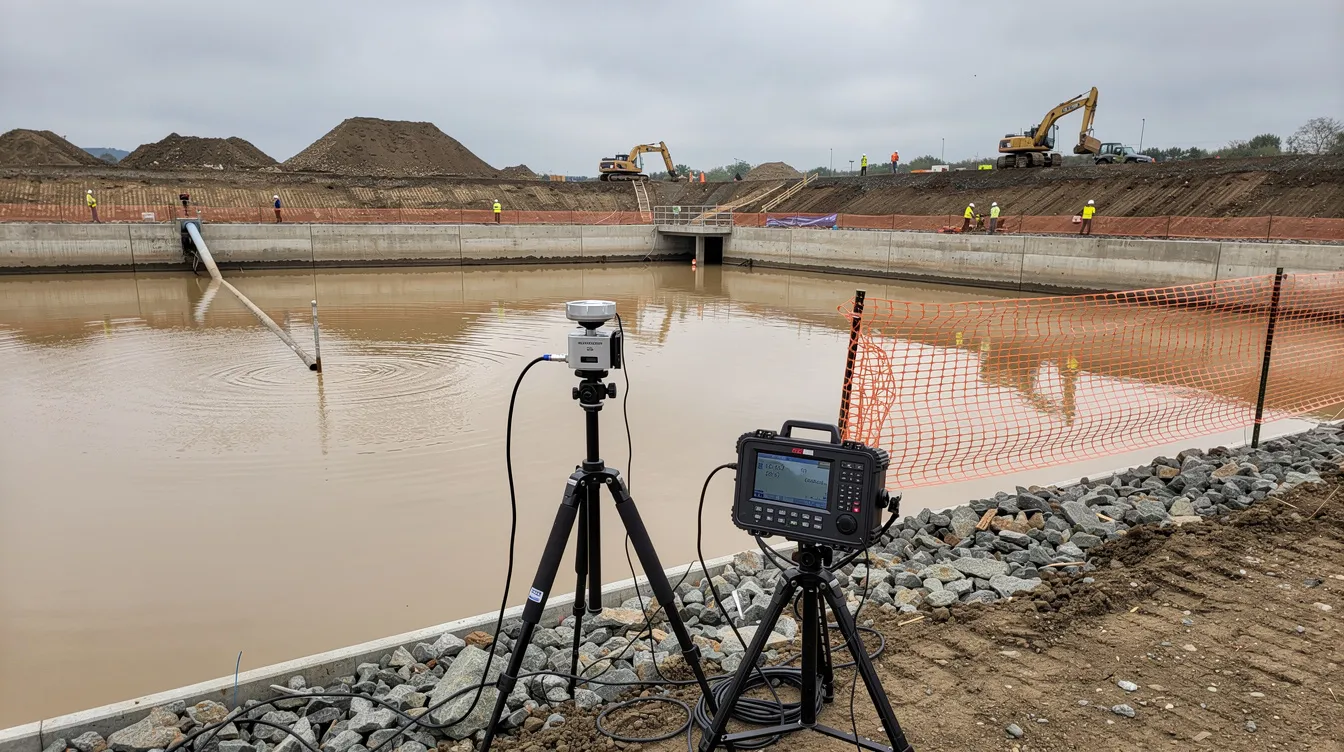
PUB requires continuous visual monitoring at discharge points for all sites with significant earthworks. For sites of 0.2 hectares or larger, CCTV systems linked to Silt Imagery Detection Systems are mandatory. CCTV systems must capture 1280×720 snapshots every five minutes, and CCTV footage must be retained for at least 15 days. During the monsoon, 24/7 remote access to live feeds may be required.
Specific monitoring duties include:
-
TSS monitoring: TSS monitoring systems must keep levels below 50 mg/L. Sampling must be from discharge points (not untreated flows), with timestamped logs tied to rainfall events and ECM operations such as desilting or chemical dosing.
-
Exceedance investigation: Any TSS exceedance must trigger root cause analysis, corrective action, and documentation. Auto-intervention systems – which trigger shut-off or bypass when sensors detect TSS exceeding the threshold – are strongly encouraged by PUB and reduce manual monitoring lag.
-
Record-keeping: Meticulous documentation – TSS logs, CCTV uptime reports, ECMO inspection records, desilting and maintenance logs, rainfall data – is critical for defending against enforcement actions. If a complaint arises during the northeast monsoon 2026, your documentation is your primary defence.
With these duties clearly defined, the next section addresses how to practically implement them ahead of the monsoon.
Planning and Implementing Monsoon-Ready ECM and Drainage Systems
Translating statutory duties into operational reality requires deliberate planning, especially on complex infrastructure construction projects such as MRT station boxes, viaduct foundations, and expressway widening. ECM and drainage must be treated as operational systems that perform under peak monsoon conditions – not just paper compliance for permit approval.
Pre-Monsoon 2026 Preparation Process
Between August and October 2026, active sites with ongoing earthworks exposure through the monsoon period must complete major readiness work. The following sequence provides a practical framework:
-
Programme review: Identify which areas will remain open or exposed through November 2026–March 2027. Phase construction works to reduce bare soil surfaces during December–January peak rains. Defer large-scale earthworks if the programme allows.
-
Joint walk-through audit: Bring the QECP, ECMO, and main contractor together for a physical inspection comparing as-built ECM and drainage installations against approved drawings. Check for erosion, misalignment of cut-off drains, damaged silt fences, and verify as-built levels against platform requirements.
-
Hydraulic and capacity checks: Verify that sedimentation ponds, tanks, and treatment units have sufficient detention and residence time under monsoon rainfall assumptions. Confirm pump sizing is adequate and temporary drainage trenches and sumps can handle peak runoff without overtopping or collapse.
-
Pre-emptive repairs and desilting: Complete all debris clearing, desilting of temporary and permanent drains, slope protection repairs, bund resealing, geotextile replacement, and stockpile covering by end-October 2026 at the latest.
-
Monitoring system dry run: Test all CCTV systems for resolution, lighting, and power backup. Verify sensor systems (TSS, turbidity) are calibrated and data logging is functioning. Run through the emergency response procedure – who calls, who acts, what gets documented – to identify gaps before the first storm.
-
Supply chain and contracts: Confirm spare parts, power backup (generators, UPS), and vendor service-level agreements for repairs during the monsoon are in place. Allocate budget for additional maintenance and emergency works.
These steps should be formally integrated into the project’s risk register and relevant Method Statements, with clear ownership and completion dates.
Coordinating ECM, Temporary Works, and Site Logistics
How a site stages its earthworks, haul roads, and stockpiles can either support or fundamentally undermine ECM performance during the monsoon. Coordination failures here are among the most frequent root causes of enforcement action.
-
Excavation and backfilling sequences should be aligned with the monsoon calendar. Minimising open earth surfaces in December–January – when rainfall is heaviest – significantly reduces sediment load on treatment systems.
-
Stockpile placement must be located away from drains and watercourses, with proper cover and toe protection. Uncovered stockpiles near drainage paths are a leading source of silty runoff during heavy rain.
-
Haul road design should prevent directing runoff directly into public drains without treatment. Wheel-wash facilities and wash bays must be correctly sized and drained, particularly during peak vehicle traffic in wet conditions.
-
Temporary works coordination: Access ramps, scaffolding, and staging areas must not obstruct drainage paths. BIM and 3D modelling can simulate drainage paths and ponding risk across the site, allowing teams to optimise ECM and logistics layouts before the monsoon arrives rather than reacting to flooding.
Cost, Value Engineering, and Phasing Considerations
Monsoon readiness has real budget and programme implications. However, cutting ECM and monitoring costs during 2026 is a false economy. PUB has taken enforcement action against 226 contractors in three recent years for ECM breaches, with roughly half being repeat offenders. Non-compliance can lead to fines up to $15,000, stop-work orders, project delays, and significant reputational damage.
Key cost drivers and value engineering considerations include:
-
Primary cost items: Enlarged sedimentation tanks, additional pumps, enhanced CCTV with power redundancy, higher-frequency desilting schedules, and backup power supply.
-
Value engineering options: Optimising tank configuration and shared monitoring infrastructure across multi-phase projects; modular ECM components that can be redeployed as earthworks shift across the site; parallel treatment trains that add capacity without full system redesign.
-
Procurement timing: Align lead times for monitoring equipment, electrical works, and treatment chemicals with PUB endorsement milestones to avoid delays.
-
Lifecycle cost comparison: The cost of proactive monsoon upgrades is consistently lower than the combined cost of stop-work orders, rectification works, regulatory fines, and reputational damage. About 1,100 active earthworks sites are routinely inspected across Singapore, and approximately 100 contractors are penalised annually for ECM non-compliance.
With costs managed and systems designed, the remaining risk lies in operational execution – which is where most monsoon-season failures actually occur.
Common Monsoon-Season Failures and How to Prevent Them
Many enforcement cases in past monsoon seasons stem from predictable, avoidable issues that intensify under inclement weather conditions. PUB enforcement data and press releases – including the Avenue Engineering case, where the contractor was fined for silty discharge and inadequate earth control measures – illustrate recurring patterns that site teams must remain alert to.
Inadequate ECM Capacity and Overtopping
The most common failure: undersized sedimentation tanks or ponds overtopping during intense storms, bypassing treatment and discharging silty water directly into public drains. This is especially frequent when site area has expanded since the original QECP design but the ECM plan was not formally revised.
Prevention:
-
Re-calibrate ECM design assumptions against monsoon rainfall intensity, particularly if exposed areas have increased. Treatment systems must be sized for at least a 1-in-5-year storm return period.
-
Increase storage capacity or install parallel treatment trains before November 2026. Adequate measures taken early are far cheaper than emergency rectification.
-
Maintain minimum freeboard at all times and establish rapid-response desilting contracts that can mobilise within hours during the monsoon period.
Blocked Drains, Sumps, and Culverts
Accumulated spoil, concrete wash residue, or construction debris in site drains and public drains near access points leads to flash flooding and offsite impacts. This is one of the most frequent findings during PUB’s unannounced regular checks.
Prevention:
-
Implement a monsoon-season cleaning schedule – minimum weekly during dry spells, daily during heavy rainfall weeks. Document every clearing action.
-
Establish a responsibility matrix between the main contractor and specialist cleaning vendors, with clear escalation procedures.
-
Conduct visual inspection routines for critical chokepoints before and after forecasted storms. Ensure drains remain flowing and unobstructed at all times.
CCTV and Monitoring Downtime During Critical Events
CCTV outages, dead storage cards, or SIDS sensor malfunctions exactly when a compliance incident occurs leave a site unable to prove compliance – which PUB treats as a violation in itself. This is a particularly acute risk during the monsoon when power disruptions are more frequent.
Prevention:
-
Implement power redundancy (UPS, alternate generator feeds) for cameras, loggers, and sensors. A monitoring system that fails during heavy rain provides zero value.
-
Conduct daily checks of live feeds and data logging during the monsoon, documented in a simple checklist signed by the ECMO.
-
Secure service-level agreements with system vendors guaranteeing rapid rectification – ideally within 4–8 hours – especially from November 2026 through January 2027.
Operational discipline is ultimately more important than hardware alone. The best-designed ECM system will fail without consistent, documented maintenance and monitoring.
Conclusion and Next Steps Before Northeast Monsoon 2026
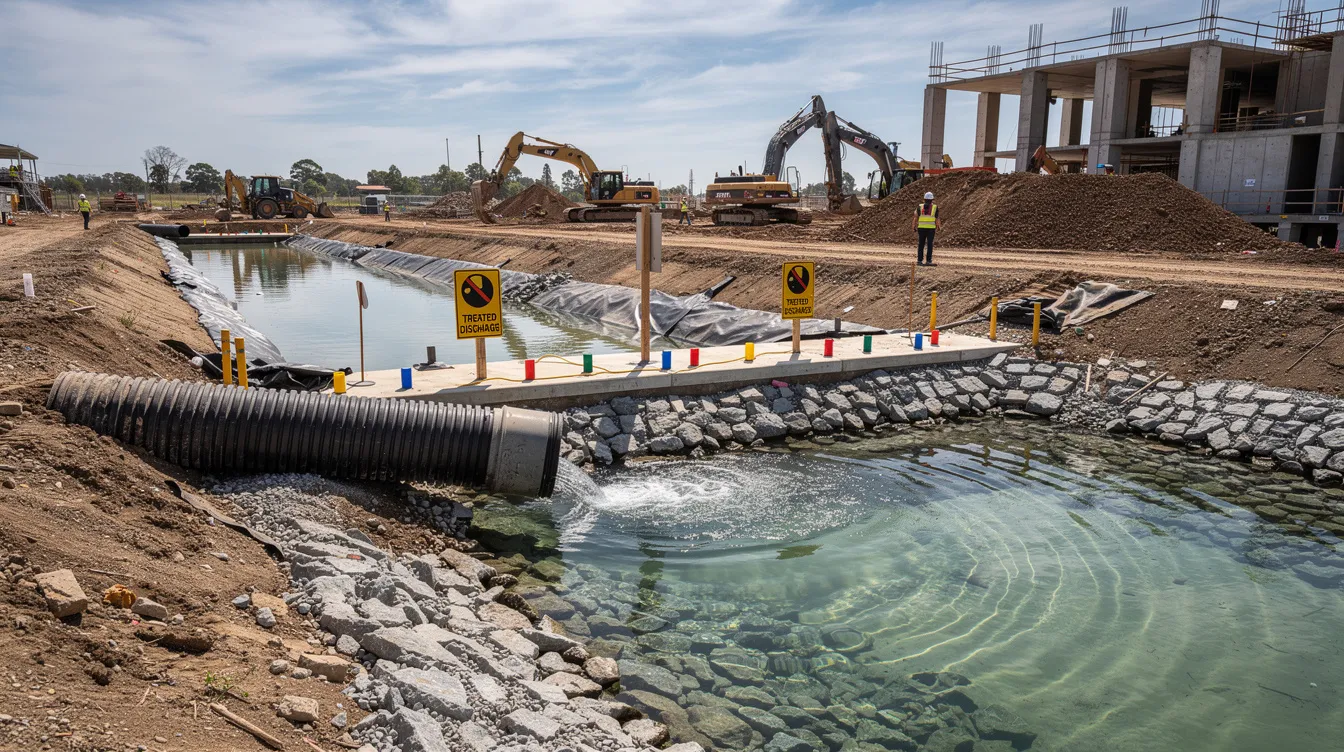
For active construction sites in Singapore, earth control measures and drainage systems must be treated as critical operational systems throughout the northeast monsoon 2026 season. Statutory duties centre on maintaining TSS below 50 mg/L at discharge, ensuring safe drainage conveyance, operating reliable CCTV and SIDS monitoring, and maintaining comprehensive documentation that can withstand PUB audits and enforcement scrutiny.
Site teams should take the following actions:
-
Within the next 2–4 weeks: Schedule a monsoon-readiness audit of ECM and drainage with your QECP and ECMO. Identify gaps between as-built conditions and approved plans.
-
Before end-October 2026: Complete any design revisions, PUB re-submissions, major hardware upgrades, and desilting works. This is the last practical window for structural ECM changes.
-
From November 2026 onwards: Implement enhanced inspection, desilting, and monitoring regimes for the full monsoon season through March 2027.
-
Assign a single point of accountability onsite for ECM and drainage performance during storm events – typically the ECMO, with clear escalation to the main contractor’s project manager and developer.
Related topics worth exploring include structural inspections after flooding events, integrating ECM data into BIM coordination workflows, and ensuring temporary works design does not conflict with drainage paths or emergency preparedness requirements.
AMAN Engineering Consultancy Pte Ltd is positioned to support infrastructure teams through every stage of monsoon readiness – from ECM design reviews and drainage submissions to BIM-based drainage modelling, authority coordination, and on-site compliance inspections tailored to northeast monsoon 2026 risks.
Additional Resources and Support
The following references provide the regulatory and technical foundation for monsoon-season ECM and drainage compliance:
-
PUB Code of Practice on Surface Water Drainage (7th Edition with Addendum No. 3, April 2025) – the primary statutory reference for drainage design and ECM requirements.
-
PUB ECM Submission Requirements – detailed guidance on documentation, QECP endorsement, and approval procedures.
-
IES/ACES QECP Registry and Circulars – for verifying QECP and ECMO credentials and accessing pre-monsoon advisory circulars.
-
NEA and BCA circulars relevant to wet-season construction practices and temporary works safety.
How AMAN Engineering can assist:
-
Monsoon 2026 readiness reviews: Gap assessments for active infrastructure sites comparing as-built ECM and drainage against approved plans and monsoon-load requirements.
-
BIM-based drainage modelling: Simulating drainage paths, ponding risk, and clash detection between temporary and permanent works.
-
Authority submissions and coordination: Preparing and managing PUB, BCA, and LTA submissions, inspection reports, and compliance documentation that comply with current regulatory requirements.
-
Value engineering: Optimising ECM configurations to balance performance, cost, and programme constraints during the monsoon season.
Diagrams, site photographs, and annotated ECM layout comparisons showing effective versus inadequate setups during monsoon conditions can be provided as part of AMAN’s site assessment deliverables.