
CORENET X from 1 October 2026: What the New 5000 m GFA Threshold Means for Developers
Introduction From 1 October 2026, every new commercial development in Singapore with a gross floor area (GFA) of 5,000 m² or more must be submitted through CORENET X-BCA’s next-generation digital regulatory platform. This sixfold reduction from the previous 30,000 m² threshold dramatically expands the number of projects caught by the mandate, adding an estimated 50 […]
What Is a Professional Engineer (PE) in Singapore? Roles, Registration, and Liability for Business Owners
Introduction A Professional Engineer (PE) in Singapore is an individual registered with the Professional Engineers Board (PEB) under the Professional Engineers Act (PEA) who holds the legal authority to design, endorse, supervise, and certify engineering works where public safety is at stake. For business owners, developers, facility managers, and contractors, understanding what a PE does, […]
ACI code compliance Singapore: A practical guide for concrete projects
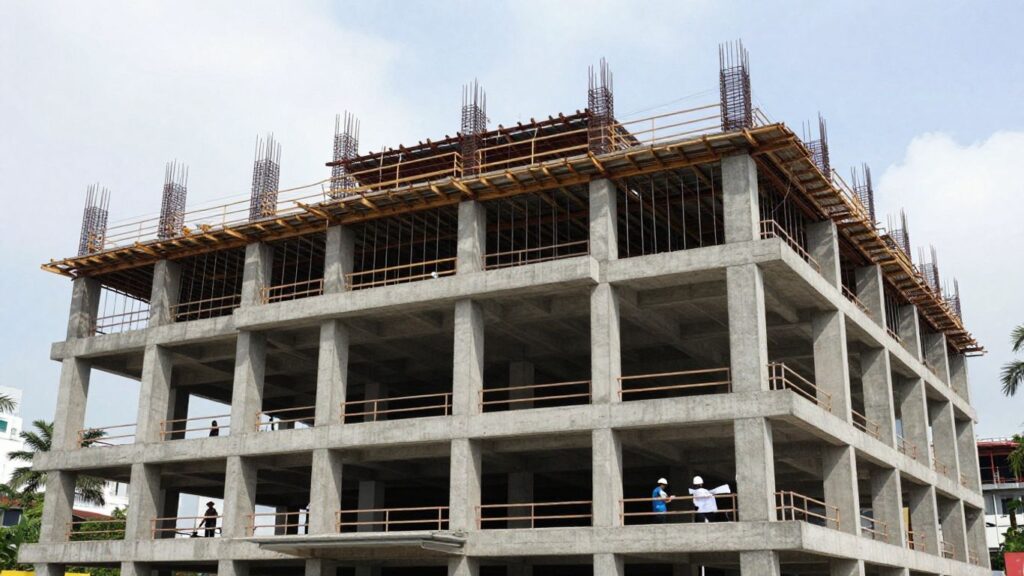
Key Takeaways ACI provisions can inform a Singapore concrete project, but the project team must first establish which local laws, standards, and approvals govern the work. Confirm the project’s statutory and contractual requirements before design begins. Treat ACI provisions as applicable only within the agreed and approved design basis. Compare assumptions, loads, materials, durability criteria, […]
What Triggers SCDF Inspection for Your Building?

Learn what triggers SCDF inspection, from building works and fire safety defects to periodic checks, and prepare records, access, and rectification early.
TOP Requirements in Singapore: Submit ESPro Eforms by July 3, 2026

Practical TOP requirements for QPs and owners in Singapore: CORENET/ESPro eforms, RI evidence, and coordination steps to avoid inspection delays.
5D BIM Cost and ROI for Project Managers: Metrics and Pilot Checklist

Practical 5D BIM cost and ROI guidance for project managers and estimators. Peer reviewed metrics (1.2 hour reestimation, 96.7% accuracy) and a pilot…
Architecture and Design Firms: How to Choose the Right Partner for Your Built Projects
Introduction Architecture and design firms shape the built environment-from initial feasibility studies through detailed construction documentation, authority approvals, and post-completion inspections. If you are planning a commercial development, industrial facility, institutional building, or landed residential project in Singapore or across Southeast Asia, selecting the right architecture and design partner is one of the highest-impact decisions […]
Structural Audit vs PE Endorsement Explained

Understand structural audit vs PE endorsement: scope, authority, deliverables, and when Singapore property projects need each professional service today.
5 Step Design Change Control to Avoid Stop Work Orders in Singapore
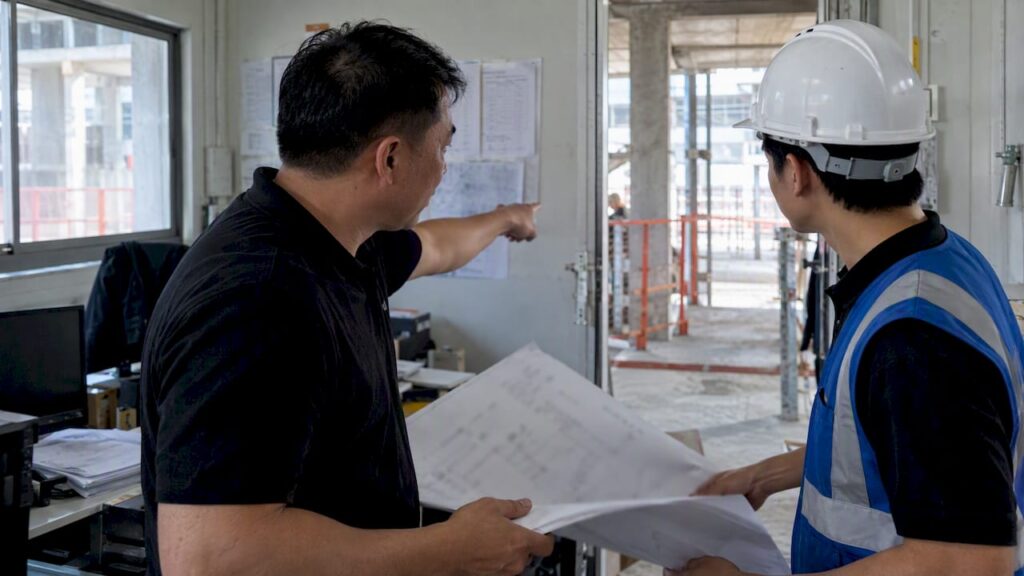
Five stage, risk based change control with a three tier system to secure approvals, cut rework, and avoid stop work orders on Singapore projects.
Engineering consent in Singapore: A guide to approvals and PE endorsements

Key Takeaways Engineering consent is not a single approval; the requirements depend on the work, site, and authorities involved. Early coordination between the owner, design team, contractor, and relevant professionals can make the submission process clearer. Identify the full scope of work before deciding which approvals may apply. Distinguish authority approval from a Professional Engineer’s […]