
BS standard engineering design: A practical guide to codes, calculations, and compliance

Key Takeaways A reliable BS standard engineering design starts with choosing the right references and carrying their requirements through analysis, detailing, and review. Confirm which standards, editions, amendments, and national requirements apply to the project. Match standards to the materials, structural system, design actions, and limit states. Establish clear site data, design criteria, and coordinated […]
How to Appoint QPs for Singapore Building Works

Learn how to appoint QPs for Singapore building projects, define scope, verify credentials, coordinate submissions, and reduce approval delays and risk.
Hydrant Flow Test for Singapore Property Owners: Clause 4.4, Annex A-1
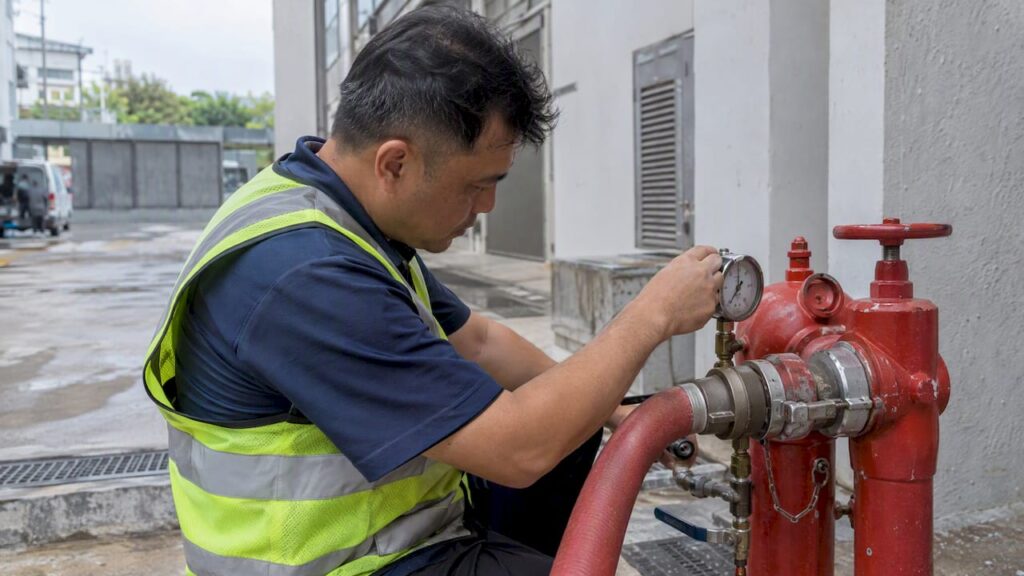
Hydrant flow test guide for Singapore property owners. Cites SCDF Clause 4.4/Table 4.4.2, shows exactly what to record on Annex A-1 and offers Aman’s…
7 Phase BIM Model QA Checklist for CORENET X Projects in Singapore

Use a 7 phase BIM QA checklist with starter IDS validation, model health checks, and an automation pilot for CORENET X compliance in Singapore.
Year-End Fit-Out Rush: Securing BCA Approvals for Commercial Spaces in Singapore
Introduction Every Q4, commercial tenants across Singapore face the same high-stakes race: completing office, retail, or F&B fit-outs between October and early January while securing all necessary approvals from the Building and Construction Authority (BCA) and related agencies. The year-end fit-out rush is not merely a scheduling inconvenience – it is the single largest compliance […]
BS standard engineering consultancy: Services, compliance, and project support

Key Takeaways A BS standard engineering consultancy helps translate applicable engineering standards into design decisions, submissions, and construction support. The right scope depends on the project, its location, and the approvals it requires. Confirm which standards and local requirements govern the project before design work advances. Match engineering services and professional credentials to the project’s […]
Office Conversion Approval Case Study Explained

An office conversion approval case study showing how design, fire safety, and authority submissions reduce approval risk in Singapore renovation projects.
Stop Weeks of Delay: Compliance First Material Approvals in Singapore
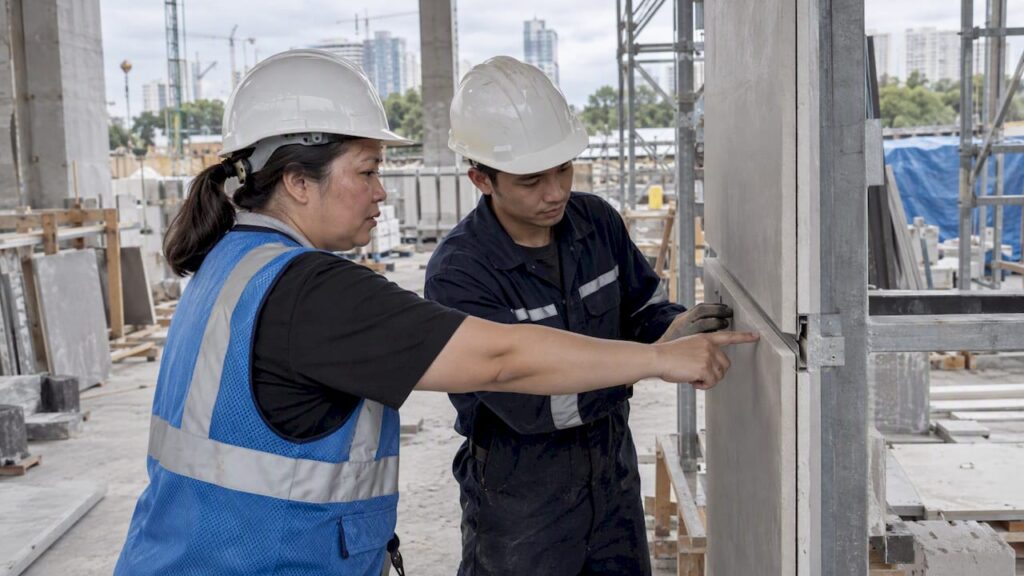
Compliance first guide to Singapore material approvals. Six actionable steps, a complete submission checklist, and regulator touchpoints to avoid weeks of…
DfS Regulations Playbook for Singapore Construction Teams
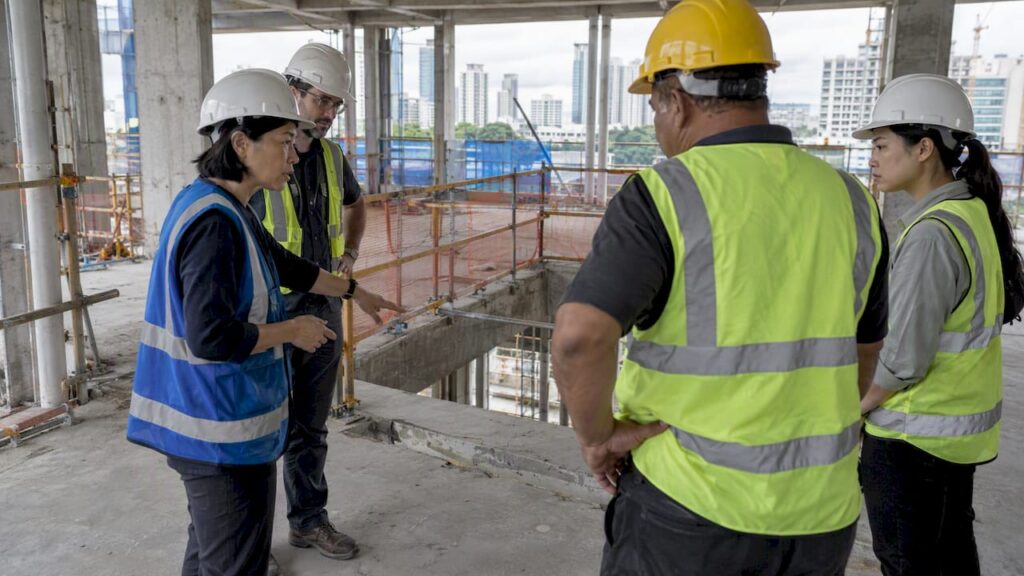
Practical compliance playbook for Singapore construction teams: when DfS regulations apply, stage by stage checklists, Register duties and penalties.
BCA ST vs BCA BP Submission: Key Differences for Commercial and Industrial Projects in Singapore
Introduction BCA Structural Plan (ST) submissions and BCA Building Plan (BP) submissions serve distinct regulatory functions for commercial and industrial projects in Singapore. Understanding the key differences between BCA ST vs BCA BP submission requirements determines whether your project clears authority approvals on schedule or stalls for months in resubmission cycles. This article covers private […]