
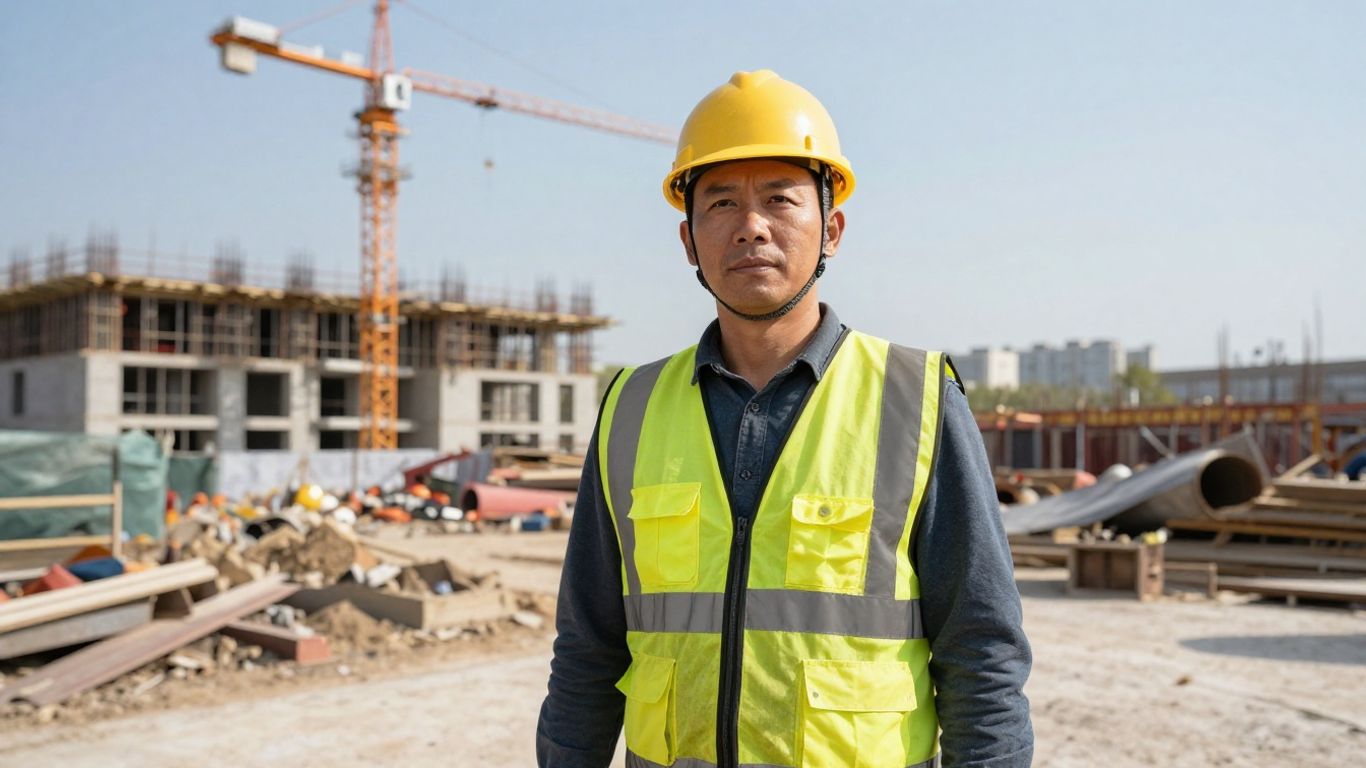
Workplace safety in Singapore has seen some positive movement, with a notable drop in fatalities in the first half of the year compared to last year. This improvement is partly thanks to a "Heightened Safety Period." While this is good news, the Manpower Ministry points out that there’s still work to do, especially in the construction and manufacturing sectors, which unfortunately account for a large number of serious incidents.
Key Takeaways
- The demerit point system, already in place for construction, will expand to manufacturing to curb injuries and fatalities.
- Incentives, alongside penalties, could encourage better safety practices across industries.
- Falls from height and structural failures remain major causes of fatalities in construction.
- Investing in safety upfront can lead to long-term savings through lower insurance premiums and reduced downtime.
Focusing on High-Risk Sectors
The Ministry is putting a spotlight on the construction and manufacturing industries because they have the highest rates of fatalities and major injuries. Companies are implementing measures like using machines to lift heavy loads, reducing physical strain on workers, and using soundproof cabinets to protect hearing. These kinds of proactive steps are what the Ministry wants to see more of.
The Demerit Point System and Beyond
The demerit point system, which has been in effect for the construction sector, is now being extended to manufacturing starting in October. This system means companies with poor safety records could face serious consequences, like being banned from hiring foreign workers for up to two years. Mr. Tung Ching Yew, President of the Society of Interior Designers Singapore, believes this has definitely raised awareness. However, he suggests that adding rewards or incentives for companies that follow best practices could create a more positive environment and encourage wider adoption of safety measures.
Common Causes of Accidents
The latest report highlights that a significant number of workplace deaths come from the construction, transportation, and storage industries. Falls from height and issues with structures or equipment collapsing are major culprits. For major injuries, slips, trips, and falls continue to be the leading cause, followed by machinery-related incidents. Mr. Tung notes that poor lighting during night work is a big risk factor, as is the improper handling of "hot works" on site if safety officers aren’t vigilant.
Safety in Firms of All Sizes
Larger construction firms often have safety officers mandated by tender requirements, who are responsible for briefings and reports. Smaller firms, on the other hand, might rely more on site supervisors to constantly remind workers and conduct inspections. Mr. Tung emphasizes that regular check-ins are key to keeping everyone informed about potential dangers.
The Cost of Safety
Implementing a strong safety framework does involve an initial investment in equipment, gear, and training. However, Mr. Tung points out that in the long run, this investment pays off. Companies can benefit from lower insurance premiums, reduced medical expenses, and less project downtime. Downtime can lead to costly penalties and legal issues, making safety a financially sound decision. It’s a shared responsibility, with employers needing to train their workers, and government agencies continuously reviewing and improving the safety framework.