
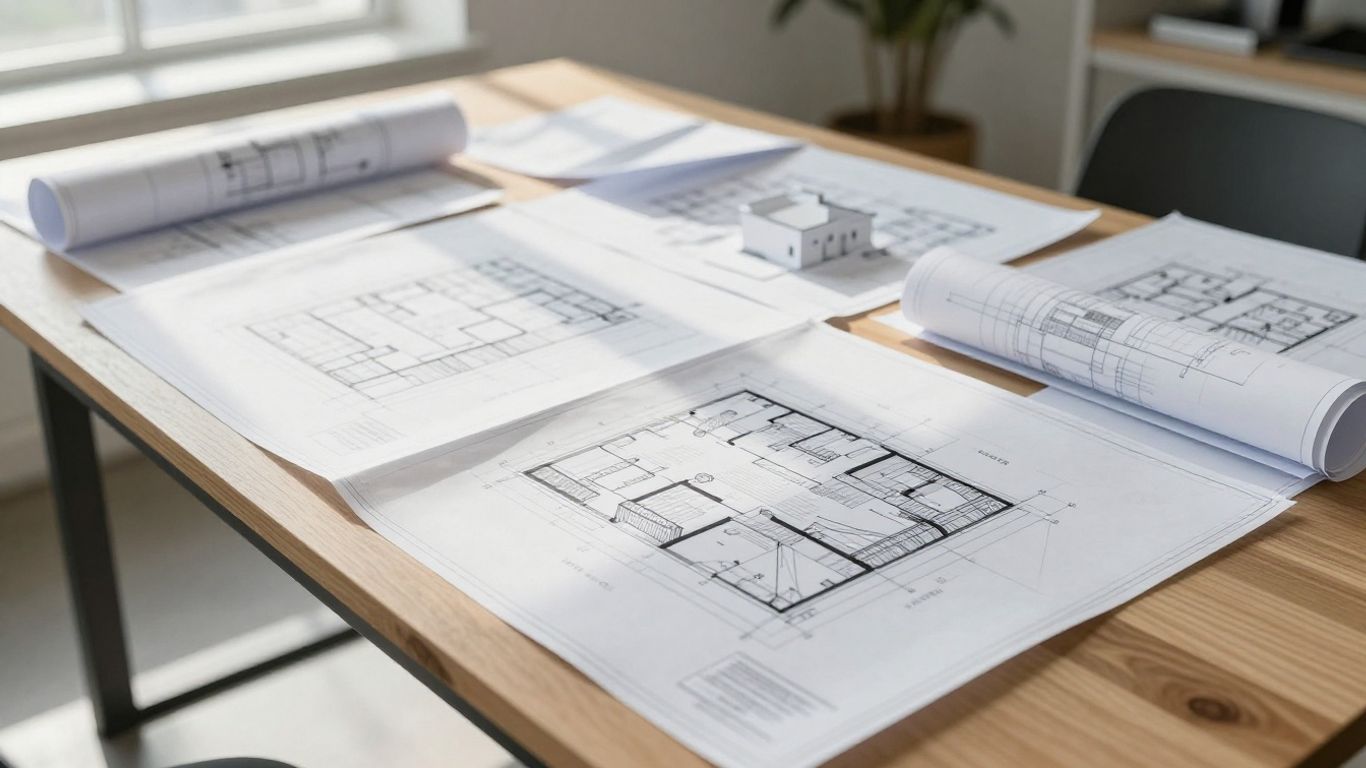
So, we’re talking about DFSP Design today. It sounds a bit technical, but honestly, it’s all about making sure buildings are safe from the ground up. Think of it as a proactive approach to safety in construction. Instead of waiting for problems to pop up on site, this method tries to catch them way before any actual building starts. It’s a pretty smart way to handle things, really, and it can save a lot of headaches down the road.
Key Takeaways
- DFSP Design is about building safety right into the plans from the very beginning, not just as an afterthought.
- Getting a DFSP involved early helps spot potential problems before they become expensive fixes or safety hazards.
- This proactive approach can actually save money by avoiding accidents, rework, and delays during construction.
- Using modern tools like 4D BIM and digital twins makes the DFSP Design process more effective and visual.
- Integrating DFSP Design isn’t just about following rules; it’s good business that builds trust and a better reputation.
Understanding The DFSP Design Framework
The Strategic Value of DFSP in Modern Construction
Safety in construction isn’t just a good idea; it’s the bedrock of any successful project. When things go wrong – accidents, structural collapses, or even just missing a deadline because of safety issues – the fallout can be pretty severe. We’re talking injuries, hefty fines, and a serious hit to the project’s budget. This is exactly where the Design for Safety Professional, or DFSP, comes into play. A DFSP makes sure safety isn’t an afterthought but is baked into the design from the very beginning. This proactive approach helps cut down on hazards not just during construction, but also when the building is being used and maintained.
In places like Singapore, where construction is cutting-edge but also incredibly complex, the DFSP has moved beyond just being a box to tick on a regulatory form. They’re now seen as key partners in a project, helping to meet safety standards and, more importantly, preventing accidents before they even have a chance to happen. It’s about building safety right into the plans, making sure everything is as safe and easy to build as possible.
DFSP Explained: More Than Just a Regulatory Checkbox
So, what exactly is a DFSP? Think of them as a certified engineer who’s got a sharp eye for potential safety problems during the design phase. They’re the ones who identify and work to eliminate construction safety risks early on. They also make sure the project stays on the right side of safety regulations, acting as a vital link between the designers, the contractors on site, and the safety officers. It’s a role that bridges the gap, making sure everyone’s on the same page when it comes to safety.
It’s really a shift from the old way of doing things. Before, safety was often something you dealt with during construction, reacting to problems as they popped up. With a DFSP, safety is built into the design itself. This means moving from reactive hazard controls to proactively eliminating risks. The results speak for themselves: projects with integrated DFSP approaches tend to see significantly fewer accidents compared to traditional methods.
The DFSP Difference: Proactive vs. Reactive Safety
The core difference really boils down to being proactive versus reactive. In the past, safety was often a bit of an afterthought, something addressed when construction was already underway. This meant dealing with hazards as they appeared, which is often more complicated and costly. It’s like trying to fix a leaky faucet after the whole kitchen floor is ruined – you can fix it, but it’s a much bigger mess.
A DFSP flips this script. By getting involved early, they can spot potential issues – like difficult access points, complex temporary works, or areas prone to falls – and design them out. This might involve suggesting a different structural approach, specifying safer materials, or planning for built-in safety features. It’s about thinking ahead, anticipating problems, and solving them on paper before they become real-world dangers on site. This approach not only makes the construction phase safer but also contributes to a building that’s easier and safer to maintain over its lifespan.
Here’s a quick look at the contrast:
- Traditional Approach: Safety considered during construction; Reactive hazard controls; Higher incident rates; Last-minute safety compromises.
- DFSP-Integrated Approach: Safety built into the design; Proactive risk elimination; Significantly fewer accidents; Optimized safety from Day 1.
This shift towards proactive safety design is not just about avoiding accidents; it’s about building smarter, more efficiently, and ultimately, more responsibly. It’s a move that benefits everyone involved, from the workers on site to the end-users of the completed structure. For more on how this framework is applied in practice, you might look into design risk assessments.
Integrating DFSP Design Principles Early
Getting safety considerations into the design process from the get-go is a game-changer. It’s not just about ticking boxes for regulations; it’s about building safety into the very DNA of a project. When we bring DFSP principles in early, we’re essentially looking ahead, spotting potential problems before they even have a chance to show up on site. This proactive approach means we can design out hazards rather than just trying to manage them later.
Early Risk Identification and Mitigation Through DFSP
Think of it like this: you wouldn’t start building a house without a solid blueprint, right? The same goes for safety. By involving DFSP expertise early, we can conduct thorough hazard identification and risk mapping. This involves looking at the project from every angle, considering everything from how materials will be lifted to how workers will access different areas. It’s about being thorough.
Here’s a quick look at how early risk identification plays out:
- Hazard Identification: Pinpointing potential dangers like working at height, confined spaces, or material handling issues.
- Risk Assessment: Evaluating the likelihood and severity of each identified hazard.
- Mitigation Strategies: Developing design solutions to eliminate or reduce these risks, such as incorporating permanent safety features or simplifying complex construction sequences.
This structured approach helps prevent accidents and costly rework down the line. It’s a much smarter way to build.
Regulatory Compliance and DFSP Mandates
Let’s be honest, regulations exist for a reason. In many places, appointing a Design for Safety Professional (DFSP) isn’t just a good idea; it’s a legal requirement for certain projects. Getting this right from the start means avoiding fines, project delays, and the headache of trying to fix compliance issues later. It’s about making sure the design meets all the necessary safety standards from day one. This early integration helps ensure that the project stays on track with legal requirements, which can be a complex area to navigate. For instance, understanding the Workplace Safety and Health (Design for Safety) Regulations is key for projects in many jurisdictions.
Cost Savings Through Proactive DFSP Design
It might seem counterintuitive, but spending a bit more time and resources on safety design upfront actually saves money in the long run. When hazards are designed out, you avoid expensive accidents, insurance claims, and the delays that come with them. Plus, designs that are inherently safer are often more efficient to build. This means less rework, fewer site incidents, and a smoother construction process overall. It’s a win-win situation that benefits the project budget and the people working on it.
Integrating DFSP principles early transforms safety from an afterthought into a core design driver. This shift not only protects workers but also streamlines construction, reduces financial risks, and ultimately leads to a more successful project outcome.
The DFSP Technical Workflow and Methodologies

Hazard Identification and Risk Mapping
This is where the real work begins. We’re talking about digging deep into the project plans, looking at everything from the ground up. It’s not just about spotting obvious dangers; it’s about anticipating what could go wrong. We use tools like 3D modeling, often with software like Revit or Navisworks, to map out potential hazards. Think of it like creating a detailed map of all the risks. We consider things like construction loads, using standards like Eurocode EN 1991-1-6, and then we score these hazards. This gives us a weighted risk matrix, which is basically a prioritized list of what needs the most attention. It helps us focus our efforts where they’ll make the biggest difference.
Inherent Safety Design Strategies
Once we know the risks, we design them out. This means finding ways to make the structure itself safer, so you don’t need as many temporary fixes or complicated safety measures during construction. For example, we might look at structural solutions that eliminate the need for extensive temporary works. This could involve designing precast connections that are easier and safer to assemble, or incorporating permanent fall protection anchors right into the building’s structure. We also consider environmental factors. If a project is in a region with heavy rainfall, we’ll design access systems that can handle monsoon conditions. For hot climates, layouts might be adjusted to reduce heat stress on workers. The goal is to build safety into the very fabric of the design.
Constructability Analysis with 4D BIM
Now, we need to make sure the design is actually practical to build safely. This is where 4D BIM comes in. By adding time to the 3D model, we can simulate the construction sequence. This helps us spot potential problems before they happen on site. We can see if cranes might collide, where temporary confined spaces might pop up unexpectedly, or how materials will be moved around. It’s like a dry run of the construction process. We often do these constructability reviews with the actual contractors involved, using VR sometimes, so they can give feedback and we can refine the plan together. This collaboration is key to catching issues that only someone on the ground might notice.
Safety Documentation and Design Risk Registers
All of this work needs to be documented properly. A key part of the DFSP workflow is maintaining a Design Risk Register. This isn’t just a list; it’s a living document that tracks each identified hazard, the design control measures put in place to address it, and the residual risk that remains. It shows a clear line of sight from problem to solution. We also develop detailed safety specifications for things like permanent edge protection, maintenance access points, and even demolition sequences. This documentation is vital for communicating safety requirements to everyone involved in the project, from the designers to the construction teams. It forms the backbone of our safety management throughout the project lifecycle.
The technical workflow for DFSP is a structured process designed to proactively identify, assess, and mitigate safety risks from the earliest design stages through to construction. It moves beyond simply meeting regulations to embedding safety as an intrinsic quality of the built asset.
Leveraging Technology in DFSP Design

It’s pretty wild how much technology has changed the game for pretty much everything, and construction safety design is no exception. We’re not just talking about fancier spreadsheets anymore; we’re seeing some seriously cool tools that help us spot problems way before they become actual headaches on site. This is where DFSP really shines, using tech to be proactive instead of just reacting to whatever pops up.
Digital Twin Integration for Real-Time Monitoring
Imagine having a live, digital copy of your project that updates as things happen on the ground. That’s the idea behind digital twins. By hooking up sensors to different parts of the structure or site, we can get real-time data on things like how much stress a beam is under or what the environmental conditions are. This information can then feed into AI systems that predict potential issues, like a sequence of work that might be too risky due to worker fatigue or unexpected loads. It’s like having a crystal ball for construction safety.
Advanced Visualization Tools for Safety
Sometimes, seeing is believing, or at least, seeing is understanding. Advanced visualization tools are making safety concepts much clearer. Think augmented reality (AR) overlays that show you exactly where hidden pipes or structural elements are, or safety zones you need to stay clear of. We can even use holographic models for training, walking new workers through emergency scenarios without any real danger. It makes complex safety plans much more accessible and easier to grasp for everyone involved.
Automated Compliance Checking with NLP
Keeping up with all the regulations and safety standards can feel like a full-time job in itself. That’s where Natural Language Processing (NLP) comes in. These tools can scan through hundreds of regulatory documents, contracts, and safety clauses, flagging anything that doesn’t quite line up with the project’s design or requirements. This automation helps catch potential compliance gaps early, saving a ton of time and preventing costly mistakes down the line. It’s a big step towards making sure we’re always on the right side of the rules. This kind of tech integration is part of a broader push in naval facilities to embed advanced AI capabilities into daily operations.
The integration of technology into DFSP isn’t just about adopting new gadgets; it’s about fundamentally changing how we approach safety. By using digital tools for monitoring, visualization, and compliance, we can identify and mitigate risks much more effectively, leading to safer projects and fewer surprises.
DFSP Design for Specific Project Phases
DFSP integration isn’t a one-off task; it’s a continuous thread woven through every stage of a project. Thinking about safety from the very beginning makes a huge difference down the line. It’s about being smart and proactive, not just reacting when something goes wrong.
Pre-Design Phase Services and Site Due Diligence
Before any shovels hit the ground, a lot of groundwork needs to happen, and safety needs to be part of that. This is where we look at the site itself. What are the existing conditions? Are there any hidden issues with the soil, or maybe old utilities buried underground? Doing thorough site due diligence means we can spot potential hazards early. This includes checking land titles for any restrictions and understanding the surrounding area. It’s all about getting a clear picture before we even start sketching.
- Site Analysis: Evaluating topography, soil conditions, and existing infrastructure.
- Regulatory Review: Checking planning guidelines and site-specific constraints.
- Feasibility Assessment: Determining development potential while considering safety implications.
This early stage is also where we start thinking about the feasibility of different design approaches from a safety perspective. Can we access the site easily for construction? Are there steep slopes that might pose risks? Addressing these questions now prevents surprises later. It’s like checking the weather before you plan a picnic – you want to be prepared.
The pre-design phase is foundational. Decisions made here, especially regarding site conditions and initial regulatory reviews, directly impact the safety strategies that can be implemented later. Skipping this step is like building a house on shaky ground.
Design Development and Regulatory Compliance
As the design takes shape, the focus shifts to integrating safety into the actual building systems and components. This is where we really get into the details, making sure everything meets the necessary codes and standards. It’s not just about making the building look good; it’s about making it safe to build, safe to occupy, and safe to maintain.
- Hazard Identification and Risk Mapping: Using tools like 3D models to pinpoint potential dangers. See how systematic hazard identification works.
- Inherent Safety Design: Implementing strategies to eliminate hazards at the source, like designing out the need for extensive temporary works.
- Constructability Analysis: Reviewing the design with contractors to ensure it can be built safely and efficiently, often using 4D BIM.
We also need to keep a close eye on all the regulations. Different phases have different compliance requirements. For instance, fire safety regulations are a big part of the design development. We need to make sure our plans align with the Singapore Civil Defence Force (SCDF) requirements for things like escape routes and fire suppression systems. It’s a balancing act between creative design and strict adherence to safety mandates.
Construction Monitoring and As-Built Validation
Once construction starts, the DFSP’s role doesn’t end. It’s about overseeing how the design is being implemented on site and making sure safety measures are in place and effective. This involves regular checks and audits to catch any deviations from the safety plan.
- Site Safety Audits: Regular checks to confirm safety protocols are followed.
- Change Management: Reviewing any design modifications to ensure they don’t introduce new hazards.
- As-Built Validation: Confirming that the final constructed building matches the safety-compliant design.
This phase is critical for validating that the proactive safety measures designed earlier are actually being put into practice. It’s the final check to ensure the project is completed safely and that the building is safe for its intended use. This continuous engagement helps in integrating safety throughout all project stages, from start to finish.
The Business Case for DFSP Integration
So, why should you really bother with Design for Safety Professional (DFSP) integration? It’s not just about ticking boxes or following rules, though that’s part of it. It’s about making smart business decisions that pay off in the long run. Think of it as an investment, not just an expense.
Cost-Benefit Analysis of DFSP Implementation
Let’s get down to brass tacks. Implementing DFSP principles from the get-go can actually save you money. It might seem counterintuitive – spending more upfront on design – but the data shows it’s worth it. Projects that don’t have a strong safety focus baked into the design often end up with unexpected costs down the line. We’re talking about accident-related expenses, rework, and even higher insurance premiums. A proactive approach, guided by a DFSP, helps avoid these costly surprises.
Here’s a look at some typical figures:
| Metric | Without DFSP | With DFSP |
|---|---|---|
| Safety incidents | 3.2 per 100 workers | 0.8 per 100 workers |
| Rework costs | 4.2% of project value | 1.7% of project value |
| Insurance premiums | 1.8% of contract sum | 1.2% of contract sum |
| Regulatory delays | 23 days average | 6 days average |
As you can see, the numbers speak for themselves. Fewer incidents mean less downtime and fewer payouts. Less rework means sticking closer to the budget and schedule. Lower insurance premiums are a direct saving. And fewer regulatory delays? That’s time and money saved, plain and simple.
Value Engineering Opportunities with DFSP
DFSP integration also opens doors for smart value engineering. This isn’t about cutting corners; it’s about finding more efficient and effective ways to achieve project goals. By focusing on inherent safety, designers can often come up with solutions that are not only safer but also more cost-effective to build. For example, using prefabricated components can significantly reduce risks associated with working at height and manual handling. Standardizing safety details can also save a surprising amount of design and drafting time, which translates directly into cost savings. It’s about being clever with the design to get the best outcome for everyone involved.
Reputation and Corporate Responsibility Through DFSP
Beyond the immediate financial benefits, adopting DFSP principles sends a strong message about your company’s values. It shows that you prioritize the well-being of your workers and the public. This commitment to safety and corporate responsibility can significantly boost your company’s reputation. In today’s world, clients and partners are increasingly looking for businesses that operate ethically and responsibly. A strong safety record, driven by proactive design, can lead to more project opportunities and build lasting trust. It’s about building a better, safer future, one project at a time. This commitment can also align with broader project planning initiatives, like those aimed at advancing project requirements.
Integrating DFSP isn’t just a regulatory hurdle; it’s a strategic move that impacts your bottom line, streamlines your processes, and builds a stronger brand. It’s about making safety a core part of your project’s DNA from the very beginning, which is something every successful business should aim for. For those looking to understand the specifics of this role, resources on engaging a DFSP are readily available.
Wrapping Up
So, we’ve gone through a lot about how to think about design projects with safety in mind from the get-go. It’s not just about making things look good or function well; it’s about making sure everyone stays safe while building it and long after. By bringing safety into the picture early, we can avoid a lot of headaches, save money, and honestly, just do a better job overall. It might seem like extra work at first, but trust me, it pays off. Thinking ahead about potential problems and building solutions into the design itself is just smart practice. It makes the whole process smoother for everyone involved, from the folks drawing the plans to the ones swinging the hammers, and eventually, the people using the finished project.
Frequently Asked Questions
What exactly is a Design for Safety Professional (DFSP)?
A DFSP is like a safety expert for building plans. They look at the blueprints before construction starts to find any dangers or tricky parts that could cause problems for workers later on. Their main job is to make sure the design itself is as safe as possible, so fewer accidents happen when people are actually building it.
Why is it important to think about safety when designing a building?
It’s super important because fixing safety issues after construction has begun is much harder and costs way more money. By planning for safety from the start, we can avoid dangerous situations for workers, prevent costly mistakes, and make sure the building is safe for everyone who uses it, even when it needs repairs later.
Does a DFSP just follow rules, or do they actually help make things better?
A DFSP does more than just check boxes! They actively find ways to make the design safer by getting rid of potential dangers. This proactive approach means fewer accidents, less wasted time fixing problems, and a smoother building process overall. It’s about being smart and safe from the get-go.
How does a DFSP find potential dangers in a design?
DFSPs use special tools and methods. They might look at 3D models of the building to map out where dangers could be, think about how the building will be put together step-by-step, and consider things like how easy it will be to fix or clean later. They create lists of risks and figure out how to deal with them.
Can using a DFSP actually save money?
Yes, it really can! Even though you pay for the DFSP’s expertise, it often saves money in the long run. Preventing accidents means fewer delays, less need for expensive fixes, and lower insurance costs. Plus, a well-designed, safe building is often more efficient to build and maintain.
Who needs to hire a DFSP for their project?
In many places, like Singapore, it’s a rule for bigger construction projects, especially those costing a lot of money. But even for smaller projects, hiring a DFSP is a smart move to make sure everyone stays safe and the project runs smoothly from start to finish.