
Eurocode 7 (SS EN 1997) for Singapore ERSS: Ultimate Limit State (ULS) vs. Serviceability Limit State (SLS)
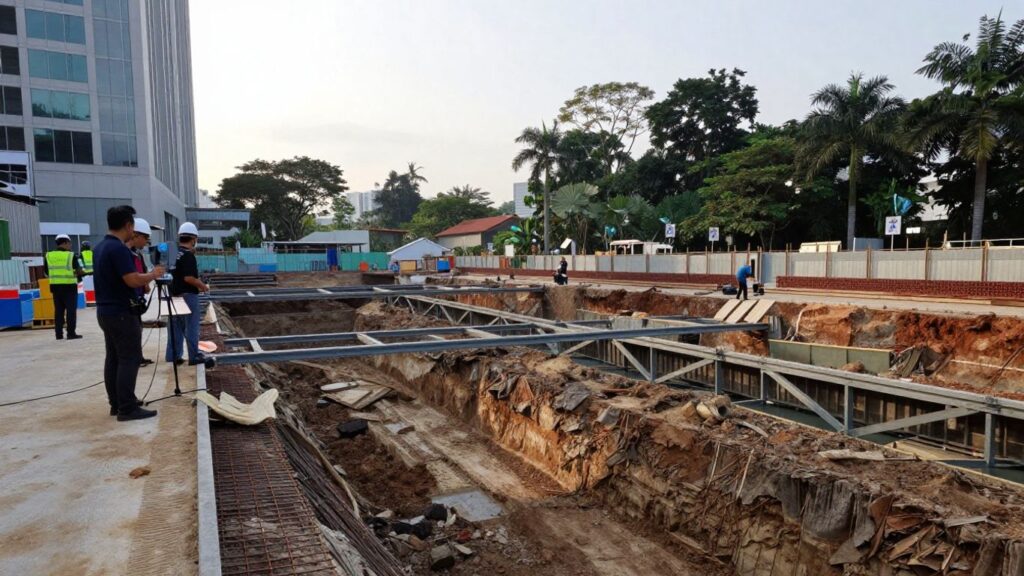
Key Takeaways Eurocode 7 provides the limit-state framework for Singapore ERSS, but a compliant design also depends on local ground conditions, construction stages, and movement control. ULS checks resistance against collapse, instability, hydraulic failure, and structural failure. SLS checks movements, settlement, deformation, and effects on neighbouring assets. Groundwater and soil variability must be reflected in […]
Designing ERSS for Kallang Formation: Navigating Marine Clay in Singapore Basements
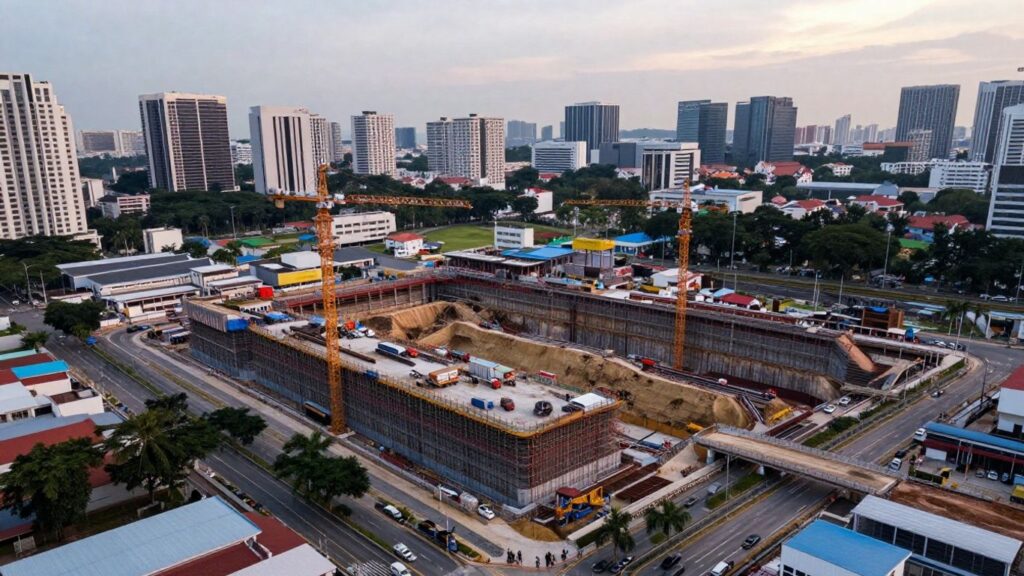
Key Takeaways Deep excavation in Kallang Formation demands a ground model that accounts for soft marine clay, variable fill, groundwater, and time-dependent movement. ERSS design is strongest when geotechnical and structural decisions remain coordinated from investigation through construction. Build the geological and groundwater model before selecting the ERSS. Treat excavation staging, support installation, and monitoring […]
Sheet Piles vs. Contiguous Bored Piles (CBP) vs. Secant Piles: Choosing the Right Temporary Wall Type
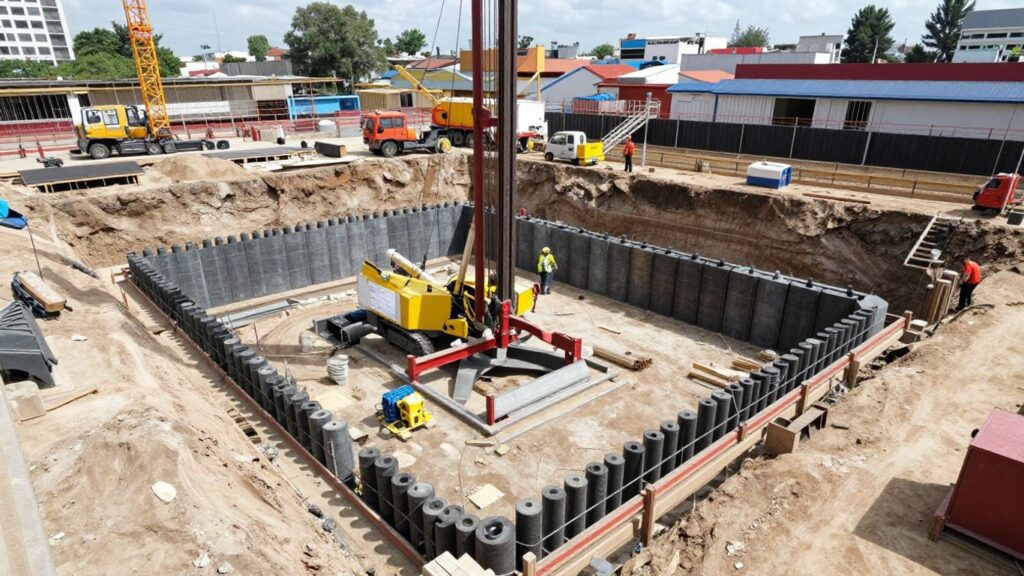
Key Takeaways Temporary excavation walls should be selected from the interaction of soil, groundwater, depth, neighboring assets, access, and construction sequence—not from wall type alone. Sheet piles can suit fast, reversible works where driving disturbance and water control are manageable. Contiguous bored piles provide reinforced concrete support but leave drainage gaps between piles. Secant piles […]
Temporary King Post and Strutting Systems: Structural Detailing for BCA Approval
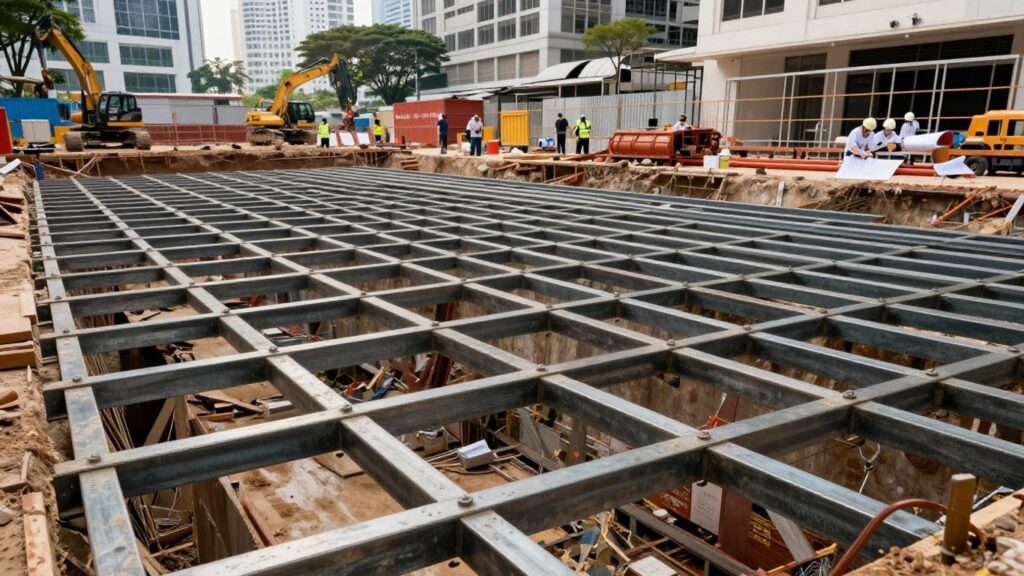
Key Takeaways A temporary king post and strutting system is only as reliable as its design basis, connections, construction sequence, and site control. BCA approval depends on a coordinated package that explains both the engineering and how the system will be built. Define the ground, loading, geometry, and construction stages before detailing steel. Check member […]
Temporary Ground Anchors vs. Strutting Systems: Selection Criteria and BCA Approval Constraints
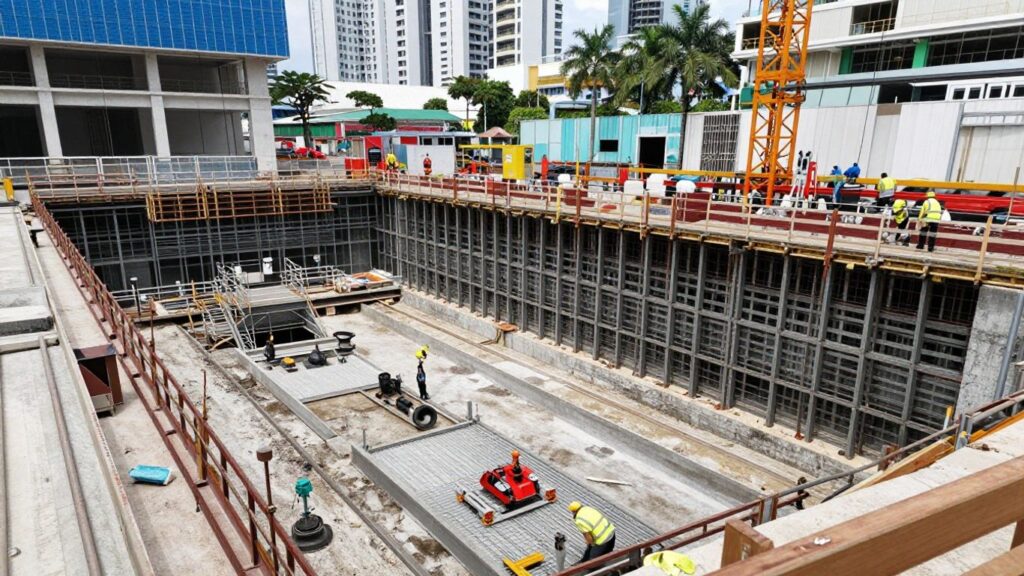
Key Takeaways Temporary excavation support should be selected from the ground model, movement limits, land rights, and construction sequence—not from price alone. The Technical Directors, C&S Consultants, Estimators must align the engineering, approval, and commercial decisions early. Anchors preserve internal excavation space but require suitable ground and legal rights beyond the site boundary. Strutting keeps […]
PLAXIS 2D/3D Best Practices for BCA ERSS Design Reports
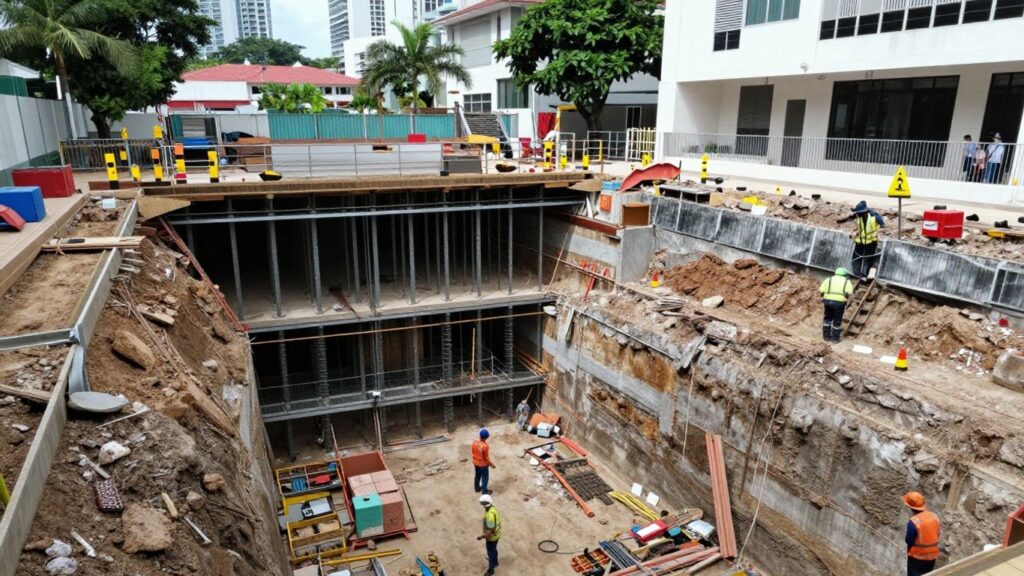
Key Takeaways A dependable BCA ERSS report is built on traceable assumptions, realistic staging, and clear interpretation of ground–structure interaction. Establish the design basis, project constraints, and submission responsibilities before modeling. Convert investigation data into a layered ground model with documented uncertainty. Select two-dimensional or three-dimensional analysis according to geometry, loading, and interaction effects. Simulate […]
Navigating the Multi-Agency Web: Coordinating ERSS Approvals with BCA, LTA, PUB, and NParks
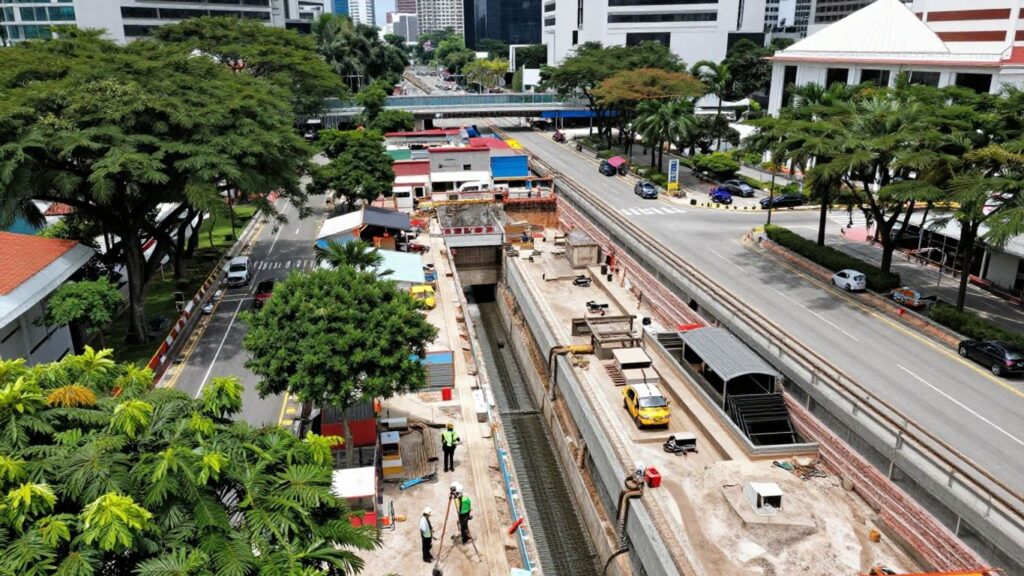
Key Takeaways ERSS approvals are easier to manage when technical design, authority interfaces, and construction controls are planned as one coordinated process. Confirm the approval landscape before fixing the design or excavation sequence. Establish one technical basis from investigations, utility records, and ground data. Separate BCA requirements from conditions imposed by LTA, PUB, and NParks. […]
The 1.5m Rule and Beyond: When Does Temporary Groundwork Require a Formal BCA ERSS Submission?
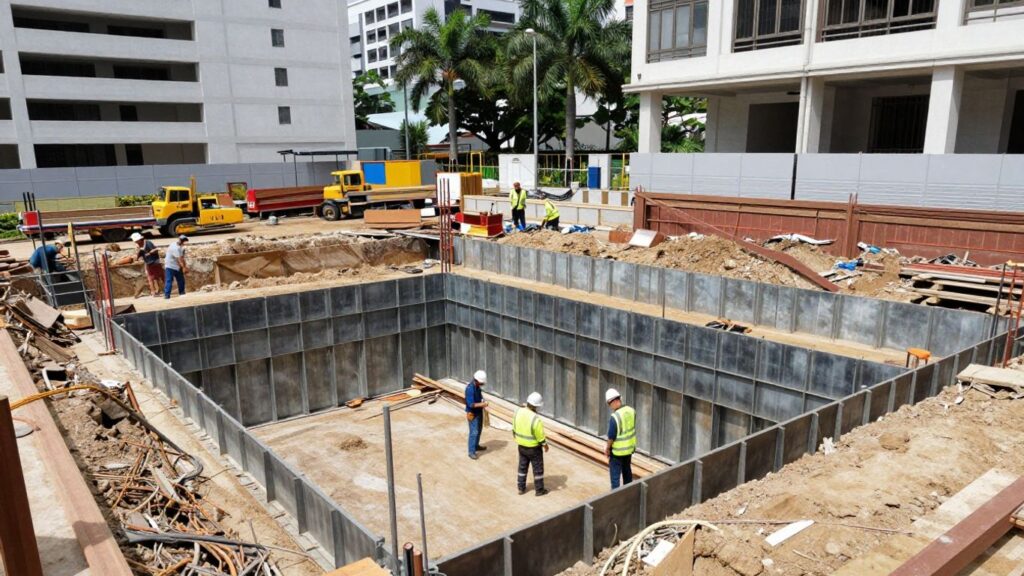
Key Takeaways The 1.5m threshold is a useful starting point, but it should not be treated as a blanket exemption. Temporary retention, ground conditions, neighbouring assets, and construction sequence can all affect whether formal engineering review is needed. Excavation depth is only one part of the ERSS assessment. A QP should confirm the applicable submission […]
QP(ST) vs. QP(Geo) vs. AC(Geo): Deciphering Roles and Responsibilities in Singapore ERSS
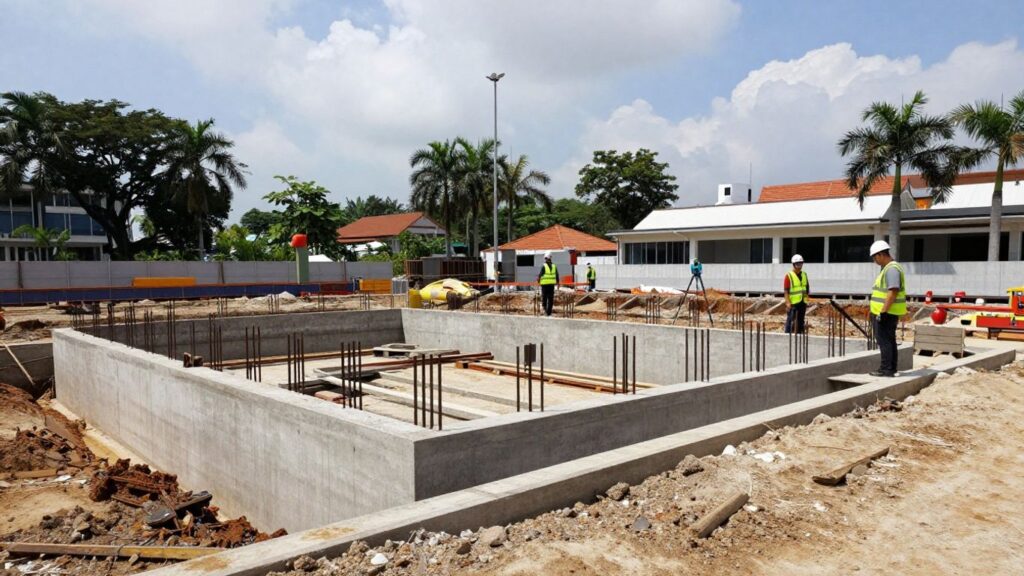
Key Takeaways ERSS projects depend on clearly separated professional duties and disciplined coordination. The distinctions matter most to Developers, Main Contractors, Foreign Engineering Firms entering Singapore. QP(ST) focuses on structural temporary works and their interfaces. QP(Geo) leads geotechnical assessment, analysis, and design decisions. AC(Geo) independently reviews geotechnical safety and design adequacy. Developers and contractors retain […]
CORENET-X Transition Guide: Submitting Temporary ERSS via Singapore’s OpenBIM Engine
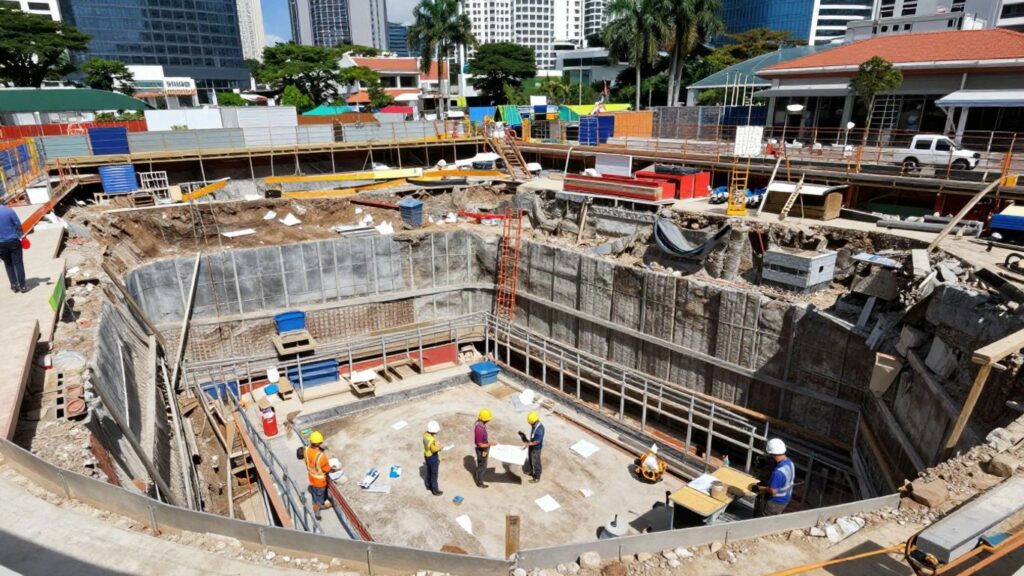
Key Takeaways Temporary ERSS submissions require more than a well-designed retaining system. They depend on clear professional accountability, coordinated OpenBIM information, disciplined quality checks, and reliable revision control from design through removal. Confirm the CORENET-X submission scope and transition requirements early. Define responsibilities among Qualified Persons (QPs), C&S Consultants, BIM Managers, and the wider project […]