
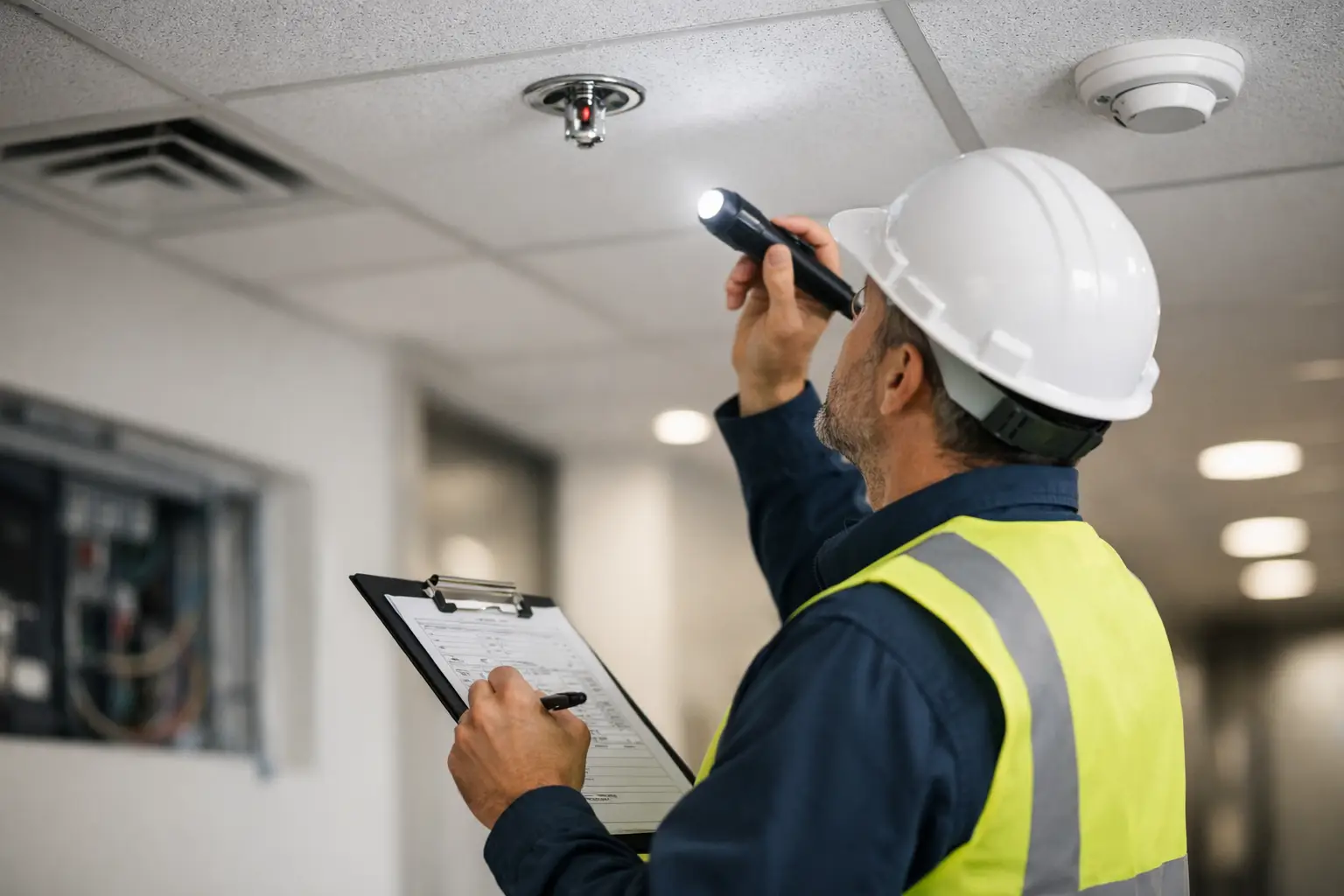
A cracked facade panel, water staining near slab edges, or loose concrete at a canopy does not stay a small issue for long. For owners and building managers, the real question is usually not whether a defect exists, but whether it creates a safety risk, triggers compliance action, or points to wider deterioration. That is where the question what is PFI inspection becomes practical rather than academic.
What is PFI inspection?
PFI inspection generally refers to a Periodic Facade Inspection. It is a structured inspection process used to assess the condition of a building facade, identify visible defects, evaluate potential hazards, and recommend corrective action where needed. In simple terms, it is a formal way to check whether the external envelope of a building remains safe and serviceable.
The facade includes more than just the outer wall finish. Depending on the building type and construction, it can cover cladding systems, curtain walls, windows, external features, sunshades, architectural projections, parapets, render, precast elements, and areas where deterioration could create falling-object risks. A proper inspection does not stop at noting surface defects. It also considers how defects relate to structural movement, corrosion, water ingress, material aging, poor past repairs, and maintenance history.
For owners, developers, and asset managers, the value of PFI inspection is clear. It helps detect defects before they become safety incidents, expensive emergency repairs, or regulatory problems.
Why PFI inspection matters
Facade defects are often underestimated because they are easy to normalize. Hairline cracking, rust marks, debonding finishes, sealant failure, and concrete spalling can look cosmetic at first. In reality, some of these conditions are early warnings of deeper problems.
A facade is exposed continuously to sun, rain, humidity, wind, temperature change, and movement between materials. Over time, sealants shrink, coatings fail, steel corrodes, joints open up, and concrete begins to break down. If those conditions affect elevated facade elements, the risk is not only deterioration of the building envelope but also danger to occupants, visitors, and the public below.
PFI inspection matters because it provides documented engineering review. That documentation is useful for maintenance planning, budgeting, rectification scoping, due diligence during a transaction, and demonstrating that the owner is managing safety responsibly. It also helps avoid a common problem in existing buildings – patching visible damage without addressing the reason it happened.
What a PFI inspection typically covers
The scope depends on the building type, age, access conditions, and applicable statutory requirements, but the inspection usually starts with a visual review of the facade from accessible vantage points. The inspector looks for distress, movement, deterioration, and signs of unsafe conditions.
Typical findings may include cracking in external walls, loose tiles or render, concrete delamination, rust staining from reinforcement corrosion, failed sealant joints, distorted cladding panels, water ingress paths, damaged canopies, deteriorated fixings, and displacement at facade features. Window surrounds, parapets, ledges, soffits, and architectural projections often deserve close attention because they are frequent defect zones.
Where visual signs suggest a more serious condition, the inspection may extend beyond observation. Depending on the need, this can include close-up access inspection, hammer tapping, non-destructive testing, drone-assisted review, targeted opening-up, or engineering assessment of affected elements. The right method depends on the defect. A stain under a window joint is not handled the same way as concrete spalling at a high-level beam edge.
A sound PFI process also reviews available records. Past repairs, construction details, maintenance logs, previous reports, and known leak history often help explain whether a defect is isolated or recurring.
What is the difference between a simple facade check and a PFI inspection?
This distinction matters. A routine maintenance walkthrough may identify obvious issues, but it is not the same as a formal PFI inspection. A proper inspection is more methodical, more defensible, and more useful for decision-making.
A simple check might result in a contractor saying that some sealant should be replaced or a few cracks should be patched. A PFI inspection is expected to consider defect severity, probable causes, risk level, required repairs, and whether further investigation is necessary. In many cases, the deliverable includes a written report, defect mapping, photographs, observations on urgency, and recommendations for rectification or monitoring.
That difference becomes especially important when safety, compliance, insurance, asset transfer, or tenant exposure is involved. If there is a dispute later, informal observations rarely carry the same weight as a documented engineering inspection.
Who needs a PFI inspection?
The most obvious parties are building owners and managers responsible for maintaining existing properties. But the need extends further. Buyers may want one before acquiring an older asset. Sellers may use one to understand liabilities before marketing a property. Developers and contractors may need facade assessment for buildings undergoing renovation, addition and alteration works, or repositioning. Industrial operators may require it where external deterioration could affect operations or public safety.
PFI inspection is especially relevant for aging buildings, properties with repeated water leakage complaints, buildings with visible facade defects, and assets with hard-to-access elevations that have not been reviewed closely for years. It is also a practical step where there has been ad hoc repair history without a coherent diagnosis.
For mixed-use, commercial, and institutional buildings, the inspection can support both risk management and budget planning. It is far easier to phase facade repairs in an organized way than to respond to a falling-fragment incident or urgent enforcement issue.
What happens after the inspection?
The inspection itself is only part of the process. The useful output is what comes next: engineering interpretation and a realistic action plan.
Some buildings require only routine maintenance and periodic monitoring. Others need immediate make-safe measures, temporary protection, targeted repairs, or more intrusive investigation. In more serious cases, the facade defects may point to broader structural concerns, detailing problems, water management failures, or long-term neglect.
A well-prepared report should help the owner answer four practical questions. What defects exist? How serious are they? Why are they happening? What should be done next, and in what priority?
That last point is where many inspections either add value or fall short. Owners do not just need a list of problems. They need a path forward that aligns with safety, regulatory expectations, tenant impact, access constraints, and budget.
What is PFI inspection in a compliance context?
In regulated building environments, facade inspection is not only about maintenance best practice. It may also form part of a statutory compliance framework, depending on the jurisdiction, building category, and age of the property. That means the inspection may need to follow prescribed processes, be carried out by qualified professionals, and lead to records or submissions that satisfy authority requirements.
This is why building owners should not treat PFI as a commodity service. The technical inspection and the compliance pathway are connected. If defects are found, the next steps may involve engineering design, repair detailing, method planning, authority coordination, or certification of rectification works.
For clients operating in regulated project environments, it helps to work with a consultant that understands both the inspection side and the submission, rectification, and approval side. That is particularly relevant when facade defects overlap with structural issues, renovation works, or other statutory approvals.
Common misunderstandings about PFI inspection
One common misconception is that if a facade looks acceptable from the ground, it is probably fine. That is not always true. Many high-level defects are not visible without close access, and some of the most serious hazards begin with subtle signs.
Another misunderstanding is that facade issues are mainly cosmetic. Sometimes they are. But in many buildings, cosmetic deterioration is the first visible sign of water ingress, corrosion, bond failure, or movement between adjoining materials.
There is also the assumption that all defects need immediate full-scale repair. Not necessarily. Some conditions can be monitored if the risk is low and the cause is understood. Others need urgent intervention. The right response depends on severity, exposure, occupancy, and the likelihood of progression.
Choosing the right consultant for PFI inspection
PFI inspection should be handled by professionals who can do more than identify surface symptoms. The right consultant should understand building pathology, facade systems, material behavior, defect mechanisms, access constraints, and the applicable compliance framework.
It also helps when the same team can support the next stages if defects are confirmed. That may include structural assessment, repair specifications, authority submissions, project management, contractor coordination, and completion review. Aman Engineering Consultancy operates in this integrated model because building defects rarely stay within one discipline.
When the inspection is thorough and the advice is practical, owners gain more than a report. They gain control over risk, cost, and timing. And that is usually the real reason people ask what is PFI inspection in the first place – they need clarity before a manageable facade issue turns into a much larger problem.
If you are looking at cracks, staining, loose finishes, or aging facade elements and wondering whether to act now or wait, the better move is usually to inspect early and decide with evidence.