
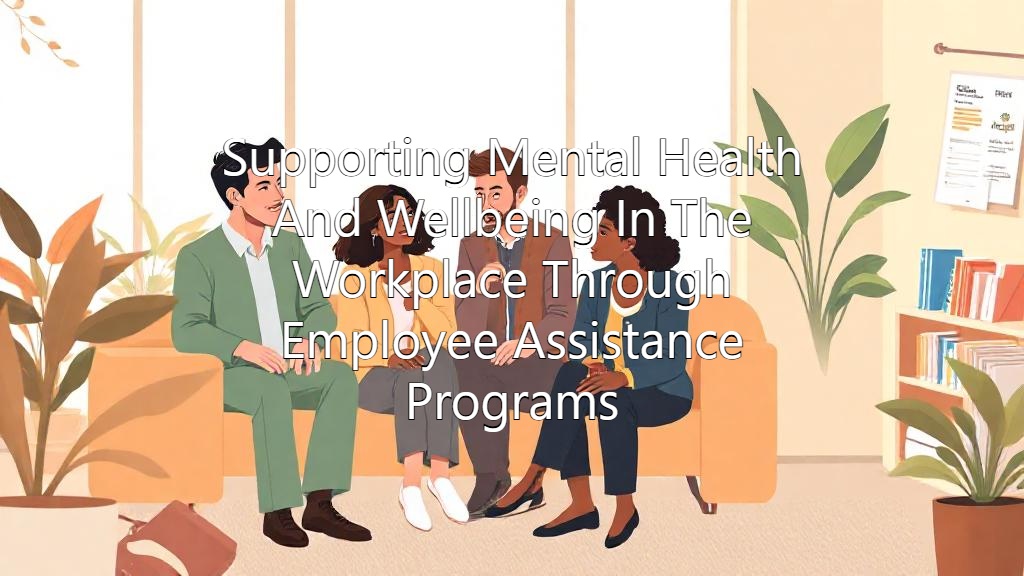
The mental health and well-being of employees are crucial for a company’s success.
A company cannot thrive without supporting the mental well-being of its employees.
With one in five adults experiencing mental illness each year, it is essential for companies to address this critical issue.
Implementing Employee Assistance Programs (EAPs) can provide a safety net for employees to cope with the pressures of modern work life.
EAPs can help boost productivity, job satisfaction, and overall well-being.
Creating Positive Workplace Mental Health Environments Through Proactive Employer Support
Fostering a positive workplace mental health environment is crucial for employee well-being and productivity.
This environment allows individuals to thrive and reach their full potential.
By prioritising mental health support, employers can create a culture of care and understanding.
This culture can lead to increased job satisfaction and reduced turnover rates.
- Proactive employer support is key to preventing mental health issues and promoting a culture of well-being.
- Early intervention can significantly reduce the risk of mental health problems escalating into more serious conditions.
- By normalizing mental health conversations, employers can help break the stigma surrounding mental illness and encourage employees to seek help when needed.
Understanding The Prevalence And Economic Impact Of Mental Illness On Employee Productivity

Mental illness can have a profound impact on employee productivity, leading to absenteeism, presenteeism, and turnover.
It is essential to understand that mental health issues are common and can affect anyone, regardless of their position or background.
By acknowledging the prevalence of mental illness and its economic implications, companies can begin to create a more supportive work environment.
Recognizing The Role Of Workplace Stressors In Exacerbating Employee Mental Health Issues
Workplace stressors can exacerbate employee mental health issues, leading to anxiety, depression, and burnout.
Employers can play a crucial role in mitigating the effects of workplace stressors by implementing stress-reduction initiatives.
These initiatives can include mindfulness programs, flexible work arrangements, and open communication channels.
By prioritising open communication and creating a safe and supportive work environment, employers can help reduce stigma around mental health and encourage employees to seek help when needed.
Implementing Effective Employee Assistance Programs To Address Mental Health Concerns
Implementing effective EAPs is crucial for addressing mental health concerns in the workplace.
EAPs provide a safety net for employees to cope with stress, anxiety, and other mental health issues.
A well-structured EAP can help identify early warning signs of mental health problems and provide timely interventions.
EAPs can also foster a culture of empathy, understanding, and support within the organisation.
Overcoming Barriers To Mental Health Support Including Stigma And Underutilization Of Services

Mental health support is essential for individuals to cope with their daily struggles, yet many face barriers that prevent them from seeking help.
The stigma surrounding mental health issues can be a significant deterrent, with many individuals fearing judgment or rejection from their community.
To address these issues, it is crucial to raise awareness and promote education about mental health.
Implementing strategies to increase accessibility and affordability of mental health services can help bridge the gap in support.
Developing Comprehensive Workplace Policies To Promote Mental Health And Wellbeing Initiatives
Fostering a supportive work environment is crucial for employee well-being.
- Implementing flexible work arrangements to reduce stress and increase productivity
- Creating a safe space for open discussions about mental health
- Providing access to employee assistance programs and counselling services
- Encouraging work-life balance through paid time off and vacation days
- Monitoring employee well-being through regular check-ins and surveys
Fostering A Supportive Work Culture Through Leadership Buy-In And Open Communication Channels
A supportive work culture is essential for employee satisfaction and productivity.
Leadership buy-in is crucial, as it sets the tone for the entire organisation.
Effective communication is key to resolving conflicts and improving collaboration.
A culture of trust and respect is essential, where everyone feels heard and valued.
Leveraging Technology And Innovation To Enhance Workplace Mental Health Support And Resources
Technology can be a powerful tool in promoting wellness and support in the workplace.
Many companies have successfully implemented technology-based mental health initiatives, such as online counselling platforms and mental wellness apps.
These initiatives have shown promising results in improving employee well-being.
Measuring The Success Of Workplace Mental Health Initiatives Through Outcomes Measurement And Evaluation
Measuring the success of workplace mental health initiatives is crucial through outcomes measurement and evaluation.
This involves tracking key performance indicators such as employee engagement, productivity, and retention rates.
By adopting a data-driven approach, organisations can identify areas of improvement and make informed decisions to optimise their mental health strategies.
Outcomes measurement and evaluation can help organisations demonstrate the return on investment of their mental health initiatives.
As we consider the intricate web of factors that influence workplace mental health, it becomes clear that Employee Assistance Programs (EAPs) are a vital thread.
EAPs weave together support, resources, and care for employees navigating life’s challenges.
The impact of these programs can be profound, fostering a culture of empathy, understanding, and inclusivity that benefits not just individuals, but the organisation as a whole.
Looking ahead, it’s essential to continue innovating and expanding EAPs to meet the evolving needs of the modern workforce.
By doing so, we can create a workplace where employees feel seen, heard, and supported, ultimately leading to a more resilient, productive, and thriving organisation.