
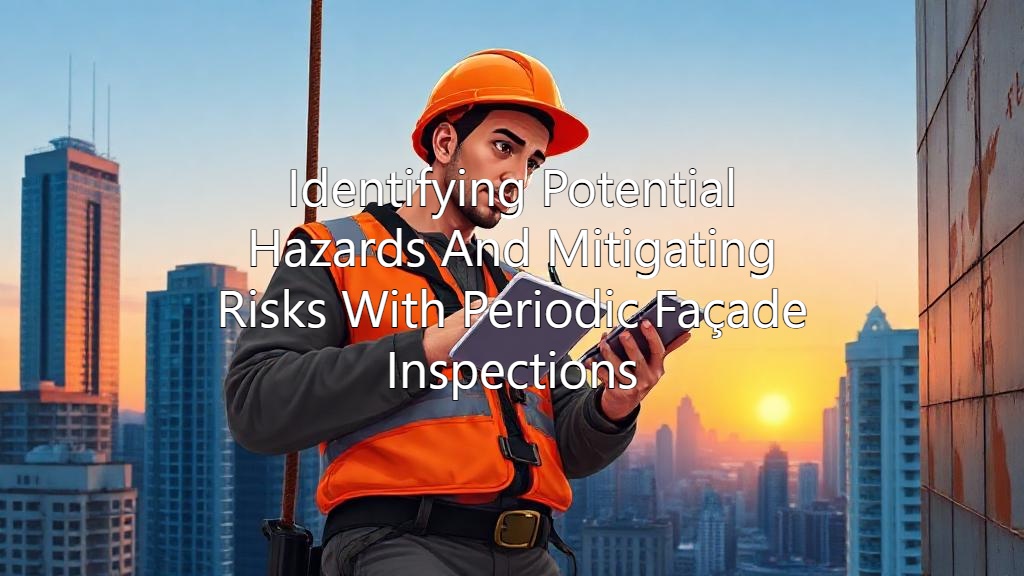
The façade of a building is like a shield, protecting the inhabitants from the outside world.
However, if this shield is breached, compromised by hidden cracks and weaknesses, the risks are staggering, with the American Society of Civil Engineers estimating that façade failures can result in losses of up to $100,000 per incident.
Regular façade inspections are crucial in identifying potential hazards and mitigating risks, ensuring the building’s “skin” remains intact and secure.
By conducting these inspections, building owners and managers can uncover issues before they become major problems.
Understanding the Importance of Regular Façade Inspections for Building Safety
Regular façade inspections are crucial for maintaining the structural integrity and aesthetic appeal of buildings, which can help prevent accidents and ensure the well-being of occupants and passersby.
The process involves a thorough examination of the building’s exterior, including walls, windows, and roofing, to identify any potential hazards or defects.
By doing so, building owners and managers can address issues before they become major problems, reducing the risk of damage and injury.
The consequences of neglecting façade inspections can be catastrophic, leading to devastating accidents that can result in loss of life and property.
Here are some key points to consider:
- Identifying potential hazards is essential to prevent accidents and ensure public safety.
- Regular inspections can help extend the lifespan of a building by detecting and addressing issues early on.
- Proactive maintenance is key to minimizing repair costs and reducing the risk of damage from natural disasters or other external factors.
Identifying Common Façade Hazards and Risks in High-Rise Buildings and Structures
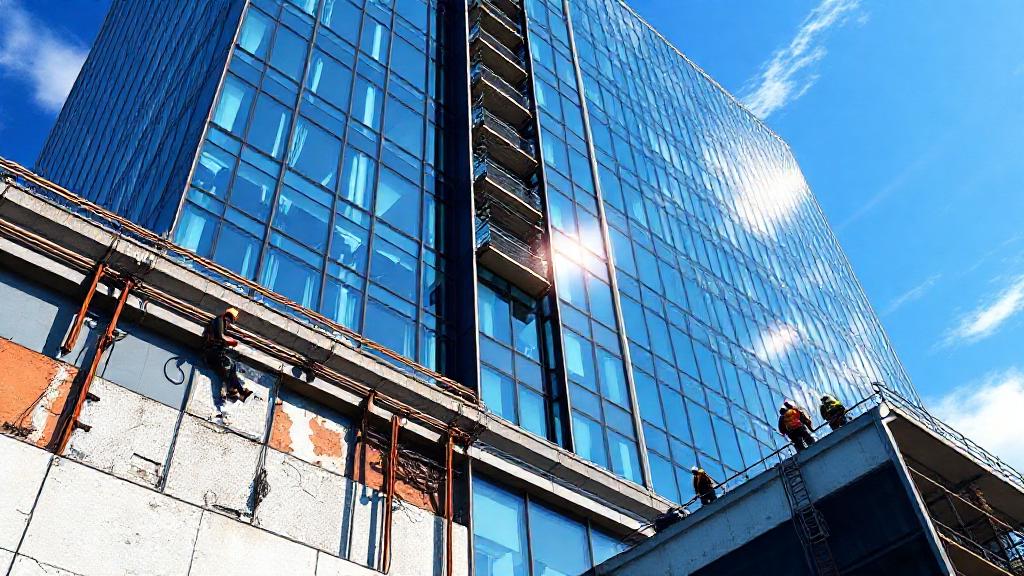
Imagine stepping out of a high-rise office building or returning to an apartment, only to notice cracks or defects on the façade that make one question the safety of the structure.
Concerns about potential hazards and risks start to arise, highlighting the need for regular inspections and maintenance.
Façade defects can lead to water infiltration, damage to the building’s foundation, or even catastrophic failures.
By being aware of these potential risks, building owners and managers can take proactive steps to address them and prevent accidents.
Conducting Thorough Visual Inspections of Exterior Cladding and Glazing Systems
A notable example of the importance of thorough visual inspections can be seen in the case of a building where faulty exterior cladding and glazing systems played a significant role in a tragedy.
The incident highlights the need for regular and meticulous inspections to identify potential hazards and ensure the safety of building occupants.
Proper inspection techniques involve a combination of ground-level and elevated inspections, using tools such as drones, cameras, and binoculars to examine the exterior cladding and glazing systems.
By conducting thorough visual inspections, building owners and managers can identify signs of wear, damage, or deterioration, and take corrective action to prevent further issues and ensure the overall integrity of the building’s exterior.
Utilising Advanced Technology for Façade Inspection and Condition Assessment
The use of advanced technology in façade inspection and condition assessment has revolutionised the way buildings are maintained and restored.
By leveraging innovative techniques such as drone-based imaging, 3D scanning, and artificial intelligence-powered analysis, architects and engineers can now inspect and assess façades with unprecedented levels of accuracy and detail.
These technologies enable the detection of even the smallest cracks and defects, allowing for proactive maintenance and repair, thereby preventing costly and potentially catastrophic failures.
Developing a Comprehensive Façade Maintenance Plan to Prevent Costly Repairs
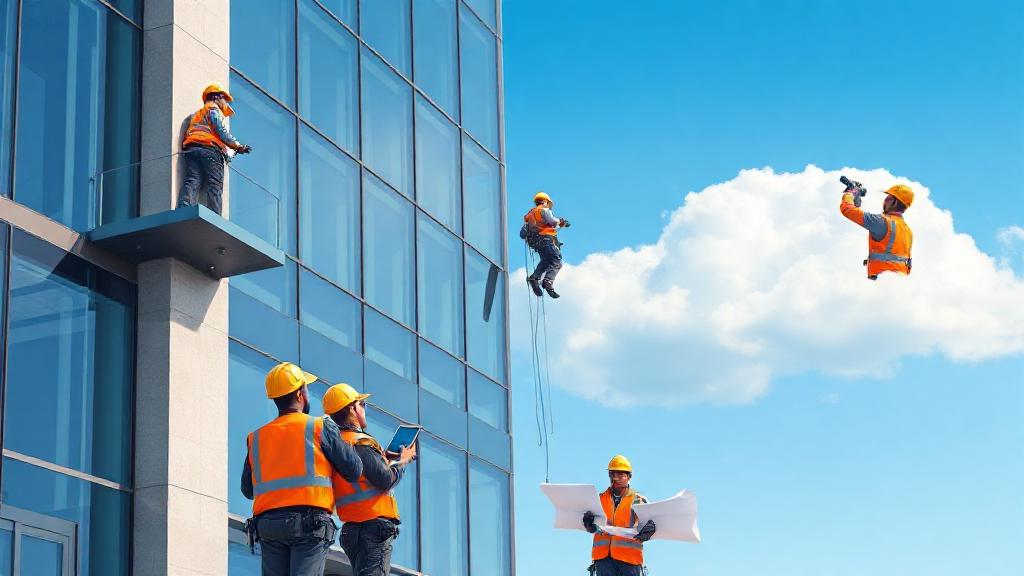
A well-planned façade maintenance strategy is crucial for building owners and managers to prevent costly repairs and ensure the longevity of their structures.
Regular inspections and maintenance can help identify potential issues before they become major problems, reducing the risk of damage and subsequent repairs.
By implementing a comprehensive façade maintenance plan, building owners can also improve the overall appearance and value of their property.
Creating a Façade Inspection Schedule to Ensure Compliance with Regulations
Regular building inspections are crucial for maintaining public safety.
- Conducting thorough risk assessments to identify potential hazards
- Developing a comprehensive inspection schedule with regular check-ups
- Implementing a system for tracking and recording inspection results
- Collaborating with stakeholders to ensure compliance with regulations
- Reviewing and updating the inspection schedule as needed
By following these steps, building owners can ensure their façade inspection schedule is up-to-date and compliant with regulations, helping to prevent accidents and maintain public trust.
Evaluating the Effectiveness of Façade Inspection and Testing Methods and Procedures
Façade inspection and testing are crucial for building safety.
A multitude of factors — including environmental conditions, material degradation, and structural integrity — can impact the effectiveness of these methods.
A thorough evaluation is necessary to ensure reliability.
Considering the complexity of modern building designs, a comprehensive approach to façade inspection and testing is essential.
Implementing Repair and Maintenance Strategies for Façade Components and Systems
Façade maintenance is not just about aesthetics, but also plays a critical role in ensuring the structural integrity and energy efficiency of a building.
Neglecting façade maintenance can lead to costly repairs and even safety hazards.
A well-maintained façade can significantly reduce energy consumption and improve occupant comfort.
This highlights the importance of proactive façade maintenance and repair strategies to prevent such issues and ensure the long-term performance and sustainability of a building.
Optimising Façade Performance and Reducing Liability with Proactive Inspection and Maintenance
As buildings age, their façades are exposed to various environmental factors, leading to potential deterioration and damage.
Regular inspection and maintenance can help identify and address potential issues before they become major problems.
Proactive measures such as implementing a façade inspection and maintenance program can minimise disruption to occupants and ensure compliance with regulatory requirements.
The benefits of proactive façade maintenance extend beyond the building itself, as it can also enhance the overall aesthetic appeal and value of the property.
Optimising façade performance is crucial for building safety and longevity.