
Key Takeaways
Transitioning older commercial properties to modern green standards is a complex, multi-disciplinary process that impacts long-term operational viability. This guide outlines the essential phases for achieving certification while adhering to international and local engineering benchmarks.
- Detailed site audits are required to assess structural integrity and system inefficiencies.
- Energy performance can be significantly improved through high-efficiency HVAC and lighting upgrades.
- Water conservation strategies reduce demand and satisfy stringent BCA requirements.
- Integrating real-time management software drives operational visibility and energy monitoring.
- Successful certification navigation depends on precise documentation and professional environmental consultation.
Understanding the BCA Green Mark framework for existing buildings
Decoding the Green Mark scoring system for building retrofits
The Green Mark framework provides a structured approach for owners to evaluate and improve their properties. By using high-performance green building certification systems, managers can benchmark their buildings against specific environmental criteria to increase asset value. The scoring system incentivizes owners to pursue measurable improvements in efficiency, ensuring that older assets remain relevant in a market that increasingly values sustainable operations.
Key performance indicators for energy and water efficiency
Benchmarking energy and water usage is the foundation for any successful retrofit. Tools like ENERGY STAR’s Portfolio Manager help building managers track consumption patterns accurately before and after upgrades, a practice often supported by firms like Aman Engineering Consultancy to verify performance gains. Identifying these indicators allows project teams to prioritize investments that yield the highest environmental return, ensuring that resource usage aligns with the ambitious targets set by the authority.
Environmental sustainability standards for aging commercial infrastructure
Applying modern standards to older buildings requires a careful balance between preserving existing fabric and introducing advanced technology. Owners often investigate methods for decarbonizing existing buildings to meet current climate goals, which necessitates a thorough review of existing mechanical and electrical infrastructure. This process ensures that improvements are not only technologically sound but also compliant with the established safety and performance codes necessary for public urban environments.
Conducting a comprehensive building audit and feasibility study
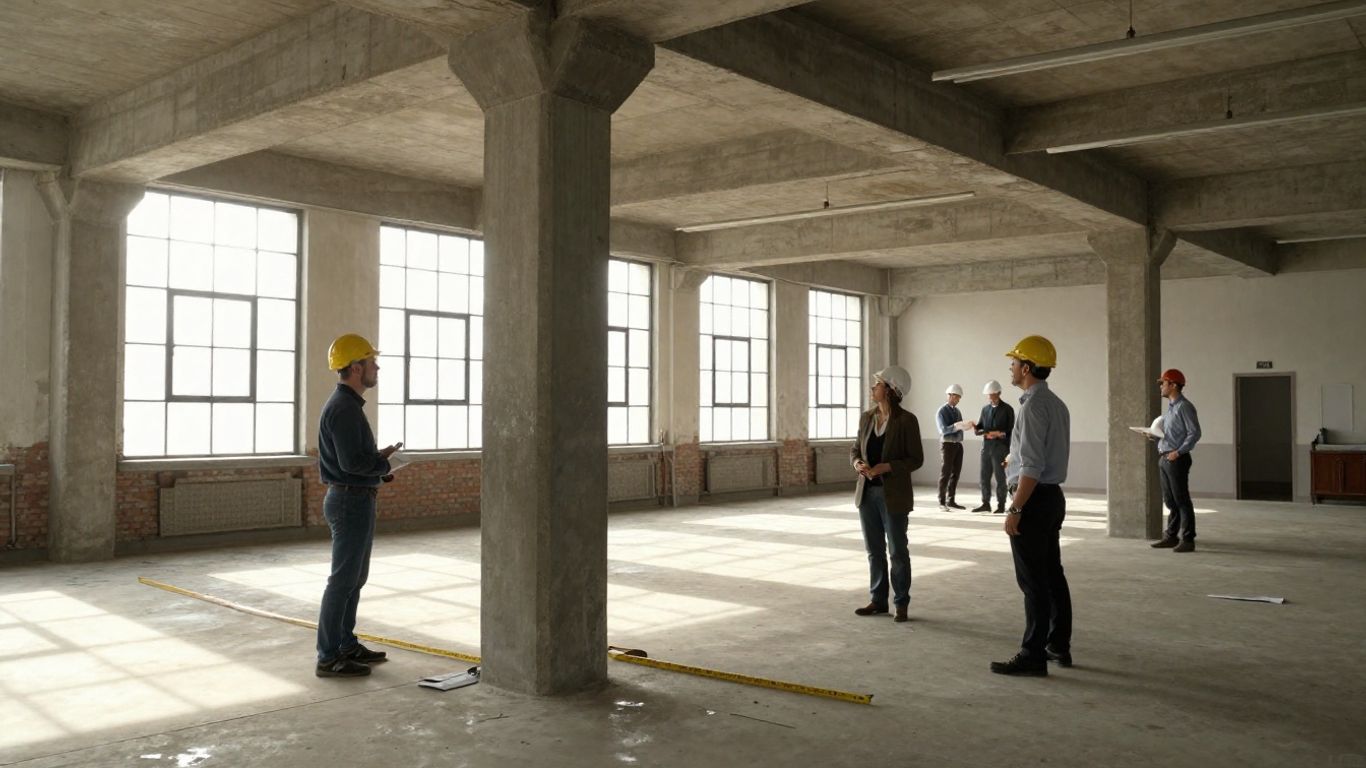
Identifying structural constraints in older building designs
Conducting a site assessment to document existing conditions is the first step in planning a successful retrofit. Professional teams categorize essential items during this audit to ensure no element is overlooked during the design phase:
- Identification of load-bearing walls and key structural elements.
- Mapping of existing utility connections and supply routes.
- Status verification of facade seals and damp-proofing materials.
- Assessment of available space for new mechanical system installations.
Mapping existing mechanical and electrical system inefficiencies
Once the structure is surveyed, the focus shifts to the building’s hidden technical systems. Inefficiencies in HVAC distribution or outdated wiring often lead to excessive energy consumption that can be resolved through targeted replacements. Aman Engineering Consultancy specializes in identifying these specific points of failure, enabling project owners to replace obsolete equipment with systems capable of meeting contemporary efficiency standards.
Evaluating the cost-benefit analysis of sustainable upgrades
Finalizing the feasibility study involves weighing the costs of renovation against projected long-term utility savings. Owners must calculate the return on investment for each proposed improvement to ensure the project remains financially viable. When owners Achieve ENERGY STAR NextGen Certification for your U.S. commercial or multifamily building. or similar frameworks, they should treat the audit as the primary evidence for regulatory verification and capital planning.
Implementing energy efficiency retrofits for optimal performance
Upgrading HVAC systems with high-efficiency chillers
Modern chillers represent one of the most effective ways to lower operational costs in tropical climates. Replacing aging units allows building managers to ensure optimal building performance while significantly reducing electricity loads during peak hours of operation.
| Retrofit Component | Base Efficiency | Target Efficiency | Expected Savings |
|---|---|---|---|
| Chiller Units | 0.8 kW/RT | 0.55 kW/RT | 30% |
| Cooling Towers | Standard Fan | VFD Controlled | 15% |
| Pump Systems | Fixed Speed | Variable Speed | 20% |
Transitioning to smart LED lighting and occupancy controls
Lighting systems offer immediate opportunities for energy reduction when transitioned to LED technology. Sensors that detect occupant presence or natural light levels ensure that electricity is only consumed when necessary, preventing unnecessary waste in common areas or vacant office floors.
Integrating centralized building management systems for real-time tracking
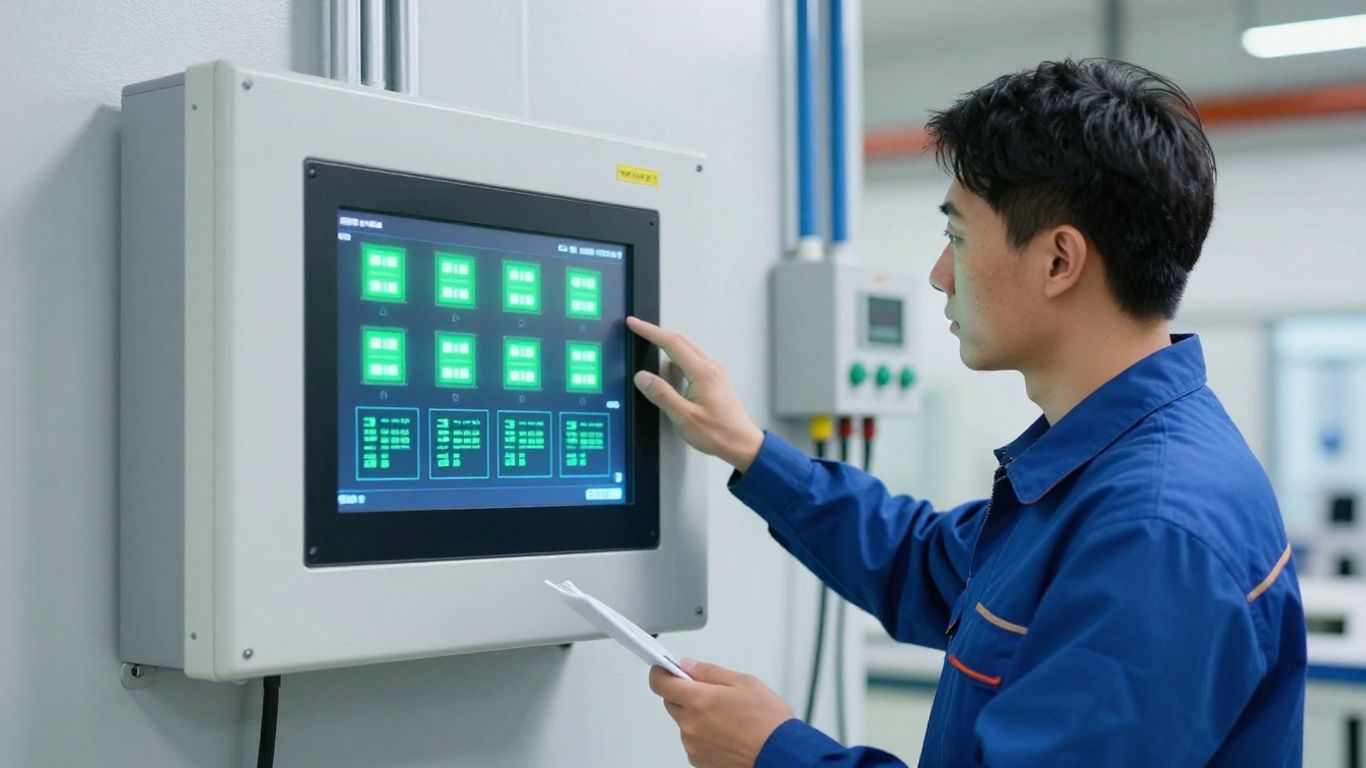
Centralized management systems allow for the continuous monitoring of all major building subsystems. By collecting data in real-time, maintenance teams can identify performance dips immediately, preventing long-term systemic failures and maintaining the building’s certification status over time.
Enhancing water conservation and indoor environmental quality
Installing smart water-efficient fixtures and leak detection protocols
Water management is as vital as energy control in modern facility maintenance. Automated systems that monitor pipe pressure and water distribution help prevent significant wastage, with professional consultants ensuring that all new fixtures meet regional water consumption efficiency regulations.
Improving indoor air quality through enhanced filtration and ventilation
Air quality is a critical factor for tenant health in busy commercial environments. Enhancing filtration systems and optimizing the fresh air intake rate help create a healthier, more productive workspace. Proper ventilation management reduces the concentration of pollutants, which is a major component of the indoor environmental quality score in the certification process.
Maximizing natural daylight and occupant-focused thermal comfort
Architectural adjustments that encourage daylight penetration can reduce the need for artificial lighting and improve occupant psychological well-being. Balancing this access with shading prevents excessive heat gain, which Aman Engineering Consultancy addresses by reviewing glazing types and interior layouts to optimize thermal comfort for all building occupants.
Applying sustainable design strategies for external building renovations
Installing cool roof technologies and high-performance shading devices
Cool roof materials reflect solar radiation, significantly lowering the heat absorption of the building envelope. Coupled with high-performance shading devices, these external modifications drastically reduce the cooling load on the HVAC system, making the building structure more resilient to tropical weather.
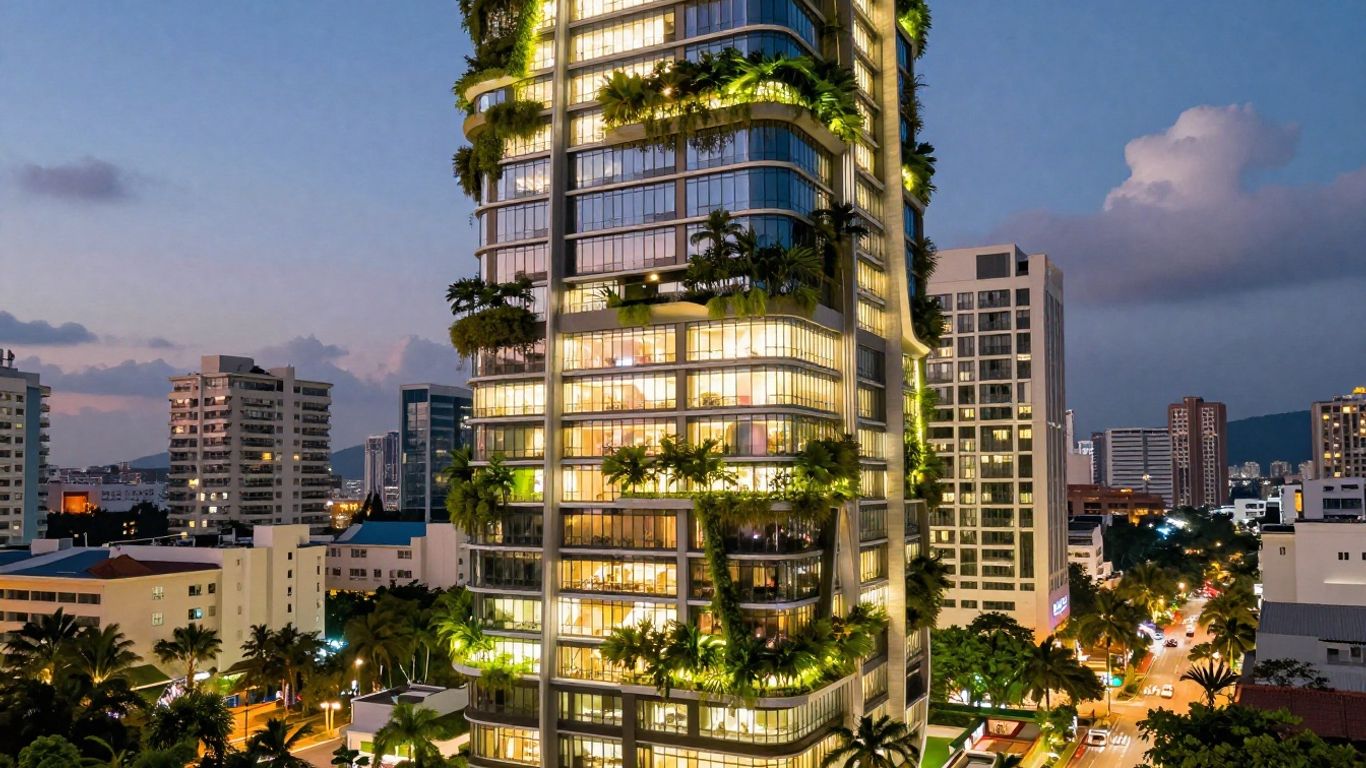
Integrating vertical greenery and external landscaping to reduce heat island effects
Adding vegetation to building facades or rooftops provides natural insulation and aids in urban cooling. This greenery, while visually appealing, performs a critical function by reducing the ambient temperature around the building, which helps decrease the energy required to maintain indoor conditions.
Selecting sustainable materials for structural and facade revitalization
Revitalization efforts should prioritize materials that possess low embodied carbon and high durability. By selecting recycled aggregates and resilient facade coatings, owners ensure that their structural upgrades support a circular economy and align with long-term sustainability requirements.
Navigating the BCA submission process and documentation requirements
Preparing technical sustainability reports and energy modeling data
Accurate data representation is crucial for official BCA submissions. Sustainability reports must feature thorough energy modeling that predicts the efficiency gains expected from the proposed retrofits, a task that requires careful technical coordination according to international standards.
Coordinating with accredited environmental consultants and qualified persons
Submitting plans to the authority often requires professional endorsement. Engaging experts who understand the intersection of local regulations and global codes is essential for smooth project approvals. These specialists help manage the complexity of the filing process, reducing the risk of rejection or extended review timelines.
Managing the verification protocols and post-upgrade site inspections
Once the project is complete, post-upgrade inspections confirm that the building functions as designed. Verification protocols involve rigorous testing of onsite systems, ensuring that energy and water consumption targets set during the early planning stages are actually met in practice.
Conclusion
Upgrading an older commercial property to comply with modern sustainable standards is a rewarding investment in asset longevity and operational efficiency. By carefully following the steps outlined in this guide, from initial site investigations and energy-focused retrofits to thorough regulatory documentation, building owners can successfully secure a higher environmental status. This professional journey not only enhances building sustainability but also strengthens its competitiveness in a market that prioritizes long-term resource responsibility.
Frequently Asked Questions
What is the most important step before starting a green building retrofit?
The most critical initial step is conducting a professional audit and feasibility study, which identifies current building energy use and highlights structural constraints that could impact the retrofit strategy.
How does building certification affect property value?
Certified buildings often attract better-quality tenants and command higher rents, while simultaneously reducing operational expenses through lower utility costs and improved resource efficiency.
Are there specific materials required for sustainable facade revitalization?
There is no single required material, but guidelines emphasize the use of high-reflectance coatings, materials with low climate-warming potential, and durable, long-lasting options that reduce the frequency of future repairs.
How long does the BCA submission process usually take?
Timeline durations depend on the project complexity and the scope of work, but providing complete, well-documented reports and following all submission protocols significantly improves the likelihood of a faster review.
Is it possible to upgrade a building while it is still occupied?
Yes, many retrofits can be phased to occur during off-peak hours or in dedicated sections, though this approach requires careful planning and coordination to minimize disturbances to daily business operations.
Does Green Mark certification expire?
Certification levels are periodically reviewed or require re-certification to ensure that systems remain efficient and that the building continues to meet current performance benchmarks.
Can existing buildings reach net-zero energy status?
While challenging, extensive retrofits, advanced smart systems, and onsite renewable energy generation can enable major progress toward net-zero status for existing commercial infrastructure.