
As the skeletal framework of a building, formwork is the temporary structure that shapes the permanent one, much like a master mold casts a work of art – except in this case, the art is a skyscraper or a bridge.
But have you ever wondered what happens when the mold is flawed, and the artwork is a 50-story building?
In Singapore, where construction projects are a norm, the risk of formwork failure is a pressing concern, with the Building and Construction Authority (BCA) reporting that formwork-related accidents account for a significant proportion of workplace injuries.
To mitigate such risks, the Certificate of Supervision (COS) system plays a crucial role, with not one, but two COS certificates being essential for ensuring the structural integrity of formwork designs.
By implementing this dual certification system, builders can guarantee that their formwork structures are safe, sturdy, and capable of withstanding the forces of nature and construction stresses.
Formwork Structural Design Checks for Ensuring Construction Safety and Compliance
Proper formwork structural design checks are crucial in the construction industry as they help ensure the safety of workers and compliance with building regulations.
The process involves verifying the formwork’s ability to withstand various loads and stresses, thereby preventing potential collapses or accidents.
By conducting thorough design checks, construction teams can identify and address potential weaknesses in the formwork structure.
The integrity of a building’s foundation can be compromised in an instant if formwork design checks are neglected or inadequately performed.
- Inadequate formwork design can lead to catastrophic failures, resulting in loss of life and property.
- Regular inspections and maintenance of formwork structures are essential to prevent accidents and ensure compliance with safety standards.
- Implementing robust quality control measures can help construction teams identify and mitigate potential risks associated with formwork design checks.
Importance of Certificate of Supervision System in Formwork Construction Projects
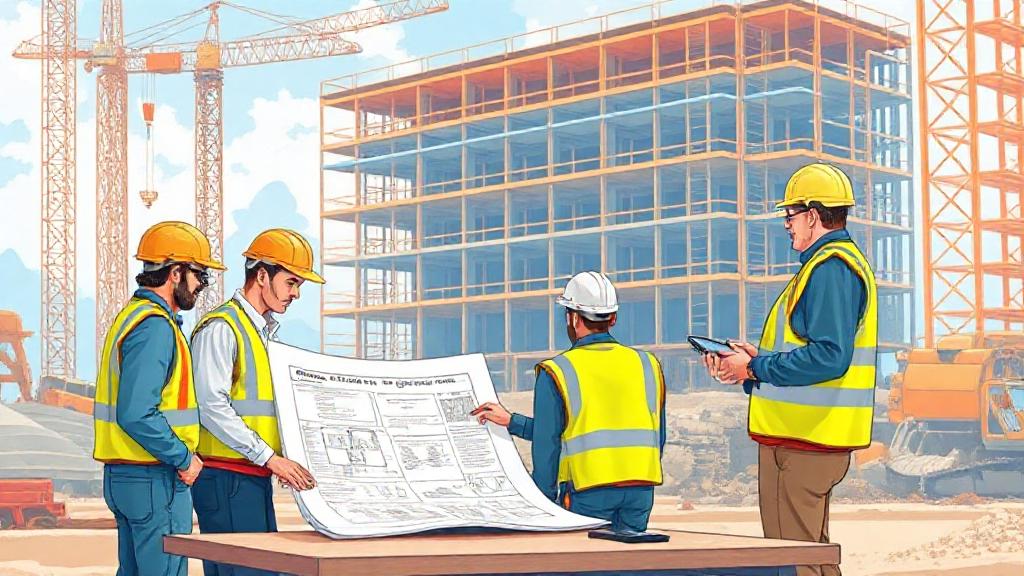
A Certificate of Supervision system is a crucial component of formwork construction projects, as it provides a formal record of the supervision and inspection process, giving confidence in the structural integrity of the build.
This system helps to identify potential risks and defects, allowing for corrective action to be taken before they become major issues.
By implementing a Certificate of Supervision system, construction projects can ensure that they meet the required safety and quality standards.
Understanding Load Limits and Back-Propping Requirements for Safe Formwork
The load limits of formwork are determined by the weight of the concrete, as well as any additional loads such as equipment and personnel.
Ensuring that these limits are not exceeded is crucial to preventing formwork collapse and ensuring a safe working environment.
Back-propping requirements are also essential for safe formwork, as they provide additional support to the formwork and help to distribute the weight of the concrete more evenly.
By understanding and adhering to these requirements, construction sites can minimize the risk of formwork collapse and ensure a successful construction project.
Design Documentation and Drawings for Formwork Systems and Their Significance
Design documentation and drawings for formwork systems are the backbone of construction projects, providing a detailed roadmap for the creation of complex structures.
These drawings and documents serve as a communication tool between architects, engineers, and contractors, ensuring that everyone involved in the project is on the same page.
The significance of accurate and comprehensive design documentation cannot be overstated, as it helps to prevent errors, reduces costs, and ensures that the final product meets the required safety and quality standards.
The use of building information modeling (BIM) and other digital technologies is also becoming increasingly popular, enabling the creation of detailed, data-rich models of formwork systems and facilitating collaboration and communication among stakeholders.
The Role of Principal Contractors in Ensuring Safe Formwork Activities and Practices
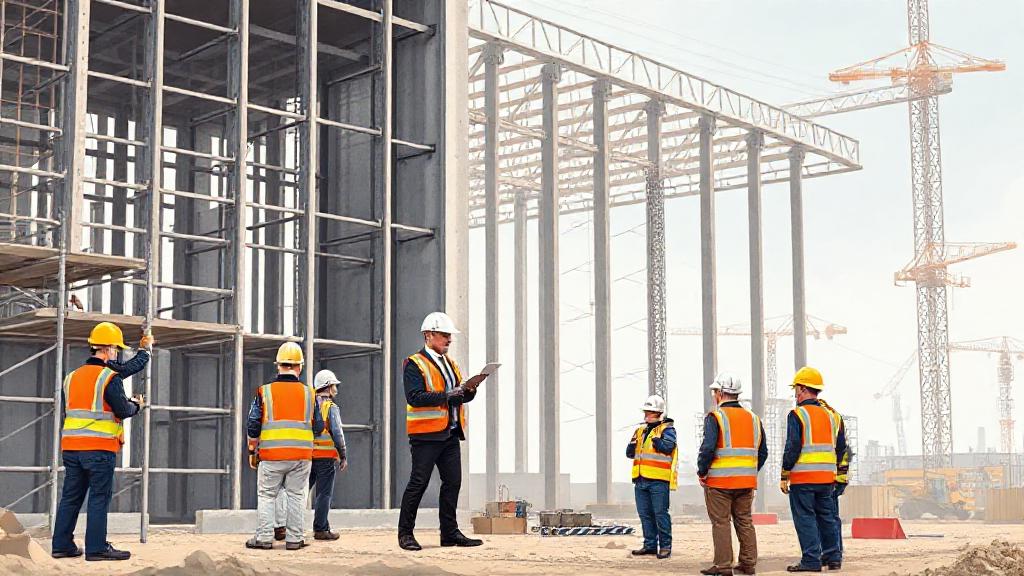
The role of principal contractors in ensuring safe formwork activities and practices is crucial in the construction industry.
As the overall in-charge of a construction project, principal contractors are responsible for ensuring that all subcontractors and workers adhere to safety protocols and guidelines.
This includes providing proper training and equipment to workers, conducting regular safety inspections, and implementing emergency response plans.
By doing so, principal contractors can minimize the risk of accidents and ensure a safe working environment for everyone involved.
Fall Prevention Measures and Access Control in Formwork Construction Sites
Implementing safety protocols is crucial in construction sites to prevent accidents and ensure a smooth operation.
- Conduct regular inspections of formwork structures to identify potential hazards and weaknesses
- Install safety nets and guardrails to prevent falls from heights
- Monitor worker training and certification to ensure competence in formwork construction
- Enforce strict access control measures, including restricted zones and authorized personnel only
- Maintain proper housekeeping and cleanliness to prevent tripping and slipping hazards
- Develop emergency response plans in case of accidents or near-misses
By prioritizing these measures, construction sites can significantly reduce the risk of falls and ensure a safer working environment, ultimately saving lives and reducing costs.
Certification and Inspection of Formwork by Structural Engineers Before Concrete Pour
Formwork inspection is crucial — ensuring the structure’s integrity and safety.
Certification by structural engineers provides a guarantee of compliance with building codes and regulations: a necessary step before concrete pour.
A thorough inspection involves checking the formwork’s material, design, and construction — verifying that it can withstand the concrete’s weight and pressure.
The role of structural engineers in this process is vital: they bring their expertise and knowledge to ensure that the formwork meets the required standards.
Common Formwork Design and Construction Mistakes to Avoid for Safety
Contrary to popular belief, formwork design and construction mistakes are not just minor oversights, but rather a significant threat to the structural integrity and safety of buildings.
However, a closer look at the construction industry reveals that well-designed and properly constructed formwork can actually prevent accidents and ensure the safety of workers and building occupants.
The use of prefabricated formwork systems can improve construction efficiency and reduce the risk of errors.
“The use of inappropriate or inadequate formwork can lead to a range of problems, including structural failures, delays, and cost overruns, with some studies suggesting that formwork-related errors can increase construction costs by up to 20%”
Best Practices for Maintaining Formwork Structural Integrity and Compliance Standards
Maintaining the structural integrity of formwork is crucial to ensuring the safety and quality of construction projects, and this requires a thorough understanding of the relevant compliance standards and regulations.
Effective formwork maintenance involves regular inspections, rigorous testing, and a proactive approach to identifying and addressing potential issues before they become major problems.
By prioritizing formwork structural integrity and compliance, construction professionals can minimize risks, reduce costs, and ensure the successful completion of their projects.
The key to successful formwork maintenance is proactive planning and regular inspection.
A well-maintained formwork system is essential to ensuring the structural integrity and safety of construction projects, and its importance cannot be overstated.
As the construction industry continues to evolve, the significance of meticulous formwork structural design checks cannot be overstated, particularly in conjunction with the Certificate of Supervision System.
The interplay between these two elements serves as the backbone of ensuring structural integrity and safety in buildings, much like the carefully crafted formwork that molds the concrete into the desired shape.
With the Certificate of Supervision System in place, certifying that formwork has been properly erected and maintained, we can envision a future where structures stand the test of time, a testament to human ingenuity and the pursuit of excellence in construction.
Ultimately, the synergy between rigorous formwork design checks and the Certificate of Supervision System paints a vivid picture of a construction landscape where safety, durability, and precision converge, fostering an environment where the built environment not only meets but exceeds our expectations.
The importance of these elements will only continue to grow, leaving an indelible mark on the world of construction.