
PE Endorsement for Rooftop Solar PV on Factories in Singapore: When Is It Legally Required?
Introduction
PE endorsement for rooftop solar PV on factories in Singapore is legally required whenever the installation constitutes “building works” under the Building Control Act – which includes any structural alteration, addition of permanent loads to the roof structure, or modification of fire safety provisions. Because most commercial solar installations on industrial buildings involve penetrative or ballasted mounting systems, new structural elements, and authority submissions to BCA, SCDF, or JTC, the vast majority of factory rooftop solar projects will legally require a professional engineer to certify the design.
This article focuses specifically on grid-connected rooftop solar PV systems on existing and new industrial buildings in Singapore – B1 and B2 factories, warehouses, and JTC-leased premises. It does not cover landed residential properties, ground-mount solar farms, floating solar, or small off-grid systems. The target readers are factory owners, facility managers, EPC solar contractors, and industrial landlords planning a rooftop solar project and needing clarity on when PE endorsement crosses from “good practice” into legal obligation.
A structural assessment is mandatory for commercial solar installations. Solar panels add approximately 12–15 kg per square metre of dead load, and when combined with mounting hardware, walkways, cable trays, and wind uplift forces, the cumulative impact on an industrial roof is significant enough to trigger regulatory review in nearly every scenario.
After reading this article, you will understand:
- The specific legal triggers that make PE endorsement mandatory for factory rooftop PV
- Which Singapore authorities are involved and what each requires
- Typical scenarios where endorsement is required versus cases that may be exempt
- The practical process, documents, and timelines for obtaining PE endorsement
- How AMAN Engineering Consultancy supports industrial solar compliance end-to-end
Understanding PE Endorsement and Rooftop Solar on Industrial Buildings
Before mapping out the legal triggers, it helps to understand exactly what PE endorsement means in Singapore’s regulatory context, what qualifies as rooftop solar PV on a factory, and why industrial buildings face stricter scrutiny than offices or residential properties. These foundational concepts determine when – and why – a licensed professional engineer must be involved.
What Is PE Endorsement Under Singapore Law?
A PE endorsement is the formal certification by a Professional Engineer registered with the Professional Engineers Board Singapore, holding a valid practising certificate, that a design complies with applicable structural codes, safety standards, and regulatory requirements. For rooftop solar on factories, the endorsing PE is typically a PE (Civil/Structural) who serves as – or works alongside – the qualified person (QP) for structural works under the Building Control Act.
Under the Building Control Regulations, whenever building works may affect structural stability, the structural plans and design calculations must be signed by the QP and, for larger or higher-risk projects, reviewed by an Accredited Checker. The first and last sheets of all submissions must bear standard certifications by the QP for structural works.
For factory solar PV installations, the endorsement is typically by a PE (Civil/Structural) for roof and load-bearing aspects, sometimes coordinated with a PE (Mechanical/Electrical) for plantroom enclosures and a Fire Safety Engineer for SCDF submissions. The PE takes professional and legal liability for the endorsed design – which is precisely why building owners, lenders, insurers, and regulators insist on it.
What Counts as Rooftop Solar PV on Factories in Singapore?
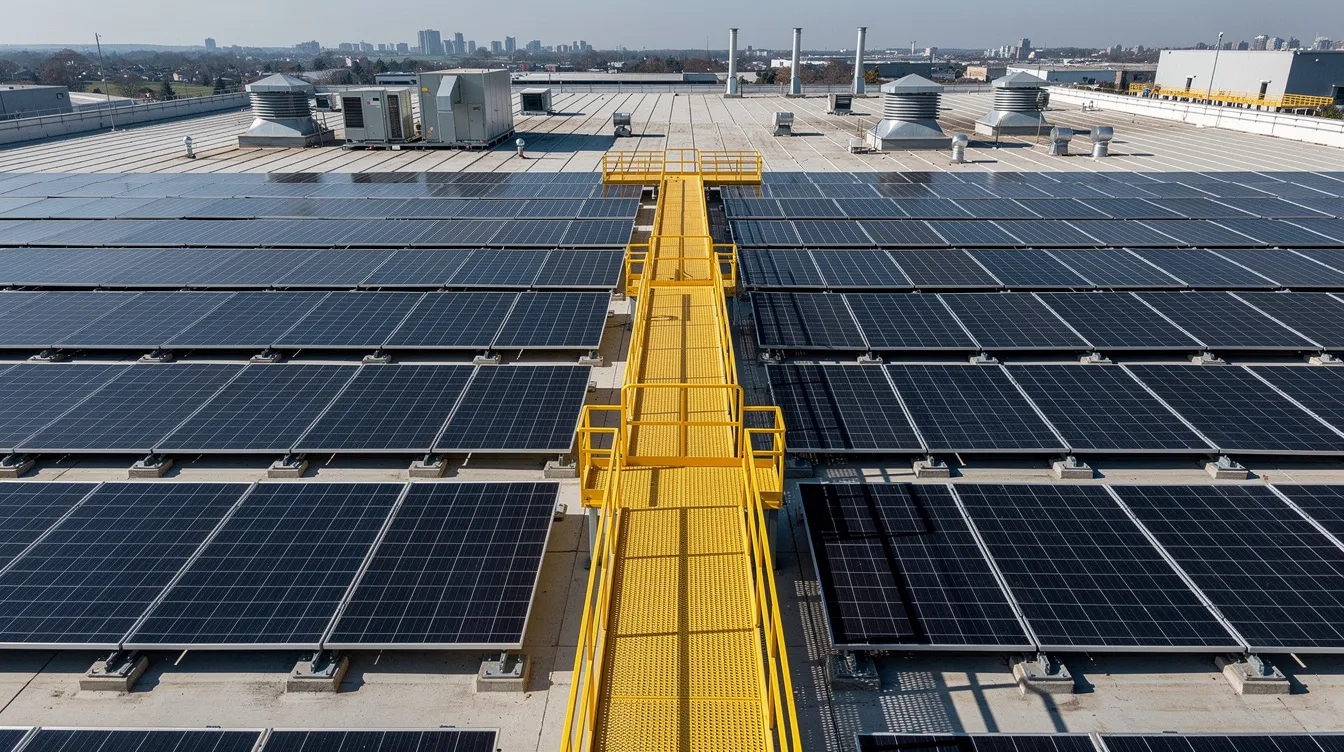
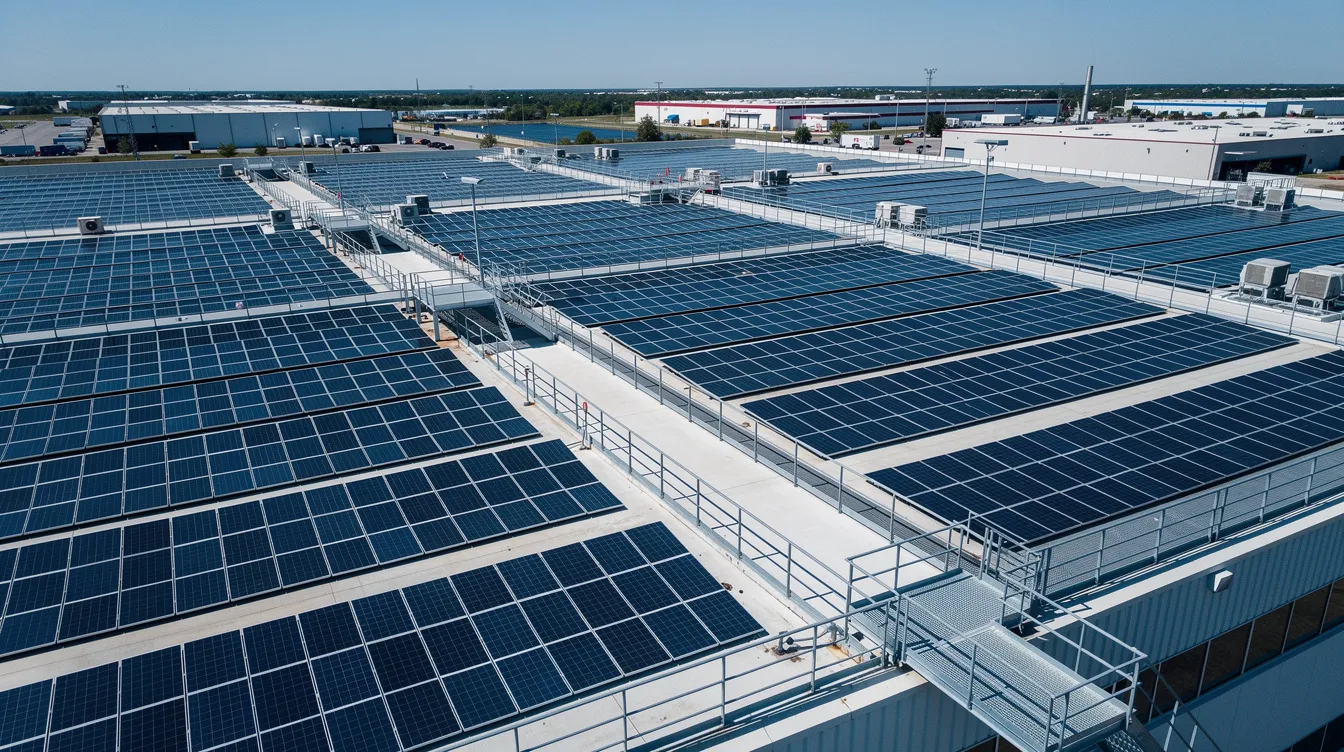
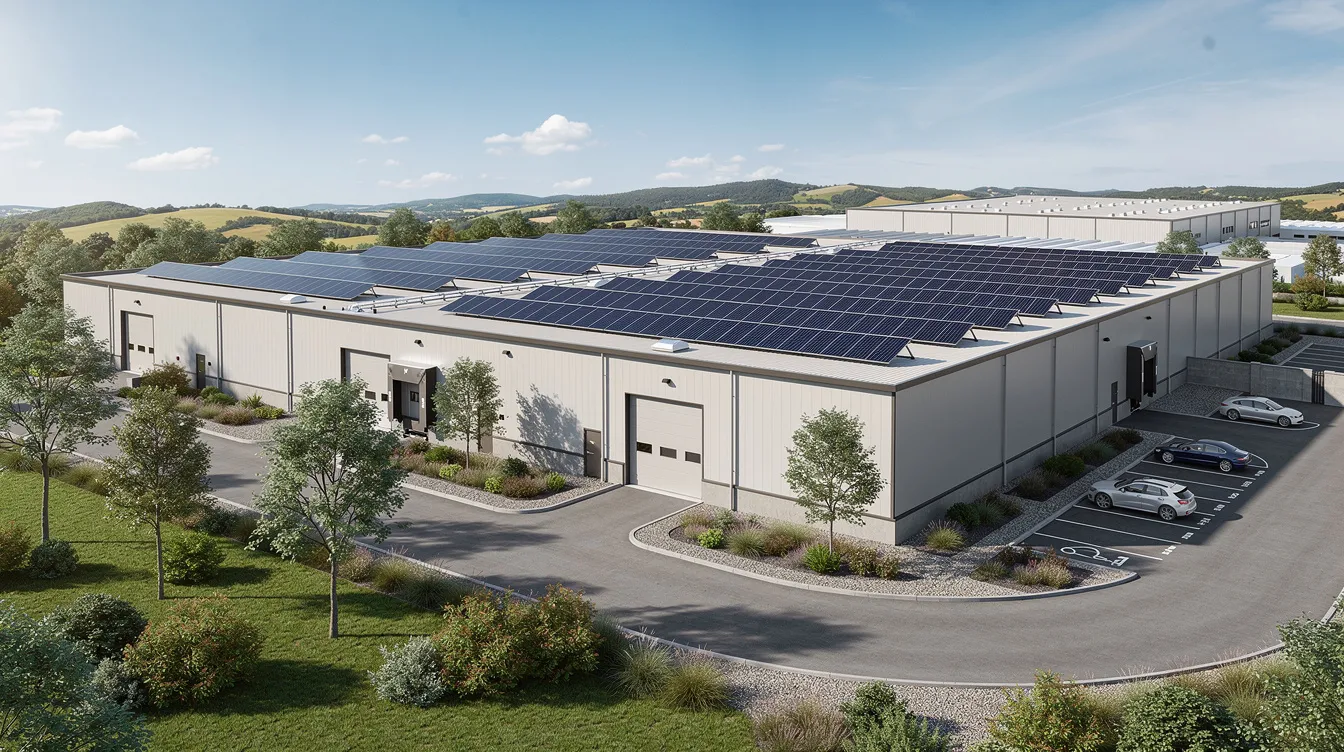
Factory and industrial buildings in Singapore include B1 (light industrial), B2 (general industrial), warehouse/factory premises, JTC industrial land, and strata industrial units. A rooftop solar PV system on these buildings typically comprises photovoltaic modules (PV panels), mounting structures (penetrating brackets or ballasted systems), inverters, cabling, switchgear, walkways for maintenance personnel, and grid-connection equipment. Industrial-scale systems are usually grid-connected and range from tens of kWp to multi-MWp in system capacity.
This article deals with solar PV systems installed on existing factory roofs and new-build industrial roofs. It excludes façade PV, ground-mount installations, floating solar, and small off-grid systems – unless those systems affect the building structure. Once a rooftop solar installation becomes “building works” under Singapore law, PE endorsement triggers are governed by the regulatory framework described below.
Why Factories Are Treated Differently from Other Buildings
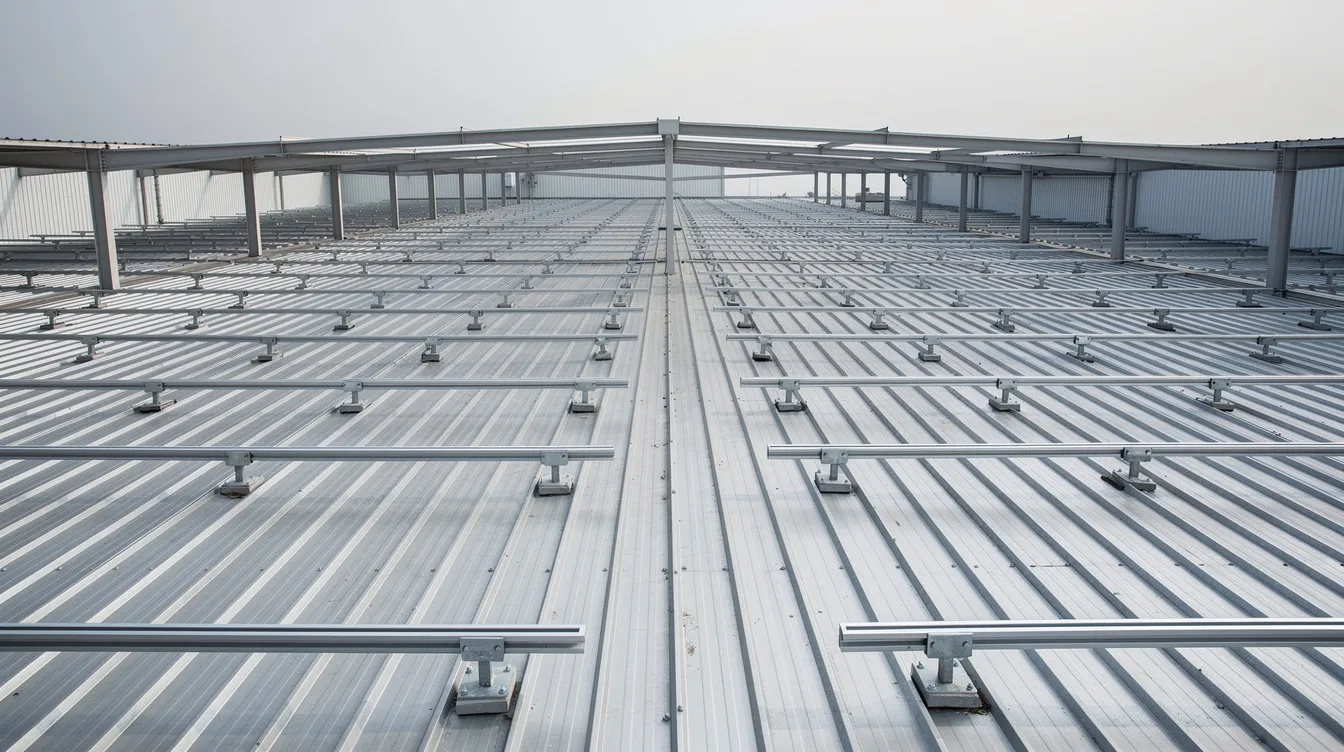
Industrial buildings present unique structural engineering challenges that make PE endorsement especially critical. Factory roofs typically feature large spans supported by lightweight metal decks, long-span trusses, and purlins designed to minimal imposed loads. These roofs were often not engineered to safely carry significant additional dead loads from solar arrays, mounting systems, and maintenance walkways.
Factories also have higher wind exposure due to elevated roof heights and large exposed perimeters, amplifying wind uplift forces on any rooftop solar system. High humidity accelerates corrosion in metal roof sheeting, further reducing the effective cross-section and structural capacity of existing roof materials over time. Singapore experiences heavy rainfall that affects rooftop drainage, and adding solar panels can alter water flow patterns.
Typical factory PV capacities – 200 kWp to multi-MWp – mean large mounting structures, heavy inverter banks, and extensive cable trays. These projects frequently fall under the jurisdiction of BCA, SCDF, EMA, JTC, and URA simultaneously, making coordination between authorities and professional endorsement essential. This multi-authority complexity is what drives the next section: understanding the full regulatory framework.
Regulatory Framework Governing PE Endorsement for Rooftop Solar on Factories
Several authorities jointly determine when PE endorsement is required for a factory rooftop solar project. Understanding each authority’s jurisdiction – and where they overlap – is essential for building owners and EPCs planning solar deployment on industrial buildings.
Building Control Act, BCA Regulations and Eurocodes
The Building and Construction Authority (BCA) oversees structural safety for rooftop solar installations in Singapore. Under the Building Control Act, “building works” include erection, extension, alteration, addition, or repair of a building – and rooftop PV mounting rails, frames, penetrative brackets, and structural reinforcements clearly fall within this definition.
The Building Control Regulations state that if works may affect structural stability, detailed structural plans and structural calculations must be endorsed by the QP (PE). Singapore codes require compliance with BCA regulations for solar installations, and all structural design must conform to Eurocodes with Singapore National Annexes (EN 1990, 1991, 1992, 1993, 1999), covering dead loads, wind loads, imposed loads, serviceability, and stability of structural elements.
Solar installations must comply with BCA regulations and Eurocodes. PEs perform structural analysis using Eurocodes and Singapore standards, and PEs stamp documentation required for BCA submissions. Submissions to BCA are managed via CORENET for rooftop installations exceeding certain structural thresholds. The core rule is straightforward: whenever BCA submission is required for the PV works, PE (C&S) endorsement is legally required.
EMA, SP Group and Electrical Safety Requirements
Electrical installations for solar PV systems must comply with Energy Market Authority (EMA) regulations. For non-residential solar PV installations where the load demand exceeds 45 kVA, an Electrical Installation (EI) Licence is required. Rooftop solar systems that exceed 1 MWac require a Generation Licence from the EMA and registration with Energy Market Company.
A Licensed Electrical Worker (LEW) is required to carry out electrical assessments for solar PV installations and to endorse the electrical design and grid connection to SP Group. While LEW endorsement is separate from structural PE endorsement, large factory solar PV systems often require both – the LEW for electrical safety compliance and the professional engineer PE for structural and building aspects. When rooftop plantroom enclosures, switchgear plinths, or cable tray supports require structural works, dual endorsements become necessary.
SCDF Fire Code and Roof-Mounted PV Systems
The Singapore Civil Defence Force (SCDF) enforces fire safety regulations for rooftop solar installations. The SCDF Fire Code 2023 (Clause 10.2) mandates fire safety for rooftop solar installations, imposing requirements for means of access, exit staircases or ladders, emergency disconnect switches, minimum horizontal clearances from ventilation systems (500 mm), and separation from plant or storage below PV arrays.
Fire safety compliance in rooftop solar installations includes maintaining clear access and fire separation distances. Access aisle widths must meet minimums of 1.5 m or 2.5 m depending on parapet configurations. When rooftop PV layouts alter fire-fighting access, obstruct smoke vents, or reconfigure roof plant zones, submission of fire safety plans to SCDF is required. These plans must be endorsed by a Fire Safety Engineer, and coordination with the structural PE is often mandatory where parapets, framing, or access platforms carry additional loads.
URA / JTC Planning Conditions and Landlord Requirements
Rooftop solar installations must comply with local planning conditions set by the Urban Redevelopment Authority (URA). Under URA’s guidelines, solar panels generally do not require planning permission except in conservation areas, urban design control zones, or where elevated solar panels protrude above certain roof lines. When planning permission is triggered, QP and PE involvement follows.
JTC’s solar deployment policies carry significant implications for factory lessees. Under JTC’s updated policy (effective 1 June 2026), mandatory solar deployment applies when a site is newly leased or undergoing lease renewal, assignment, or redevelopment, if the available contiguous rooftop area is at least 600 m² and the remaining lease term is at least 10 years. For JTC space submissions involving new support structures for PV panels, endorsement by a PE (Civil) is required. Even under voluntary solar deployment, PE-endorsed structural assessments are typically needed to satisfy lease covenants and handover obligations.
When Is PE Endorsement Legally Required for Rooftop Solar on Factories?
Almost all commercial and industrial rooftop PV projects that modify the roof structure, increase permanent loads significantly, or require authority approval legally need PE endorsement. Below are the specific triggers, each grounded in statute, regulation, or enforceable authority conditions.
Trigger 1: Structural Alterations or Additional Permanent Loads on the Roof
Solar panels add approximately 12–15 kg per square metre of dead load. When PV frames, ballast, or penetrations introduce these new dead loads – or alter how loads are transferred to purlins, rafters, or columns – the works become notifiable to BCA. Professional Engineers verify that roofs can support additional solar loads, and structural assessments verify that roofs can support additional loads safely.
Typical factory scenarios requiring PE endorsement under this trigger include large-scale solar arrays above 30–50 kWp, ballasted systems on RC flat roofs, new steel frames above existing roofs, tie-ins to parapets, and added walkways and guardrails. Installing solar panels can impact wind uplift forces on industrial roofs, necessitating structural assessments. In all these cases, a PE (C&S) must analyse and endorse that the roof structure remains within code-compliant load capacity and serviceability limits.
Trigger 2: Additions & Alterations (A&A) Involving Roof or Structural Members
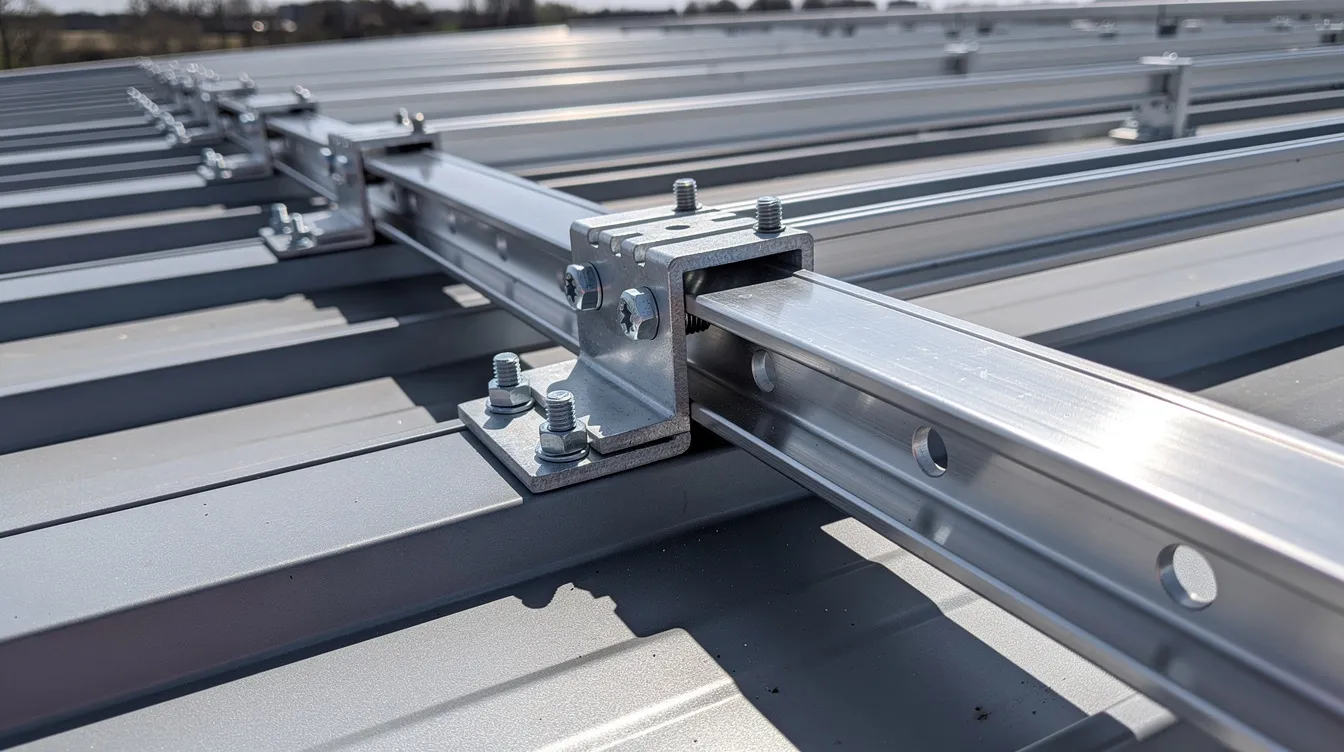
Common A&A works for industrial PV include replacing lightweight roof sheeting, adding new trusses or secondary steel, strengthening purlins, raising parapet walls, or casting concrete plinths for inverters on rooftop slabs. Any such A&A requiring BCA approval must be prepared and endorsed by a PE (Civil/Structural) serving as QP.
The Building Control Act requires BCA approval for structural changes. Even when a solar vendor or EPC contractor treats these modifications as “minor works,” the law may still require plan submission and structural endorsement. If changes affect key structural elements to the extent of requiring redesign, they are classified as “material” and require amendment plans with PE endorsement; if immaterial, a record plan with QP endorsement still applies.
Trigger 3: BCA Plan Submissions and Permit to Commence Works
If the rooftop PV scope requires building plan submission to BCA – for example, a change in the structural system, new access staircases, or major roof strengthening – then PE endorsement is mandatory for those certified engineering drawings and structural calculations. A PE endorsement is needed to support BCA structural submissions for modifications impacting structural integrity.
For higher-risk or larger industrial projects, an Accredited Checker may also be required, adding another layer of structural review. BCA may request PE-stamped structural calculations even where full plan submission was not initially anticipated, especially for older factories with limited documentation prepared from their original construction.
Trigger 4: Fire Safety Plan Submissions to SCDF
Rooftop PV triggers fire safety submissions in several circumstances: reduced fire-fighting access on the roof surface, obstruction of smoke vents or hatches, proximity to LPG or other hazardous plant, or reconfiguration of roof plant zones. SCDF plans must be endorsed by a Fire Safety Engineer or Fire Safety PE, and coordination with the structural PE is often mandatory where parapets, framing, or access platforms carry additional loads.
For factories with high fire loads – chemical storage, flammable processes, or extensive rooftop plant – authorities scrutinise rooftop PV more strictly. Fire safety provisions under the SCDF Fire Code 2023 set explicit minimum access aisle widths, emergency disconnection requirements, and separation distances that directly affect panel layout and structural design of supporting walkways.
Trigger 5: Landlord, Insurer or Financier Requirements
Beyond strict statutory triggers, JTC, REIT landlords, insurers, and lenders typically require PE-endorsed reports demonstrating structural adequacy and regulatory compliance before granting consent or releasing finance. JTC requires solar deployment for sites with 800 sqm rooftop area (updated to 600 m² from June 2026), and their plan endorsement process mandates PE-stamped structural assessments.
Insurers frequently request PE reports to avoid voiding property or liability policies. Non-compliance can risk lease breaches, invalid insurance coverage, or difficulties during lease renewal. In practice, these commercial requirements make PE endorsement de-facto mandatory for most serious industrial PV projects – even those that might narrowly avoid a statutory trigger.
Summary Table: Typical Factory PV Scenarios vs PE Endorsement Need
| Scenario | PE Endorsement Requirement |
|---|---|
| 200 kWp PV on existing metal roof with new penetrative rails and walkways | PE endorsement required – structural modifications, new permanent loads, BCA submission needed |
| Small 10 kWp demo array on robust RC roof slab, non-penetrative ballast, no fire access impact | PE endorsement strongly recommended – may be exempt, but only a PE can confirm spare structural capacity |
| Multi-MWp array on JTC factory with roof strengthening and inverter plinths | PE endorsement required – BCA plan submission, JTC endorsement, SCDF fire safety submission all mandatory |
| Re-roofing combined with PV installation on existing factory | PE endorsement required – roof sheeting replacement plus PV loads constitute building works |
| Off-grid carport shelter separate from main factory, ground-founded steel frame | May be exempt; confirm with BCA/PE – lowest requirement, but landlord/insurer may still demand verification |
When PE Endorsement May Not Be Strictly Required (and Why You Should Still Check)
While the preceding triggers cover most factory PV projects, some very small-scale or non-structural works might not legally require PE endorsement. However, misjudging this boundary exposes building owners to enforcement risk, insurance complications, and potential structural failure.
Minor Installations with Negligible Structural Impact
Lowest impact rooftop solar installations may still require PE assessments even if not submitted to BCA. Genuinely low-risk cases are narrow: very small pilot PV sets on robust RC flat roofs with ample spare capacity, where the mounting system is non-penetrative and the additional weight is negligible relative to the slab’s designed load capacity. Installations on independent steel frames founded on the ground – not bearing on the factory roof structure – may also fall below statutory thresholds.
Even in these scenarios, only a qualified PE can reliably determine whether a roof has spare structural capacity. Rules of thumb by contractors or the solar vendor are insufficient for regulatory or insurance purposes.
Works Classified as Non-Structural Building Maintenance
Routine roof maintenance – repainting, replacing like-for-like waterproofing membranes, servicing drainage systems and gutters – typically does not trigger PE endorsement. These activities do not alter structural elements or add permanent loads.
However, once new brackets, concrete plinths, heavy cable trays, or plant supports are introduced as part of a solar PV installation, the work crosses into structural territory requiring endorsement. The line between maintenance and building works is defined by whether loads, load paths, or structural members are affected – not by how the contractor describes the scope.
Why AMAN Still Recommends at Least a Screening by a PE
AMAN Engineering Consultancy’s approach is to offer a quick desktop screening for factory owners to confirm whether PE endorsement and BCA/SCDF submission are likely needed. This brief structural evaluation reviews the roof type, existing drawings, proposed PV capacity, and mounting method to determine regulatory obligations.
A professional screening can prevent enforcement issues, failed inspections, or difficulties with insurers at negligible cost compared to full design. For factory owners uncertain whether their rooftop solar project crosses the legal threshold, engaging a PE for a preliminary review is the most cost-effective risk mitigation available.
PE Endorsement Process for Rooftop Solar on Factories: How It Works in Practice
Once it is established that PE endorsement is needed, factory owners and EPCs benefit from understanding the practical steps, typical timelines, and documentation requirements. Early PE engagement avoids costly delays, re-design cycles, and authority queries that can stall projects for weeks.
Step-by-Step Process from Feasibility to Endorsement
- Initial enquiry and scope definition – Factory owner or EPC contacts PE consultant; defines PV capacity target, roof type, landlord conditions, and project timeline.
- Collection of existing structural drawings – As-built plans, original structural design, past A&A records, roof sections, and PV concept layout are gathered.
- Site inspection of roof condition – PE inspects roof structure, checks for corrosion in metal decks and purlins, verifies member sizes, assesses roof integrity and waterproofing condition.
- Structural analysis and load calculations – PE performs structural analysis using Eurocodes and Singapore standards, checking dead loads, wind uplift, imposed loads, serviceability, and stability. Wind uplift coefficients can be significantly negative at roof edges, requiring careful assessment.
- Coordination with EPC, landlord, and fire/electrical consultants – Alignment on panel layout, mounting systems, fire access corridors, and electrical routing. Structural constraints and fire safety provisions are reconciled.
- Preparation of PE-stamped drawings, calculations, and reports – Certified engineering drawings, structural calculations, and compliance reports are finalised and endorsed.
- Authority submissions – Structural plans submitted to BCA via CORENET; fire safety plans to SCDF; space submissions to JTC; planning applications to URA where applicable.
- Support during queries and inspections – PE responds to authority queries, attends site inspections, and endorses as-built record plans upon completion.
AMAN typically enters at step 1 or 2 – early involvement avoids re-work and ensures the PV capacity target is realistic given the roof’s structural capacity.
Key Documents and Technical Information Required
Factory owners and EPCs should prepare the following documentation:
- Original structural plans and design calculations
- Records of past additions and alterations (A&A)
- Roof drawings and cross-sections showing structural elements, purlin spacing, and member sizes
- PV layout and mounting details from the solar vendor or EPC
- Module and racking datasheets, including material specifications and weight per panel
- Design loads from mounting system suppliers, including wind uplift coefficients
- JTC or landlord lease conditions and any previous PE reports
- Insurer requirements for structural certification
Missing drawings may require on-site measurements, material testing, or reverse-engineering of structural capacity – which affects programme and fees. Older roofs often lack capacity for additional solar loads, and without documentation, the PE must assume conservatively.
Retrofit vs New-Build Factories: Differences in PE Endorsement Scope
| Criterion | Retrofit on Existing Factory | New Factory Designed Solar-Ready |
|---|---|---|
| Availability of structural drawings | Often incomplete or outdated; may require site verification | Full current drawings from design phase |
| Roof framing flexibility | Fixed; may need strengthening to safely carry PV loads | Designed from Day 1 for solar loads and wind uplift |
| Ease of meeting Eurocode loads | May require additional members, braces, or reduced PV coverage | Integrated into original load calculations |
| Complexity of BCA submissions | Higher – existing conditions must be surveyed and certified | Lower – part of initial building plan submission |
| Typical strengthening required | Purlin reinforcement, new secondary steel, connection upgrades | Minimal or none if properly designed |
New-build factories can integrate solar-ready design from the outset, allowing more efficient use of the roof surface and smoother PE endorsement. For retrofits, the engineering evaluation is more extensive but equally essential.
Common Challenges in Getting PE Endorsement for Factory Rooftop PV (and How to Solve Them)
Many industrial PV projects stall or shrink in capacity because structural and regulatory challenges are discovered too late. Understanding the most frequent issues – and their solutions – helps factory owners and EPCs plan more effectively.
Older Factory Roofs with Limited Spare Capacity
Factories built in the 1980s through 2000s commonly feature long-span metal roofs with minimal live load allowance. Corrosion reduces effective cross-section of metal roof sheeting over time, and older roofs may require reinforcement to support solar panels so the roof can meet the structural requirements for the proposed PV system. These structural constraints often limit the PV capacity that can be safely installed while still satisfying those checks.
Solutions include optimising the panel layout to align with main structural members, reducing coverage at high-wind edge zones where wind uplift forces are greatest, introducing strengthening members or lateral braces, and selecting lighter mounting systems with corrosion resistant materials. The PE endorsement process will flag required strengthening works and stage them alongside PV installation to maintain safety compliance throughout construction.
Insufficient Fire-Fighting Access and Code Conflicts on Roof
Maximising PV coverage often conflicts with retaining SCDF-mandated access corridors, fire break zones, and safe working paths for maintenance personnel. The 50% rule and fire access requirements under the Fire Code can significantly reduce usable roof area for solar arrays.
Solutions involve collaborative layout revisions with the Fire Safety Engineer, raising some PV rows to create under-panel access where structurally feasible, and performing structural checks for load concentration along access walkways and parapets. These adjustments must be modelled early – before finalising PPA sizes, equipment procurement, or signing EPC contracts.
Coordination Gaps Between EPCs, Landlords and Authorities
Common misalignments arise when the EPC designs for maximum kWp without checking lease conditions, the landlord requires different roof zones to remain clear, or BCA/SCDF raise queries on first submission due to incomplete documentation prepared by separate parties.
Solutions include engaging AMAN as the central coordinator for structural and authority aspects, hosting early coordination meetings between all stakeholders, and using BIM/Tekla 3D visualisations to align expectations on panel layout, access paths, and structural modifications. Well-coordinated PE endorsement minimises re-design cycles, authority resubmissions, and costly delays on site.
Role of AMAN Engineering Consultancy in PE Endorsement for Industrial Rooftop Solar
AMAN Engineering Consultancy is a Singapore-based engineering and architectural firm experienced with industrial buildings, authority submissions, structural inspections, and PE endorsement for rooftop solar. The firm supports factory owners, REITs, JTC lessees, and EPC contractors across the full project lifecycle – from feasibility screening through to as-built certification.
End-to-End Structural and Compliance Support
AMAN provides structural feasibility screening for multiple factories in a portfolio, full structural analysis and PE endorsement, strengthening design where required, and BIM/Tekla modelling of roof and PV layout. For projects requiring enhanced review, AMAN coordinates with Accredited Checkers. A Professional Engineer certifies structural assessments for solar projects, and AMAN’s in-house capabilities extend to authority submissions (BCA, JTC, URA, SCDF), fire safety coordination, and M&E endorsement support.
This integrated approach means factory owners deal with a single consultancy for both technical design and regulatory compliance – reducing the coordination burden that typically slows industrial rooftop solar projects.
Authority Submissions and CORENET-X Readiness
AMAN prepares BCA, URA, JTC, and SCDF submissions for industrial projects including rooftop PV retrofits. With CORENET-X launching from 1 October 2026, digital submissions of building and structural plans will follow new BIM-based workflows. AMAN’s capability to prepare digital, PE-signed models and drawings ensures compliance with these evolving approval pathways.
Early PE engagement and detailed digital documentation reduce query cycles and accelerate approvals. For factory owners managing multiple sites or portfolios, having a single consultant handle both technical and regulatory aspects through CORENET-X delivers measurable time and cost savings.
Supporting ESG, Green Mark and Solar Deployment Strategies
PE-endorsed structural readiness ties directly into BCA Green Mark credits for solar-ready roofs and corporate ESG reporting. Structural QPs must certify that roofs can support static and wind loads for PV as part of Green Mark assessments, making PE involvement integral to sustainability planning.
AMAN helps industrial landlords create solar-ready standards for new factories and retrofit programmes across multiple sites, supporting both mandatory solar deployment under JTC’s policies and voluntary solar deployment for ESG-driven owners. This structural endorsement connects to long-term asset value, insurance acceptance, and sustainable operations – across all three solar deployment models (solar leasing, direct ownership, and landlord-facilitated deployment).
Conclusion and Recommended Next Steps for Factory Owners
For factory rooftops in Singapore, PE endorsement is legally required whenever PV works constitute building works, impact structural integrity or fire safety, or trigger BCA, SCDF, or JTC submissions. Since solar panels add 12–15 kg per square metre of dead load and wind uplift forces significantly affect solar panel stability, most commercial-scale solar PV systems on industrial buildings will meet at least one of these triggers. PE endorsement is mandatory for significant rooftop solar installations – treating it as optional is both legally and commercially risky.
Recommended next steps:
- Confirm your roof type, age, and structural documentation – gather original drawings, past A&A records, and roof condition reports.
- Prepare a preliminary PV layout and capacity target – work with your EPC or solar vendor to define the proposed system capacity and mounting approach.
- Engage a PE or AMAN early for feasibility and endorsement strategy – a desktop screening identifies structural constraints, authority submission requirements, and realistic PV capacity before contracts are signed.
- Align with your landlord, JTC, and insurer – confirm lease conditions, mandatory solar deployment obligations, contiguous rooftop area thresholds, and insurance requirements.
- Plan authority submissions timeline relative to project milestones – factor in BCA, SCDF, and EMA processing times to avoid costly delays in construction start.
If you are planning rooftop solar on your factory or managing a portfolio of industrial buildings, contact AMAN Engineering Consultancy for a preliminary review of your roof structures and a compliance roadmap tailored to your solar PV deployment goals.
FAQs: PE Endorsement for Rooftop Solar PV on Factories in Singapore
These frequently asked questions address common practical concerns from industrial owners, EPCs, and facility managers considering rooftop solar on factory buildings in Singapore.
Is PE endorsement mandatory for every rooftop solar PV system on a factory in Singapore?
For almost all grid-connected commercial and industrial solar PV systems that add significant loads or require authority consent, yes – PE endorsement is legally required. Very small, non-structural, or pilot setups on robust RC roofs with demonstrable spare capacity may be exempt from BCA submission, but a professional engineer should confirm this on a case-by-case basis. Even lowest-impact installations may still require PE assessments for landlord or insurer compliance.
Which type of Professional Engineer must endorse my factory rooftop solar project?
A PE (Civil/Structural) typically endorses the structural and roof aspects – including load calculations, wind uplift analysis, and roof integrity verification. Large projects may also involve a PE (Mechanical/Electrical) for plantroom or switchgear enclosures and a Fire Safety Engineer for SCDF submissions. A Licensed Electrical Worker (LEW) handles the electrical grid connection separately, but structural and electrical endorsements must be coordinated.
Do I need PE endorsement if I am only installing solar on a new factory that is still under construction?
Yes. The new factory design – including solar-ready roof structure and PV loads – must be incorporated into BCA submissions and endorsed by the project’s structural PE as part of the original building plan. If PV is added late – after Temporary Occupation Permit (TOP) – a separate PE endorsement and A&A submission will likely be required, adding project complexity and timeline.
What happens if I install rooftop solar on my factory without proper PE endorsement or BCA approval?
Consequences can be severe. Under the Building Control Act, carrying out building works without necessary approvals is an offence carrying fines up to SGD 200,000 and/or imprisonment up to 2 years. Insurance policies can be voided if structures fail and works were not properly certified. JTC or landlords may revoke permissions, and structural failure, roof damage, or fire incidents become personal and organisational liabilities.
How early should I involve AMAN or a PE in planning my factory rooftop solar project?
Engage a PE at the concept or feasibility stage – before signing a PPA or EPC contract. Early involvement establishes realistic capacity limits based on actual structural capacity, identifies required strengthening and its cost, ensures the panel layout meets SCDF fire safety provisions, and enables smoother authority approvals with fewer redesigns.
Can PE endorsement also cover periodic inspections of my rooftop PV after installation?
Yes. PEs can conduct periodic structural inspections (PSI/PFI) of roofs with installed PV systems, verifying that there is no overloading, corrosion deterioration, or compromise to roof integrity over time. These reports are often required by landlords, insurers, or regulators on a recurring basis. AMAN provides these inspection services for individual factories and industrial portfolios across Singapore.