
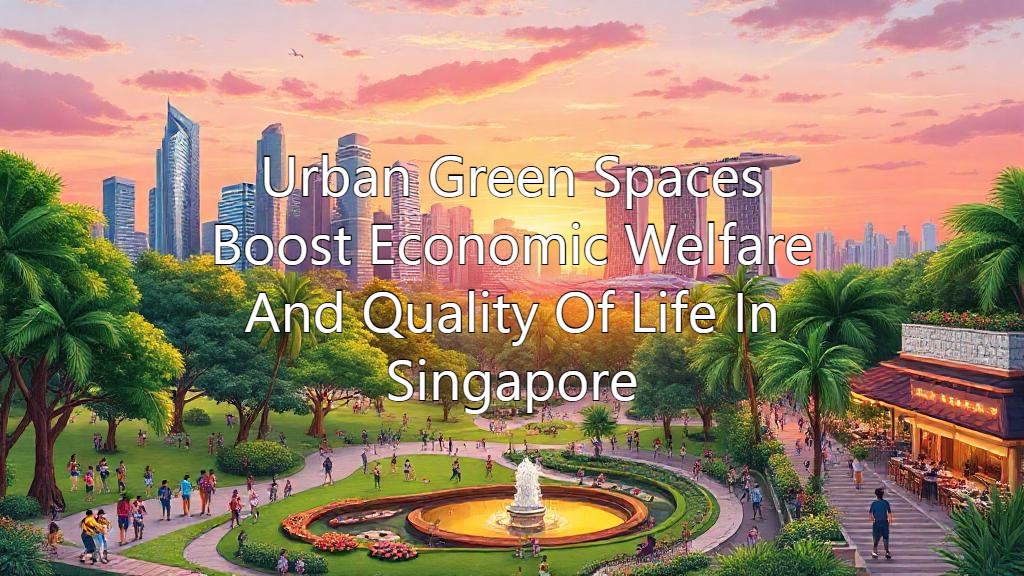
As the concrete jungle of Singapore continues to thrive, a delicate balance must be struck between urbanisation and the preservation of green oases, for it is in these tranquil pockets that the city’s economic welfare and quality of life are significantly bolstered.
Just as a masterfully conducted symphony blends disparate notes into a harmonious whole, urban green spaces in Singapore seamlessly integrate the natural and built environments, yielding a multitude of benefits for residents and visitors alike.
With over 47% of its land area dedicated to green spaces, Singapore serves as a paradigm for cities worldwide, demonstrating that investing in parks, gardens, and other green areas can have a profound impact on both the economy and the well-being of its inhabitants.
By providing a respite from the hustle and bustle of city life, these urban green spaces foster a sense of community, promote physical and mental health, and even increase property values, all of which contribute to a higher quality of life.
As the city-state continues to evolve, it is essential to recognise the vital role that urban green spaces play in enhancing the economic and social fabric of Singapore.
Creating Sustainable Urban Landscapes Through Green Space Preservation In Singapore
Singapore’s urban landscape is evolving to incorporate more green spaces, promoting a healthier environment and improving air quality, while also enhancing the overall aesthetic appeal of the city.
This approach not only supports biodiversity but also provides residents with tranquil oases amidst the bustling metropolis.
By adopting innovative urban planning strategies, Singapore can effectively balance development with environmental conservation.
As the city’s concrete jungle gives way to a lush tapestry of parks and gardens, the very fabric of urban life is being transformed forever.
- Urban forestry initiatives are playing a crucial role in mitigating the urban heat island effect and reducing greenhouse gas emissions.
- Innovative green roof designs are being implemented to increase energy efficiency and provide habitats for local wildlife.
- By preserving natural ecosystems, Singapore can maintain its unique cultural identity while fostering a deeper connection between residents and the environment.
Exploring The Economic Benefits Of Green Spaces On Property Values And Tourism
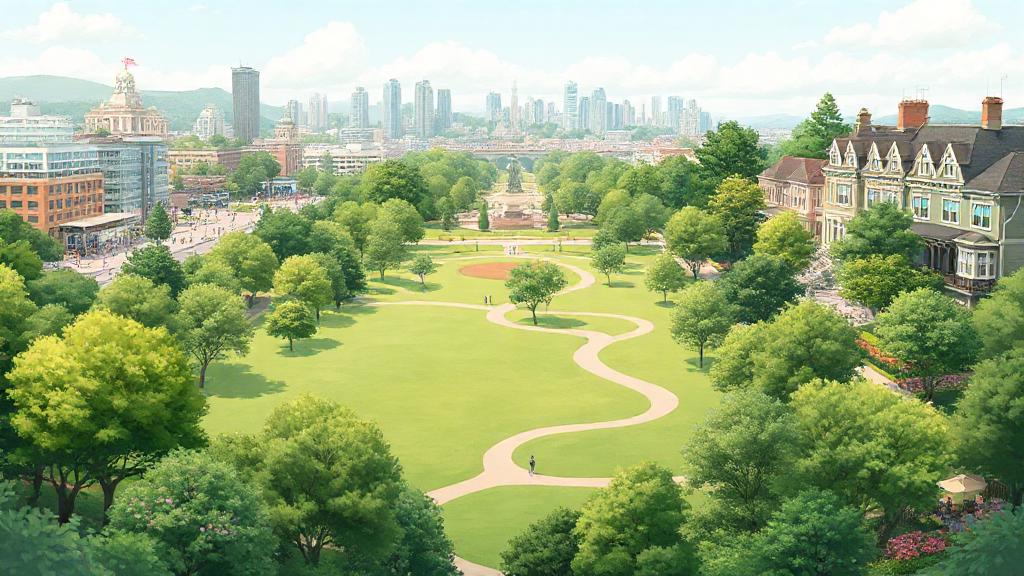
Imagine walking through a lush park or garden in a neighbourhood, feeling the stress melt away as one connects with nature.
Green spaces not only provide a peaceful oasis for residents, but they also play a significant role in boosting property values and attracting tourism.
By incorporating green spaces into urban planning, cities can create a more desirable and sustainable environment, which in turn can lead to increased property values and a stronger local economy.
This is because green spaces offer numerous benefits, including improved air quality, reduced noise pollution, and enhanced aesthetic appeal.
Many cities are now prioritising their development to reap the economic benefits they provide.
Understanding The Role Of Urban Green Spaces In Mitigating Climate Change Effects
In the heart of Singapore, the Gardens by the Bay project serves as a prime example of how urban green spaces can play a crucial role in mitigating the effects of climate change, with its lush vegetation and innovative design helping to reduce the urban heat island effect and improve air quality.
This mini-ecosystem not only provides a serene oasis for residents but also supports local biodiversity and helps to filter pollutants from the air.
By incorporating such green spaces into urban planning, cities can become more resilient and sustainable.
Urban green spaces like parks and gardens help to absorb carbon dioxide, reduce urban noise pollution, and provide shaded areas for residents to escape the heat.
The strategic integration of urban green spaces into city planning can also have economic benefits, such as increased property values and tourism revenue.
Furthermore, these spaces can serve as community hubs, fostering social connections and a sense of community among residents, which is essential for building a resilient and adaptable urban population.
Innovative Green Solutions For Reducing Urban Heat Island Effects In Cities
Innovative green solutions are being implemented in cities worldwide to mitigate the urban heat island effect, which occurs when built-up areas absorb and retain heat, making them warmer than surrounding rural areas.
This phenomenon is exacerbated by climate change, urbanisation, and the proliferation of dark surfaces such as asphalt and concrete.
To combat this, urban planners and architects are incorporating more green spaces, such as parks, gardens, and green roofs, which provide shade, cool the air through evapotranspiration, and act as carbon sinks.
Additionally, innovative materials and technologies, such as cool pavements, green walls, and smart roofing systems, are being developed to reduce the urban heat island effect.
Integrating Biodiversity Impact Assessments Into Urban Planning And Development
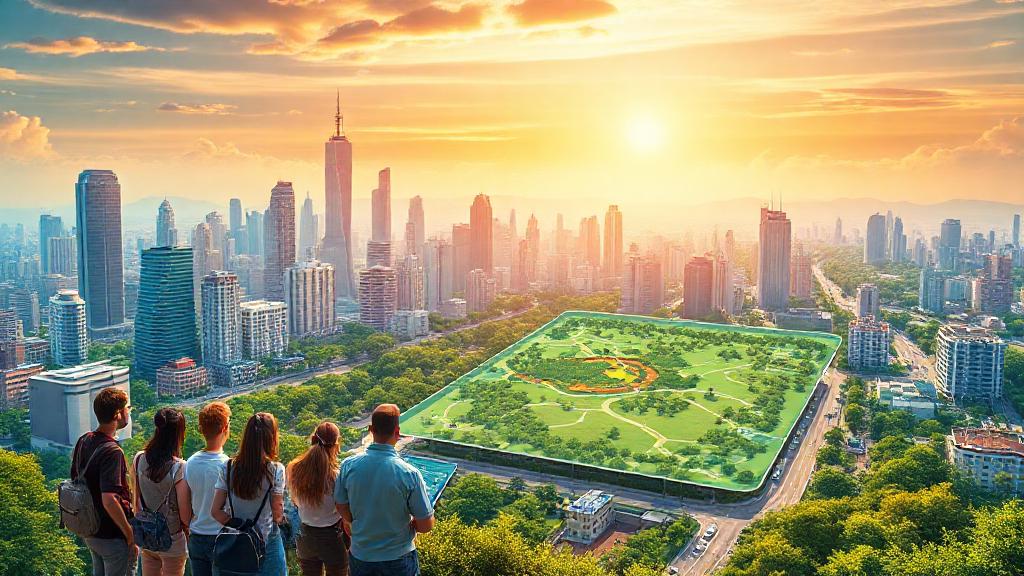
To effectively integrate biodiversity impact assessments into urban planning and development, it is crucial to consider the potential effects of construction projects on local ecosystems.
This can be achieved by conducting thorough environmental assessments, which identify areas of high conservation value and potential risks to biodiversity.
By doing so, urban planners can develop strategies to mitigate the negative impacts of development on the environment.
Enhancing Air Quality And Public Health Through Urban Forests And Green Roofs
Urban planning strategies are crucial for improving air quality in cities.
- Mitigating pollution through urban forests that absorb toxic gases
- Creating green roofs to reduce urban heat island effects
- Implementing sustainable transportation systems to decrease emissions
- Designing parks and gardens to promote public health and wellbeing
- Monitoring air quality indices to track progress and improvement
By incorporating these strategies, cities can breathe easier and become healthier places to live, ultimately enhancing the quality of life for their inhabitants.
Designing Inclusive Green Spaces For Social Cohesion And Community Wellbeing
Creating green spaces that bring people together is a crucial aspect of urban planning.
Incorporating elements like walking trails, community gardens, and public art installations can foster a sense of community by providing a shared space for social interaction and recreation.
Inclusive design is essential to ensure that these spaces are accessible and enjoyable for everyone, regardless of age, ability, or socioeconomic background.
A balance between natural environments and urban infrastructure: to promote social cohesion and community wellbeing — this is the key to designing successful green spaces.
Promoting Ecological Resurgence Through Large-Scale Tree Planting Initiatives
Contrary to popular belief, large-scale tree planting initiatives may not be the most effective solution to combating climate change, as they can sometimes disrupt native ecosystems.
This approach can lead to unintended consequences, such as the introduction of invasive species or the destruction of natural habitats.
However, some initiatives have shown promising results in certain regions.
In contrast, small-scale, community-led reforestation efforts have been successful in preserving biodiversity and promoting ecological balance.
“The right tree in the right place can make all the difference, but the wrong tree in the wrong place can be a recipe for disaster”
Developing Green Infrastructure To Support Sustainable Urban Development Goals
As cities continue to grow and urbanise, the importance of developing green infrastructure to support sustainable urban development goals cannot be overstated, as it plays a crucial role in mitigating the effects of climate change, improving air and water quality, and enhancing the overall quality of life for urban residents.
Green infrastructure, such as parks, green roofs, and green spaces, helps to reduce the urban heat island effect, manage stormwater runoff, and provide habitats for urban wildlife.
Furthermore, green infrastructure can also help to promote sustainable transportation, reduce energy consumption, and support local food systems, ultimately contributing to a more resilient and sustainable urban environment.
The key to sustainable urban development lies in green infrastructure.
Investing in green infrastructure is essential for creating resilient and sustainable cities that can thrive in the face of climate change and other environmental challenges.
As the city-state of Singapore continues to thrive, its urban green spaces remain a vital component of its economic and social fabric, much like the intricate network of threads that weave together to form a vibrant tapestry.
The carefully manicured gardens and parks that dot the landscape not only boost economic welfare but also significantly enhance the quality of life for its residents, making Singapore a truly unique and desirable place to live.
Looking to the future, it is exciting to consider how these green oases will continue to evolve and adapt, incorporating innovative technologies and sustainable practices to create an even more livable and resilient city.
As the sun sets over Singapore, casting a warm glow over its lush green spaces, one cannot help but wonder what the next chapter holds for this forward-thinking nation, where the boundaries between nature and urbanity continue to blur in inspiring ways, ultimately enhancing the well-being of its people.
The image of Singapore’s thriving green spaces serves as a powerful reminder of the transformative power of thoughtful urban planning and design.