
As the scorching sun beats down on the lush tropical landscape, a well-designed building plan can be the oasis that brings relief to the sweltering heat, but what happens when that plan is rejected due to non-compliance with local regulations?
With a staggering 70% of building plans initially rejected in some tropical cities, the submission process can seem like navigating a dense jungle without a map.
In tropical climates like Singapore, where the sun’s intense rays and heavy rainfall can be unforgiving, a successful building plan submission is crucial to ensure that structures are not only aesthetically pleasing but also resilient and sustainable.
By cracking the code to unlock the secrets of successful building plan submissions, developers and architects can avoid the frustration and costs associated with repeated rejections and instead bring their vision to life.
As we delve into the world of building plan submissions, it becomes clear that a thorough understanding of local regulations, climate considerations, and submission protocols is the key to unlocking the door to a successful and stress-free construction process.
Unlocking Building Plan Submission Secrets For Tropical Climate Regions Successfully
Building plan submission in tropical climate regions requires careful consideration of factors such as humidity, temperature, and rainfall, which can impact the structural integrity and durability of buildings.
In Singapore, for instance, the Building and Construction Authority (BCA) has implemented strict guidelines to ensure that buildings are designed and constructed to withstand the local climate conditions.
The submission process involves several stages, including design review, planning approval, and construction permit issuance.
The fate of a building’s viability hangs in the balance of a successful plan submission, where a single misstep can lead to costly delays and repercussions.
- Climate-resilient design is crucial to ensure that buildings can withstand extreme weather conditions.
- Understanding local building codes and regulations is essential to navigate the submission process effectively.
- Effective project management is key to ensuring that all stakeholders are aligned and that the submission process is completed on time.
Understanding Bioclimatic Design Principles For Sustainable Tropical Construction Projects
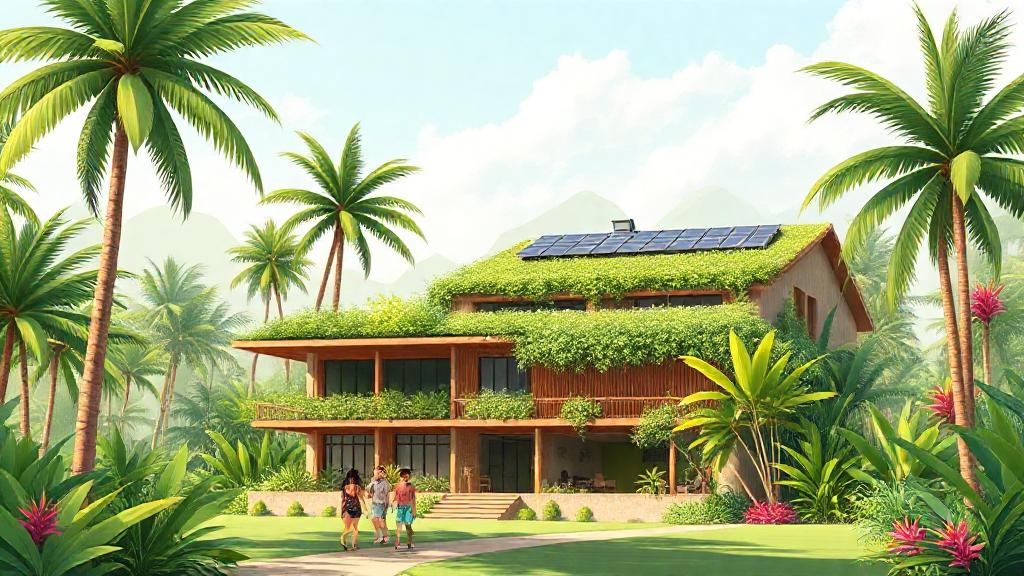
As the construction industry continues to evolve, bioclimatic design principles offer a holistic approach to building design, taking into account the local climate, topography, and vegetation to create structures that are adapted to their surroundings.
By understanding and applying these principles, developers can create buildings that are not only sustainable but also energy-efficient and cost-effective.
This approach involves careful analysis of the site’s microclimate, as well as the use of natural materials and innovative design strategies.
Overcoming Challenges Of Local Supply Chains For Biosourced Materials In Hot Climates
In Singapore, a local company, BioPioneers, faced significant challenges in establishing a reliable supply chain for biosourced materials, such as bamboo and sugarcane, due to the country’s hot and humid climate.
The company had to innovate and adapt to overcome issues like material degradation and logistics disruptions.
By investing in climate-controlled storage facilities and developing strategic partnerships with local farmers, BioPioneers was able to mitigate these risks and establish a thriving supply chain.
Implementing Effective Energy Consumption Strategies In Tropical Building Plan Submissions
Implementing effective energy consumption strategies in tropical building plan submissions is a complex task that requires careful consideration of various factors, including the building’s orientation, insulation, and ventilation systems, as well as the use of renewable energy sources such as solar and wind power.
In tropical climates, buildings are often exposed to high temperatures and humidity levels, which can lead to increased energy consumption and higher greenhouse gas emissions.
To mitigate this, architects and builders can use a range of design strategies, such as incorporating green roofs and walls, using shading devices, and optimising natural ventilation.
Urban Planning And Development Considerations For Tropical Climates And Social Context
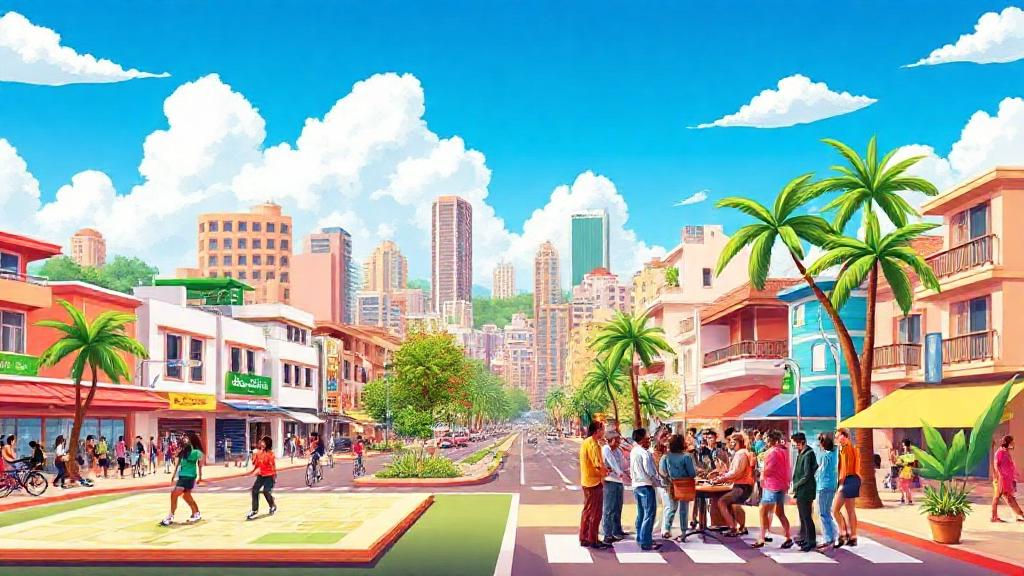
When it comes to urban planning and development in tropical climates, there are several key considerations that must be taken into account, including the impact of high temperatures and humidity on infrastructure and the need for sustainable design principles.
Effective urban planning in these regions requires a deep understanding of the local social context, including the needs and preferences of the community.
This can involve incorporating green spaces and public transportation systems that are tailored to the local climate and culture.
Exploring Innovative Design Approaches Like Biomimetism For Tropical Building Plans
Innovative design approaches are revolutionising tropical building plans with sustainable solutions.
- Incorporating green roofs to reduce urban heat island effects
- Utilising biomimetic materials for improved insulation and energy efficiency
- Creating microclimates through strategic building orientation and layout
- Integrating natural ventilation systems to minimise air conditioning needs
- Designing buildings with self-sustaining ecosystems, such as rooftop gardens
Utilising the Climate Analogues Method To Anticipate Climate Change Effects On Buildings
Climate analogues can help prepare for the future by analysing similar climates in other regions.
The goal is to identify potential risks and opportunities, and understanding how different climates affect buildings can inform design and construction decisions.
Building resilience to climate change requires a proactive approach, trying to mitigate the effects of climate change on the built environment.
Navigating Sustainable Building Certifications Like LEED And EDGE For Tropical Regions
Sustainable building certifications like LEED and EDGE are not one-size-fits-all solutions, and their effectiveness can vary greatly in tropical regions.
A closer look at the EDGE certification, developed by the International Finance Corporation, reveals a more nuanced approach, with features like a free online platform and a focus on resource efficiency, making it more accessible and relevant to tropical regions.
Developing Resilient And Sustainable Housing In Tropical Climates Through Data-Driven Approaches
The integration of data-driven approaches in housing development has become increasingly crucial in tropical climates, where the impact of climate change is more pronounced, and the need for resilient and sustainable infrastructure is paramount.
By leveraging advanced technologies such as sensors, IoT devices, and machine learning algorithms, developers can create housing systems that are not only energy-efficient but also adaptable to the changing environmental conditions.
As we delve into the intricacies of building plan submissions in tropical climates, it becomes clear that a successful outcome hinges on a delicate balance of factors, from meticulous planning to adaptability in the face of unforeseen challenges.
The journey to approvals is not merely a series of checkboxes, but a nuanced dance between regulatory compliance, innovative design, and environmental considerations.
Looking ahead, the future of construction in tropical regions will likely be shaped by the industry’s ability to harmonise sustainability with the unique demands of these climates, potentially giving rise to new, resilient, and breathtaking architectural marvels that not only thrive in their environments but also elevate the quality of life for their inhabitants.
Ultimately, the art of unlocking the secrets of successful building plan submissions lies in embracing this complexity and continually seeking innovative solutions that blend functionality, aesthetics, and environmental stewardship.
As the built environment continues to evolve, one cannot help but wonder what innovative, climate-resilient structures the future might hold, and how they will transform the tropical landscapes of tomorrow.