
The storage of flammable materials can ignite and spread like a wildfire, leaving a trail of destruction in its wake.
What if a simple misstep in handling these volatile substances could have far-reaching consequences, affecting not just individuals but entire communities?
In Singapore, the Singapore Civil Defence Force (SCDF) plays a crucial role in mitigating such risks through the Proper Storage and Handling of Flammable Materials (P&FM) regulatory framework.
By navigating this complex process, businesses and individuals can ensure a safer environment for all.
Understanding P&FM SCDF Submission Requirements for Flammable Materials Storage
The storage of flammable materials in Singapore is heavily regulated by the Singapore Civil Defence Force (SCDF) to ensure public safety.
Businesses must adhere to the Petroleum and Flammable Materials (P&FM) storage requirements.
The SCDF has implemented strict guidelines to mitigate the risks associated with flammable materials, and non-compliance can result in severe penalties.
Businesses must carefully review and understand the submission requirements to avoid any disruptions to their operations.
Time is of the essence as the SCDF conducts regular inspections to ensure compliance with the regulations.
Understanding the classification of flammable materials is crucial in determining the storage requirements.
Accurate documentation is essential to avoid any delays or penalties in the submission process.
Navigating the P&FM Storage Licence Application Process for Exemption Quantities

As one prepares to store petroleum and flammable materials, one might be wondering if the quantities exempt them from obtaining a storage licence.
The Petroleum and Flammable Materials (P&FM) storage licence application process can seem daunting, but it is designed to ensure public safety and prevent accidents.
To apply for an exemption, one needs to provide detailed information about the storage facilities, including the types and quantities of materials stored, as well as implement safety measures to mitigate risks.
One will also need to demonstrate compliance with relevant regulations and guidelines.
With the right guidance, one can successfully apply for a P&FM storage licence exemption and focus on growing the business.
Importance of Certified True Copies of Building Plans in P&FM Licence Applications
A notable example of the significance of certified true copies of building plans can be seen in a recent case where a property owner in Singapore was denied a P&FM licence due to incomplete and inaccurate documents.
The owner had submitted a faulty building plan, which led to a delay in the application process, resulting in significant financial losses.
This highlights the importance of ensuring that all documents, including building plans, are accurate and certified true copies to avoid such setbacks.
Certified true copies of building plans play a crucial role in the P&FM licence application process as they provide a reliable and verifiable record of the property’s layout and design.
The submission of certified true copies of building plans also facilitates a smoother and more efficient application process, reducing the risk of delays and re-submissions.
Compliance with Fire Safety Regulations for Licensed Premises and Storage Facilities
Compliance with fire safety regulations is crucial for licensed premises and storage facilities, as it not only ensures the safety of occupants, employees, and customers but also helps to prevent financial losses and damage to property.
In Singapore, the Singapore Civil Defence Force (SCDF) is responsible for enforcing fire safety regulations, and licensed premises and storage facilities must adhere to the Fire Safety Act and the Singapore Standard (SS) 538:2006.
The regulations require premises to have a valid fire safety certificate, which is issued after a thorough inspection by the SCDF, and to ensure that all fire safety measures, such as fire alarms, sprinkler systems, and emergency exit signs, are properly installed and maintained.
Furthermore, premises must also conduct regular fire drills and training for employees to ensure that they are equipped to respond in the event of a fire emergency.
Displaying Proper Warning Signs and Caution Labels for Flammable Materials Storage
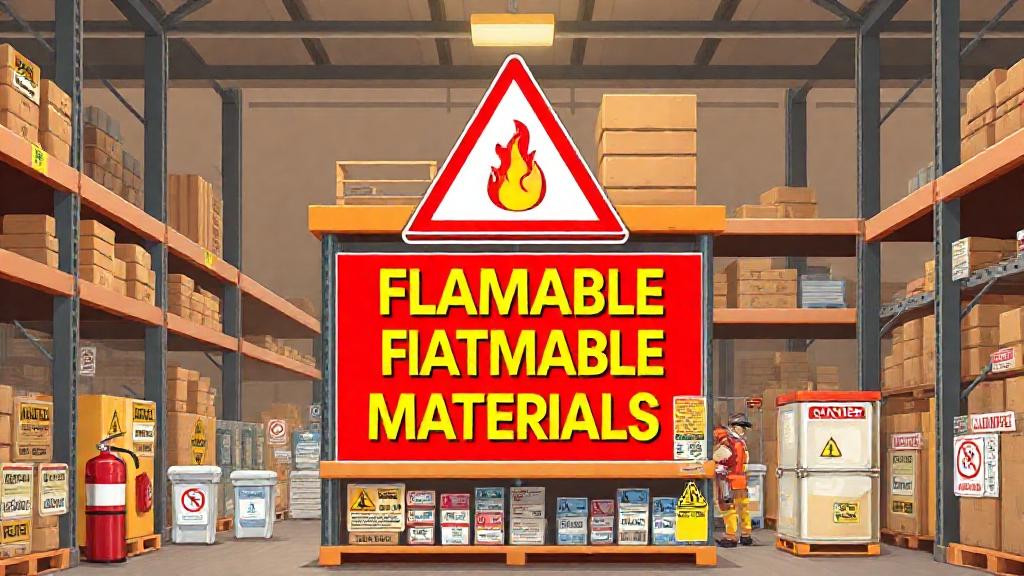
To ensure a safe working environment, it is crucial to display proper warning signs and caution labels for flammable materials storage, as this helps to alert employees and visitors of potential hazards.
The Occupational Safety and Health Administration (OSHA) provides guidelines for the proper labeling and storage of flammable materials, including the use of warning signs and labels.
These signs and labels should be clearly visible and easily understandable, providing critical information about the hazards associated with the stored materials.
Maintenance and Protection of Licensed Premises and Fire Safety Systems Against Tampering
Protecting licensed premises from tampering is crucial for ensuring public safety.
Conduct regular inspections to identify potential vulnerabilities in fire safety systems.
Install tamper-proof devices to prevent unauthorized access to critical systems.
Monitor surveillance footage to detect and respond to potential tampering incidents.
Train staff to recognize and report suspicious activity or system malfunctions.
Test fire safety systems regularly to ensure they are functioning correctly.
SCDF Inspection and Approval Process for P&FM Storage Licence Applications Explained
To ensure a smooth and successful application process, comprehensive preparation is key.
A flurry of documents and certifications are required — what exactly are the requirements for P&FM storage licence applications?
The SCDF inspection and approval process can be complex and time-consuming, requiring meticulous attention to detail and compliance with regulations.
Storage facilities must adhere to strict guidelines, including proper storage and handling procedures, emergency response plans, and regular maintenance schedules — all of which are critical to ensuring a safe working environment.
Determining Exemption Quantities for Individual Flammable Materials in P&FM Regulations
Contrary to popular belief, not all flammable materials are treated equally under Process and Finished Goods Management (P&FM) regulations.
In fact, many exemptions exist for specific quantities of individual materials.
The average company can reduce compliance costs by up to 30% by accurately determining exemption quantities for individual flammable materials in their operations.
Role of Qualified Persons in Ensuring Fire Safety Compliance for P&FM Storage Facilities
The role of qualified persons in ensuring fire safety compliance for petroleum and flammable materials (P&FM) storage facilities is multifaceted, involving the implementation of stringent safety protocols, regular inspections, and staff training to mitigate potential risks.
These individuals must possess in-depth knowledge of relevant regulations, such as the Singapore Standard SS 551:2016, to ensure that facilities are designed and operated in accordance with established safety standards.
Moreover, qualified persons are responsible for conducting thorough risk assessments to identify potential fire hazards and developing strategies to minimize these risks, thereby protecting people, the environment, and assets.
In conclusion, the successful navigation of the P&FM SCDF submission process requires a meticulous approach, precise coordination, and attention to detail.
By understanding the intricacies of the process and staying abreast of the latest developments, individuals and organizations can avoid potential pitfalls and ensure a seamless and compliant process.
Ultimately, the key to a successful P&FM SCDF submission lies in the expertise of qualified persons, accurate documentation, and compliance with fire safety regulations.