
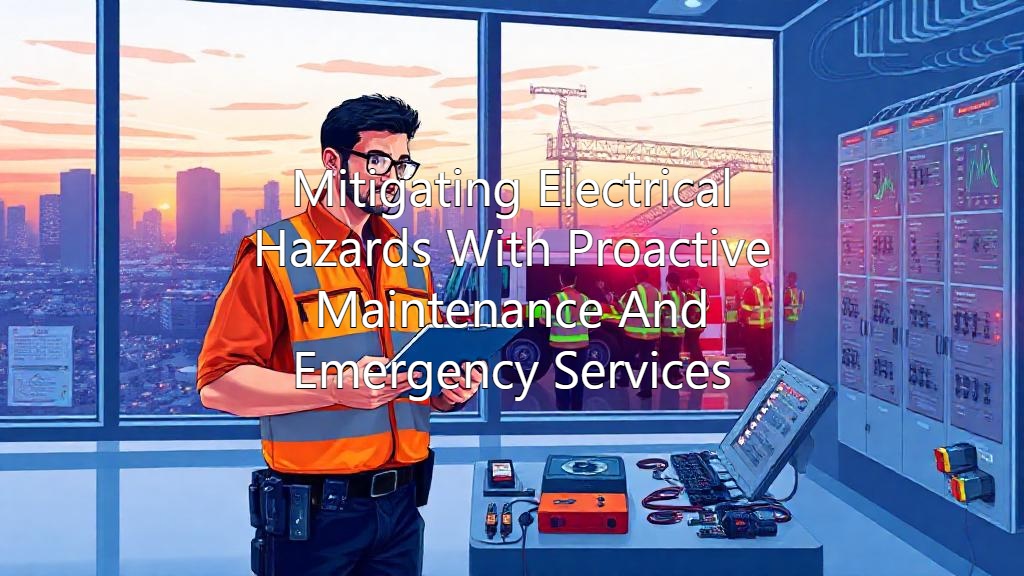
As the backbone of modern infrastructure, electricity powers homes, industries, and daily lives, but it can also be a silent killer, lurking in the shadows like a ticking time bomb, waiting to unleash its fury in the form of electrical shocks, fires, or explosions.
The stark reality is that electrical hazards claim thousands of lives and cause billions of dollars in damages worldwide each year, with the National Fire Protection Association estimating that electrical fires account for approximately 51,000 home fires annually in the United States alone.
Just as a master chef carefully tends to a simmering pot, precarious electrical systems demand constant monitoring and maintenance to prevent a catastrophic boil-over.
By adopting a proactive approach to electrical maintenance and emergency services, individuals and organisations can significantly reduce the risk of electrical hazards, ensuring a safe and stable flow of power.
Proactive Electrical Maintenance Strategies For Reducing Hazards And Ensuring Compliance
Proactive electrical maintenance is crucial for preventing electrical hazards and ensuring compliance with regulatory standards, which can help protect people and properties from electrical accidents.
Effective maintenance strategies can also reduce downtime, improve productivity, and minimise financial losses.
By prioritising electrical maintenance, individuals and organisations can create a safer and more reliable electrical infrastructure.
Electrical accidents can happen in an instant, leaving devastating consequences that can be permanent and irreversible.
- Regular inspections can help identify potential electrical hazards before they become major issues.
- Infrared scanning can detect heat signatures that may indicate faulty or damaged electrical equipment.
- Predictive maintenance can help prevent electrical accidents by identifying potential problems before they occur.
Implementing Scheduled Inspections And Testing For Early Issue Detection And Prevention
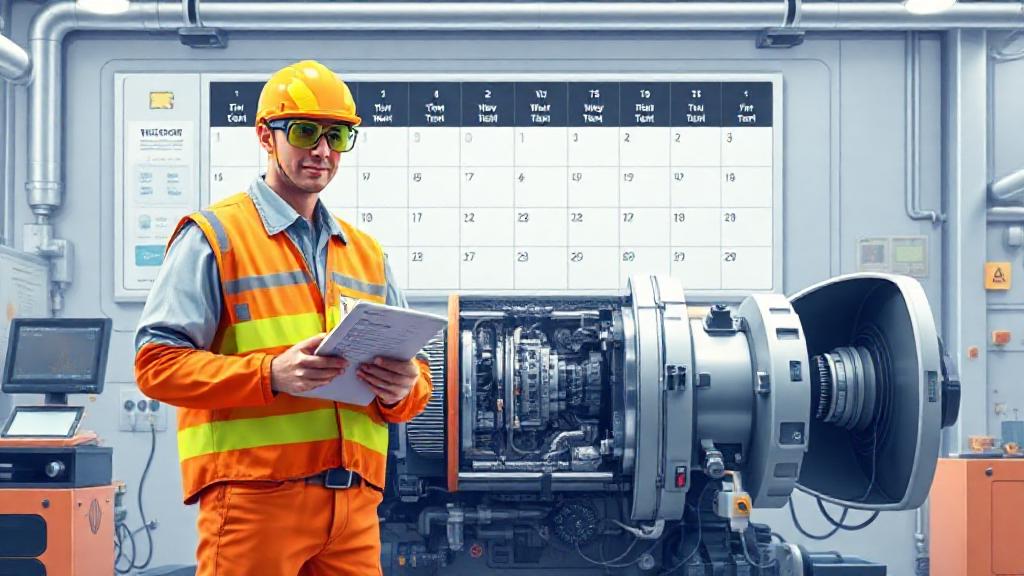
Managing a facility requires smooth functionality, and unexpected breakdowns can be costly.
Regular inspections and testing could have identified the issue earlier, preventing the disruption.
Implementing a scheduled maintenance routine can help detect potential problems before they escalate.
This proactive approach allows for timely interventions, reducing the risk of unexpected failures.
With a well-planned inspection and testing schedule, it is possible to take the first step towards a more reliable and resilient operation.
Conducting Visual Inspections And Advanced Testing For Predictive Maintenance And Safety
A notable example of the importance of visual inspections and advanced testing is the case of a manufacturing plant in Singapore that implemented a predictive maintenance program, which helped reduce equipment downtime by 30% and increased overall productivity by 25%.
The program involved conducting regular visual inspections of equipment and using advanced testing techniques such as vibration analysis and thermal imaging to detect potential issues before they became major problems.
This proactive approach allowed the plant to schedule maintenance during planned downtime, reducing the risk of unexpected failures and ensuring a safer working environment.
The use of visual inspections and advanced testing is crucial for identifying potential equipment failures and ensuring the safety of personnel and equipment.
Reviewing Electrical Panels And Transformers For Compliance And Risk Reduction Purposes
Reviewing electrical panels and transformers is a crucial process that involves a thorough examination of the electrical system’s infrastructure.
This process requires a meticulous and skilled professional who can identify potential risks and ensure that the electrical system is compliant with the relevant regulations and standards.
The review process typically involves a visual inspection of the electrical panels and transformers, as well as testing and measurement of various parameters, such as voltage, current, and temperature, to ensure that they are within the acceptable limits.
The goal of this review is to identify any potential defects or weaknesses that could lead to a failure, and to take corrective action to mitigate these risks.
Identifying Potential Electrical Hazards Through Predictive Maintenance And Compliance Audits

To minimise the risk of electrical accidents, it is crucial to implement a proactive approach, such as predictive maintenance and regular compliance audits.
This involves the use of advanced technologies, including infrared scanning and power quality analysis, to detect potential issues before they become major problems.
By doing so, businesses can reduce downtime, prevent equipment damage, and ensure a safer working environment.
Moreover, compliance audits help to identify areas of non-compliance with electrical safety standards and regulations.
Reducing Maintenance Costs And Improving Reliability Through Proactive Electrical Servicing
Proactive electrical servicing can significantly reduce maintenance costs and improve reliability.
- Conducting regular inspections to identify potential issues before they become major problems
- Implementing predictive maintenance techniques to reduce downtime and increase efficiency
- Utilising advanced technologies such as thermal imaging and power quality analysis to detect hidden faults
- Developing a comprehensive maintenance schedule to ensure consistency and accountability
- Training personnel to recognise and respond to potential electrical hazards
Ensuring Safety And Fire Protection Compliance Through Regular Electrical System Maintenance
Regular maintenance is key: it helps prevent electrical fires and ensures compliance with safety standards.
A safe working environment — with functioning exit signs and emergency lighting- is essential for employee well-being.
Effective electrical system maintenance can help reduce the risk of electrical accidents and fatalities.
Safety protocols are in place to prevent disasters from happening.
It all starts with a thorough inspection of the electrical system, including wiring, circuits, and connectors, to identify potential hazards and address them before they become major issues.
Developing A Comprehensive Maintenance Schedule For Electrical Systems And Assets
Many believe that electrical systems are inherently self-sustaining and require minimal maintenance, but this couldn’t be further from the truth.
In reality, neglecting regular maintenance can lead to costly repairs and even safety hazards.
A well-planned maintenance schedule is crucial for preventing downtime and ensuring optimal performance.
A proactive approach to maintenance can help identify potential issues before they become major problems, reducing the risk of equipment failure and minimising downtime.
Utilising CMMS And Preventive Maintenance Software For Streamlined Electrical Maintenance Operations
The implementation of Computerised Maintenance Management Systems (CMMS) and preventive maintenance software can significantly enhance the efficiency and effectiveness of electrical maintenance operations.
This integrated approach allows maintenance teams to proactively identify potential issues, reduce downtime, and optimise resource allocation, ultimately leading to improved reliability, safety, and cost savings.
Furthermore, the use of CMMS and preventive maintenance software facilitates the creation of a centralised knowledge base, enabling the standardisation of maintenance procedures and the dissemination of best practices across the organisation.
By leveraging these technologies, electrical maintenance teams can shift from a reactive to a proactive mindset, focusing on preventive measures rather than corrective actions.
The result is a more efficient and reliable electrical maintenance operation.
As we move forward in an increasingly electrified world, the importance of proactive maintenance and emergency services in mitigating electrical hazards cannot be overstated.
By investing in regular maintenance and having a plan in place for emergencies, we can significantly reduce the risk of electrical hazards and create a safer environment for everyone.