

Buying or selling a residential property can be a complex and daunting task, with many potential pitfalls and surprises along the way.
The average home inspection can cost between $300 to $1,000, which is a small price to pay for the peace of mind that comes with knowing exactly what you’re getting into.
A comprehensive home inspection checklist is a valuable tool that can help homeowners and inspectors identify potential issues and avoid costly surprises down the line.
Understanding the Importance of Comprehensive Home Inspection Checklists for Residential Properties
A comprehensive home inspection checklist is crucial for identifying potential issues in a residential property, helping homebuyers or renters make informed decisions.
It provides a systematic approach to evaluating the condition of a property, from its exterior to interior, and helps in detecting potential problems early on.
By using a personalized home inspection checklist, individuals can ensure a thorough evaluation of the property, saving them from costly repairs or renovations in the long run.
The discovery of a hidden defect in a property can be a devastating financial blow to an unsuspecting buyer.
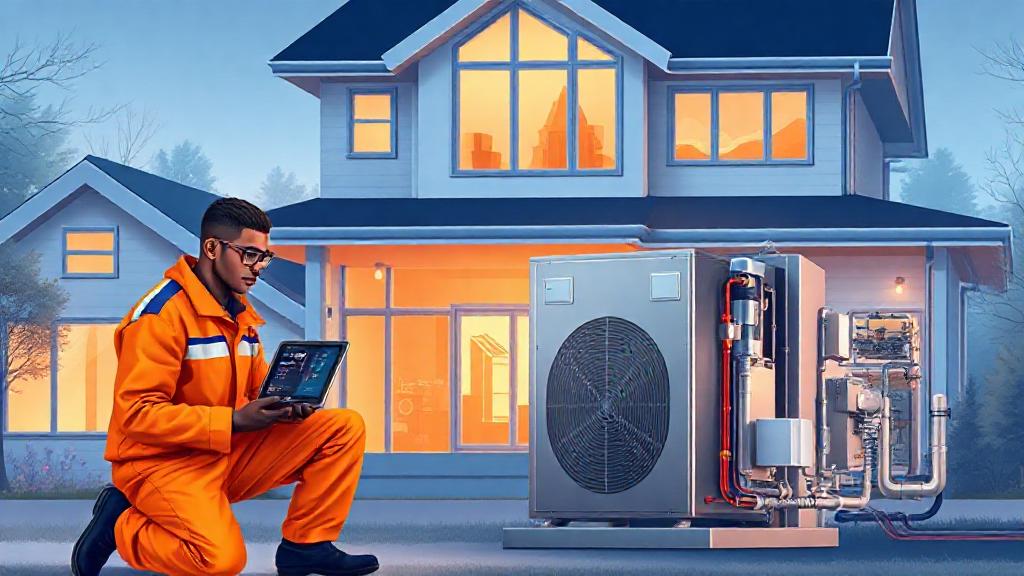
- A detailed home inspection checklist can help identify potential issues with plumbing, electrical, and HVAC systems.
- Exterior inspections can reveal problems with roofing, siding, and foundation, which can lead to costly repairs if left unchecked.
- Conducting a room-by-room evaluation can help ensure that no area of the property is overlooked, providing a comprehensive understanding of its condition.
Siding

As you step outside your home, you notice the exterior walls could use a renovation to withstand the region’s climate and occasional heavy rainfall.
You start thinking about replacing the old siding with a more durable and low-maintenance option.
Your mind begins to wander, considering the various materials and styles available.
You might be wondering what type of siding would be best suited for your home, taking into account factors such as cost, durability, and aesthetic appeal.
A friendly explanation is that siding is not just about appearance; it also plays a crucial role in protecting your home from the elements and reducing energy consumption.
With so many options to choose from, including vinyl, brick, and fiber cement, it’s essential to do your research and consider your specific needs and budget.
Identifying and Addressing Foundation Issues
Inspecting interior systems is crucial in identifying foundation issues, as signs of damage can manifest in various ways, such as cracks in walls and ceilings, uneven flooring, and sticking doors and windows.
For instance, a homeowner noticed that their floor was uneven and discovered that it was due to a foundation issue caused by soil settlement.
This highlighted the importance of regular inspections to prevent further damage.
The homeowner was able to address the issue by hiring a professional to repair the foundation, which prevented more costly repairs down the line.
Regular inspections can help identify potential foundation issues early on, allowing homeowners to address them before they become major problems.
By checking for signs of damage and monitoring the condition of the foundation, homeowners can take proactive steps to prevent costly repairs and ensure the stability and safety of their home.
Homeowners can also take steps to prevent foundation issues by ensuring proper drainage around the home and maintaining a consistent moisture level in the soil.
This can include installing a French drain or adjusting the grading of the yard to direct water away from the home, which can help reduce the risk of foundation damage and other related issues.
Including Plumbing
Plumbing is the backbone of any building, providing the necessary infrastructure for water, gas, and waste management.
A well-designed and well-maintained plumbing system can bring comfort and convenience to a home or business.
On the other hand, a poorly designed or neglected system can lead to costly repairs, health hazards, and environmental damage.
Highlighting the need for regular maintenance, inspection, and repair of plumbing systems, and the importance of hiring licensed and experienced plumbers.
Plumbing systems are becoming increasingly connected and integrated with other systems in the home, such as heating and cooling systems, and security systems.
This has opened up new possibilities for energy efficiency, convenience, and comfort, but also raises important questions about data privacy and security.
Tips for Choosing the Right HVAC System
When it comes to selecting an HVAC system, there are several factors to consider, including the size of the space, the climate, and the budget.
A well-chosen HVAC system can provide efficient heating and cooling, reducing energy costs and improving indoor air quality.
Additionally, a suitable HVAC system can also enhance the overall comfort and productivity of a space.
Moreover, it is essential to consider the maintenance and repair costs of the system over its lifetime.
Beyond that, it is crucial to evaluate the different types of HVAC systems available, such as split systems, packaged systems, and ductless systems.
Each type has its advantages and disadvantages, and the right choice will depend on the specific needs and circumstances of the space.
Electrical Components and Home Inspection
Home inspections can reveal hidden electrical issues.
- Detect faulty wiring and outdated electrical panels
- Identify overloaded circuits and insufficient grounding
- Locate damaged or exposed wires and cords
- Recognize non-compliant electrical installations and DIY disasters
- Prioritize repairs and replacements to ensure safety
By addressing these common electrical issues, homeowners can prevent accidents and ensure a safe living space, ultimately saving time and money in the long run.
Such as Safety Hazards and Structural Flaws
A thorough home inspection can uncover potential issues: hidden damages, needed repairs, and underlying concerns that may impact the property’s value.
Safety first — always a top priority.
The inspection report will outline the findings, including any crucial repairs that must be addressed immediately, to ensure the property is secure and safe for occupants.
Focusing on the roof, electrical system, plumbing, and foundation — all critical components that require attention.
A plan of action is needed, and then: implementation of corrective measures, repairs, and potential renovations to bring the property up to standard.
Because safety hazards can be lurking everywhere — in the walls, under the floor, behind the scenes.
It is essential to tackle these issues head-on, to avoid more costly problems down the line, and to create a safe and comfortable living environment.
Debunking the Notion that More Content is Always Better
Contrary to popular belief, churning out excessive content can be detrimental to a website’s ranking, as it can lead to a decrease in quality and an increase in redundancy.
This approach can ultimately harm the user experience and search engine credibility.
In reality, a well-planned and executed content strategy focuses on quality over quantity.
A great example of this is a website that publishes a single, in-depth, and highly informative article per week, which attracts more engagement and backlinks than a site that posts multiple low-quality articles daily.
“The key is not to prioritize quantity over quality, but to focus on creating content that resonates with your audience and provides value to them.”
Crafting SEO-Friendly Subheadings for Enhanced Reflection
The incorporation of evergreen keywords into subheadings can significantly enhance the search engine optimization (SEO) of a webpage, allowing it to remain relevant and visible over an extended period.
This approach requires a thoughtful balance between keyword optimization and the provision of valuable, high-quality content that encourages reflection and inspires meaningful connections with the audience.
Effective SEO-friendly subheadings should ideally be concise, yet informative, and include a call to action or a thought-provoking question that prompts readers to delve deeper into the topic, fostering a culture of continuous learning and improvement.
As we finalize the home inspection checklist, the meticulous process of examining every nook and cranny of a residential property comes full circle, much like the initial walk-through that sparked the desire to create a thorough evaluation tool.
With a comprehensive checklist in hand, homeowners and inspectors can now navigate the intricate landscape of a property’s condition, uncovering potential issues before they become major headaches.
The journey to creating this checklist has been one of discovery, highlighting the importance of attention to detail and the value of a well-maintained home.
As we look to the future, the question remains: what other hidden gems or potential pitfalls will a thorough home inspection reveal, and how will this newfound knowledge shape the way we approach residential property ownership.
Ultimately, the true power of a comprehensive home inspection checklist lies in its ability to empower homeowners to make informed decisions, fostering a sense of confidence and peace of mind in their most valuable investment.