
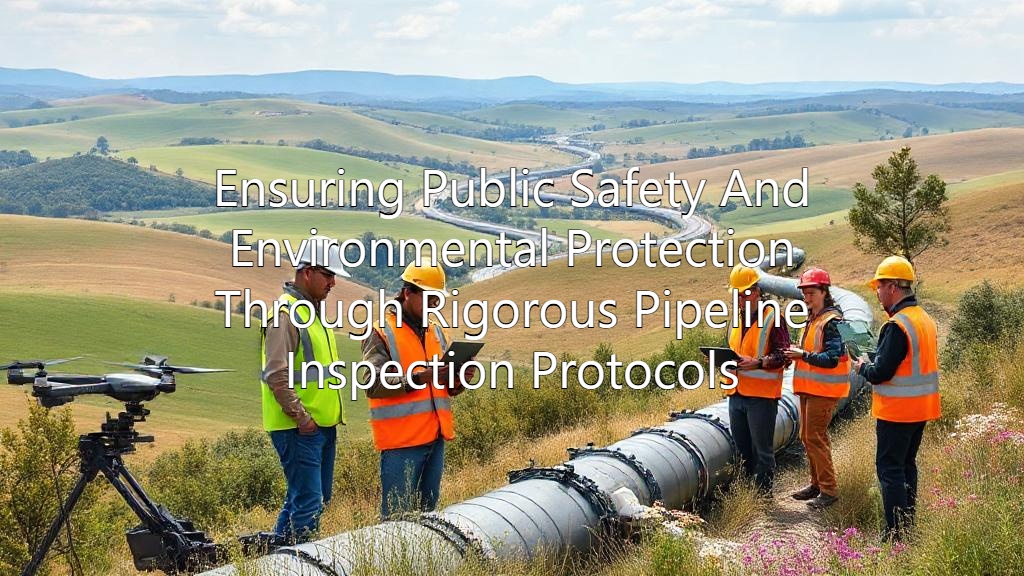
As the intricate network of pipelines crisscrosses the globe, much like the human body’s circulatory system, it’s astonishing to consider that a single rupture can have devastating consequences, affecting not only the environment but also the very lifeblood of communities.
With thousands of miles of pipelines transporting volatile materials, the question arises: what safeguards are in place to prevent ecological disasters and ensure public safety?
The answer lies in rigorous pipeline inspection protocols, a crucial process that involves employing cutting-edge technologies to detect potential weaknesses and anomalies.
By leveraging advanced methods such as inline inspections, aerial surveillance, and ground-penetrating radar, pipeline operators can identify and address vulnerabilities before they become major incidents, thereby protecting both the environment and the people who depend on these vital infrastructure systems.
Improving Pipeline Safety Through Rigorous Inspection Protocols And Regulatory Compliance
Pipeline safety is a critical concern that requires meticulous attention to detail, adherence to strict regulations, and a commitment to continuous improvement.
The importance of pipeline safety cannot be overstated, as it directly impacts the well-being of communities and the environment.
- Proactive inspection protocols can help identify potential issues before they become major problems, reducing the risk of accidents and environmental damage.
- Regular maintenance and repairs are essential for ensuring the integrity of pipeline systems and preventing failures.
- Implementing advanced technologies, such as drones and sensors, can enhance pipeline inspection and monitoring capabilities, enabling more effective and efficient safety management.
Reducing Pipeline Failure Frequency With Comprehensive Inspection And Detection Methods
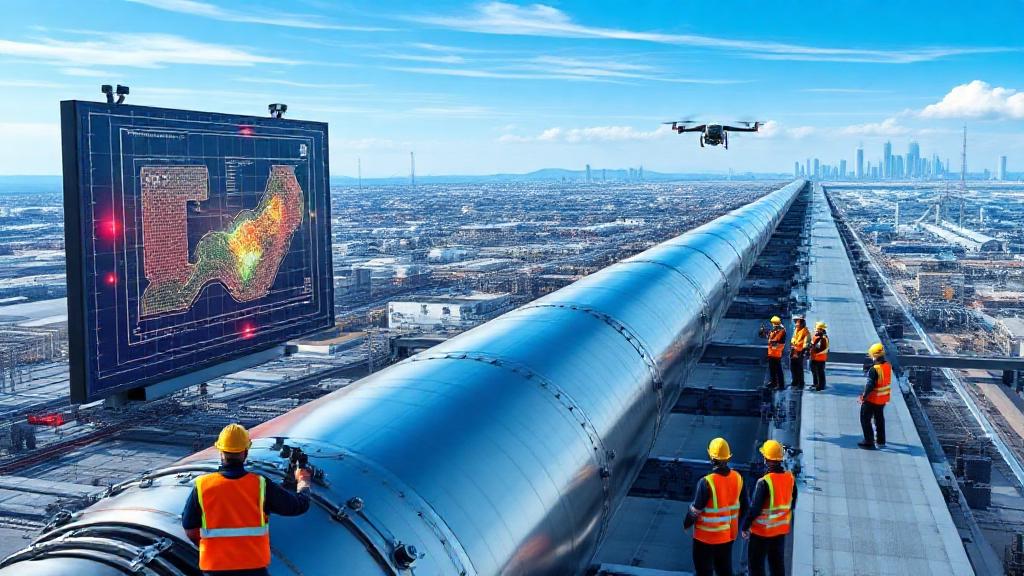
To achieve a holistic approach to pipeline inspection and detection, it’s essential to incorporate cutting-edge technologies and methodologies that can identify potential issues before they escalate into major problems.
This includes utilising advanced non-destructive testing techniques, such as ultrasonic testing and radiography, to detect cracks, corrosion, and other forms of damage.
By investing in comprehensive inspection and detection methods, pipeline operators can significantly reduce the risk of pipeline failures.
Understanding The Mega Rule And Its Impact On Onshore Gas Transmission Pipeline Safety
The Mega Rule has prompted operators to adopt more rigorous inspection and maintenance schedules, reducing the risk of accidents and environmental damage.
By implementing these enhanced safety measures, onshore gas transmission pipeline operators can minimise the likelihood of catastrophic failures, protecting both people and the environment.
The updated regulations have also driven innovation in the industry, with companies developing and implementing new technologies to improve pipeline safety and efficiency.
Implementing Effective Leak Detection Standards For Gas Pipelines To Prevent Disasters
Implementing effective leak detection standards for gas pipelines is a complex and multifaceted process that requires a thorough understanding of the pipeline’s design, operation, and maintenance history.
The development of effective leak detection standards, such as those outlined in industry guidelines and regulations, is essential to prevent disasters and ensure the safe and reliable operation of gas pipelines.
Like a safety net, effective leak detection standards catch potential disasters before they happen.
Assessing Pipeline Integrity Threats, Including External Corrosion And Stress Corrosion Cracking
To ensure the safe operation of pipelines, it’s crucial to identify and mitigate potential threats, including external corrosion and stress corrosion cracking.
Regular inspection and maintenance are essential to prevent external corrosion and ensure the pipeline’s integrity.
Using Advanced Inspection Tools Like the Pipeline Inspection Gauge For In-Line Inspection Surveys
Advanced inspection tools enhance pipeline survey efficiency, including:
- Conducting thorough inspections with pipeline inspection gauges to identify potential issues
- Utilising smart pig technology for efficient data collection and analysis
- Deploying remote-operated vehicles for complex pipeline inspections
- Analysing data from inspection surveys to predict potential pipeline failures
- Implementing proactive maintenance strategies to prevent pipeline damage
Developing Robust Integrity Management Programs For Pipeline Operators And Owners
A well-designed integrity management program is crucial for pipeline operators, requiring a comprehensive approach that includes regular inspections and maintenance to ensure the integrity of pipelines and prevent accidents.
Enhancing Public Safety And Environmental Protection Through Proactive Pipeline Maintenance Strategies
Proactive pipeline maintenance strategies can actually save lives and money in the long run, as neglecting pipeline maintenance can lead to catastrophic consequences, including explosions, spills, and environmental disasters.
Regular maintenance can significantly reduce the risk of pipeline failures.
Ensuring Compliance With PHMSA Regulations And Standards For Pipeline Inspection And Repair Services
Ensuring compliance with PHMSA regulations and standards for pipeline inspection and repair services is crucial to prevent accidents, protect the environment, and avoid costly fines and penalties.
Compliance with PHMSA regulations requires a proactive and systematic approach to pipeline inspection and repair, leveraging advanced technologies and industry best practices to ensure the safe and reliable operation of pipelines.
As the future of pipeline inspection protocols continues to evolve, the importance of rigorous pipeline inspection protocols will only continue to grow, with advancing technologies and increasing global demands for energy and resources.
The safety of communities and the preservation of the environment depend on the diligent implementation of these protocols, a responsibility that weighs heavily on the shoulders of industry leaders and regulatory bodies.
Like sentinels guarding against potential disaster, pipeline inspectors stand watch, ever vigilant for the slightest sign of weakness or wear, their work a testament to the enduring pursuit of public safety and environmental stewardship.