
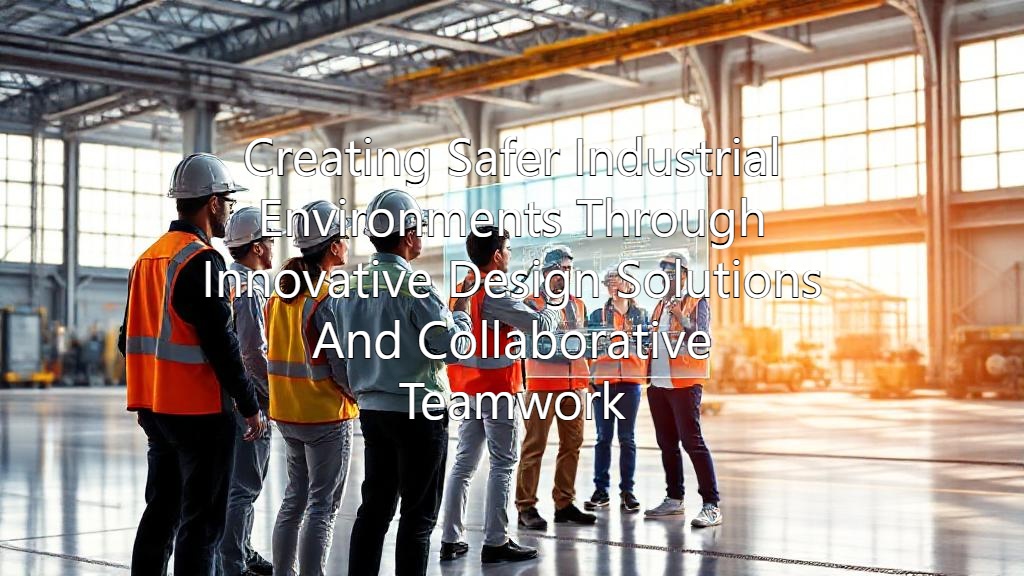
The industrial environment is a complex system where every element plays a crucial role in ensuring safety and efficiency.
A well-designed industrial environment can be a masterpiece of safety and efficiency, where every innovation and collaboration blends together to create a harmonious workplace.
However, a lone oversight in industrial design can have devastating consequences, resulting in injuries, fatalities, and irreparable damage to the environment.
The question remains: how can industries create safer industrial environments that not only protect workers but also foster a culture of proactive risk management?
By embracing innovative design solutions and collaborative teamwork, industries can transform their workplaces into robust, resilient, and reliable systems that prioritize the well-being of people and the planet.
1. Implementing Human-Centred Design Principles to Enhance Industrial Workplace Safety and Productivity
Implementing human-centred design principles in industrial workplaces can lead to significant improvements in safety and productivity by prioritising the needs and well-being of workers.
This approach involves a deep understanding of the workers’ tasks, workflows, and challenges to create a more efficient and safe work environment.
By doing so, industries can reduce the risk of accidents and injuries, ultimately enhancing their overall performance and reputation.
- Worker satisfaction is a crucial factor in determining the success of human-centred design implementations.
- Effective communication between workers, managers, and designers is key to identifying and addressing workplace challenges.
- By empowering workers to take an active role in the design process, industries can unlock new avenues for innovation and growth.
2. Breaking Down Physical and Functional Silos to Foster Collaboration and Innovation in Industrial Settings
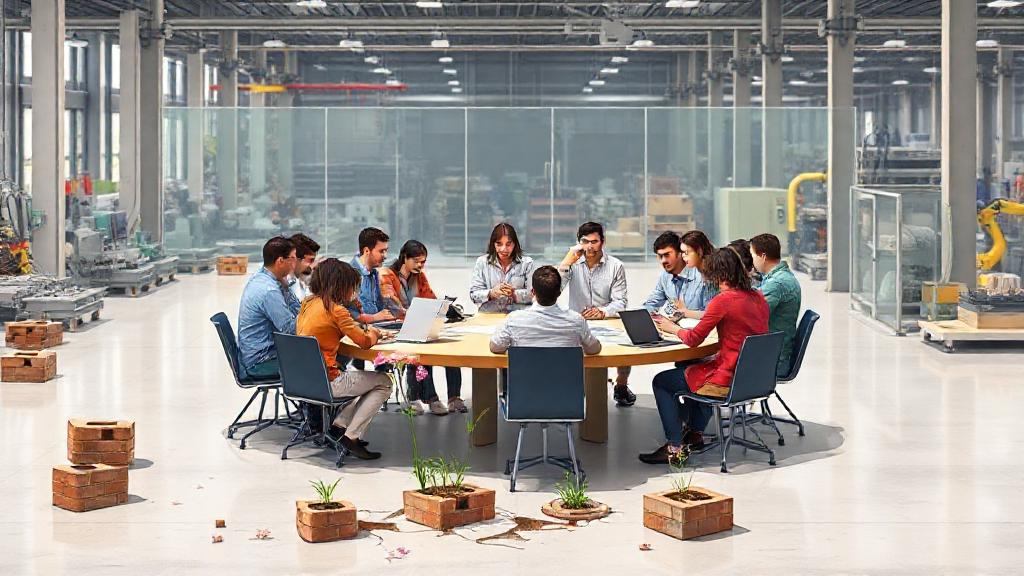
Imagine walking into a workplace, surrounded by separate departments, each with its own distinct culture and communication style, often leading to misunderstandings and missed opportunities.
By recognising the physical and functional silos that exist within a company, it is possible to address the root causes of fragmentation and work towards a more integrated, collaborative environment.
This might involve implementing new communication channels, redesigning workflows, or providing training programs that encourage cross-functional teamwork and innovation.
3. Leveraging Prevention Through Design Concepts to Reduce Occupational Safety and Health Hazards
A notable example of Prevention Through Design (PTD) in action is the design of a new manufacturing facility with automated machinery and ergonomic workstations, which significantly reduced the risk of musculoskeletal disorders and machine-related accidents among workers.
The core idea of PTD is to proactively address potential safety and health hazards through design solutions, rather than relying solely on personal protective equipment or administrative controls.
By incorporating PTD principles into the design process, organisations can create inherently safer work environments that reduce the risk of occupational injuries and illnesses.
4. Creating Visually Connected Laboratory and Office Spaces to Reinforce Cross-Disciplinary Collaboration
Designing laboratory and office spaces that foster cross-disciplinary collaboration is akin to composing a rich tapestry, where each thread meticulously woven together creates a vibrant and dynamic whole.
By incorporating transparent glass walls, open floor plans, and strategically placed common areas, researchers and professionals from diverse backgrounds can converge and exchange ideas, stimulating creativity and novel solutions.
5. Developing Strategic Advantages Through Thoughtful and Precision-Centric Industrial Workplace Design
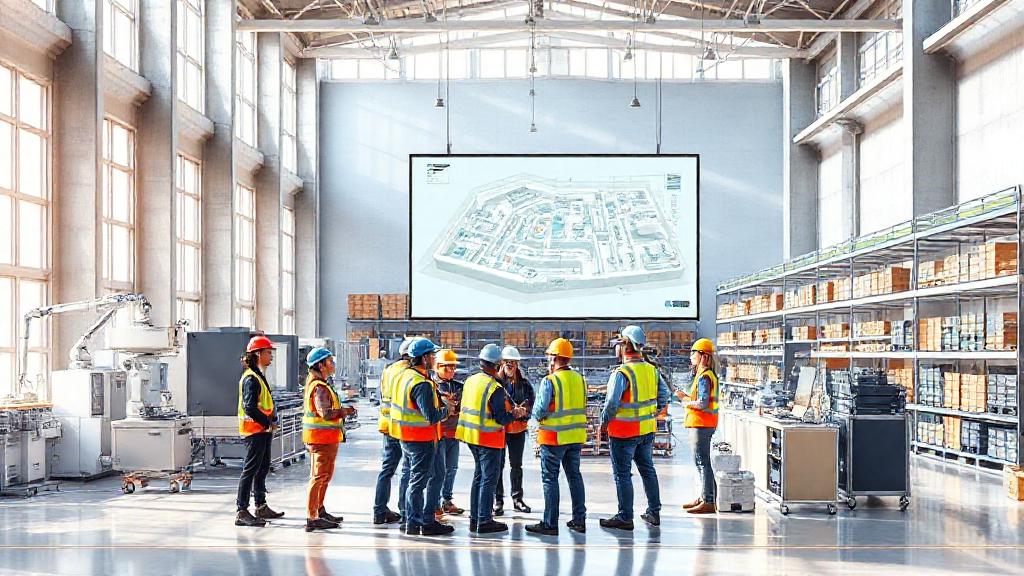
To create a competitive edge, companies must focus on designing industrial workplaces that prioritise efficiency, safety, and innovation.
By incorporating cutting-edge technology and ergonomic layouts, businesses can boost productivity and employee satisfaction, leading to increased revenue and a stronger market presence.
6. Utilising Shared Design Elements to Break Down Employee Silos and Support Future Business Growth
Breaking down silos is crucial for business expansion and innovation.
- Fostering collaboration and open communication among teams to encourage knowledge sharing
- Creating a unified brand identity that reflects the company’s mission and values
- Developing cross-functional training programs to enhance employee skills and adaptability
- Implementing shared design elements and tools to streamline workflows and increase productivity
- Encouraging feedback and suggestions from employees to drive continuous improvement and growth
7. Elevating Safety from Compliance to Core Strategy to Attract and Retain Frontline Industrial Talent
Elevating safety to a core strategy is crucial, as it creates a culture that values human life, which can be a game-changer in attracting and retaining top talent in the industrial sector.
To achieve this, companies must prioritise transparency, open communication, and employee feedback, and make a genuine effort to address concerns and implement changes that benefit their workers’ well-being.
8. Integrating High-Tech Human-Centric Safety Solutions to Minimise Preventable Injuries and Fatalities
Contrary to popular belief, traditional safety measures are no longer sufficient in today’s fast-paced work environments.
Companies that have adopted innovative safety solutions have seen a significant reduction in workplace incidents, such as a construction company in Singapore that implemented a wearable technology system that alerts workers of potential hazards, resulting in a 30% decrease in accidents.
9. Combining Artificial Intelligence and Human-Centric Design to Empower Environmental Health and Safety Teams
The integration of artificial intelligence and human-centric design is revolutionising the field of environmental health and safety, enabling teams to make data-driven decisions and predict potential hazards with greater accuracy.
By leveraging AI-powered tools, such as machine learning algorithms and natural language processing, teams can analyse vast amounts of data and identify patterns that may not be apparent through human analysis alone.
As industries strive to create safer industrial environments, they must continue to push the boundaries of what’s possible, harnessing the power of human ingenuity and technological innovation to forge a brighter, more resilient future for generations to come.