
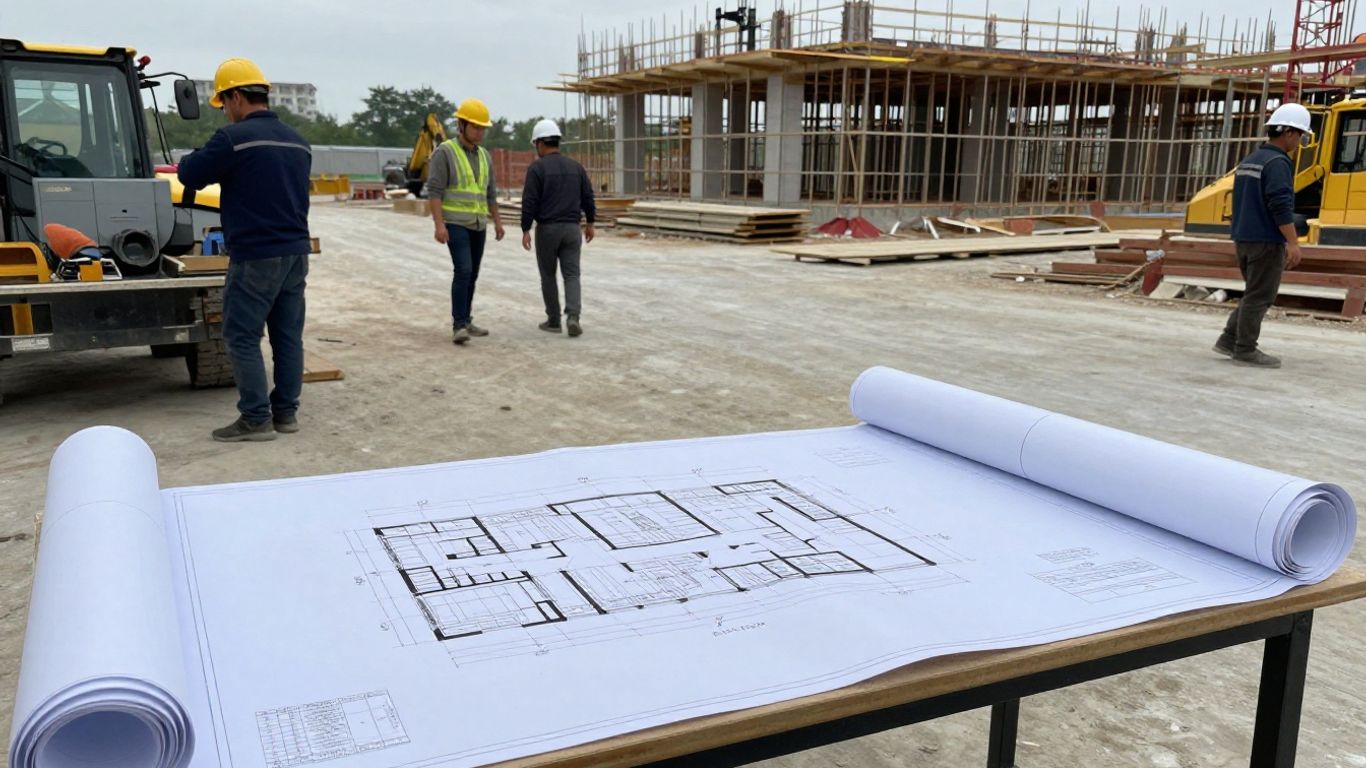
Building a private project is a big undertaking, and keeping everyone safe on site is super important. That’s where DFSP Construction comes in. It’s all about thinking ahead and making sure safety is built into the project from the very start, not just tacked on later. This approach helps avoid a lot of headaches and potential problems down the road. We’re going to break down what DFSP Construction means for private projects and why it’s such a game-changer for managing risks.
Key Takeaways
- DFSP Construction is about planning for safety from the earliest design stages, not just during the building phase. This proactive method helps spot and fix potential dangers before they become real problems on site.
- Integrating DFSP principles means safety is a core part of project planning, design reviews, and even the tendering process, making sure contractors are aware of and account for risks.
- During the actual construction, DFSP Construction focuses on overseeing the safety plan’s integrity and supervising high-risk activities, while day-to-day site safety remains with the site management.
- The DFSP Construction lifecycle extends beyond the build, providing crucial safety information for building operation, maintenance, and even future demolition phases.
- Digital tools like BIM and AI are becoming increasingly important in DFSP Construction, helping to identify clashes, track safety performance, and predict risks more effectively.
Understanding DFSP Construction For Private Projects
When we talk about building projects, especially private ones, there’s a lot more to consider than just the blueprints and the budget. We’re talking about making sure everyone stays safe from the moment the first shovel hits the ground until the building is eventually taken down. That’s where Design for Safety (DfS) principles come into play, and for private projects, it’s becoming increasingly important. It’s not just about following rules; it’s about being smart and proactive.
The Role of DFSP in Mitigating Construction Risk
Think of a Design for Safety Professional (DFSP) as a safety detective, but one who works before problems even have a chance to pop up. Their main job is to look at the design and figure out where things could go wrong from a safety perspective. This isn’t just for the construction crew; it’s for anyone who will ever use or interact with the building later on. By spotting potential hazards early, like tricky access points or areas where maintenance might be difficult, they can suggest design changes that make the whole process safer. This proactive approach helps avoid costly accidents and delays down the line. It’s about building safety in from the start, not trying to patch it up later. This is especially true when dealing with complex projects that might have unique challenges, like those involving environmental cleanup readiness [ca9f].
DFSP Construction: A Proactive Approach to Site Safety
Instead of waiting for an accident to happen and then reacting, DFSP construction flips the script. It’s all about anticipating risks and building solutions right into the design. This means that during the early stages, like conceptual design and feasibility studies, the DFSP is already identifying major safety concerns. They aren’t just looking at the structure; they’re thinking about how people will build it, use it, and even demolish it eventually. This forward-thinking mindset helps create a safer environment for everyone involved throughout the entire life of the project. It’s a shift from a reactive safety culture to a truly preventative one.
Integrating DFSP Principles into Project Planning
Getting DFSP principles into project planning means making safety a core part of the conversation from day one. It’s not an add-on; it’s woven into the fabric of the project. This involves:
- Early Hazard Identification: Spotting potential dangers during the initial design phases.
- Risk Assessment: Thoroughly evaluating the likelihood and impact of identified hazards.
- Design Reviews: Holding specific meetings to discuss and address safety concerns in the design.
- Documentation: Keeping a clear record of risks and how they are being managed, often in a Design for Safety Register.
This structured approach ensures that safety considerations are not overlooked amidst the complexities of design and construction. It’s about making informed decisions early on that have a lasting positive impact on site safety and operational efficiency. Building safety into the plan from the start is key to avoiding issues later on, much like how early planning for military construction projects can reduce contamination risks [cb75].
The core idea is that safety isn’t just the responsibility of the site supervisor; it’s a shared duty that starts with the design itself. By involving safety professionals early, we can influence decisions that have the biggest impact on reducing risks throughout the building’s life.
Key DFSP Construction Phases and Responsibilities
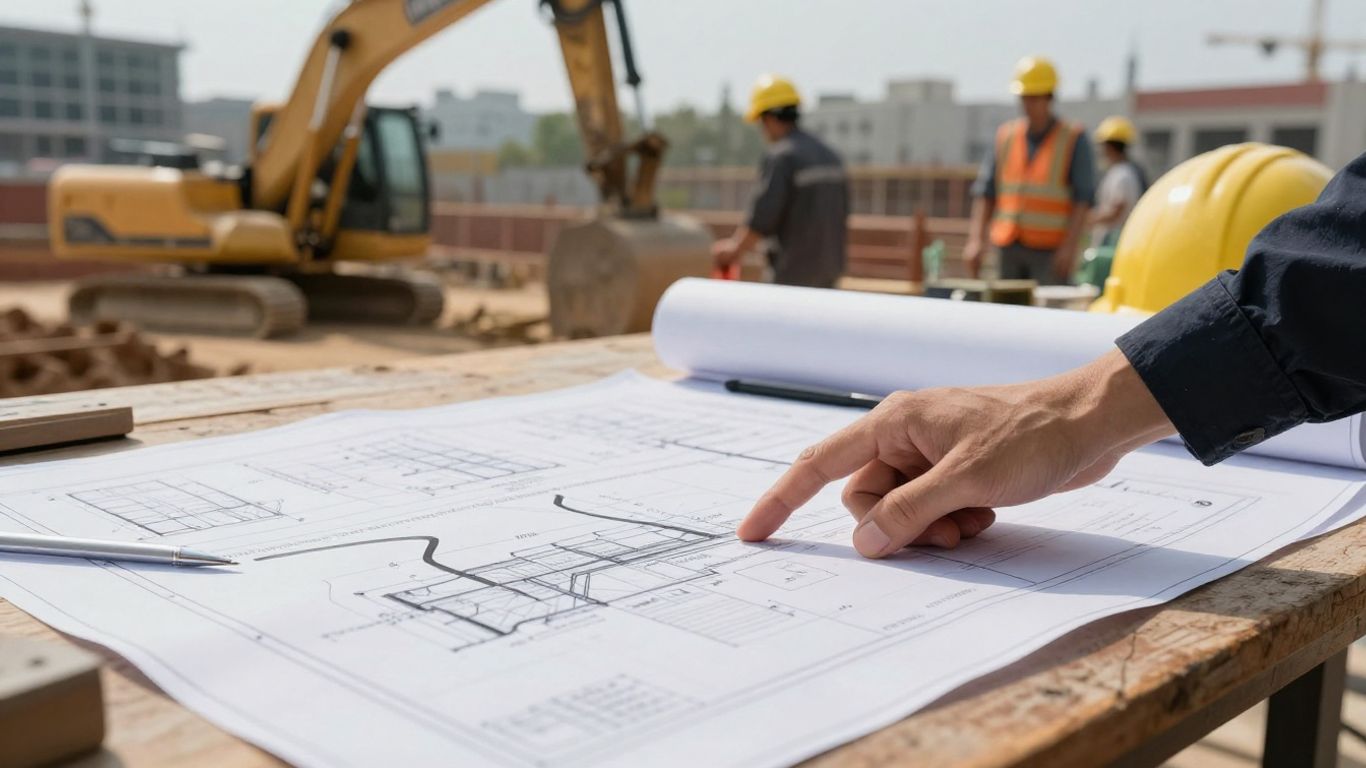
The Design for Safety Professional (DFSP) plays a vital role throughout the construction project, but their responsibilities shift depending on the stage. It’s not just about the building itself; it’s about the entire process leading up to and following the physical construction.
Conceptual Design and Feasibility: Early Hazard Identification
This is where it all begins, right at the project’s inception. The DFSP works with the client and the initial design team to look at the big picture. We’re talking about identifying major potential hazards that could have a significant impact down the line. Think about things like the overall building layout, the chosen construction methods, or even the site’s location. The earlier these risks are spotted, the easier and cheaper it is to deal with them. For instance, deciding on a prefabricated approach early on can avoid many on-site safety issues later. It’s about making smart, strategic choices from the get-go.
Detailed Design Reviews: Granular Risk Assessment
Once the concept is solid, we move into the detailed design phase. Here, the DFSP’s role becomes more about scrutinizing the specifics. This involves participating in design review meetings where architects, engineers, and other specialists come together. The DFSP guides these discussions, asking tough questions and making sure that safety isn’t an afterthought. We’re looking for any foreseeable risks that might have been missed and pushing for solutions that eliminate or minimize them. This is where the Design-for-Safety Register really starts to take shape, documenting every identified risk and the agreed-upon control measures. It’s a collaborative effort to make sure the plans are as safe as possible before any ground is broken. This phase is a great example of how integrating safety throughout all project stages can prevent issues. Integrating safety throughout all project stages
Pre-Construction and Tendering: Integrating Safety into Bids
Before the actual building starts, the DFSP bridges the gap between design and construction. A key part of this is making sure the DfS Register, with all its documented residual risks, is included in the tender documents given to potential contractors. This lets them know exactly what safety challenges to expect and factor those into their bids and schedules. It stops safety from being cut later because of unexpected costs. After a main contractor is chosen, the DFSP helps with a pre-construction review. This is where the contractor’s safety plans are formally handed over and integrated with the overall DfS plan. It’s about making sure everyone is on the same page regarding safety before the first shovel hits the dirt.
Here’s a look at the typical responsibilities during these phases:
- Hazard Identification: Spotting potential dangers in the early design stages.
- Risk Assessment: Evaluating the likelihood and impact of identified hazards.
- Control Measure Development: Proposing and documenting ways to eliminate or reduce risks.
- Design Review Participation: Actively contributing to design meetings with a safety focus.
- Register Maintenance: Keeping the DfS Register up-to-date with all findings and decisions.
The DFSP’s involvement isn’t just a checklist; it’s an ongoing process of proactive safety integration. By embedding safety considerations into each phase, we build a stronger foundation for a secure construction site and a safer end product.
DFSP Construction: Ensuring Site Safety and Operational Excellence
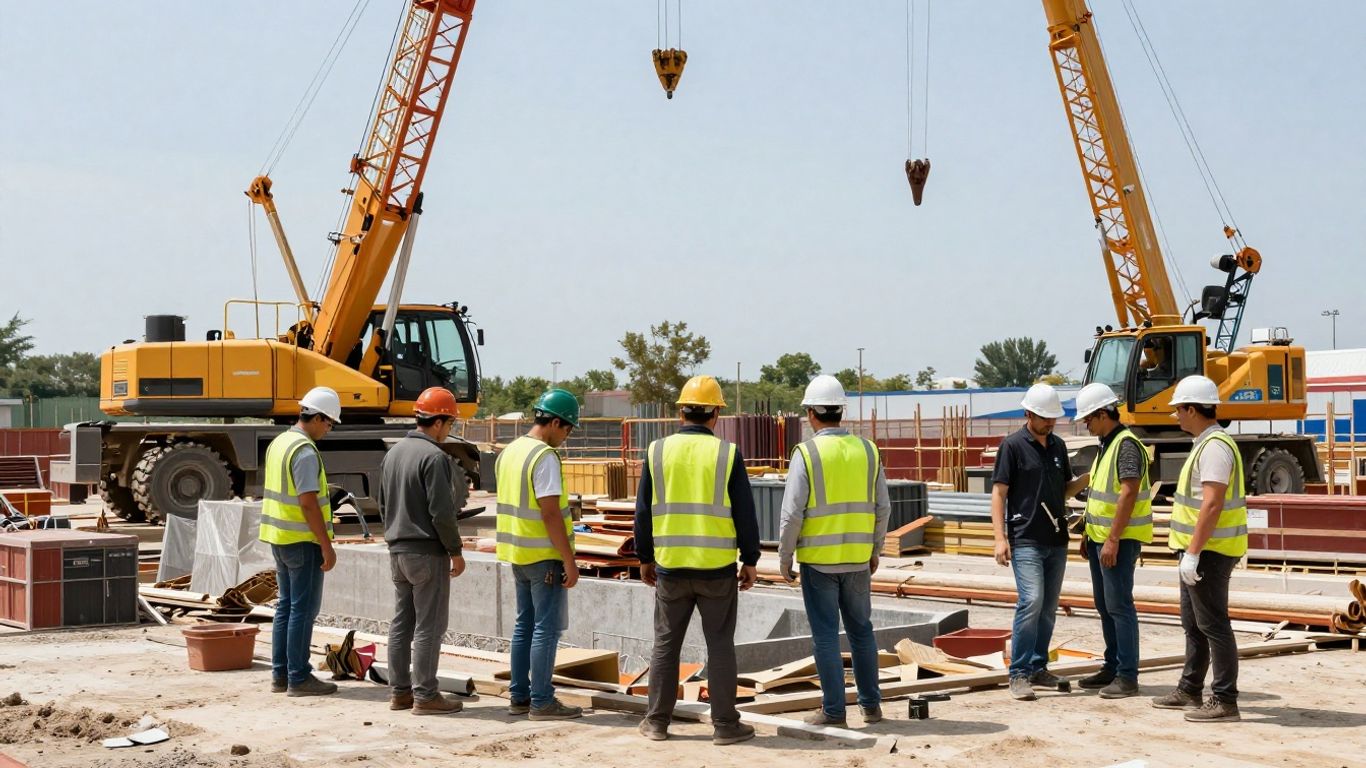
So, we’ve talked about planning and design, but what happens when the actual building starts? This is where the DFSP’s role shifts from the drawing board to the ground, focusing on keeping things safe and running smoothly. It’s not about micromanaging the day-to-day safety tasks – that’s for the site management team. Instead, the DFSP is there to make sure the safety plan developed earlier stays on track and that any new issues popping up are handled the right way.
Construction Phase Oversight: Maintaining DfS Plan Integrity
Once construction kicks off, the DFSP’s main job is to keep an eye on the Design for Safety (DfS) plan. They aren’t the ones telling workers how to do their jobs safely, but they do check if the contractor’s plans for doing specific tasks, like risk assessments and method statements, line up with the safety goals set out in the DfS Register. Think of it like a quality check for safety. If something unexpected comes up on site that relates to the design, the DFSP helps the team figure out a solution that still follows DfS principles, rather than just slapping on a quick fix that might not be safe long-term. This proactive oversight helps prevent problems before they become serious incidents. It’s about making sure the safety built into the design isn’t lost in the chaos of construction.
Daily Site Supervision and Quality Control
While the DFSP isn’t responsible for daily safety management, their involvement in oversight is key. This includes:
- Reviewing contractor method statements to confirm they align with the DfS plan.
- Checking that safety measures identified during the design phase are being implemented correctly.
- Participating in site walks to observe general safety practices and identify potential design-related hazards that might have been missed.
Quality control during construction is also indirectly supported by the DFSP’s focus. By ensuring that safety considerations are maintained, the overall quality of the work often improves. This means checking that materials used meet specifications and that construction methods don’t introduce new risks. It’s a collaborative effort, and the DFSP acts as a safety advocate throughout the process. For more on the responsibilities of a Design for Safety Professional, you can look into DFSP roles in Singapore.
High-Risk Activity Supervision and Safety Oversight
Certain activities on a construction site are just inherently more dangerous. The DFSP pays special attention to these, not by directly supervising, but by reviewing the plans and oversight for these high-risk tasks. This could include:
- Lifting Operations: Verifying that lifting plans are sound, equipment is certified, and exclusion zones are maintained.
- Working at Height: Confirming that edge protection, scaffolding, and personal fall arrest systems are in place and used correctly.
- Excavation Works: Monitoring shoring installations and ensuring safe access and egress.
This focused oversight on critical activities helps to prevent major accidents. It’s about ensuring that the controls designed to manage these risks are actually put into practice effectively. The goal is to maintain the integrity of the DfS plan even when facing the most challenging aspects of construction. This dedication to safety excellence is what sets projects apart, much like how organizations receive awards for their commitment to safety, such as the CNO Safety Award.
The DFSP’s role during construction is to be the guardian of the DfS plan, ensuring that safety decisions made on paper translate into safe practices on site. They bridge the gap between design intent and construction reality, facilitating solutions when challenges arise and keeping a watchful eye on high-risk activities.
The DFSP Construction Lifecycle: Beyond the Build
So, the building is up, and everyone’s packing up. But wait, the job of the Design for Safety Professional (DFSP) isn’t quite done yet. It actually stretches way beyond just the physical construction.
Post-Construction Handover: The As-Built Safety File
As the project wraps up, one of the DFSP’s last big tasks is making sure the DfS Register is finalized. Think of this as the "as-built" safety manual. It’s a really important document that the owner has to pass along to whoever will be managing the building next. This file is packed with all the info needed for safe operation and upkeep, keeping maintenance staff and others safe for years to come. It’s basically a record of all the safety considerations that went into the design and build.
Operation and Maintenance: Ensuring Long-Term Safety
This "as-built" safety file isn’t just for show. It’s a living document that helps facilities management teams understand potential hazards and how to handle them. Knowing about specific structural quirks or the location of certain materials means maintenance can be done safely and efficiently. This proactive approach prevents accidents and costly repairs down the line. The DFSP’s work here is all about making sure the building remains safe throughout its entire lifespan, not just during construction.
Demolition Phase: Legacy Safety Information
This is where the true lifecycle aspect of Design for Safety really shines. Decades later, when a building reaches the end of its useful life, that DfS Register, having been passed from owner to owner, gives the demolition crew vital information. It can point out unusual structural bits, hazardous materials, or other built-in risks that are super important for planning a safe tear-down. It shows that the DFSP’s efforts create a lasting safety legacy for the structure’s entire existence. This information is key for planning safe demolition, preventing unexpected issues that could endanger workers or the public.
The DFSP’s role doesn’t end when the last nail is hammered. It extends to the building’s entire operational life and even its eventual deconstruction, providing a continuous thread of safety information.
Leveraging Digital Tools in DFSP Construction
It’s pretty wild how much technology has changed construction, right? Back in the day, it was all paper drawings and hoping for the best. Now, we’ve got all these digital tools that can really help make sure things are built safely. It’s not just about making things look cool on a screen; it’s about catching problems before they become real headaches on site.
Building Information Modeling (BIM) for Clash Detection
Think of Building Information Modeling, or BIM, as a super detailed digital model of the entire project. It’s way more than just a 3D drawing. It’s like a database that holds all sorts of information about the building. For safety, this is a game-changer. We can use BIM to spot potential conflicts, or clashes, between different building systems. For example, imagine a big air duct running right through a crucial support beam. Catching that in the BIM model during the design phase means we can fix it easily on the computer. If we missed it, it could mean a major, expensive, and potentially dangerous fix on the actual construction site. This kind of early detection is a huge win for preventing accidents and keeping the project on track. It’s all about resolving issues in the digital studio before they cause trouble in the real world. We can even use it for things like plant organ instance segmentation in complex designs, ensuring every part is accounted for.
Digital Reporting and Safety Performance Tracking
Beyond just the design phase, digital tools are also changing how we track safety during construction. Instead of relying on handwritten notes or scattered spreadsheets, we can use digital platforms for reporting. This means daily site observations, incident reports, and safety checks can be logged instantly and accessed by the whole team. This makes it way easier to see trends in safety performance. Are there certain types of activities or specific areas of the site where more incidents are happening? Digital tracking helps us pinpoint these issues quickly. We can then focus our safety efforts where they’re needed most. It’s about moving from a reactive approach to a more proactive one, using data to make smart safety decisions.
Here’s a quick look at how digital reporting can help:
- Real-time Data Entry: Site teams can log safety observations and incidents as they happen.
- Centralized Information: All safety data is stored in one place, accessible to authorized personnel.
- Trend Analysis: Software can analyze data to identify patterns and high-risk areas.
- Improved Communication: Reports can be shared instantly, facilitating quicker responses to safety concerns.
Future Integration of AI in DFSP Capabilities
Looking ahead, Artificial Intelligence (AI) is set to really boost what we can do with Design for Safety. Imagine AI systems that can scan through all the project documents, building codes, and even past accident data. They could then automatically flag potential safety risks in the design that humans might miss. AI could even suggest safer alternative materials or design modifications. It’s like having an extra layer of intelligent review working 24/7. This could drastically cut down on design errors and make our construction sites even safer. The goal is to use these advanced tools to predict and prevent risks before they even have a chance to show up.
The shift towards digital tools in DFSP isn’t just about adopting new software; it’s about fundamentally changing how we approach safety. By integrating BIM for clash detection, using digital platforms for real-time reporting, and looking towards AI for predictive analysis, we’re building a more robust safety net for every project.
Overcoming Challenges in DFSP Construction Implementation
Implementing a Design for Safety Plan (DFSP) isn’t always a walk in the park. The construction industry, as you know, can be a bit set in its ways. Shifting mindsets and getting everyone on the same page about safety, especially when it comes to proactive planning, takes effort. It’s not just about following rules; it’s about changing how we think about safety from the very beginning of a project.
Addressing Misconceptions and Industry Inertia
One of the biggest hurdles is simply getting people to believe in the DFSP process. There’s often a lingering idea that focusing on safety upfront adds unnecessary cost or slows things down. Some folks might think, "We’ve always done it this way, and it’s worked fine." This kind of thinking, this inertia, can be tough to break. The reality is, the upfront investment in a robust DFSP often saves a lot of headaches, and money, down the line. Think about it: preventing an accident is always cheaper than dealing with the aftermath, which can include work stoppages, legal issues, and damage to a company’s reputation. It’s about shifting the perspective from a cost center to a risk mitigation strategy. The WSH (DfS) Regulations in Singapore, for example, aim to clarify these roles and responsibilities, helping to debunk myths.
Fostering True Collaboration Among Stakeholders
Construction projects involve a lot of different players – architects, engineers, contractors, clients, and more. Traditionally, these groups have worked in their own little bubbles. Getting them to really talk to each other and collaborate on safety from day one can be a challenge. It requires creating an environment where everyone feels comfortable speaking up about potential hazards without fear of blame. This means setting up clear communication channels and making sure everyone understands their part in the safety puzzle. A good DFSP facilitator helps build these bridges, making sure that safety isn’t just an afterthought but a shared responsibility.
Ensuring Clarity of Scope and Responsibilities
Sometimes, confusion arises simply because people aren’t sure who is supposed to do what. In the early days of DFSP implementation, there was definitely some fuzziness around the exact duties of the Design for Safety Professional (DFSP). This could lead to inconsistent application of safety measures. It’s vital for the DFSP to clearly lay out their role and the entire DfS process right at the start of any project. This includes defining how risks will be identified, assessed, and managed throughout the project lifecycle. Having a clear risk register, updated regularly, is a good way to keep everyone informed about potential issues and mitigation plans. This structured approach helps prevent misunderstandings and keeps the project moving forward safely and efficiently. The benefits are clear: DFS and RMF can significantly reduce workplace fatalities and lead to cost savings.
Wrapping It Up
So, when you get down to it, thinking about safety from the very start of a private construction project, not just during the building part, makes a huge difference. It’s like planning a trip – you wouldn’t just jump in the car and hope for the best, right? You figure out the route, pack the right stuff, and know where you’re going. Doing that for construction, with things like a DFSP, means fewer surprises, less stress, and a much better chance of finishing on time and without major headaches. It’s really about being smart and proactive to keep everyone safe and the project on track.
Frequently Asked Questions
What is DFSP construction for private projects?
DFSP construction, which stands for Design for Safety Professional, is a way of planning and building private projects that focuses on making the construction site and the finished building as safe as possible. It’s like having a safety expert involved from the very beginning, even when the project is just an idea, all the way through building it and even after it’s finished.
Why is DFSP important for private projects?
DFSP is super important because it helps avoid accidents and injuries on the construction site. By thinking about safety early on, we can find and fix potential problems before they even happen. This not only keeps workers safe but also helps the project run smoother, finish on time, and avoid costly mistakes.
When does the DFSP get involved in a project?
The DFSP gets involved right at the start, when the project is just a concept. They stick around through the design stages, help during the building phase, and even after the building is done. Being involved from the beginning means they can influence the design to be safer from the ground up.
What does a DFSP actually do during construction?
During construction, the DFSP doesn’t do the day-to-day safety checks – that’s for the site managers. Instead, they make sure the safety plans are being followed and that any new risks found on site are dealt with using smart design solutions. They help solve problems that could cause safety issues.
How does DFSP help with site safety?
DFSP helps site safety by making sure the design itself reduces risks. For example, they might suggest using parts made off-site instead of building everything by hand on the dangerous construction site. They also make sure that any remaining risks are clearly explained to the construction team so they know how to handle them safely.
What happens to the safety information after the project is built?
After the building is finished, the DFSP makes sure all the safety information is put together in a special file. This file is given to the new owner and helps them understand how to safely use and maintain the building for years to come. It even helps if the building needs to be taken down later.