

A building inspection is defined as a formal assessment of a property’s physical condition, conducted by a qualified professional to identify defects, safety hazards, and compliance failures. The benefits of building inspections extend well beyond a simple checklist. They protect buyers from costly surprises, give owners negotiation leverage, verify regulatory compliance, and preserve long-term investment value. For property owners, real estate investors, and construction professionals operating in Singapore’s regulated environment, a professional property condition assessment is not optional. It is a core component of sound due diligence.
1. How building inspections save money by catching hidden defects
Professional building inspections are the most reliable method for identifying defects that visual walkthroughs miss entirely. Structural cracks behind wall linings, deteriorating electrical panels, and concealed water ingress are common examples. These are not cosmetic issues. Left unaddressed, they escalate into major repair projects.
The financial case is direct. Professional inspections have helped buyers avoid over $80,000 in repair costs in documented cases. That figure represents a single inspection fee multiplied many times over in avoided expenditure.
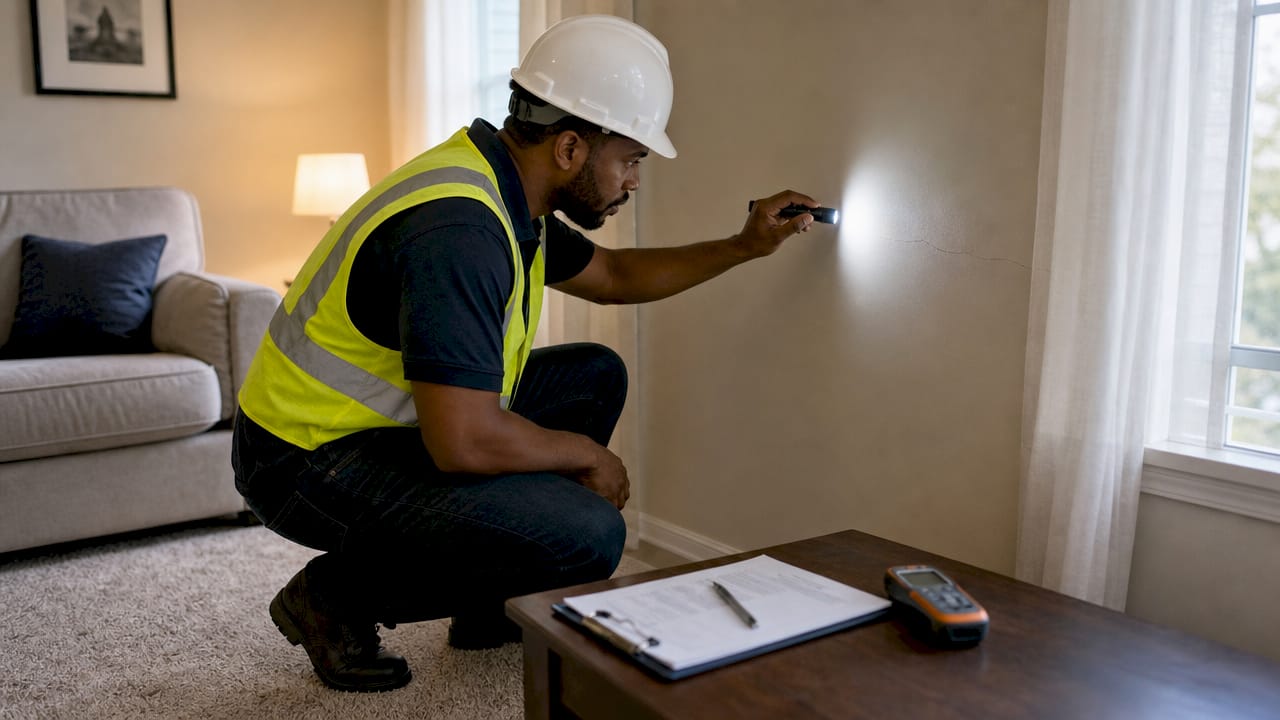
Seller disclosures do not close this gap. Disclosure laws exclude defects that are not “readily observable,” meaning issues inside attics, crawl spaces, and behind walls fall outside what sellers are legally required to reveal. A professional inspector targets exactly these areas.
Common hidden defects uncovered during inspections include:
- Substandard structural connections and load-bearing failures
- Faulty or undersized electrical wiring and outdated switchboards
- Active water ingress and concealed mold growth
- Deteriorated roofing membranes and blocked drainage systems
- Unpermitted additions that do not meet current building codes
Pro Tip: Request the inspection report before waiving any offer contingency. The report gives you a documented basis to renegotiate or withdraw, and that protection disappears the moment you remove the contingency clause.
2. Ensuring safety and regulatory compliance
Building inspections verify that a property meets the safety standards and building codes that protect occupants and owners from legal and physical risk. This function is distinct from defect detection. Compliance verification confirms that the structure was built and modified according to approved plans and current regulations.
Inspections routinely uncover compliance failures including unpermitted renovations, missing fire safety devices, and structural alterations that were never submitted for approval. In Singapore, agencies including the Building and Construction Authority (BCA), the Singapore Civil Defence Force (SCDF), and the Urban Redevelopment Authority (URA) each govern specific aspects of building compliance. An unpermitted alteration can trigger enforcement action, mandatory rectification, and financial penalties.
Advanced inspection technology extends the reach of compliance verification significantly. Thermal imaging and digital analysis detect hidden electrical deterioration, concealed leaks, and foundation movement that standard visual inspections cannot identify. Inspectors also use digital tools to measure floor levels and analyze force distribution, which reveals early structural compromise before it becomes visible.
Key safety hazards identified during professional inspections include:
- Active mold growth in concealed cavities
- Faulty or overloaded electrical circuits
- Inadequate fire separation and missing suppression devices
- Structural members showing signs of fatigue or overloading
- Water damage affecting load-bearing elements
Pro Tip: Retain the inspection report as formal compliance documentation. For properties subject to BCA or SCDF oversight, a dated professional report from a registered engineer supports your submission record and demonstrates due diligence to regulators.
3. Gaining negotiation leverage and reducing buyer’s remorse
Inspection reports convert subjective concerns into objective, documented evidence. That shift changes the entire character of a negotiation. A buyer who presents a detailed report with repair cost estimates and professional timelines is not making an emotional argument. They are presenting facts.
Inspection findings enable buyers to negotiate price reductions, request pre-sale repairs, secure repair credits, or exit contracts based on documented conditions. Each of these outcomes is only available when the buyer holds a professional report. Without one, the negotiation relies on perception rather than evidence.
The cost of skipping inspections in competitive markets is well documented. Buyers who waive inspections to strengthen bids report higher rates of post-purchase regret, driven by structural failures, malfunctioning electrical panels, and cracked foundations discovered after closing. The short-term bidding advantage does not offset the long-term financial exposure.
The table below compares negotiation positions with and without an inspection report:
| Scenario | With inspection report | Without inspection report |
|---|---|---|
| Defect discovered pre-purchase | Documented basis for price reduction or repair credit | No leverage; buyer absorbs full cost post-closing |
| Unpermitted renovation identified | Contract renegotiation or withdrawal with evidence | Risk transferred entirely to buyer |
| Structural issue found | Repair quote supports formal renegotiation | Buyer discovers issue after settlement |
| Safety hazard confirmed | Exit clause triggered with professional backing | No contractual recourse available |
Inspection by a professional engineer for property transactions provides the level of technical authority that supports formal negotiation and, where necessary, legal proceedings.
4. Long-term maintenance planning and protecting property value
Regular property condition assessments serve a function beyond the point of purchase. They create a structured record of a building’s condition over time, which supports maintenance budgeting, repair prioritization, and resale preparation.
Early fault detection keeps maintenance costs low and protects resale value. A minor drainage defect costs a fraction of the remediation required after it has caused slab heave. Poor drainage is a documented root cause of foundation movement, a destructive condition frequently misattributed to normal settling. Identifying the environmental cause during an inspection prevents the misdiagnosis and the wrong repair.
Documented maintenance history also strengthens a property’s market position. Buyers and their engineers treat a property with a clear inspection record differently from one with no documentation. The record reduces perceived risk and supports a higher asking price.
Key advantages of regular inspections for property owners and investors include:
- Prioritized repair lists that align maintenance spending with structural risk
- Timelines for capital expenditure planning across roofing, waterproofing, and M&E systems
- Documented evidence of compliance for regulatory submissions and insurance renewals
- Early identification of waterproofing failures before water ingress causes structural damage
- A maintenance record that supports property valuation and resale negotiations
Regular home inspections are a direct input to maintaining and increasing property value over the ownership period, not simply a pre-purchase formality.
5. Supporting due diligence for real estate investors and construction professionals
Property condition assessments are a formal component of investment due diligence, not an optional add-on. For real estate investors acquiring multiple assets, the inspection record for each property informs portfolio-level risk assessment and capital allocation decisions.
Construction professionals face a different but equally significant need. Inspections conducted at key project milestones verify that work completed to date meets design specifications, approved plans, and regulatory requirements. Identifying a non-conforming structural element during construction is categorically less expensive than rectifying it post-completion.
Seeing inspections as proactive financial defense leads to better investment decisions and protects owners from emergency repair costs that were not budgeted. This framing is accurate for both individual property owners and institutional investors managing large portfolios.
The building defect investigation process, when conducted by a registered professional engineer, produces findings that carry weight with regulators, insurers, and counterparties in legal disputes. That authority is not available from a general contractor’s assessment or a basic visual walkthrough.
Key takeaways
Building inspections are the most cost-effective tool available for identifying defects, verifying compliance, and protecting property value before and after purchase.
| Point | Details |
|---|---|
| Hidden defect detection | Inspections uncover structural, electrical, and water ingress issues that seller disclosures do not require to be revealed. |
| Compliance verification | Professional reports confirm adherence to BCA, SCDF, and URA requirements, reducing legal and financial exposure. |
| Negotiation leverage | Documented findings with repair quotes give buyers a factual basis for price reductions, credits, or contract exit. |
| Long-term value protection | Regular inspections catch minor faults early, preventing costly escalation and supporting higher resale valuations. |
| Due diligence standard | For investors and construction professionals, inspection reports are formal risk management tools, not optional assessments. |
Why I consider inspections non-negotiable in every property transaction
Having worked across structural assessments, compliance submissions, and defect investigations in Singapore’s construction sector, I have seen the same pattern repeat. A buyer skips the inspection to win a competitive bid, closes on the property, and then discovers a structural issue that the seller was not legally required to disclose. The repair cost exceeds the savings from the lower bid by a significant margin.
The mistake is not the competitive bid. The mistake is treating the inspection as a cost rather than a risk management tool. A professional engineer’s inspection report carries regulatory weight that a general assessment does not. When a dispute reaches BCA or involves insurance, the report from a registered professional is the document that matters.
Construction professionals sometimes underestimate this on their own projects. Milestone inspections during construction catch non-conforming work before it is buried under subsequent layers. Rectifying a structural connection during the frame stage costs a fraction of what it costs after the slab is poured. The same logic applies to M&E systems, waterproofing, and facade installations.
My consistent recommendation is to engage a professional engineer for inspections at every significant stage: pre-purchase, pre-renovation, mid-construction, and at handover. The inspection fee is the least expensive line item in any property transaction. The cost of skipping it is not.
— Aman
Com’s building inspection and compliance services

Com, Aman Engineering Consultancy, provides professional building inspection services across Singapore’s residential, commercial, and industrial sectors. The firm’s registered professional engineers conduct thorough property inspections and assessments covering structural integrity, facade condition, M&E systems, fire safety compliance, and regulatory submissions to BCA, SCDF, URA, and other statutory bodies. For property owners preparing for a transaction, investors conducting portfolio due diligence, or construction professionals managing project milestones, Com delivers inspection reports with the technical authority and regulatory standing required for compliance documentation, negotiation support, and defect rectification planning.
FAQ
What are the main benefits of building inspections?
Building inspections identify hidden defects, verify regulatory compliance, and provide documented evidence for negotiation. They protect buyers from unexpected repair costs and give property owners a structured basis for maintenance planning.
How much can a building inspection save a buyer?
Professional inspections have helped buyers avoid over $80,000 in repair costs in documented cases. The savings depend on the severity of defects identified, but the inspection fee is consistently a fraction of the costs avoided.
Do seller disclosures replace the need for an inspection?
Seller disclosures do not replace inspections. Disclosure laws exclude defects that are not “readily observable,” meaning issues inside walls, attics, and crawl spaces are not required to be disclosed. Professional inspections specifically target these areas.
How do inspections support regulatory compliance in Singapore?
Inspections conducted by registered professional engineers verify adherence to BCA, SCDF, and URA requirements. Reports from qualified professionals carry regulatory weight and support statutory submissions, insurance renewals, and enforcement responses.
How often should a property be inspected?
Property condition assessments are recommended at key stages: pre-purchase, pre-renovation, at construction milestones, and periodically during ownership. Regular inspections catch minor faults before they escalate and maintain a documented maintenance record that supports resale value.
Recommended
- Project Inspection Process: A Guide for Builders
- What Home Buyers Should Know About Home Inspection Process And Benefits – Aman Engineering Consultancy
- Why Regular Home Inspections Are Crucial For Maintaining Property Value – Aman Engineering Consultancy
- Inspection by Professional Engineer for your property transactions – Aman Engineering Consultancy