
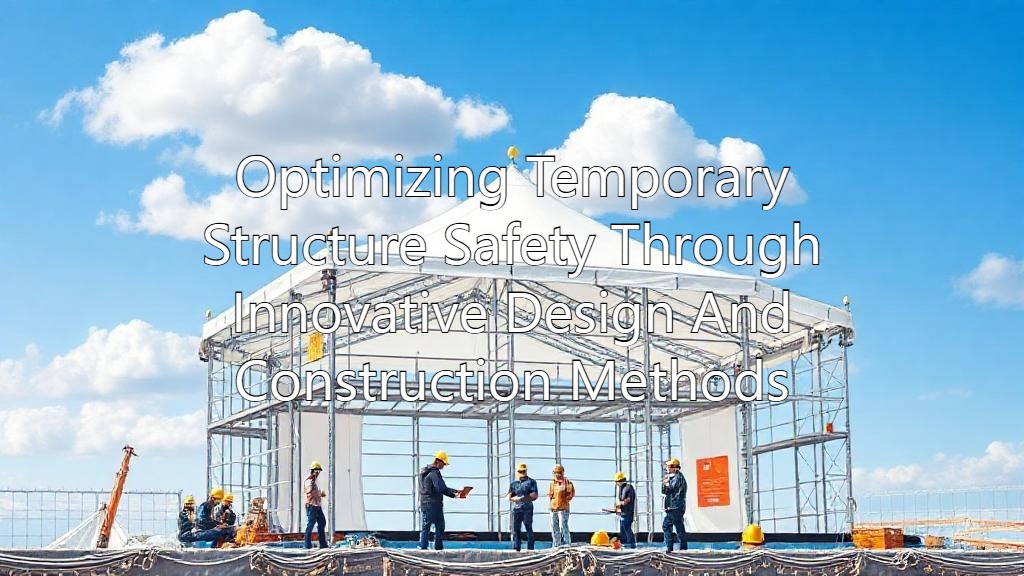
As the cityscape evolves, temporary structures like scaffolding and cranes become the backbone of urban development, much like a master chef’s sous chefs – invisible yet crucial to the final product.
The consequences of failure can be devastating, as seen in recent high-profile collapses that have raised concerns about the adequacy of current design and construction methods.
By embracing innovative design and construction techniques, such as modular assembly and advanced materials, the industry can revolutionise the safety and efficiency of temporary structures, ultimately saving lives and reducing costs.
Ensuring Temporary Structure Stability Through Advanced Materials And Engineering Techniques
Temporary structures, such as exhibition booths or event stages, require careful planning and execution to ensure stability and safety.
The use of advanced materials and engineering techniques plays a crucial role in achieving this goal, as they provide the necessary strength and durability to withstand various environmental conditions.
- Advanced materials like carbon fibre and steel alloys offer exceptional strength-to-weight ratios, making them ideal for temporary structure construction.
- Innovative engineering techniques, such as 3D printing and modular design, enable the creation of complex structures with enhanced stability and flexibility.
- Dynamic analysis and simulation tools allow engineers to test and optimise temporary structure designs, ensuring they can withstand external forces like wind and earthquakes.
The collapse of a temporary structure can have devastating consequences, resulting in loss of life and property.
Exploring The Role Of Innovative Design In Reducing Temporary Structure Collapse Risks
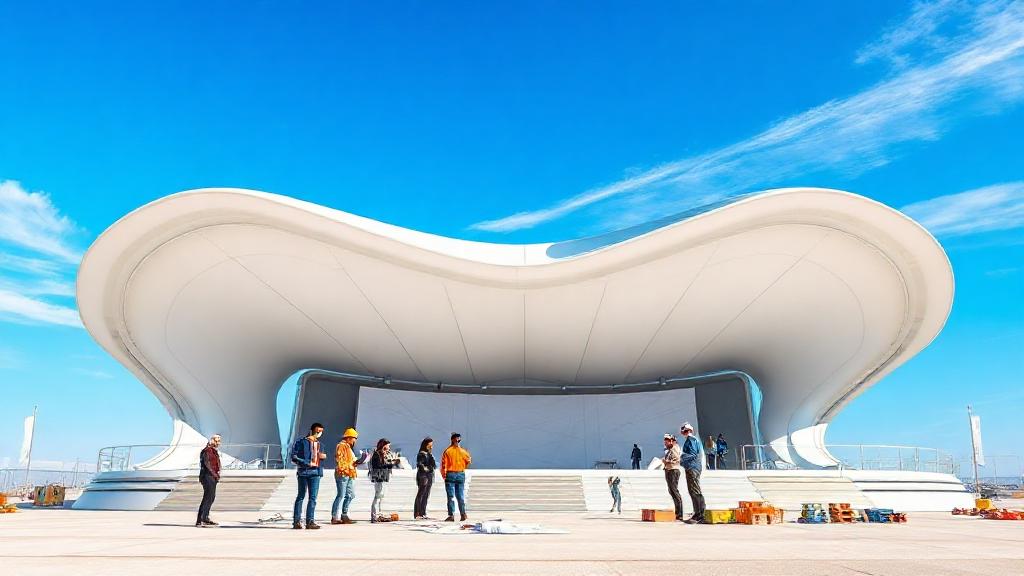
Innovative design in reducing these risks is crucial, as it can help prevent such disasters and ensure public safety.
By incorporating cutting-edge materials, advanced engineering techniques, and meticulous planning, designers and engineers can create temporary structures that are not only aesthetically pleasing but also resilient and secure.
Innovative design can help identify potential weaknesses and mitigate risks, giving people peace of mind when attending events or working on construction sites.
Implementing Safety Protocols For Temporary Construction Sites And Worker Protection
A notable example of prioritising safety is the construction of the Singapore Sports Hub, where the implementation of strict safety protocols resulted in zero fatalities during the entire project duration.
The project’s success can be attributed to the careful planning and execution of safety protocols, which ensured a safe working environment for all workers involved.
By investing in worker safety, the project not only prevented accidents but also boosted worker morale and productivity.
The importance of safety protocols on temporary construction sites cannot be overstated, as these sites often pose unique hazards due to their transient nature.
Analyzing The Impact Of Weather Conditions On Temporary Structure Integrity And Safety
The integrity and safety of temporary structures, such as tents, stages, and scaffolding, are heavily influenced by weather conditions.
Weather elements like wind, rain, and extreme temperatures can test the durability and stability of these structures, making it crucial to assess and mitigate potential risks.
Strong winds can cause tents to collapse or stages to topple, while heavy rainfall can lead to water accumulation and erosion, compromising the foundation of the structure.
Temperature fluctuations can affect the materials used in the structure, causing them to expand or contract, which can lead to damage or failure.
Developing Strategies For Enhancing Temporary Structure Fire Resistance And Suppression
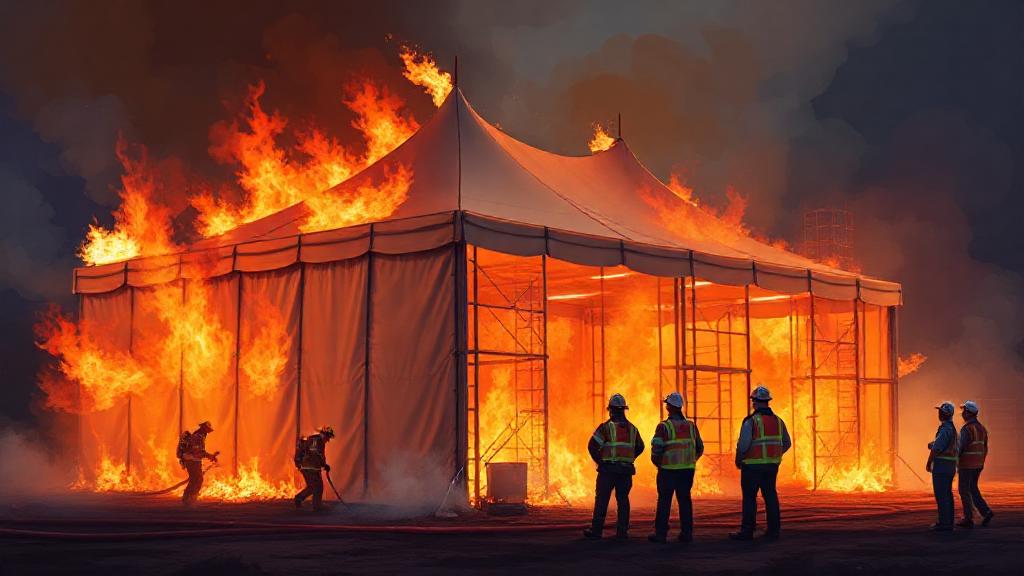
To improve temporary structure fire resistance and suppression, it is essential to implement a multi-faceted approach that incorporates various materials and design elements.
This can include using fire-resistant materials for construction, such as steel or concrete, and incorporating fire-suppressing systems, like sprinklers or fire alarms.
Regular inspections and maintenance of temporary structures are crucial to identify potential fire hazards and address them promptly.
Understanding The Importance Of Regular Inspections In Maintaining Temporary Structure Safety
Regular inspections are crucial for ensuring temporary structure safety.
Some key aspects to focus on include:
- Conducting thorough risk assessments to identify potential hazards
- Implementing safety protocols to prevent accidents and injuries
- Monitoring weather conditions to prevent damage from extreme weather
- Maintaining temporary structures regularly to prevent wear and tear
- Inspecting structures after extreme weather conditions to ensure stability
Regular inspections can help prevent accidents and ensure the safety of temporary structures, ultimately saving lives and reducing costs.
Investigating The Potential Of Modular Construction Methods For Temporary Structures
Modular construction is gaining popularity, offering a sustainable and efficient solution for temporary structures.
A significant reduction in construction time — this is what modular construction promises, with some projects being completed up to 50% faster than traditional methods.
The key to unlocking the full potential of modular construction lies in its ability to be easily assembled and disassembled.
Innovative materials and designs are being explored to create temporary structures that are not only functional but also visually appealing.
Evaluating The Effectiveness Of Temporary Structure Safety Training Programs For Construction Workers
Construction sites with comprehensive safety training programs, including those focused on temporary structures, tend to have lower accident rates.
Effective safety training programs for construction workers, particularly when it comes to temporary structures, are vital.
A single lapse in safety protocol can have devastating consequences, resulting in lost lives, damaged equipment, and costly project delays.
Identifying Key Factors In Minimizing Temporary Structure Environmental And Health Hazards
To minimise the environmental and health hazards associated with temporary structures, it is essential to identify key factors that contribute to these risks.
A thorough assessment of the structure’s design, construction, and operational phases can help pinpoint potential hazards and inform strategies for mitigation.
Considering the social and economic context in which the temporary structure will be used is crucial, as it can impact the effectiveness of hazard reduction measures.
The key to minimising hazards lies in careful planning and assessment.
Effective hazard minimisation requires a proactive and multi-faceted approach that prioritises both environmental sustainability and human health.
As we look to the future of temporary structure safety, it’s clear that innovative design and construction methods will play a crucial role in minimising risks and ensuring the well-being of workers and users.
The integration of cutting-edge technologies, such as modular construction and advanced materials, will continue to push the boundaries of what is possible in temporary structure design, enabling the creation of safer, more efficient, and more sustainable structures.