
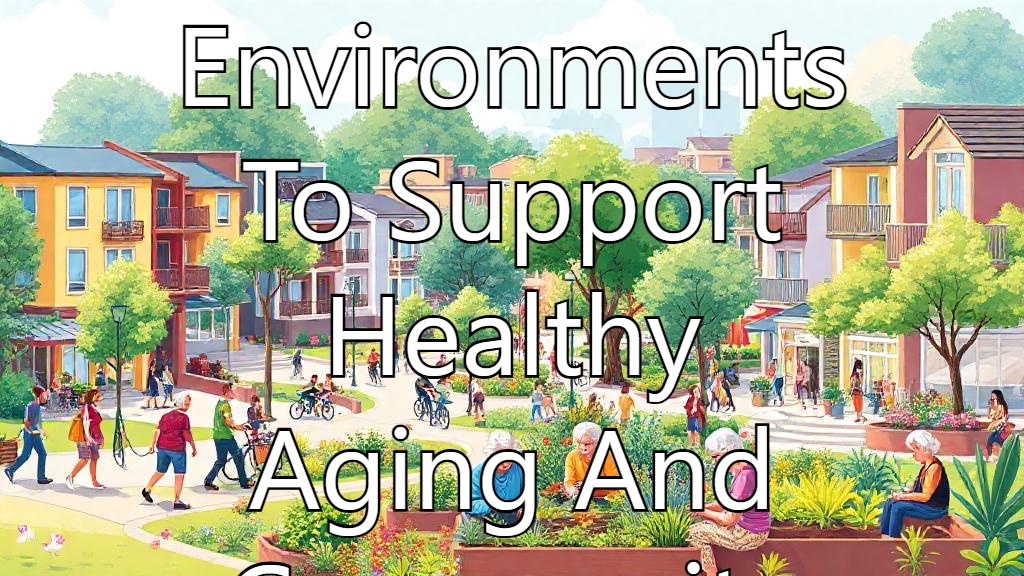
As the world grapples with the challenges of an ageing population, cities are being reshaped as “vessels” that can either nurture or neglect the well-being of their older residents.
The answer lies in creating age-friendly cities that incorporate elements such as walkable neighbourhoods, accessible public transportation, and green spaces, which can help mitigate the risks of social isolation, depression, and physical inactivity.
By reimagining urban landscapes as vibrant, intergenerational hubs, we can unlock the potential for older adults to thrive, contribute, and connect with their communities, much like a rich tapestry is woven from diverse threads.
As we embark on this journey, it becomes clear that the built environment holds the key to unlocking a healthier, more engaged, and more resilient older population.
Understanding Urban Barriers To Healthy Ageing And Community Participation Strategies
As people age, they often face unique challenges in urban environments that can hinder their ability to participate in community activities, leading to social isolation and a decline in quality of life.
Urban barriers, including a lack of accessibility, transportation, and social support, can significantly impact healthy ageing.
Effective strategies are needed to address these barriers and promote community participation among older adults.
The fate of our ageing population hangs in the balance, as urban barriers threaten to silence their voices and erase their presence from community life.
- Key insights into urban barriers reveal that physical inactivity is a major consequence of inadequate community resources.
- Social connections are crucial for healthy ageing, and community participation strategies can help foster these relationships.
- Implementing age-friendly urban planning can be a game-changer in promoting healthy aging and community participation.
Creating Age-Friendly Urban Environments Through Citizen Science Initiatives And Research
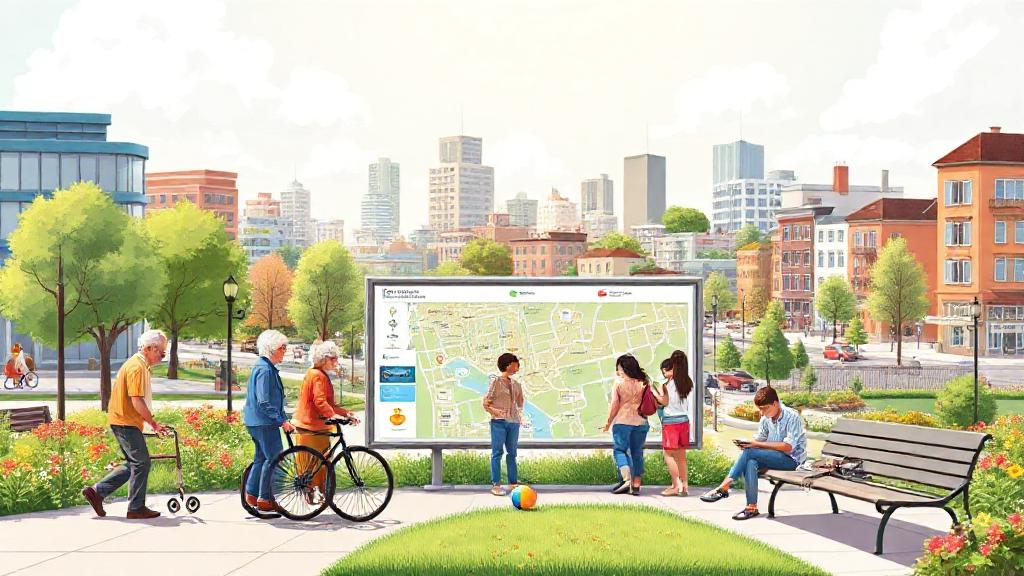
As one walks through a city, they might notice the uneven sidewalks, lack of seating areas, and insufficient lighting that can make navigation challenging for older adults.
By engaging citizens in the research process, valuable insights can be gathered into the specific needs and challenges faced by older adults in communities.
This collaborative approach enables the design and implementation of more effective solutions, such as accessible public transportation, walkable neighbourhoods, and social programs that promote intergenerational connections.
Promoting Social Inclusion And Accessibility For Older Adults In Diverse Ethnic Communities
In the heart of a community, a program can bring together older adults from diverse ethnic backgrounds, fostering social connections and a sense of belonging among participants.
This initiative not only promotes social inclusion but also provides accessibility training, ensuring that all activities are inclusive and considerate of the needs of older adults.
The program’s success is evident in the increased participation and engagement of older adults in community events, highlighting the importance of tailored support and accessible resources.
The core idea of promoting social inclusion and accessibility for older adults in diverse ethnic communities is rooted in the understanding that social isolation can have severe consequences on mental and physical health.
By providing accessible resources and tailored support, community centres and organisations can play a vital role in fostering social connections and a sense of belonging among older adults, ultimately enhancing their overall well-being.
Investigating The Role Of Transportation Options In Supporting Healthy Ageing And AgeingMobility
As individuals age, their ability to move around freely and easily can be greatly impacted by the availability and accessibility of transportation options.
Research has shown that older adults who have access to reliable and affordable transportation options are more likely to engage in physical activity, socialise with friends and family, and participate in community activities.
Transportation options can also have a significant impact on the mental health and well-being of older adults, with studies suggesting that those who are unable to drive or have limited access to transportation options are at a higher risk of experiencing depression, anxiety, and social isolation.
Designing Affordable And Accessible Housing Options For Older Adults In Urban Areas
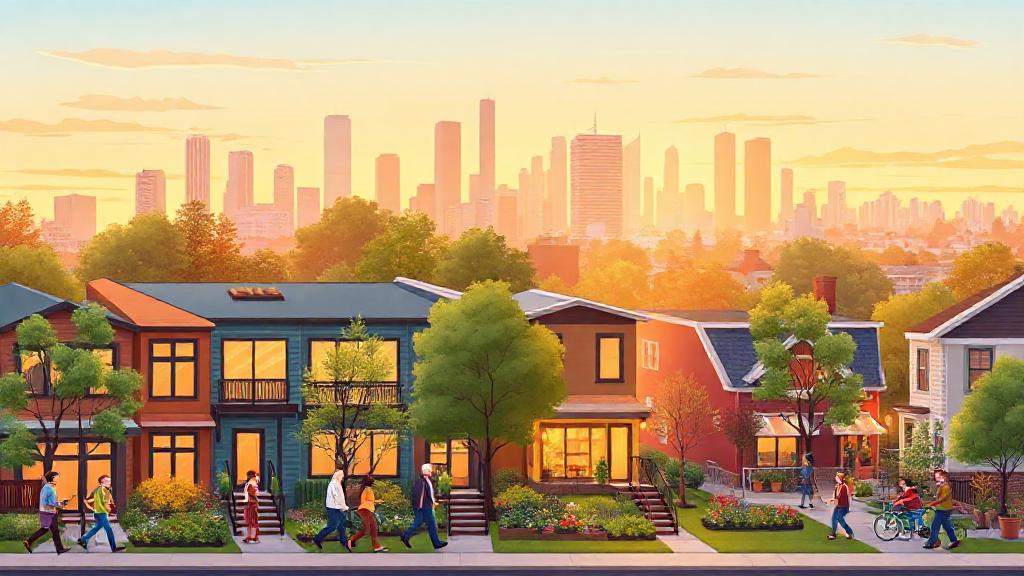
Designing affordable and accessible housing options for older adults in urban areas requires careful consideration of their unique needs and challenges.
One way to achieve this is by incorporating universal design principles, such as wheelchair-accessible doorways and bathrooms, into housing developments.
Older adults often require access to healthcare and social services, which can be facilitated through on-site amenities or proximity to community centres.
By prioritising these factors, developers can create housing options that support the well-being and independence of older adults.
Addressing Social Isolation And Exclusion Through Community Engagement And Social Support Initiatives
Community engagement is crucial for combating social isolation.
- Fostering connections through volunteer programs and social events
- Creating inclusive public spaces that promote social interaction
- Developing social support groups for marginalised communities
- Providing access to mental health resources and counselling services
- Encouraging intergenerational relationships and mentorship opportunities
By implementing these initiatives, stronger, more compassionate communities can be built that prioritise social connection and well-being.
Evaluating The Effectiveness Of Citizen Science Approaches In Addressing The Needs Of Older Adults
Citizen science initiatives are not exclusively the domain of the young and tech-savvy, but can also be highly effective in engaging and supporting older adults.
Many older adults are eager to contribute their experience and skills to scientific research, debunking the myth that they are disinterested or incapable.
A notable example of successful engagement is the use of citizen science projects that focus on environmental conservation, which are particularly appealing to older adults who have a strong sense of community and place.
Integrating Socio-Ecological Perspectives Into Urban Design To Support Healthy Ageing And Community Engagement
As cities continue to grow and urbanise, it is essential to incorporate socio-ecological perspectives into urban design to support healthy ageing and community engagement.
This approach recognises that urban planning and design have a significant impact on the health and quality of life of older adults, and that community engagement and social participation are critical factors in promoting healthy ageing.
By integrating socio-ecological perspectives into urban design, cities can create inclusive, accessible, and supportive environments that foster social connections, physical activity, and a sense of community among older adults.
As we look to the future of urban planning, it’s clear that designing cities that support healthy ageing and community engagement is not just a moral imperative, but an economic and social one.
By prioritising accessibility, walkability, and social connectivity, vibrant public spaces can be created that foster a sense of belonging and purpose among older adults.