
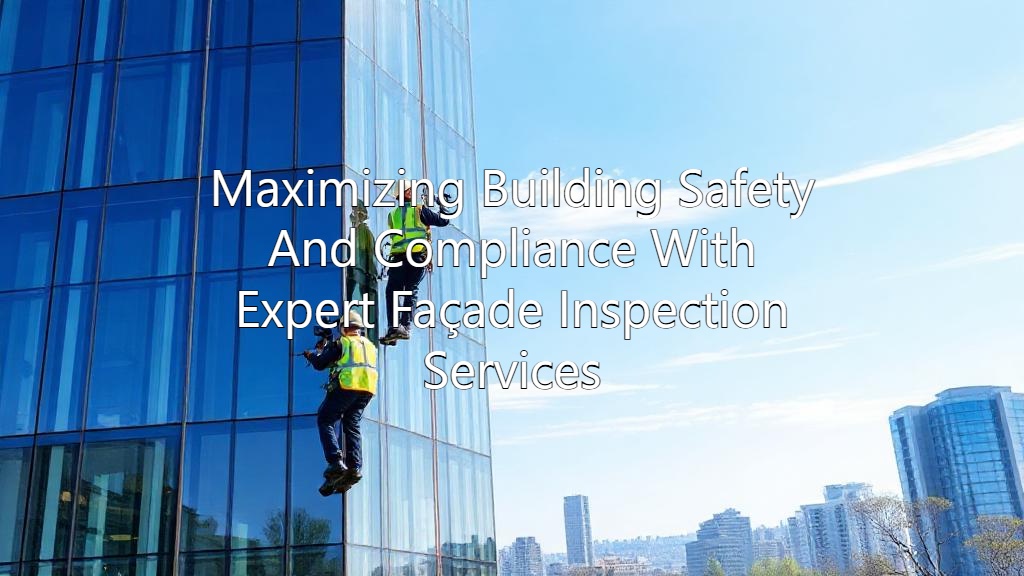
A building’s façade is like a delicate mask, concealing the intricate dance of structural elements and systems that keep it upright and safe.
But what happens when the mask begins to crack, and the true state of the building’s health is revealed?
With an estimated 80% of building failures attributed to façade-related issues, it’s a question that building owners and managers can’t afford to ignore.
Just as a seasoned doctor uses specialised tools to diagnose and treat illnesses, expert façade inspection services use cutting-edge technology and expertise to uncover potential hazards and ensure compliance with regulatory standards.
By investing in these services, building stakeholders can rest assured that their structures are safe, secure, and compliant, avoiding the costly consequences of neglect or non-compliance.
Complying With New York City’s Facade Inspection & Safety Program Requirements Effectively
New York City’s Facade Inspection & Safety Program (FISP) requires building owners to inspect and maintain their facades to ensure public safety, with the goal of preventing accidents and injuries caused by falling debris or crumbling buildings.
The program involves a complex process of inspection, reporting, and repair, which can be overwhelming for property owners and managers.
Non-compliance with FISP regulations can result in significant fines and penalties, making it essential for building owners to understand and comply with the requirements.
The fate of a building’s facade and the safety of pedestrians hang precariously in the balance as the inspection deadline looms.
- Time is of the essence as building owners must submit their facade inspection reports within the designated cycle to avoid penalties.
- Proactive maintenance is key to preventing facade failures and ensuring compliance with FISP regulations.
- Expert guidance from a qualified engineer or architect can help building owners navigate the complex FISP process and ensure a safe and compliant facade.
Understanding The Role Of Qualified Exterior Wall Inspectors in the FISP Compliance Process
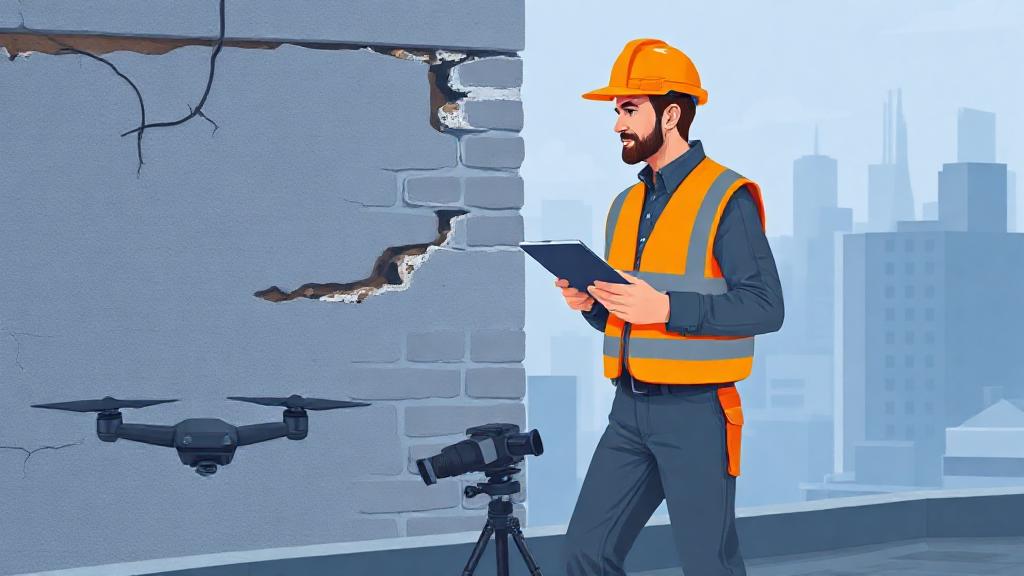
A qualified exterior wall inspector plays a vital role in the FISP compliance process, as they are responsible for conducting thorough inspections and identifying any potential hazards or issues with the building’s exterior walls.
They will assess the condition of the walls, check for any signs of damage or deterioration, and provide recommendations for repairs or maintenance.
Their expertise and knowledge of FISP regulations are essential in ensuring that the building meets the required standards.
Benefits Of Partnering With Experienced Façade Inspection Companies For Code Compliance
A notable example of the importance of façade inspection is the case of a high-rise building in Singapore, where a thorough inspection by an experienced façade inspection company revealed critical defects in the exterior cladding, preventing a potentially catastrophic collapse.
The inspection team’s expertise and attention to detail ensured that the necessary repairs were made, bringing the building up to code and safeguarding the occupants.
This real-world example highlights the significance of partnering with experienced façade inspection companies to ensure code compliance and prevent accidents.
Navigating Changes To FISP And Local Law Requirements For Building Owners Successfully
Navigating the ever-changing landscape of FISP (Facade Inspection Safety Program) and Local Law requirements can be a daunting task for building owners, akin to trying to solve a puzzle with constantly shifting pieces.
The Facade Inspection Safety Program, enacted by the New York City Department of Buildings, mandates that building owners inspect and repair their facades to ensure public safety.
As the city continues to evolve and grow, so too do the regulations and requirements for building owners, making it essential to stay informed and adapt to these changes in order to avoid costly fines and penalties.
Importance Of Visual And Close-Up Inspections In Façade Examination And Reporting Processes

The examination and reporting processes for façades are crucial in ensuring the structural integrity and safety of buildings, and visual and close-up inspections play a significant role in these processes.
These inspections allow for a thorough assessment of the façade’s condition, enabling the identification of potential defects, damages, or deterioration that may compromise the building’s stability.
Drop Inspection Bidding And Coordination Strategies For Effective Façade Management
To ensure a building’s façade is well-maintained, a thorough inspection and bidding process is crucial.
- Conduct thorough risk assessments to identify potential hazards and necessary repairs.
- Develop a comprehensive coordination plan to streamline the inspection and bidding process.
- Implement a digital platform to facilitate communication and data sharing among stakeholders.
Ensuring Building Safety And Compliance Through Fire Escape And Railing Inspections Regularly
Regular inspections of fire escapes and railings are crucial for building safety.
A thorough examination — to identify potential hazards and ensure compliance with regulations: this is the key to preventing accidents.
Ensuring that all components of the fire escape and railing system are in good working condition is essential.
Preparation And Filing Of Façade Inspection Safety Program Reports For FISP Compliance
Contrary to popular belief, FISP compliance is not just a mundane regulatory requirement, but rather a crucial aspect of building maintenance that can have significant consequences if neglected.
Many building owners and managers mistakenly think that FISP reports are just a necessary evil, but in reality, they play a vital role in ensuring public safety.
Leveraging Technical Expertise For Quality Assurance And Code Compliance In Façade Inspections
The integration of technical expertise in façade inspections is crucial for ensuring quality assurance and code compliance, as it allows for a comprehensive evaluation of the building’s exterior envelope, including the identification of potential defects and weaknesses that could compromise the structure’s integrity and safety.
By leveraging advanced technologies, such as drones and thermal imaging, inspectors can conduct more efficient and accurate assessments, reducing the risk of human error and minimising the need for costly repairs.
The future of building safety lies in the combination of human expertise and innovative technology, working in tandem to protect the people and places that matter most.
By prioritising façade inspection and maintenance, we can create a safer, more resilient built environment, where buildings stand as testaments to human ingenuity and our capacity to create spaces that thrive for generations to come.