
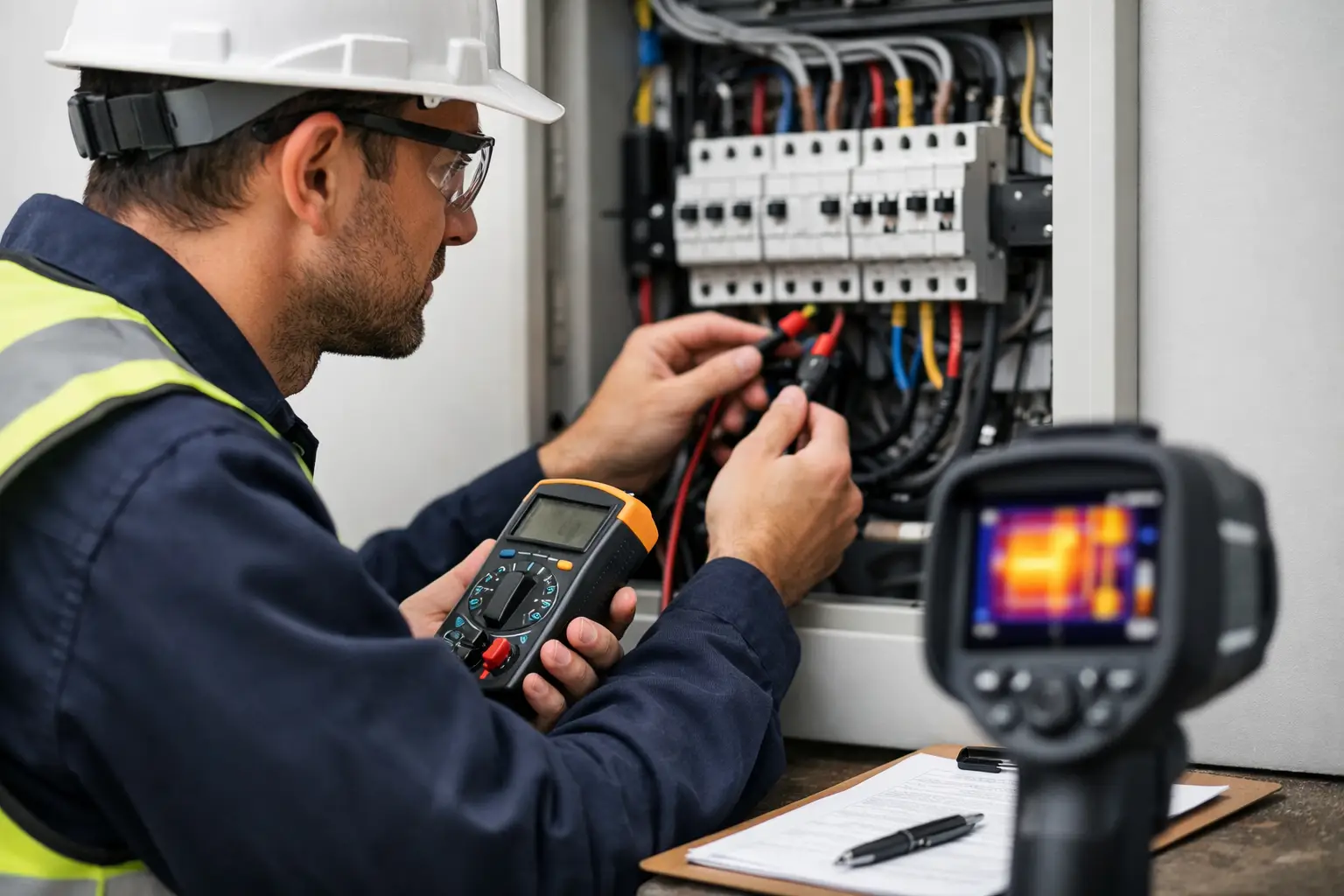
A building rarely fails all at once. More often, it gives warnings first – a cracked facade panel, corrosion at a steel connection, a trip in the electrical system, water intrusion around movement joints, or a fire protection component that no longer performs as intended. That is where the question of what is periodic inspection and testing becomes practical, not academic. It is a structured process of checking, assessing, and where required, testing building systems or components at planned intervals so safety, compliance, and performance issues are identified before they become larger failures.
For property owners, developers, building managers, and industrial operators, periodic inspection and testing is not simply a maintenance exercise. It is part of risk control. In many cases, it also supports statutory compliance, insurer expectations, transaction due diligence, and long-term asset planning.
What is periodic inspection and testing in practice?
In practice, periodic inspection and testing means scheduled technical examinations of a building, structure, installation, or safety-related system. The inspection portion usually involves visual checks, measurements, condition assessment, and review of visible defects. The testing portion goes further by verifying whether a system or component performs within acceptable technical or regulatory criteria.
The exact scope depends on what is being examined. A facade inspection may look for cracking, displacement, water ingress, loose elements, sealant failure, and signs of distress. An electrical inspection and testing regime may include checks on wiring condition, earthing, protection devices, circuit integrity, and recorded test values. A structural inspection may focus on concrete spalling, reinforcement corrosion, deflection, settlement, overloading, or unauthorized modifications.
That distinction matters because not every inspection includes full testing, and not every test can be done without first identifying where risk exists. A competent consultant will align the scope with the asset type, applicable code requirements, building age, occupancy, and known defects.
Why periodic inspection and testing matters
The main value is early detection. A defect found during a scheduled inspection is usually cheaper and easier to manage than one discovered after a failure, an authority notice, or tenant complaint. This is especially true in occupied buildings, industrial facilities, and commercial developments where downtime has direct cost implications.
There is also a compliance dimension. Depending on the jurisdiction and asset type, certain inspections are mandatory, especially for facades, fire safety systems, structural elements, lifts, pressure systems, and electrical installations. Even when a law does not prescribe an exact interval, duty of care still applies. Owners and operators are expected to maintain safe premises and take reasonable steps to identify hazards. An electrical inspection and testing regime may include checks on wiring, earthing, protection devices, circuit integrity, and test values, helping prevent electrical hazards and improve electrical safety.
Periodic inspection and testing also improves decision-making. Instead of relying on reactive repairs, owners can prioritize rectification works based on condition, severity, and urgency. That leads to better budgeting and fewer emergency callouts.
What systems are commonly inspected and tested?
The answer varies by building use, age, and regulatory framework, but several categories come up repeatedly.
Structural elements are a common priority. These include slabs, beams, columns, retaining walls, canopies, staircases, and other load-bearing components. The purpose is to confirm that the structure remains serviceable and free from defects that could affect stability or durability.
Building facades are another major category, particularly on aging properties or high-rise assets. Facade defects may not appear critical at first glance, but loose cladding, failed fixings, and progressive deterioration can create serious safety risk.
Electrical installations are frequently subject to periodic inspection and testing because degradation is often hidden until a fault occurs. In the UK, electrical installations generally require inspection every 5 years and must comply with BS 7671 standards under the iet wiring regulations. Insulation breakdown, overloaded circuits, poor earthing, and defective protective devices can all remain unnoticed without proper examination and test procedures, especially across wider electrical systems.
Fire safety systems also require routine verification. In the UK, emergency lighting is typically tested at least once a year. Fire alarms are also commonly tested twice a year under BS 5839 standards. That can include fire alarms, emergency lighting, fire-rated construction, suppression systems, and smoke control elements. Here, the goal is not just technical functionality but demonstrable readiness under emergency conditions.
Mechanical systems, waterproofing systems, and drainage infrastructure may also be included where failure would affect habitability, safety, or operational continuity.
How the process usually works
A proper periodic inspection and testing process starts with scope definition. This should identify what is being inspected, why the inspection is required, what standards apply, and whether there are known defects, complaints, or previous reports that need follow-up, taking into account all the relevant circumstances affecting the installation. The scope should also confirm access requirements, testing limitations, safety controls, and whether authority submission or professional endorsement is needed.
The next stage is the site inspection. Depending on the system, this may include visual assessment, defect mapping, photographic documentation, measurements, and non-destructive or functional testing. In some cases, close-up inspection methods are required, especially for facades, elevated structures, or concealed components.
After that comes technical evaluation. Findings are reviewed against code requirements, manufacturer criteria, engineering judgment, and any prior condition records; for electrical installations, a competent person must check the installation against BS 7671 and other applicable industry standards, based on the relevant circumstances. Not every defect triggers the same response. Some issues require immediate repair, some call for monitoring, and some justify more invasive investigation.
The final deliverable is usually a report. A useful report does more than list defects. It explains the condition, severity, likely cause, risk implications, and recommended actions. Where needed, it should also support rectification planning, authority communication, or statutory submissions.
What periodic inspection and testing does not mean
One common misunderstanding is that periodic inspection and testing is the same as routine maintenance. It overlaps with maintenance, but it is not identical.
Maintenance is about servicing, cleaning, adjustment, and replacement to keep systems operating. Inspection and testing is about technical verification. It asks whether a system is safe, compliant, deteriorating, overloaded, defective, or approaching failure. Inadequate testing of electricity systems can lead to serious injuries, fatalities, or property damage. Sometimes the result is simple maintenance. Other times it leads to engineering analysis, repair design, or formal rectification works.
Another misunderstanding is that passing one inspection means the asset is problem-free for years. Buildings change. Loading changes, tenant fit-outs change, environmental exposure changes, and hidden defects can progress between inspection cycles. The interval matters, and so does the competence of the party performing the work.
It depends on the asset, the risk, and the rules
There is no single inspection frequency that fits every property. A newly completed office building with low exposure conditions may not need the same level of scrutiny as an older industrial facility, coastal property, or mixed-use development with heavy occupant traffic and multiple service systems.
The right interval depends on several factors: age of the asset, known defect history, statutory obligations, environmental conditions, occupancy type, structural exposure, and the consequence of failure. For UK rental properties, a periodic inspection required under a legal requirement typically means electrical installations are inspected every 5 years. A consultant may recommend closer monitoring where defects are active but not yet critical. On the other hand, a well-performing system in a controlled environment may justify a longer cycle, provided it remains compliant with applicable rules.
This is where technical judgment matters. Over-inspection can create unnecessary cost and disruption. Under-inspection can expose the owner to safety incidents, missed legal requirements where applicable, compliance breaches, and expensive emergency repairs, while regular inspection helps identify issues earlier.
Who should carry out periodic inspection and testing?
It should be carried out by a competent person, and for electrical installations this typically means a registered electrician with the knowledge to inspect and test against BS 7671, while the exact qualification level still depends on the asset and scope. This also applies to periodic testing of related equipment and electrics. Some inspections can be performed by competent specialists or certified technicians. Others require a licensed engineer, registered inspector, fire safety practitioner, or discipline-specific consultant who can assess defects, recommend rectification, and issue endorsed documentation where required.
For regulated projects, the inspection party should also understand authority processes, reporting standards, and submission requirements. That becomes particularly important when findings lead to mandatory repairs, formal certifications, or statutory coordination.
Aman Engineering Consultancy typically approaches this type of work as part of a broader compliance and rectification pathway – not only identifying defects, but supporting assessment, reporting, and the next steps needed to keep a project moving.
What owners and managers should look for in a report
A report should be clear enough for decision-making and technical enough to support action. At minimum, it should define the inspected scope, inspection date, access limitations, observed defects, test results where applicable, the equipment tested, any electrical appliances or portable electrical equipment within scope, whether further testing is required, risk implications, and prioritized recommendations.
The best reports also distinguish between immediate hazards, short-term repair items, and longer-term condition issues. That helps owners plan budgets and act proportionately. If the report simply says a system is defective without explaining severity or consequence, it is not doing enough.
The real purpose of periodic inspection and testing
At its best, periodic inspection and testing gives owners control before conditions force their hand. It turns uncertainty into documented condition data, and in some settings the main reason for periodic testing is to keep people protected and meet legal requirements, including where periodic inspection is a legal requirement in the UK, while that data also supports safer buildings, cleaner compliance records, and more predictable capital planning.
If you are responsible for a property, the useful question is not whether inspections are inconvenient. It is whether you would rather find a defect through a planned review or after it interrupts operations, harms employees, damages property or systems, triggers liability, or delays a transaction. Most of the time, that answer is straightforward.