
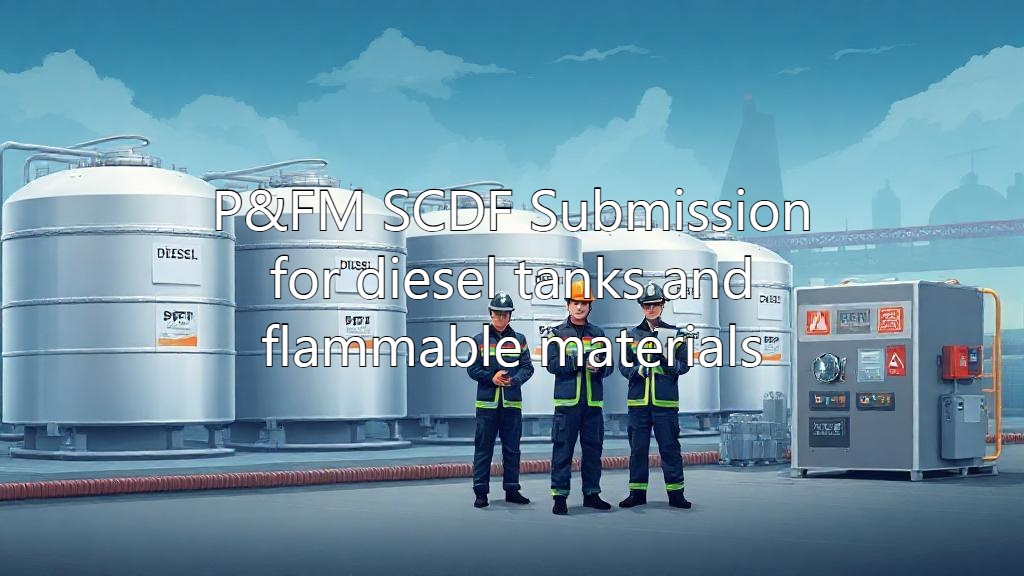
The risk of disasters is ever-present, and it is crucial to have robust measures in place to prevent and mitigate them.
The Singapore Civil Defence Force (SCDF) plays a vital role in ensuring the safety of facilities that handle hazardous materials, including diesel tanks and flammable substances.
To achieve this, a rigorous Petroleum and Flammable Materials (P&FM) submission process is undertaken, which assesses the risks associated with these materials and implements controls to minimize them.
Understanding Requirements for P&FM SCDF Submission of Diesel Tanks
The submission of diesel tanks to the SCDF under the P&FM regulations is a crucial process that ensures the safe storage and handling of diesel fuel.
This process involves a series of stringent requirements and guidelines that must be adhered to, in order to prevent accidents and minimize risks.
The SCDF plays a vital role in regulating and overseeing the storage and use of diesel tanks in Singapore, and their guidelines must be carefully followed.
The failure to comply with SCDF regulations can have catastrophic consequences, including explosions, fires, and environmental disasters.
- Timely submission of diesel tank plans and specifications is essential to avoid delays and penalties.
- Accurate calculation of tank capacity and safety features is critical to ensuring compliance with SCDF regulations.
- Proper documentation of tank installation, maintenance, and inspection records is necessary to demonstrate compliance and facilitate audits.
Regulatory Framework for Flammable Materials Storage and Handling Guidelines
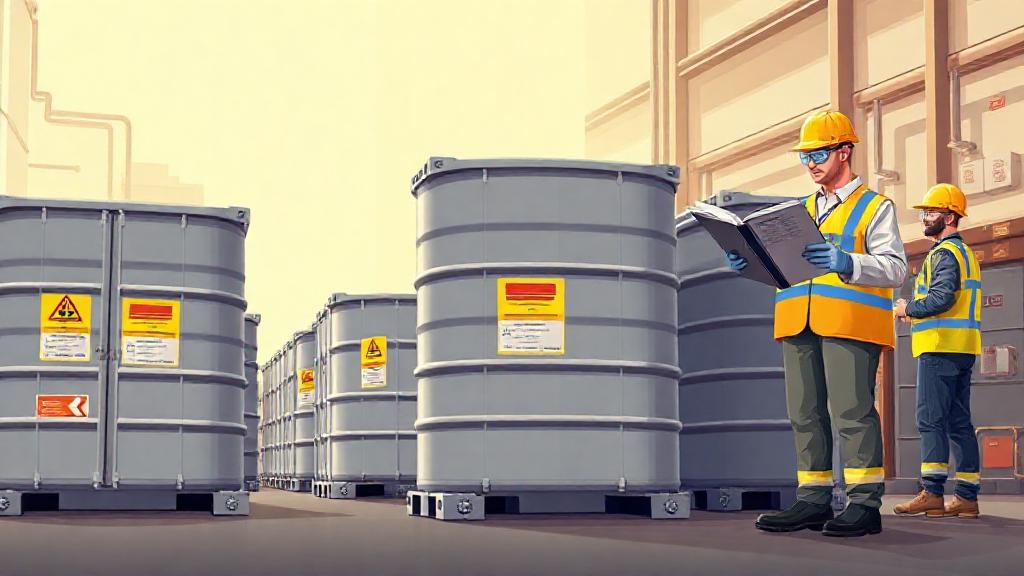
Understanding the regulatory framework for flammable materials storage and handling is crucial for businesses, as it outlines the necessary precautions and guidelines to follow.
This framework typically includes standards for storage containers, ventilation, and emergency response plans.
By familiarizing themselves with these guidelines, businesses can significantly reduce the risk of accidents and ensure a compliant operation.
Seeking guidance from reputable sources can make all the difference in maintaining a safe and compliant workplace.
Submitting P&FM SCDF Plans for Diesel Tank Farms and Depots Successfully
In Singapore, a diesel tank farm recently underwent a major expansion, requiring the submission of P&FM SCDF plans to ensure compliance with the SCDF’s regulations.
The plans detailed the farm’s layout, fire safety measures, and emergency response procedures, all of which were carefully reviewed and approved by the SCDF.
This meticulous planning enabled the farm to operate safely and efficiently, minimizing the risk of accidents and environmental hazards.
To successfully submit P&FM SCDF plans, it is essential to consult with experienced professionals who are familiar with the SCDF’s requirements and regulations.
Designing and Installing Diesel Tanks to Meet SCDF Fire Safety Standards
Designing and installing diesel tanks in Singapore requires meticulous attention to detail.
The SCDF has stringent fire safety standards that must be met, and these regulations serve as the blueprint for the entire process, outlining specific requirements for tank materials, sizes, and installation locations.
A thorough risk assessment must be conducted to identify potential hazards and develop strategies to mitigate them.
The SCDF regulations also dictate the minimum distances between diesel tanks and other structures, such as buildings and boundaries, which must be carefully adhered to in order to prevent the spread of fires and minimize damage.
Flammable Materials Storage Facility Design and Construction Considerations

When designing and constructing a storage facility for flammable materials, it is crucial to prioritize safety and compliance with regulations.
The facility’s layout and infrastructure should be carefully planned to minimize the risk of fires and explosions, with features such as fire-resistant walls, sprinkler systems, and proper ventilation.
The facility’s design should take into account the type and quantity of flammable materials being stored, as well as the potential risks associated with their handling and storage.
Safety Measures for Preventing and Mitigating Diesel Tank Fires and Explosions
Implementing safety protocols is crucial to minimize risks associated with diesel tank fires.
- Conducting regular inspections to identify potential hazards and leaks
- Installing fire suppression systems and emergency shutdown valves
- Training personnel on emergency response procedures and fire safety
- Maintaining proper ventilation and electrical equipment to prevent ignition sources
- Developing a comprehensive emergency response plan and conducting drills
By prioritizing these safety measures, diesel tank fires and explosions can be effectively prevented and mitigated, ultimately saving lives and reducing damage.
Conducting Risk Assessments for P&FM SCDF Submissions of Flammable Sites
Conducting thorough risk assessments is crucial for ensuring compliance with SCDF regulations.
A site’s layout and proximity to nearby buildings — proximity being a key factor: fire hazards can spread quickly, and this is something to consider.
The risk assessment process must be rigorous and data-driven to identify potential hazards.
Flammable materials and equipment, and then there’s the issue of human error — a critical component of risk assessments, as it can significantly impact the likelihood of accidents.
Ensuring Compliance with SCDF Regulations for Diesel Tank and Flammable Material
Complying with the SCDF regulations is not a daunting task, but rather a straightforward process with the right guidance.
The perception of complexity often stems from a lack of understanding of the requirements.
However, with clear and concise information, businesses can easily navigate these regulations.
Companies like ExxonMobil and Shell have demonstrated that adherence to SCDF regulations can be achieved through diligent planning and execution.
Preparation and Submission of P&FM SCDF Documents for Approval and Certification
The preparation and submission of P&FM SCDF documents require meticulous attention to detail.
These documents play a crucial role in ensuring compliance with regulatory requirements and obtaining approval and certification from the relevant authorities.
It is essential to have a thorough understanding of the documentation requirements and the submission process to avoid delays or rejection.
The key to a successful submission lies in careful preparation.
As the submission for diesel tanks and flammable materials to the SCDF nears its final stages, it is essential to consider the potential risks and consequences of improper storage and handling of these hazardous substances.
The careful planning and implementation of safety protocols can prevent devastating accidents, such as fires and explosions, that can have far-reaching impacts on the community.
By prioritizing the safety and well-being of employees, the environment, and the surrounding neighborhoods, facilities can adhere to the SCDF’s guidelines and regulations.
Ultimately, this can create a safer and more secure Singapore for all.