
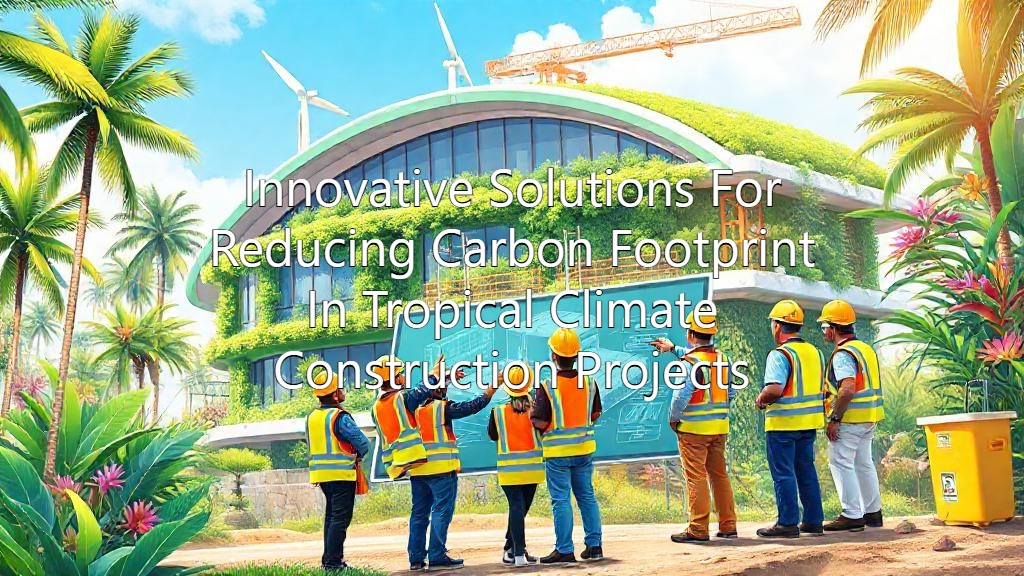
The world is grappling with the challenges of climate change, and the construction industry is a significant contributor to carbon emissions, accounting for nearly 40% of global greenhouse gas emissions.
As the built environment continues to grow and develop, it’s essential to adopt cutting-edge strategies that minimise the carbon footprint of construction projects, ensuring a sustainable future for generations to come.
By embracing innovative solutions, the construction industry can transform into a powerful tool for mitigating climate change, rather than exacerbating it.
Reducing Embodied Carbon Emissions In Tropical Construction Projects Through Sustainable Materials
Embracing sustainable materials in tropical construction is crucial for minimising environmental footprint, as traditional building practices contribute significantly to greenhouse gas emissions.
The incorporation of eco-friendly materials not only reduces embodied carbon but also enhances the durability and energy efficiency of buildings.
By adopting sustainable construction methods, the industry can mitigate its impact on climate change.
Sustainable materials can reduce embodied carbon emissions by up to 50% in tropical construction projects.
Green building technologies are being increasingly adopted in Singapore to minimise environmental degradation and promote energy efficiency.
Implementing circular economy principles in construction can significantly reduce waste and lower carbon emissions.
Minimizing Operational Emissions In Buildings With Energy-Efficient Design And Systems Integration
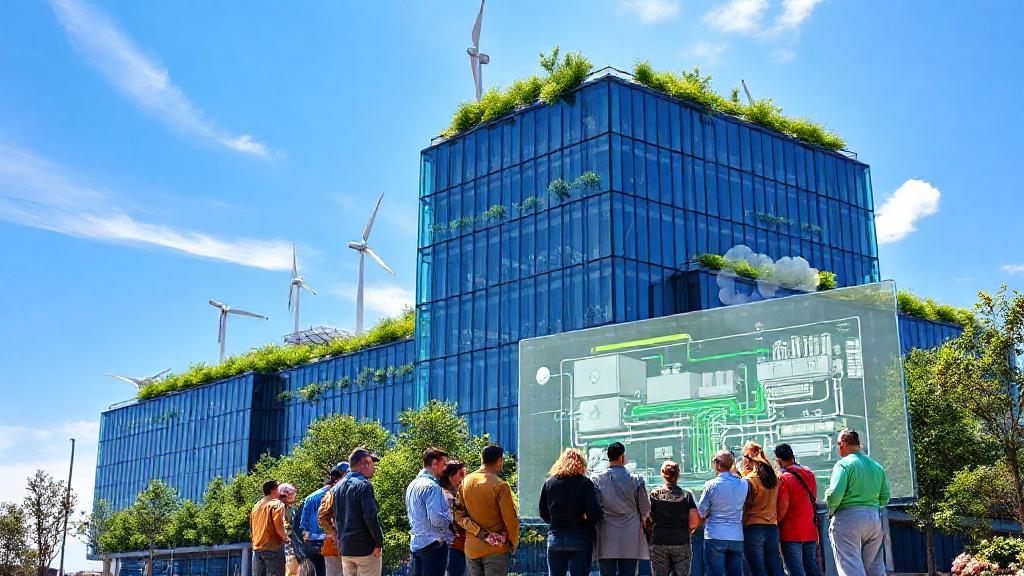
Understanding the sources of operational emissions is the first step towards reducing them, and this can be achieved by identifying areas of inefficiency in building design and systems.
By integrating energy-efficient design and systems, operational emissions can be significantly minimised, creating a more sustainable work environment.
This can be achieved through the use of natural light, insulation, and smart building technologies that optimise energy consumption.
Many building owners and managers are now prioritising energy efficiency and sustainability in their operations.
Role Of International Cooperation In Decarbonizing Building Materials And Supply Chains Globally
International cooperation plays a crucial role in driving innovation and investment in sustainable building materials, enabling countries to leverage each other’s strengths and expertise to develop cutting-edge technologies.
Through collaborative research and development, countries can create new markets and opportunities for low-carbon materials, such as cross-laminated timber and recycled plastics, and reduce the costs associated with their production.
The development of global standards and certifications for sustainable building materials is also essential for ensuring consistency and quality across international supply chains.
Implementing Energy Storage Systems To Reduce Energy Usage And Carbon Footprint In Construction
Implementing energy storage systems in construction is a crucial step towards reducing energy usage and carbon footprint.
Energy storage systems, such as batteries and thermal energy storage, can significantly reduce the demand for electricity from the grid, especially during peak hours, thereby decreasing the strain on the energy infrastructure and lowering greenhouse gas emissions.
By integrating energy storage systems into building design, construction companies can create a symbiotic relationship between energy generation, storage, and consumption.
Benefits Of Using Lithium-Ion Battery Technology In Energy Storage Solutions For Construction Sites
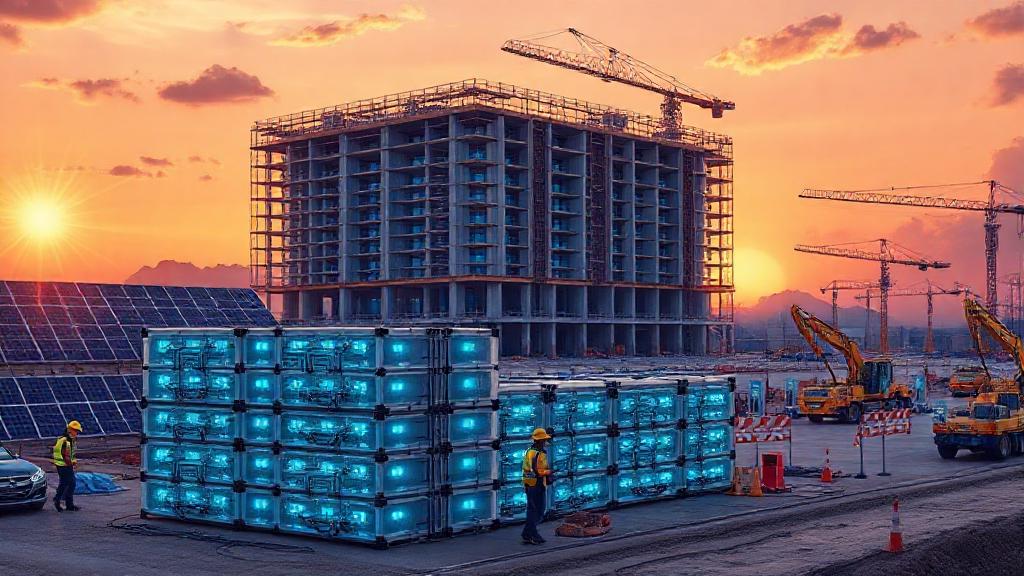
The use of lithium-ion battery technology in energy storage solutions has become increasingly popular in construction sites due to its numerous benefits, including high energy density, long cycle life, and low self-discharge rate.
This technology allows for efficient and reliable energy storage, enabling construction sites to reduce their dependence on traditional fossil fuels and lower their carbon footprint.
Lithium-ion batteries are highly versatile and can be used to power a wide range of equipment and tools, from small handheld devices to large machinery.
Solar Panels And Smart Load Management Systems For Maximizing Renewable Energy In Tropical Climates
Optimising energy consumption is crucial in tropical climates to reduce carbon footprint.
Harnessing solar energy with advanced panel technologies can increase efficiency.
Implementing smart load management systems can monitor and control energy usage.
Utilising energy storage systems can store excess energy generated by solar panels.
Analyzing data from smart meters can identify areas of improvement in energy consumption.
Hybrid Solutions Using Smaller Diesel Generators And Energy Storage Systems For Reduced Emissions
Smaller diesel generators paired with energy storage systems can significantly reduce emissions.
The integration of these systems can lead to a substantial decrease in carbon footprint, making them an attractive option for environmentally conscious businesses.
Lower operating costs, reduced emissions, and a smaller footprint are all thanks to advancements in technology.
Energy Storage Solutions For Supplying Additional Power During Peak Load Conditions In Construction
Energy storage solutions are not a luxury, but a necessity for construction sites to mitigate power outages and reduce energy waste.
The global energy storage market is expected to reach $26.8 billion by 2027, growing at a CAGR of 14.1% from 2020 to 2027.
Optimising Construction Site Productivity And Emissions Reduction Through Energy Storage And Solar Power Integration
The integration of energy storage and solar power is becoming increasingly important for optimizing construction site productivity and reducing emissions.
The use of renewable energy sources, such as solar power, can significantly reduce a construction site’s reliance on fossil fuels, resulting in lower greenhouse gas emissions and operating costs.
Energy storage systems can help to stabilize the energy supply, reduce power outages, and provide a reliable source of power for construction equipment.
As the construction industry continues to evolve, innovative solutions will play a crucial role in reducing carbon footprints and creating sustainable buildings.
The integration of green technologies, such as solar panels and green roofs, will become increasingly important in minimizing the environmental impact of construction projects.
With the increasing awareness of climate change and its devastating effects, the construction industry must continue to evolve and adapt to new technologies and methods that prioritize sustainability.
The possibility of a future where construction and nature coexist in harmony is a promising one, and it will be exciting to see the innovative solutions that emerge to make this vision a reality.