
The workplace is akin to a complex puzzle, where each piece must fit seamlessly to ensure a safe and efficient operation.
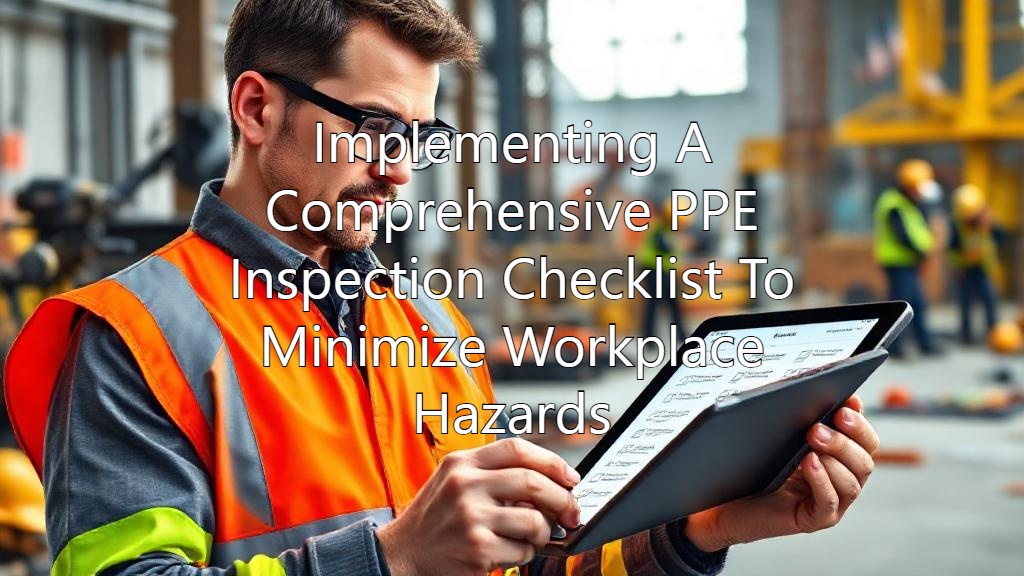
Implementing a comprehensive PPE inspection checklist is the missing piece that can make all the difference in minimising workplace hazards.
Just as a master puzzle solver carefully examines each piece before placing it, a thorough PPE inspection checklist helps employers and employees scrutinise every aspect of personal protective equipment to prevent accidents and injuries.
According to statistics, workplaces that prioritise PPE inspections experience a significant reduction in occupational hazards, highlighting the importance of this often-overlooked aspect of workplace safety.
By incorporating a well-structured PPE inspection checklist, workplaces can proactively identify potential hazards, such as damaged or ill-fitting equipment, and take corrective measures to prevent them from becoming major incidents.
Understanding Regulatory Requirements for PPE Inspections and Compliance
Conducting thorough hazard assessments is crucial to identify potential workplace risks and ensuring compliance with regulatory requirements for Personal Protective Equipment (PPE) inspections.
A well-structured digital PPE assessment checklist is essential for regular inspections to minimise workplace hazards and risks.
Effective implementation of control measures and selection of appropriate PPE can significantly reduce the risk of chemical exposure and other workplace hazards.
Regulatory non-compliance can have devastating consequences on employee safety and business operations.
- Identifying hazards is the first step in developing a comprehensive PPE assessment checklist.
- Regular inspections are critical to ensuring ongoing compliance and minimising workplace risks.
- Employee training is essential for the effective implementation of control measures and the proper use of PPE.
Electrical Safety and Hazards
A real-world example of the importance of proper training and communication on PPE usage is the case of a construction worker who suffered severe electrical burns due to improper use of personal protective equipment.
The worker had not received adequate training on the correct usage of insulated gloves and sleeves, which led to the accident.
This incident highlights the need for employers to provide comprehensive training and communication on PPE usage to prevent such accidents.
Proper training and communication on PPE usage are crucial in preventing electrical hazards, as they enable workers to identify potential risks and take necessary precautions.
Employers must ensure that workers receive regular training sessions and updates on new equipment and procedures to prevent accidents and ensure a safe working environment.
Maintenance
Regular maintenance is the backbone of a well-oiled machine, keeping all the cogs and wheels in perfect harmony, much like a skilled conductor leading an orchestra through an intricate symphony.
It involves a series of meticulous checks and balances, a delicate dance of give-and-take, where every step is carefully choreographed to ensure the smooth operation of the system.
Just as a master chef carefully tends to their kitchen, seasoning and stirring the pot to create a rich and savoury broth, maintenance technicians nurture and care for the equipment, coaxing out its full potential and preventing any bitter notes from creeping in.
As the old adage goes, “an ounce of prevention is worth a pound of cure,” and regular maintenance is the key to preventing costly repairs and downtime, keeping the machine purring like a contented cat on a warm lap.
Tips for Effective Equipment Inspections and Limitations
Performing regular scheduled inspections is crucial for maintaining equipment efficiency and preventing unexpected breakdowns.
The frequency and type of inspection vary depending on the equipment type, with some requiring daily checks and others needing more thorough monthly or yearly inspections.
Equipment manufacturers often provide guidelines for inspection and maintenance, which should be followed to ensure optimal performance.
By prioritising regular inspections, businesses can minimise downtime and reduce maintenance costs.
Beyond that, it is essential to consider the limitations of equipment inspections, such as the potential for human error or overlooked issues.
Furthermore, inspections may not always detect underlying problems, highlighting the need for ongoing monitoring and maintenance.
Evaluating Environmental Conditions for PPE Inspection
A well-structured PPE inspection plan is crucial: it helps prevent accidents and ensures a safe working environment.
Proper inspection of personal protective equipment — a critical aspect of workplace safety.
The frequency of PPE inspections varies depending on factors such as manufacturer guidelines, regulatory standards, and environmental conditions.
Regular inspections can help identify potential hazards and prevent costly repairs or replacements.
Environmental conditions like extreme temperatures or exposure to chemicals can affect the integrity of PPE.
A plan to inspect PPE — considering the organisation’s standard operating procedures and manufacturer guidelines: this is key to ensuring consistency and compliance.
In order to create an effective PPE inspection plan, it is essential to evaluate the workplace environment and identify potential hazards: this helps to determine the required inspection frequency and procedures.
The inspection plan should be flexible enough to accommodate changes in the workplace environment and updates to manufacturer guidelines and regulatory standards — all while ensuring a safe working environment for employees.
As we shift our focus from the intricacies of PPE inspection checklists to the broader landscape of workplace safety, it becomes evident that the true value of these protocols lies not in their complexity but in their ability to empower workers with the knowledge and vigilance to protect themselves and their colleagues.
By integrating comprehensive PPE inspection checklists into daily routines, organisations can foster a culture of proactive risk management, where every employee is a guardian of safety.
The image of a workplace where every individual dons their PPE with confidence, knowing it has been meticulously inspected and certified, is a powerful one – it is a testament to the human capacity for collaboration and innovation in the pursuit of a safer, healthier environment.
As we move forward, the question remains: what new heights of safety and efficiency can be achieved when we combine the rigors of protocol with the ingenuity of the human spirit?