
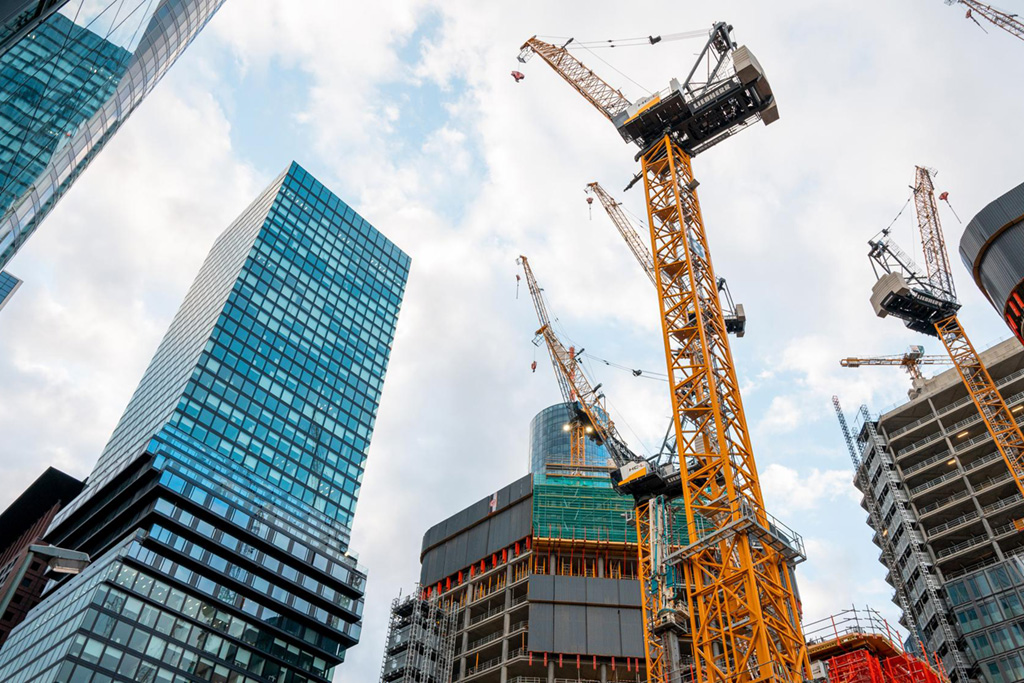
The selection and optimization of structural systems represent one of the most significant opportunities for value engineering in high-rise buildings. Singapore’s engineers have pioneered the use of various structural systems, each suited to different building heights, functions, and site conditions. The evolution from traditional reinforced concrete frames to more sophisticated systems such as core-wall structures, tube systems, and hybrid steel-concrete composites has been driven by value engineering principles seeking to optimize material usage while maintaining structural integrity.
For buildings in the 20-40 story range, value engineering studies often focus on optimizing the traditional reinforced concrete frame system. This involves detailed analysis of column grids, beam depths, and slab systems to minimize material usage while maintaining adequate strength and serviceability. The use of post-tensioned slabs has become increasingly common in Singapore, offering reduced floor-to-floor heights and longer spans, which translate to increased net leasable area and improved space flexibility. Value engineering teams analyze the trade-offs between the higher initial cost of post-tensioning systems and the long-term benefits of increased floor area and reduced building height.
For super high-rise buildings exceeding 40 stories, more sophisticated structural systems are required. The outrigger and belt truss system has proven particularly effective in Singapore’s context, providing excellent lateral stiffness while minimizing material usage. Value engineering studies for these systems focus on optimizing the location and configuration of outriggers, often using advanced finite element analysis to determine the most efficient arrangement. The integration of these structural elements with architectural and MEP requirements requires careful coordination, making early value engineering involvement crucial.
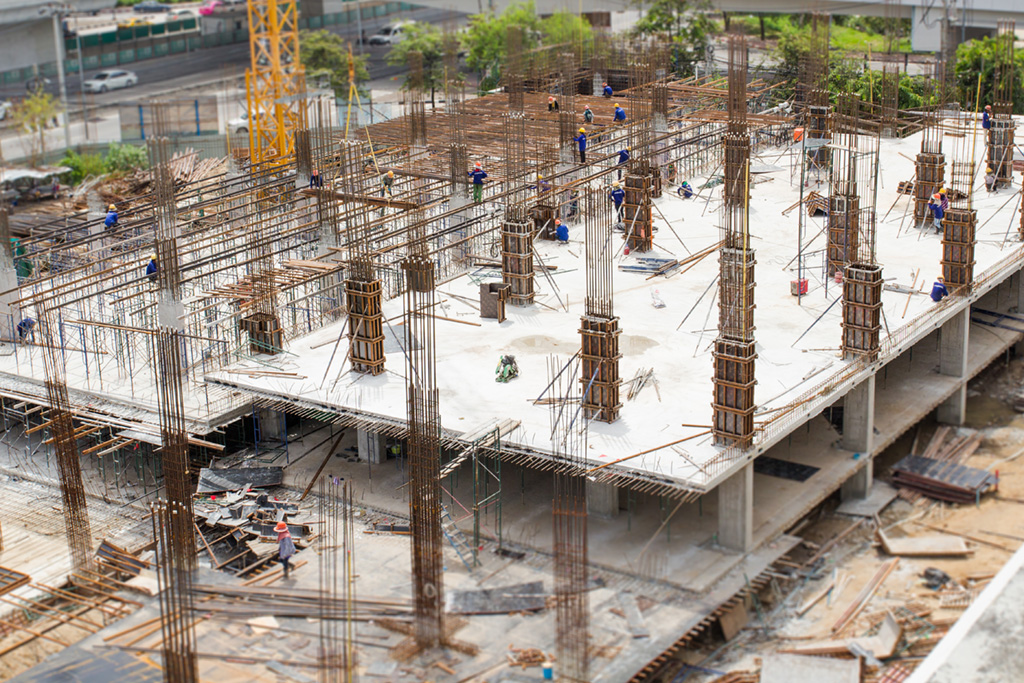
Foundation design for high-rise buildings in Singapore presents unique challenges due to the variable soil conditions across the island. Value engineering in foundation systems focuses on optimizing the type and configuration of foundations to suit specific site conditions while minimizing costs and construction time. The choice between different foundation types – including bored piles, driven piles, barrette piles, and raft foundations – significantly impacts project economics and schedule.
In areas with competent bedrock at reasonable depths, value engineering often leads to the adoption of large-diameter bored piles socketed into rock. While these piles have higher unit costs, their high capacity can reduce the total number of piles required, simplifying pile cap design and reducing excavation volumes. Value engineering teams analyze the trade-offs between pile diameter, depth, and spacing to optimize the overall foundation cost. The use of pile load testing and advanced monitoring systems has enabled more efficient designs by reducing safety factors based on actual performance data.
For sites with deep soft soil layers, value engineering may lead to innovative solutions such as floating foundations or compensated foundations. These approaches reduce the net load on the soil by balancing building weight with excavated soil weight. In Singapore’s Marina Bay area, where soft marine clay extends to significant depths, such approaches have proven cost-effective for several high-rise projects. Value engineering studies in these cases focus on optimizing excavation depths and basement configurations to achieve the desired load compensation while maximizing usable basement space.
Mechanical, Electrical, and Plumbing (MEP) systems in high-rise buildings represent approximately 30-40% of total construction costs and have significant impacts on operational efficiency. Value engineering for MEP systems in Singapore focuses on system integration, energy efficiency, and space optimization. The tropical climate necessitates robust air conditioning systems, while the push for sustainability drives the adoption of energy-efficient technologies.
Central plant optimization is a key focus area for value engineering in high-rise buildings. The selection between different cooling systems – including traditional chillers, district cooling, and hybrid systems – requires careful analysis of capital costs, operating costs, and reliability requirements. In Singapore’s Central Business District, connection to the district cooling network has proven cost-effective for many high-rise buildings, eliminating the need for on-site chiller plants and freeing up valuable roof space for other uses.
The integration of smart building technologies has opened new avenues for MEP optimization. Value engineering teams now routinely consider the implementation of Building Management Systems (BMS), IoT sensors, and predictive analytics to optimize system performance. These technologies enable demand-based operation, predictive maintenance, and continuous commissioning, resulting in significant energy savings and improved occupant comfort. The initial investment in smart technologies is often justified through reduced operating costs and enhanced building value.
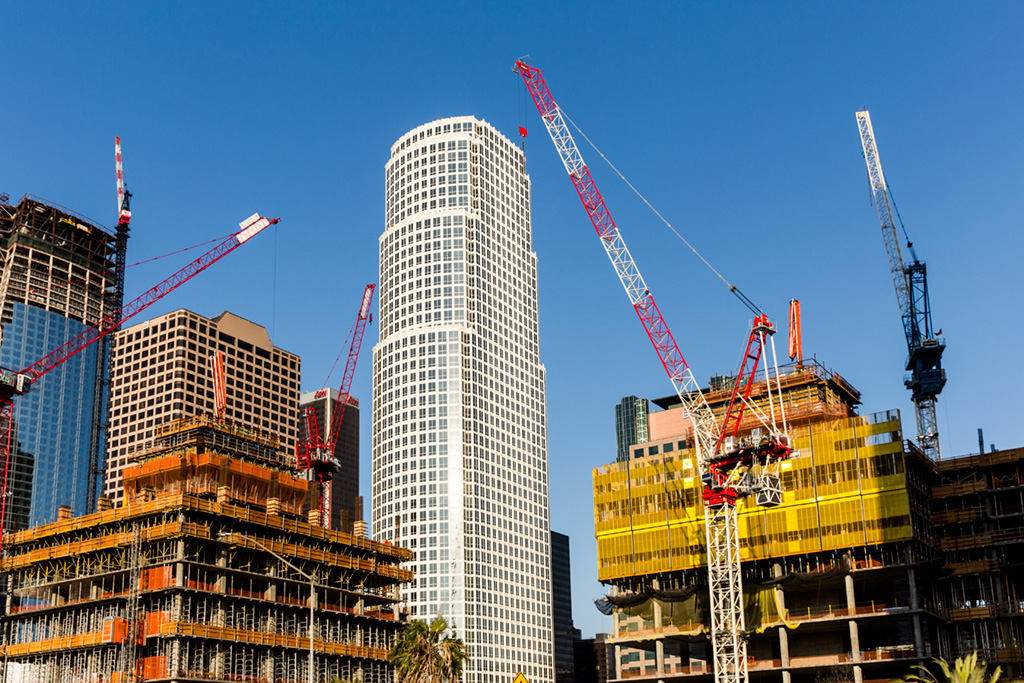
The adoption of Design for Manufacturing and Assembly (DfMA) principles has transformed high-rise construction in Singapore. Prefabricated Prefinished Volumetric Construction (PPVC) has been successfully implemented in numerous residential and hotel projects, achieving significant time and cost savings. Value engineering teams analyze the trade-offs between conventional construction and various levels of prefabrication, considering factors such as site constraints, project scale, and repeatability of design elements.
Construction sequencing optimization through value engineering can yield significant time and cost savings. The use of concurrent engineering principles, where different building systems are constructed simultaneously rather than sequentially, has become standard practice in Singapore. Value engineering studies develop detailed construction sequences that optimize resource utilization, minimize temporary works, and reduce overall project duration. The integration of 4D BIM modeling enables visual simulation of construction sequences, facilitating better planning and coordination.
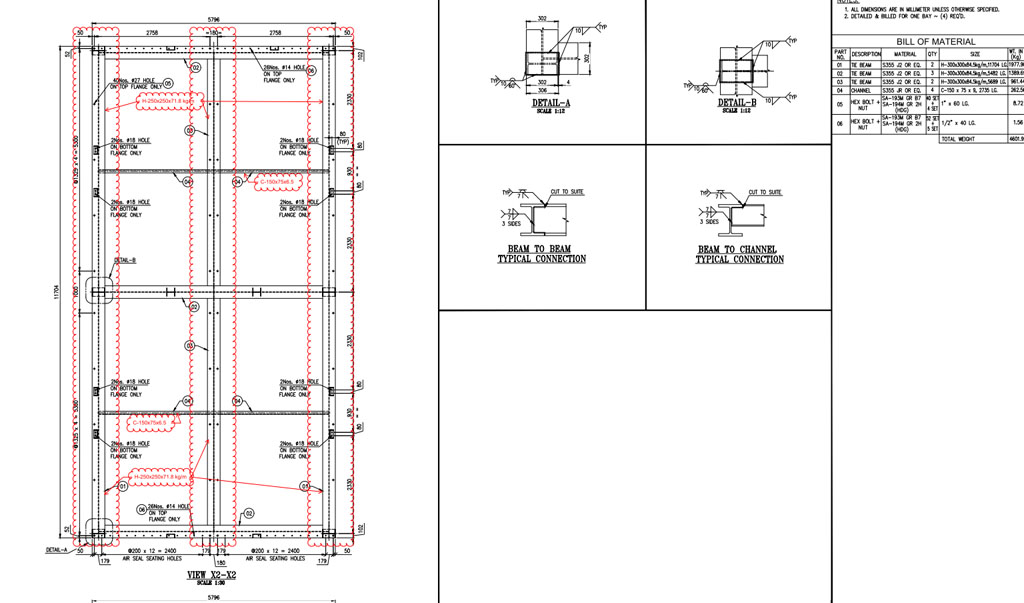
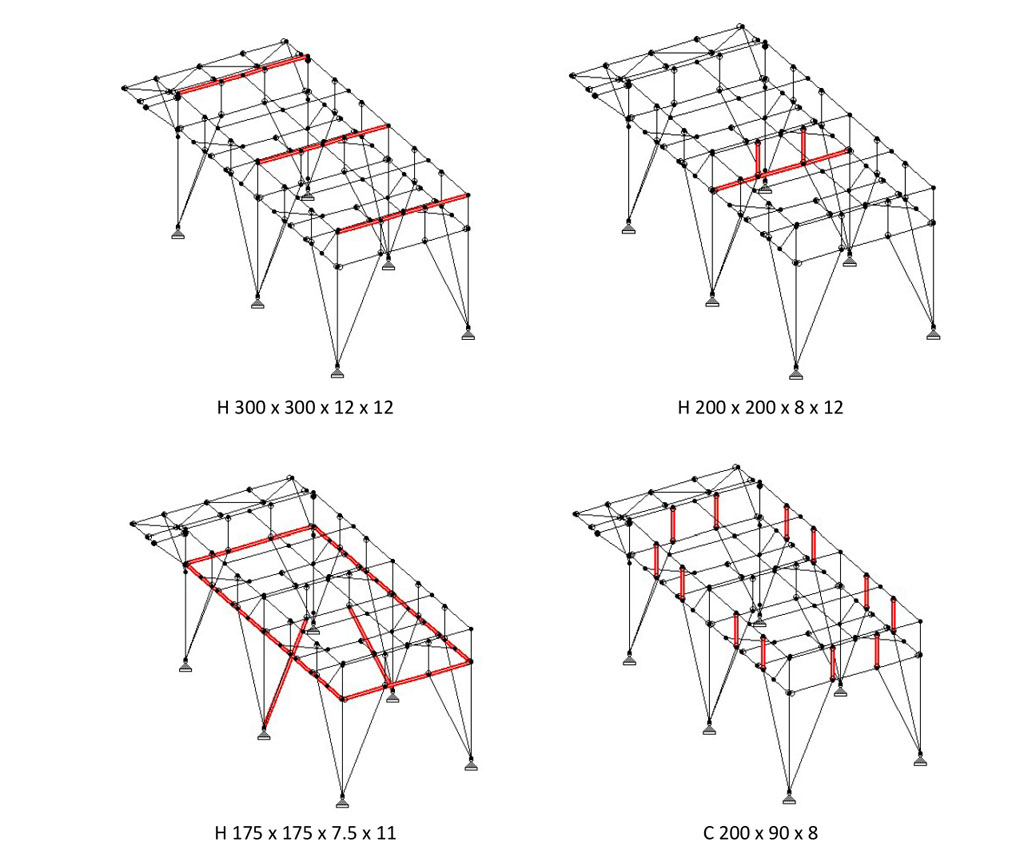
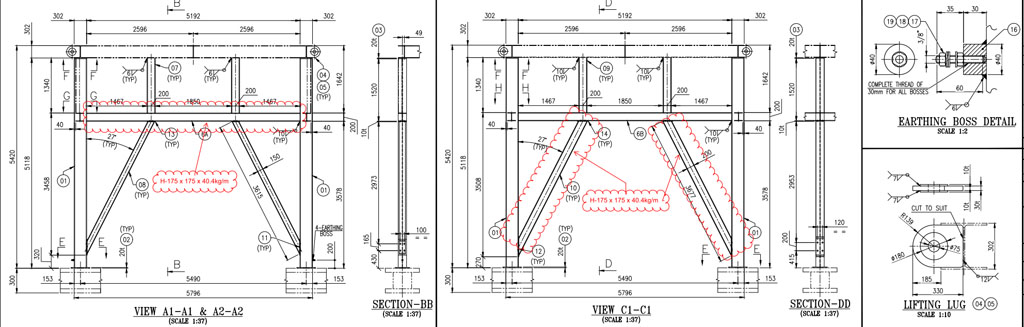
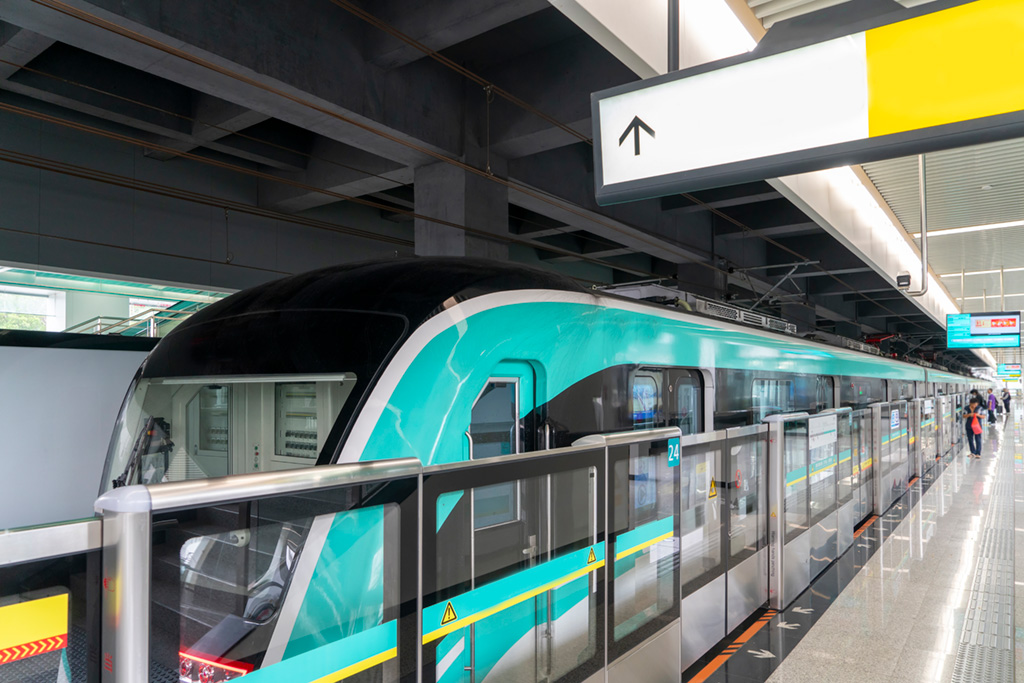
MRT stations represent complex underground structures that must accommodate multiple functions while integrating seamlessly with surface developments. Value engineering for station design focuses on optimizing spatial arrangements, structural systems, and construction methods to minimize costs while enhancing passenger experience. The evolution from simple box stations to more complex configurations with multiple levels and integrated developments demonstrates the sophistication of value engineering applications.
Station box construction methods have evolved significantly through value engineering studies. The traditional cut-and-cover method, while straightforward, often causes significant surface disruption. Value engineering has led to the adoption of alternative methods such as top-down construction, where the station roof is constructed first to minimize surface disruption. For deeper stations, the use of diaphragm walls with temporary and permanent functions has proven cost-effective, eliminating the need for separate temporary support systems.
The integration of MRT stations with commercial and residential developments has become a hallmark of Singapore’s transit-oriented development strategy. Value engineering teams work to optimize the interface between station structures and adjacent developments, often sharing structural elements and utilities to reduce overall costs. The successful integration of stations like Raffles Place and Marina Bay with major commercial developments demonstrates the value of early coordination and integrated design approaches.
The selection of appropriate structural systems for bridges and viaducts depends on numerous factors including span requirements, clearance needs, ground conditions, and aesthetic considerations. Value engineering plays a crucial role in evaluating different structural options and identifying the most cost-effective solution for specific project requirements. In Singapore, common bridge types include prestressed concrete box girders, steel composite structures, cable-stayed bridges, and segmental construction.
For medium-span viaducts typical of MRT elevated sections and highway flyovers, prestressed concrete box girders have proven highly effective. Value engineering studies optimize span arrangements to minimize the number of piers while considering factors such as foundation costs and navigational clearances. The standardization of span lengths and cross-sections across projects has enabled economies of scale in formwork and construction equipment, reducing overall costs. Recent projects have adopted span lengths of 35-45 meters as optimal for balancing structural efficiency with construction practicality.
Long-span bridges crossing major waterways or highways require more sophisticated structural systems. Value engineering teams evaluate options including cable-stayed, extradosed, and continuous steel composite designs. The selection process considers not only initial construction costs but also long-term maintenance requirements, inspection accessibility, and resilience to extreme events. The Benjamin Sheares Bridge and the new Tuas Port bridges demonstrate how value engineering can identify innovative solutions that meet complex requirements while managing costs.
Foundation design for bridges in Singapore presents unique challenges due to variable soil conditions and the presence of soft marine clay in coastal areas. Value engineering for bridge foundations focuses on optimizing pile configurations, pile cap designs, and construction methods to achieve required capacity while minimizing costs. The choice between driven piles, bored piles, and other foundation types significantly impacts project economics and construction duration.
In marine environments, the design of bridge foundations must consider additional factors such as ship impact, scour protection, and corrosion resistance. Value engineering teams analyze different protection strategies, including the use of protective dolphins, scour mattresses, and cathodic protection systems. The optimization of these protective measures requires careful consideration of probability-based risk assessment and life-cycle cost analysis.
Temporary works, encompassing falsework and formwork systems, represent a significant cost component in construction projects, typically accounting for 20-35% of structural concrete costs. In Singapore’s fast-paced construction environment, the optimization of temporary works through value engineering is crucial for project success. The challenge lies in balancing safety requirements, which are stringently enforced by the Ministry of Manpower, with cost-effectiveness and productivity goals. Value engineering for temporary works must consider not only direct costs but also impacts on construction schedule, labor productivity, and safety performance.
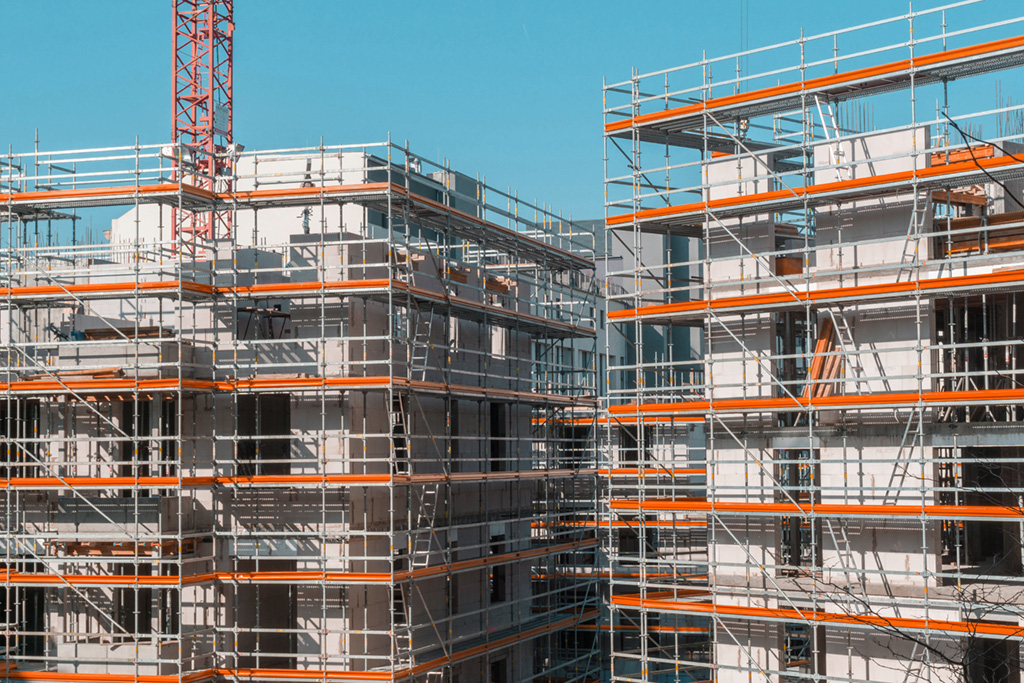
Falsework systems support structural elements during construction until they achieve sufficient strength to be self-supporting. Value engineering for falsework focuses on optimizing system selection, configuration, and utilization across projects. The choice between proprietary systems and conventional tube-and-fitting scaffolding depends on factors including loading requirements, height constraints, and reusability potential. In Singapore, the trend has been towards modular proprietary systems that offer better quality control and faster assembly.
The optimization of falsework design through value engineering involves detailed analysis of load paths and support arrangements. Advanced finite element analysis enables engineers to identify the most efficient configurations while maintaining adequate safety factors. The standardization of falsework layouts for typical applications, such as bridge deck construction and transfer beam support, has yielded significant benefits. By developing standard solutions that can be adapted to specific project requirements, contractors reduce design time and improve safety through proven configurations.
System formwork has become the preferred choice for many applications in Singapore due to its productivity advantages and superior finish quality. Value engineering studies compare the higher rental or purchase costs of system formwork against savings in labor, reduced finishing work, and accelerated schedules. The analysis must consider factors such as the number of reuses, complexity of the structure, and availability of skilled labor. For projects with significant repetition, such as residential buildings and standard infrastructure elements, system formwork often provides the best value proposition.
The integration of formwork design with permanent works design represents an advanced application of value engineering. Examples include permanent formwork systems that become part of the final structure, eliminating stripping operations and providing additional benefits such as improved durability or enhanced architectural finish. Stay-in-place formwork for bridge decks and proprietary voided slab systems demonstrate how value engineering can identify solutions that provide multiple benefits beyond cost savings.
The evolution of pre-casting in Singapore has been remarkable, progressing from simple architectural elements to complex structural systems including Prefabricated Prefinished Volumetric Construction (PPVC). This transformation has been driven by value engineering principles that recognize the holistic benefits of industrialized construction. The integration of Design for Manufacturing and Assembly (DfMA) principles with value engineering has created a framework for optimizing not just individual components but entire building systems for off-site production.
Successful pre-casting begins with design optimization that considers manufacturing, transportation, and assembly constraints from the outset. Value engineering in pre-cast design focuses on standardization and modularization while maintaining design flexibility. The development of modular coordination principles, based on preferred dimensions and connection details, enables efficient production while accommodating diverse architectural requirements. This approach has been particularly successful in Singapore’s public housing program, where standardization across projects yields significant economies of scale.
The optimization of pre-cast element sizes and configurations requires careful balance between multiple factors. Larger elements reduce the number of connections and can speed up site assembly, but they require heavier lifting equipment and may face transportation constraints. Value engineering teams use sophisticated analysis tools to determine optimal element sizes for specific projects, considering factors such as crane capacity, transport routes, and site access limitations. The typical optimization results in elements weighing 5-10 tonnes for standard applications, though specialized projects may utilize heavier elements where justified.
Connection design represents a critical aspect of pre-cast value engineering. The development of standardized connection systems that are both structurally efficient and easy to install has been a focus of industry research. Mechanical connections, grouted sleeves, and bolted connections each have their place in the pre-cast toolkit, with selection based on structural requirements, tolerance considerations, and assembly sequences. Value engineering studies have shown that investing in more sophisticated connection systems often pays dividends through reduced site labor and improved construction speed.
Grid optimization and modularization
Size and configuration optimization
Standardized connection systems
Mold design and production sequence
Transport and storage optimization
Erection sequence and methodology